Why You’ll Love This Shortcrust Pastry Tart Crust
If you haven’t tried this buttery tart crust yet, grab a bowl and your fingers trust me, rubbing butter into flour has never felt so satisfying or simple! This classic French shortcrust pastry tart crust will transform your baking game and open up a world of dessert possibilities. What makes this shortcrust pastry tart crust so special is its delightful combination of ease, versatility, and that perfect balance of sweetness that complements rather than overwhelms your fillings. Whether you’re making a classic lemon tart, fresh fruit creation, or something chocolatey, this crust provides the ideal foundation with its crisp yet tender texture.The Benefits of Making Your Own Tart Crust
Creating your own shortcrust pastry tart crust at home comes with advantages you simply can’t get from store-bought versions:- Simplicity: This recipe uses basic pantry ingredients and straightforward techniques, making it perfect for both novice and experienced bakers alike.
- Freshness: Nothing beats the taste of freshly baked pastry, with its buttery aroma and superior texture.
- Cost-effectiveness: Making your own crust is more economical than premium pre-made options.
- Control: You can adjust sweetness, add flavors, or modify the recipe to suit your dietary preferences.
Health and Dietary Advantages
When you craft your own shortcrust pastry tart crust, you’re in complete control of what goes into it. This means you can make conscious choices about ingredients. The basic recipe uses quality components without preservatives or artificial additives that often appear in commercial crusts. For those watching their diet, this recipe provides flexibility for various dietary needs. The foundation uses simple, recognizable ingredients that you can easily modify to accommodate specific health goals without compromising on taste or texture.The versatility of this shortcrust pastry tart crust means it can adapt to your lifestyle, whether you’re catering to dietary restrictions or simply prefer knowing exactly what’s in your food. Plus, the satisfaction of creating something homemade from scratch is truly rewarding!
Jump to:
- Why You’ll Love This Shortcrust Pastry Tart Crust
- The Benefits of Making Your Own Tart Crust
- Health and Dietary Advantages
- Essential Ingredients for Shortcrust Pastry Tart Crust
- The Shortcrust Pastry Tart Crust Ingredients
- Understanding Each Ingredient’s Role
- Ingredient Substitution Reference Table
- How to Prepare the Perfect Shortcrust Pastry Tart Crust: Step-by-Step Guide
- Before You Begin: Preparation Tips
- Mixing the Dough: The Critical Steps
- Forming and Chilling the Dough
- Rolling and Shaping the Tart Shell
- Final Touches Before Baking
- Dietary Substitutions to Customize Your Shortcrust Pastry Tart Crust
- Making a Plant-Based Version
- Gluten-Free Adaptations
- Lower-Calorie and Healthier Options
- Flavor Variations to Complement Fillings
- Mastering Shortcrust Pastry Tart Crust: Advanced Tips and Variations
- Professional Techniques for Perfect Texture
- Adjusting for Different Tart Sizes and Shapes
- Advanced Flavor Combinations
- Specialty Techniques for Different Fillings
- Decorative Techniques to Impress
- How to Store Shortcrust Pastry Tart Crust: Best Practices
- Storing Unbaked Shortcrust Pastry Tart Crust Dough
- Freezing Dough for Long-Term Storage
- Storing Baked Tart Shells
- Storage Options Comparison
- FAQs: Frequently Asked Questions About Shortcrust Pastry Tart Crust
- What ingredients do I need to make a classic shortcrust pastry tart crust?
- How can I prevent my shortcrust tart crust from puffing up during baking?
- Can I make shortcrust pastry dough ahead of time, and how should it be stored?
- What’s the difference between par-baking and fully baking a tart crust?
- How should I roll out shortcrust pastry dough without it cracking or shrinking?
- Shortcrust Pastry Tart Crust
- Ingredients
- Instructions
- Last Step:
- Notes
- Nutrition
- Did you make this recipe?
Essential Ingredients for Shortcrust Pastry Tart Crust
Creating the perfect shortcrust pastry tart crust begins with quality ingredients. Each component plays a crucial role in achieving that ideal balance of flakiness, tenderness, and structure that makes a great tart base. Let’s explore what goes into this classic French baking favorite.The Shortcrust Pastry Tart Crust Ingredients
For this classic Pâte Sucrée Recipe, you will need the following ingredients in precise measurements:- 1 1/2 cups plain or all-purpose flour
- 6 1/2 tablespoons soft icing sugar, sifted
- 2 1/2 tablespoons almond meal or ground almonds
- 1/4 teaspoon salt
- 100 grams unsalted butter, softened and cut into 1 cm cubes
- 1 large egg at room temperature (55-60g)
Understanding Each Ingredient’s Role
The all-purpose flour forms the structure of your shortcrust pastry tart crust. When combined with butter and worked minimally, it creates that tender yet sturdy base that holds fillings perfectly without crumbling. Icing sugar dissolves more easily than granulated sugar, resulting in a smoother texture and fine crumb. It contributes just enough sweetness to balance tart fillings without making the crust overly sweet. Almond meal adds a delicate nutty flavor and subtle richness while contributing to the tender texture. It’s a classic element in French shortcrust pastry tart crust that distinguishes it from basic pie doughs. The salt might seem like a minor ingredient, but it’s essential for balancing the sweetness and enhancing all the other flavors in this shortcrust pastry tart crust.Ingredient Substitution Reference Table
| Original Ingredient | Common Substitutions | Considerations |
|---|---|---|
| All-purpose flour | Gluten-free flour blend, Cake flour | May require adjusting liquid amounts; texture may vary |
| Unsalted butter | Vegan butter, Coconut oil | Coconut oil adds slight coconut flavor; vegan butter works well |
| Almond meal | Other nut meals, Omit entirely | Other nuts will change flavor profile slightly |
| Egg | Flax egg, Unsweetened applesauce | May result in slightly different texture and browning |
How to Prepare the Perfect Shortcrust Pastry Tart Crust: Step-by-Step Guide
Now that we have our ingredients ready, it’s time to dive into the hands-on process of creating your Pâte Sucrée. This method focuses on minimal handling and proper temperature control the secrets to a flaky, tender shortcrust pastry tart crust that will become your go-to recipe for all types of tarts.Before You Begin: Preparation Tips
Success with shortcrust pastry tart crust starts with proper preparation. Ensure your ingredients are at the right temperatures before starting. For this recipe, your butter should be softened but not oily or melted just cool enough that you can make an indentation with your finger but still firm enough to hold its shape. Set up your workspace with all ingredients measured and ready to go. This method, called mise en place, prevents you from scrambling to measure components while working with the dough, which could lead to overworking it.Mixing the Dough: The Critical Steps
Begin by sifting together your dry ingredients flour, sifted icing sugar, almond meal, and salt in a bowl. This step ensures even distribution and prevents clumps of sugar in your shortcrust pastry tart crust. Add the cubed butter to the flour mixture. Using your fingertips, quickly rub the butter and dry ingredients together until the mixture resembles coarse breadcrumbs. Work quickly to prevent the butter from warming up too much. For more detailed techniques on working with pastry dough, check out this comprehensive guide to creating the perfect pastry base.The key to a flaky shortcrust pastry tart crust is leaving pea-sized pieces of butter rather than fully incorporating them. These butter pockets create steam during baking, resulting in those desirable flaky layers.
Forming and Chilling the Dough
Make a well in the center of your flour-butter mixture and add the egg. Using a fork or your fingers, begin incorporating the egg into the dry ingredients until the dough starts to come together. If the dough seems too dry, you may add a teaspoon of water, but often the egg alone provides enough moisture. Gather the dough together and shape it into a flat disc rather than a ball. This shape helps the dough chill more evenly and makes it easier to roll out later. Wrap the disc tightly in plastic wrap and refrigerate for at least 30 minutes before rolling. This resting period allows the gluten to relax and the butter to firm up again crucial steps for a tender shortcrust pastry tart crust that won’t shrink during baking.Rolling and Shaping the Tart Shell
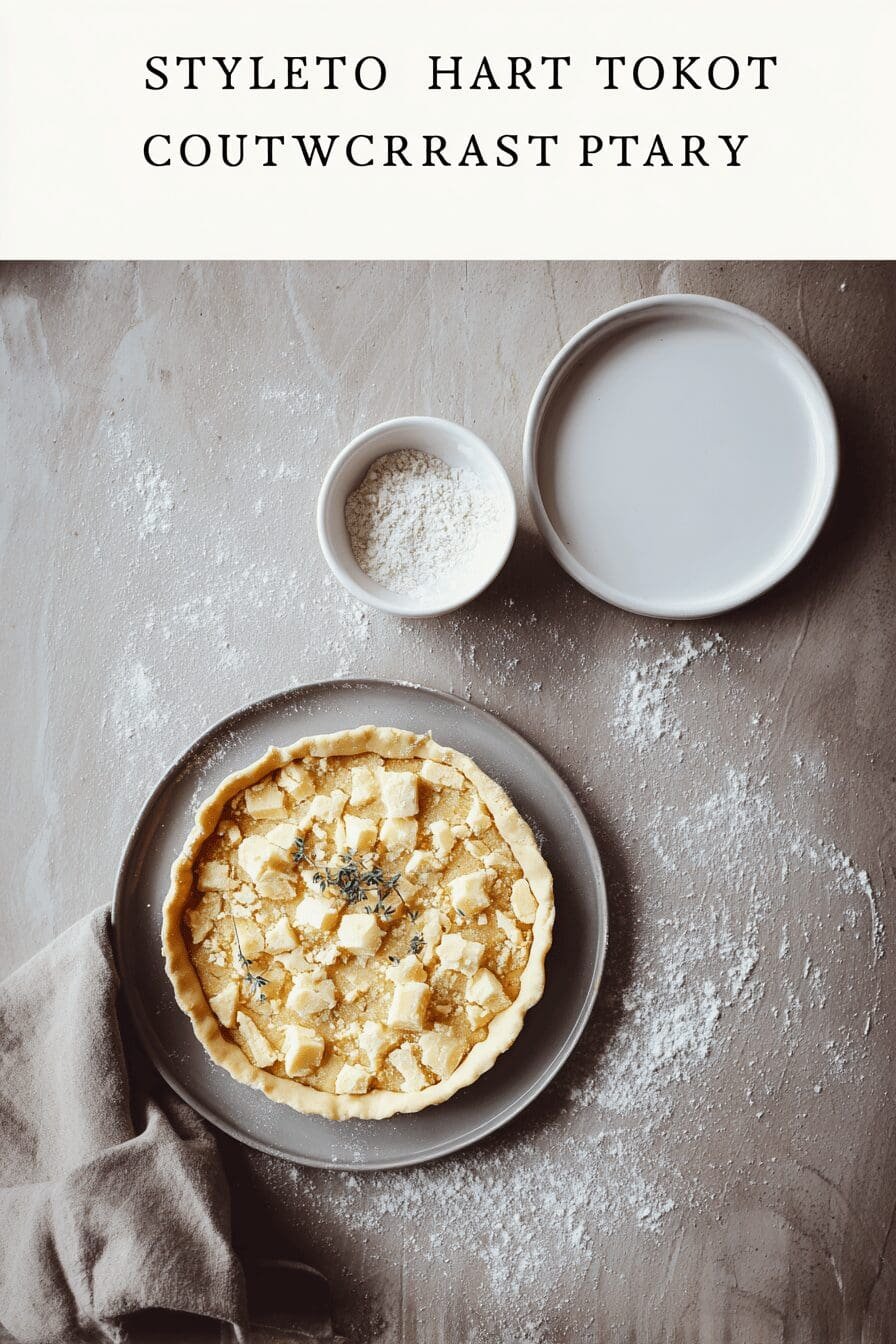
After the dough has chilled, remove it from the refrigerator and let it sit at room temperature for 5-10 minutes to soften slightly. This makes rolling easier and prevents cracking. Lightly flour your work surface and rolling pin. Begin rolling the dough from the center outward, rotating the dough occasionally to ensure even thickness and prevent sticking. Aim for a thickness of about 3mm (1/8 inch) and a circle large enough to fit your tart pan with some overhang. To transfer the rolled shortcrust pastry tart crust to your pan, you can either fold it gently into quarters and then unfold it in the pan or carefully roll it around your rolling pin and then unroll it over the pan. Once in the pan, gently press the dough into the bottom and up the sides without stretching it.Final Touches Before Baking
Trim any excess dough by running your rolling pin over the top edge of the tart pan. You can also use your fingers to create a decorative edge by gently pressing the dough between your thumb and forefinger at regular intervals. Prick the base of the tart shell all over with a fork to prevent air pockets from forming during baking. For blind baking (which we’ll cover in our FAQs), you’ll line the shell with parchment paper and fill with baking weights or dried beans. Chill the shaped shortcrust pastry tart crust in the refrigerator for another 15-20 minutes before baking. This final chilling prevents shrinkage and helps maintain the shape you’ve created. Your tart shell is now ready for baking according to your specific recipe requirements!
Dietary Substitutions to Customize Your Shortcrust Pastry Tart Crust
One of the many beauties of this shortcrust pastry tart crust is its adaptability to various dietary needs and preferences. Whether you’re catering to allergies, specific health considerations, or simply experimenting with flavors, these substitutions will help you customize your crust while maintaining its delightful texture and taste.Making a Plant-Based Version
Creating a vegan version of this shortcrust pastry tart crust is simpler than you might think. Replace the unsalted butter with a high-quality vegan butter substitute or solid coconut oil. If using coconut oil, be aware that it may impart a slight coconut flavor to your crust, which can be delicious with certain fillings. For the egg, create a flax egg by mixing 1 tablespoon of ground flaxseed with 3 tablespoons of water. Let this mixture sit for 5 minutes until it forms a gel-like consistency before incorporating it into your dough. The resulting shortcrust pastry tart crust will have a slightly different mouthfeel but will still hold together beautifully and bake to a golden color.Gluten-Free Adaptations
For those avoiding gluten, you can still enjoy this classic French tart crust. Substitute the all-purpose flour with a high-quality gluten-free all-purpose blend specifically formulated for baking. Many blends include xanthan gum, which helps provide structure, but if yours doesn’t, adding 1/2 teaspoon can improve the texture. You might find that gluten-free shortcrust pastry tart crust dough requires slightly more liquid than the traditional version, so add water gradually until the dough comes together properly. The dough may also feel more delicate and require gentler handling, so be patient as you work with it.Lower-Calorie and Healthier Options
If you’re looking to reduce the calorie content of your shortcrust pastry tart crust, consider these adjustments. Replace half of the butter with Greek yogurt or puréed avocado. This substitution will yield a slightly less flaky but still pleasantly tender crust with a reduced calorie count. You can also reduce the sugar content without significantly affecting texture. The current sugar amount already provides a subtle sweetness rather than an overwhelmingly sweet crust, so you may only need to reduce it by half if you prefer an even less sweet version.Flavor Variations to Complement Fillings
Beyond dietary modifications, consider these flavorful twists to customize your shortcrust pastry tart crust for specific fillings:- Citrus zest: Add grated lemon or orange zest to brighten fruit tarts
- Spices: Incorporate cinnamon or nutmeg for a cozy autumn vibe
- Herb-infused: Try finely chopped rosemary or thyme for savory tarts
- Chocolate variation: Add 2 tablespoons of cocoa powder and reduce flour accordingly
Experimenting with these substitutions allows you to create a shortcrust pastry tart crust that not only meets specific dietary needs but also perfectly complements your intended filling. Don’t be afraid to try different combinations to discover your new favorite variation! Your perfect tart might include homemade wild blueberry preserves or any other delicious filling you can imagine.
Mastering Shortcrust Pastry Tart Crust: Advanced Tips and Variations
Once you’ve mastered the basic shortcrust pastry tart crust technique, you’re ready to elevate your baking game with these professional tips and creative variations. These insights will help you achieve consistently excellent results and expand your tart-making repertoire.Professional Techniques for Perfect Texture
Temperature control is perhaps the most critical factor in creating an exceptional shortcrust pastry tart crust. Professional bakers emphasize the importance of keeping all ingredients as cold as possible throughout the process. When butter is cold, it creates steam pockets as it melts in the oven, resulting in that desirable flaky texture. Another pro technique is the fraisage method, which involves using the heel of your hand to push small portions of dough away from you on the work surface. This action makes thin, alternating layers of butter and dough, creating an extra-flaky texture in the finished shortcrust pastry tart crust. After fraisage, the dough still needs proper chilling before shaping.Adjusting for Different Tart Sizes and Shapes
This shortcrust pastry tart crust recipe is versatile enough to accommodate various tart pans. The standard recipe makes enough for one 9-10 inch (23-25cm) round tart, a 14-inch (35cm) rectangular tart, or approximately six 4-inch (10cm) individual mini tarts. When making mini tarts, consider rolling the dough slightly thinner than you would for a large tart. This adjustment prevents the ratio of crust to filling from being too high in the smaller-sized tarts. For free-form galettes, you can roll the shortcrust pastry tart crust slightly thicker as these rustic tarts don’t have pan sides for support.Advanced Flavor Combinations
Once you’re comfortable with the basic recipe, consider these gourmet additions to elevate your shortcrust pastry tart crust. Adding 1-2 tablespoons of finely ground nuts other than almonds, such as pistachios or hazelnuts, can create interesting flavor profiles that pair beautifully with specific fillings. For chocolate lovers, incorporate 1-2 tablespoons of high-quality cocoa powder into the flour mixture. Remember to reduce the flour quantity by the amount of cocoa powder you add to maintain the proper dry-to-wet ingredient ratio. This chocolate shortcrust pastry tart crust pairs wonderfully with mousses, ganaches, and berry fillings.Specialty Techniques for Different Fillings
Understanding how to adapt your shortcrust pastry tart crust based on your filling is key to perfect results. For particularly wet fillings, such as fruit fillings or custards, consider brushing the blind-baked shell with a thin layer of melted chocolate or egg white before adding the filling. This creates a moisture barrier that helps prevent a soggy bottom crust. For savory tarts that require longer baking times, reduce the initial blind baking time to avoid over-browning. A light par-bake of about 8-10 minutes should suffice to prevent sogginess when the filling will be baked for an extended period.Decorative Techniques to Impress
The visual appeal of your tart begins with the shortcrust pastry tart crust. For a classic lattice top, reserve about a third of the dough, roll it out, and cut into strips. For a more contemporary look, try cutting decorative shapes with cookie cutters and arranging them on top of your filling before baking. For an elegant finish, consider braiding ropes of shortcrust pastry tart crust dough to create a border around the edge of your tart. This technique adds visual interest and provides a sturdy edge that helps contain the filling. Remember to egg wash decorative elements before baking to achieve a beautiful golden color.How to Store Shortcrust Pastry Tart Crust: Best Practices
Knowing how to properly store your shortcrust pastry tart crust ensures you can always have this versatile baking component on hand. Whether you’ve made extra dough or have leftover baked shells, these storage tips will help you maintain quality and convenience.Storing Unbaked Shortcrust Pastry Tart Crust Dough
For short-term storage of unbaked shortcrust pastry tart crust dough, wrap the dough disc tightly in plastic wrap and place it in an airtight container or zip-top bag. In the refrigerator, the dough will keep well for up to 3 days. Beyond this time, the flour may begin to oxidize, potentially affecting both flavor and color. When you’re ready to use the refrigerated dough, let it sit at room temperature for about 15-20 minutes before rolling. This slight softening makes the dough more pliable and helps prevent cracking. However, be careful not to let it become too warm, as this will make the butter oils start to separate, affecting the final texture of your shortcrust pastry tart crust.Freezing Dough for Long-Term Storage
For longer storage, freezing is your best option. Well-wrapped shortcrust pastry tart crust dough can be frozen for up to 3 months without significant loss of quality. The key to successful freezing is preventing freezer burn and odors from other foods affecting your dough. For extra protection, consider placing the plastic-wrapped dough disc inside a vacuum-sealed bag. If you don’t have a vacuum sealer, press out as much air as possible from a zip-top bag before sealing. When you’re ready to use frozen dough, transfer it to the refrigerator overnight to thaw slowly. Thawing at room temperature can cause the butter to melt unevenly, potentially affecting the texture of your shortcrust pastry tart crust.Storing Baked Tart Shells
If you’ve blind-baked your shortcrust pastry tart crust shells and want to store them, allow them to cool completely before packaging. Any residual heat can create condensation inside storage containers, leading to soggy crusts. Store baked shells at room temperature in an airtight container for up to 3 days. For longer storage, they can be frozen for up to 2 months. To refresh a slightly stale baked crust, place it in a 325°F (160°C) oven for 5-7 minutes to restore crispness. Be careful not to over-bake, as this can cause the shortcrust pastry tart crust to become tough or overly browned.Storage Options Comparison
| Storage Method | Maximum Duration | Best Practices |
|---|---|---|
| Refrigerator (unbaked dough) | 3 days | Wrap tightly in plastic, then place in airtight container |
| Freezer (unbaked dough) | 3 months | Double-wrap; consider vacuum sealing; label with date |
| Room temperature (baked shells) | 3 days | Cool completely; store in airtight container |
| Freezer (baked shells) | 2 months | Cool completely; wrap well; freeze in rigid container |
Planning ahead is one of the secrets to stress-free entertaining. By preparing shortcrust pastry tart crust dough or shells in advance, you can streamline your baking process and enjoy more time with your guests. Proper storage ensures that when you’re ready to bake, your crust will perform just as beautifully as if made fresh that day!
FAQs: Frequently Asked Questions About Shortcrust Pastry Tart Crust
What ingredients do I need to make a classic shortcrust pastry tart crust?
To make a traditional shortcrust pastry tart crust, you will need plain or all-purpose flour, unsalted butter, powdered sugar (or icing sugar), almond meal (ground almonds), a pinch of salt, and an egg. These ingredients combine to create a tender yet sturdy crust that holds both baked and no-bake fillings well. Using cold butter and handling the dough minimally helps achieve a flaky texture without toughness.
How can I prevent my shortcrust tart crust from puffing up during baking?
To stop the tart crust from puffing up, gently prick the base several times with a fork before baking. Also, blind bake the crust by lining it with parchment paper and placing baking beads, dried rice, or beans on top. This weights the dough down and keeps it flat, allowing steam to escape and ensuring even baking without bubbles or swelling.
Can I make shortcrust pastry dough ahead of time, and how should it be stored?
Yes, you can prepare shortcrust pastry dough several days in advance. After shaping the dough into a disc, wrap it tightly in plastic wrap and store it in the refrigerator for up to three days. For longer storage, freeze the dough for up to a month. Before rolling out, let it thaw in the fridge to maintain its texture and prevent shrinking or cracking during baking.
What’s the difference between par-baking and fully baking a tart crust?
Par-baking means partially baking the crust so it firms up before adding a filling that requires extended baking, usually over 30 minutes. Fully baking cooks the crust completely when the tart filling does not need baking or requires a short bake time (under 25 minutes). Choosing the right method prevents soggy bottoms and ensures the crust supports the filling properly.
How should I roll out shortcrust pastry dough without it cracking or shrinking?
Roll the dough on a lightly floured surface to prevent sticking, and lightly dust the dough’s top with flour as well. Aim for an even thickness of about 3mm. Avoid stretching the dough, as this causes shrinkage during baking. If the dough cracks, let it sit at room temperature briefly to soften slightly and roll gently. Using two sheets of parchment paper can also help roll the dough evenly without tearing.
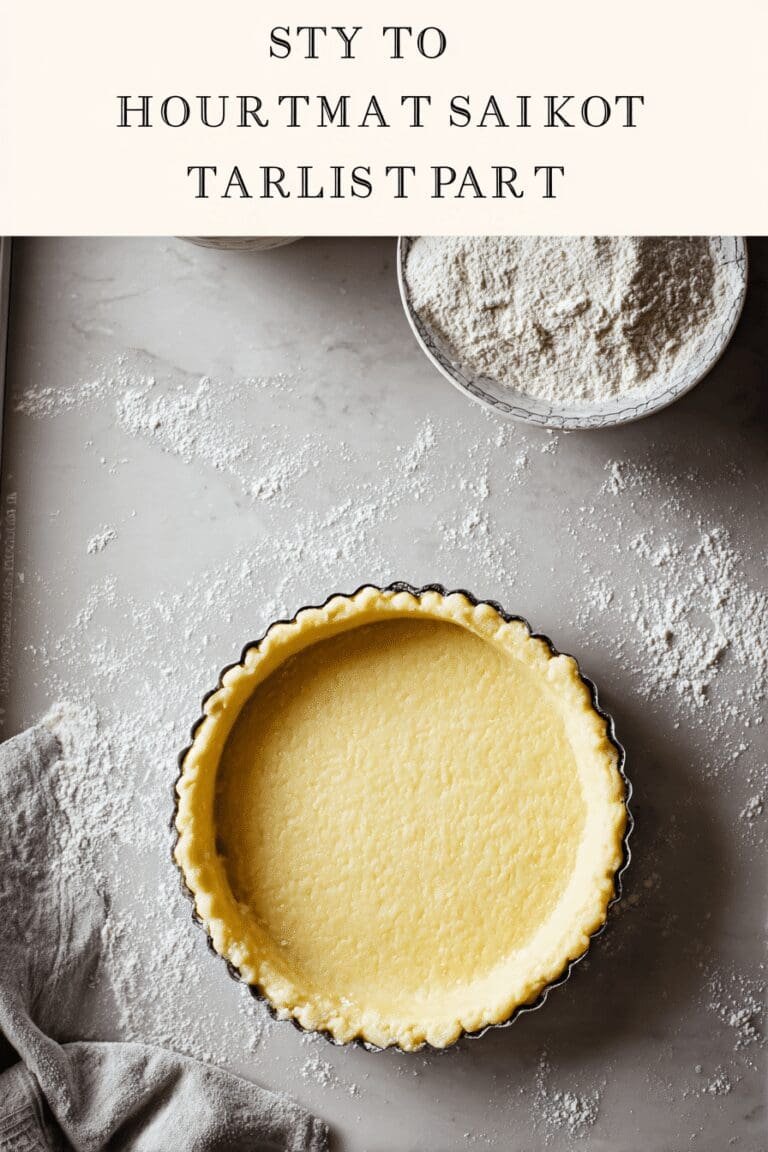
Shortcrust Pastry Tart Crust
🥧 Discover the delicate and rich flavor of the classic French Pâte Sucrée tart crust, perfect for all your sweet tart creations.
🍴 This recipe delivers a tender, buttery base that is easy to make and elevates any dessert with its perfect texture and sweetness.
- Total Time: 1 hour 15 minutes
- Yield: One 9-inch tart crust 1x
Ingredients
1 1/2 cups plain or all-purpose flour
6 1/2 tablespoons soft icing sugar, sifted
2 1/2 tablespoons almond meal or ground almonds
1/4 teaspoon salt
100 grams unsalted butter, softened and cut into 1 cm cubes
1 large egg at room temperature (55-60g)
Instructions
1-Before You Begin: Preparation Tips Success with shortcrust pastry tart crust starts with proper preparation. Ensure your ingredients are at the right temperatures before starting. For this recipe, your butter should be softened but not oily or melted just cool enough that you can make an indentation with your finger but still firm enough to hold its shape. Set up your workspace with all ingredients measured and ready to go. This method, called mise en place, prevents you from scrambling to measure components while working with the dough, which could lead to overworking it.
2-Mixing the Dough: The Critical Steps Begin by sifting together your dry ingredients flour, sifted icing sugar, almond meal, and salt in a bowl. This step ensures even distribution and prevents clumps of sugar in your shortcrust pastry tart crust. Add the cubed butter to the flour mixture. Using your fingertips, quickly rub the butter and dry ingredients together until the mixture resembles coarse breadcrumbs. Work quickly to prevent the butter from warming up too much. For more detailed techniques on working with pastry dough, check out this comprehensive guide to creating the perfect pastry base. The key to a flaky shortcrust pastry tart crust is leaving pea-sized pieces of butter rather than fully incorporating them. These butter pockets create steam during baking, resulting in those desirable flaky layers.
3-Forming and Chilling the Dough Make a well in the center of your flour-butter mixture and add the egg. Using a fork or your fingers, begin incorporating the egg into the dry ingredients until the dough starts to come together. If the dough seems too dry, you may add a teaspoon of water, but often the egg alone provides enough moisture. Gather the dough together and shape it into a flat disc rather than a ball. This shape helps the dough chill more evenly and makes it easier to roll out later. Wrap the disc tightly in plastic wrap and refrigerate for at least 30 minutes before rolling. This resting period allows the gluten to relax and the butter to firm up again crucial steps for a tender shortcrust pastry tart crust that won’t shrink during baking.
4-Rolling and Shaping the Tart Shell After the dough has chilled, remove it from the refrigerator and let it sit at room temperature for 5-10 minutes to soften slightly. This makes rolling easier and prevents cracking. Lightly flour your work surface and rolling pin. Begin rolling the dough from the center outward, rotating the dough occasionally to ensure even thickness and prevent sticking. Aim for a thickness of about 3mm (1/8 inch) and a circle large enough to fit your tart pan with some overhang. To transfer the rolled shortcrust pastry tart crust to your pan, you can either fold it gently into quarters and then unfold it in the pan or carefully roll it around your rolling pin and then unroll it over the pan. Once in the pan, gently press the dough into the bottom and up the sides without stretching it.
5-Final Touches Before Baking Trim any excess dough by running your rolling pin over the top edge of the tart pan. You can also use your fingers to create a decorative edge by gently pressing the dough between your thumb and forefinger at regular intervals. Prick the base of the tart shell all over with a fork to prevent air pockets from forming during baking. For blind baking (which we’ll cover in our FAQs), you’ll line the shell with parchment paper and fill with baking weights or dried beans. Chill the shaped shortcrust pastry tart crust in the refrigerator for another 15-20 minutes before baking. This final chilling prevents shrinkage and helps maintain the shape you’ve created. Your tart shell is now ready for baking according to your specific recipe requirements!
Last Step:
Please leave a rating and comment letting us know how you liked this recipe! This helps our business to thrive and continue providing free, high-quality recipes for you.Notes
🥄 Use chilled ingredients except the egg to maintain a tender crust.
❄️ Chill the dough thoroughly before rolling to prevent shrinking during baking.
🥧 Blind bake the crust with pie weights for a crisp base when using wet fillings.
- Prep Time: 10 minutes
- Chill time: 45 minutes
- Cook Time: 15-20 minutes (for blind baking)
- Category: Dessert
- Method: Baking
- Cuisine: French
- Diet: Vegetarian
Nutrition
- Serving Size: 1 slice (1/8 of tart)
- Calories: 190 kcal
- Sugar: 7 g
- Sodium: 55 mg
- Fat: 12 g
- Saturated Fat: 7 g
- Unsaturated Fat: 4 g
- Trans Fat: 0 g
- Carbohydrates: 19 g
- Fiber: 1 g
- Protein: 3 g
- Cholesterol: 55 mg