Why You’ll Love This White Sandwich Bread
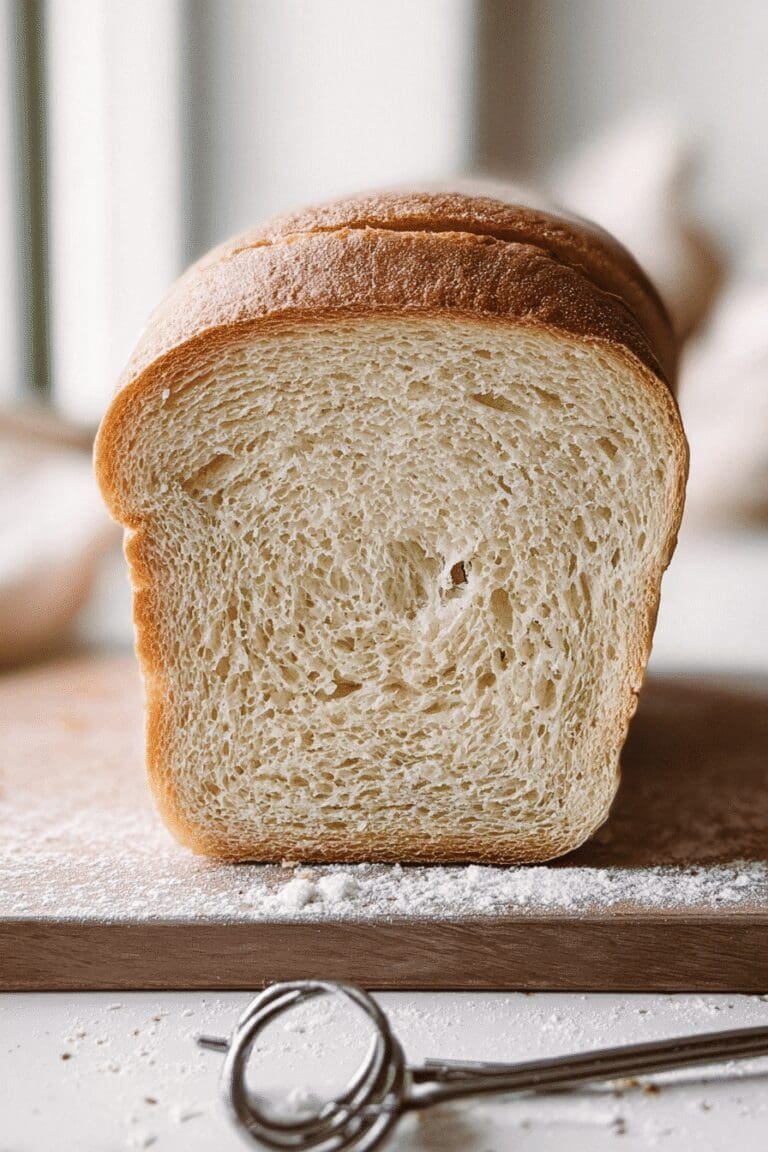
I’ve tested this recipe again and again, and I’m excited to share a soft, fluffy bread that always rises beautifully and tastes just like the one from your favorite bakery perfect for sandwiches or just slathered with butter. This white sandwich bread recipe is remarkably simple and quick, requiring minimal ingredients and straightforward steps that even beginners can follow. With an active prep time of just about 10 minutes, it’s perfect for busy schedules, delivering fresh bread in about three hours from start to finish.
The beauty of this homemade bread lies in its versatility. While it makes exceptional sandwiches, it’s equally delightful as toast for breakfast or as an accompaniment to your favorite meals. Unlike many store-bought varieties, this recipe creates a loaf with a subtly rich and soft texture with a hint of sweetness, ensuring it stands out whether used for sandwiches or toast.
Benefits of Homemade Bread
When you bake your own bread, you control exactly what goes into it. This recipe uses simple, wholesome ingredients without preservatives or artificial additives. Crafting bread at home can be both therapeutic and rewarding, filling your house with the irresistible aroma of freshly baked bread that will have everyone gathering in the kitchen.
“Nothing beats the satisfaction of pulling a freshly baked loaf of bread from the oven, knowing you created something delicious and wholesome from just a few basic ingredients.”
Jump to:
- Why You’ll Love This White Sandwich Bread
- Benefits of Homemade Bread
- Essential Ingredients for White Sandwich Bread
- Ingredient List
- Ingredient Spotlight
- Special Dietary Options
- How to Prepare the Perfect White Sandwich Bread: Step-by-Step Guide
- Preparation Overview
- Mixing the Dough
- Kneading and First Rise
- Shaping and Second Rise
- Baking and Cooling
- Mastering White Sandwich Bread: Advanced Tips and Variations
- Essential Baking Techniques
- Environmental Factors
- Recommended Tools
- Bread Variations
- How to Store White Sandwich Bread: Best Practices
- Room Temperature Storage
- Freezing for Longevity
- Reviving Stale Bread
- FAQs: Frequently Asked Questions About White Sandwich Bread
- What kind of flour is best for making soft white sandwich bread?
- How do I properly activate yeast for homemade sandwich bread?
- Can I replace butter with a vegan alternative in white sandwich bread recipes?
- What is the best way to store homemade white sandwich bread to keep it fresh?
- How long should I allow white sandwich bread dough to rise before baking?
- White Sandwich Bread
- Ingredients
- Instructions
- Last Step:
- Notes
- Nutrition
- Did you make this recipe?
Essential Ingredients for White Sandwich Bread
The secret to perfect white sandwich bread starts with quality ingredients. Each component plays a vital role in creating that soft, tender texture and delicious flavor that makes homemade bread so special.
Ingredient List
- 2 cups warm water (85-90°F)
- 1/2 cup granulated sugar (100g)
- 1½ tablespoons dry active yeast (16g)
- ¼ cup unsalted butter, melted (56g)
- 1 tablespoon kosher salt (20g)
- 6 cups unbleached all-purpose flour (875g)
Ingredient Spotlight
For soft white sandwich bread, unbleached all-purpose flour is recommended. It provides the right balance of protein and starch, which helps create a tender crumb and soft texture. Avoid using bread flour as it has more gluten, resulting in a denser loaf, and bleached flour may affect the flavor and texture negatively.
The warm water activates the yeast, while the sugar feeds the yeast to help it grow. The butter adds richness and moisture to the bread, creating that soft, tender texture we all love in sandwich bread. Salt not only enhances flavor but also strengthens the gluten structure and helps control the yeast activity.
Special Dietary Options
For those with dietary restrictions, the only recommended substitution is using a plant-based oil instead of melted unsalted butter for a vegan version. This maintains the moisture and richness while making the recipe appropriate for plant-based diets. Avoid other substitutions to preserve the texture and flavor that makes this bread exceptional.
How to Prepare the Perfect White Sandwich Bread: Step-by-Step Guide
Following these detailed steps will help you achieve bakery-quality white sandwich bread right in your own kitchen. I’ve broken down the process into manageable parts to ensure success even for first-time bread makers.
Preparation Overview
Before we dive in, here’s what you can expect in terms of time:
- Active prep: about 10 minutes
- First rise: 1 hour
- Second rise: 45 to 60 minutes
- Bake time: 25-30 minutes
- Total time: roughly 3 hours from start to finish
Mixing the Dough
- In a bowl fitted with a dough hook, combine the warm water (85-90°F), dry active yeast, and granulated sugar. Whisk together and let it rest for 3-5 minutes to allow the yeast to bloom. You should see the mixture become foamy, which indicates your yeast is active and ready to work its magic. For detailed instructions on how to proof yeast properly, check out this helpful guide.
- Add the melted unsalted butter and kosher salt, then whisk to combine.
- Gradually mix in the unbleached all-purpose flour, one cup at a time. Knead with the dough hook for 3-4 minutes until the dough is slightly shaggy.
Kneading and First Rise
- Transfer the dough to a clean surface and knead for 1-2 minutes until smooth. Place the dough in a lightly oiled bowl, cover it, and let it rise at room temperature until doubled in size, about 1 hour.
Shaping and Second Rise
- Preheat the oven to 375°F. Lightly spray or brush two 9×4 loaf pans with oil. Divide the dough into two equal pieces on a floured surface, shape each into a 9-inch log with the seam side down, and place them in the pans.
- Cover the pans and let the dough rise again for 45-60 minutes until it rises about ½ inch above the rim of the pans.
Baking and Cooling
- Bake for 25-30 minutes, rotating the pans halfway through, until the loaves are tall and golden brown. Allow them to cool slightly before removing from the pans, then cool completely on a wire rack. Slice and serve.
| Stage | What to Look For | Problem Signs |
|---|---|---|
| Yeast Blooming | Frothy, bubbly surface | No activity, dead yeast |
| First Rise | Doubled in size, light and airy | Slow rise, dense texture |
| Second Rise | ½ inch above pan rim | Not rising enough |
| Fully Baked | Golden brown, hollow sound when tapped | Pale color, gummy texture |
Mastering White Sandwich Bread: Advanced Tips and Variations
Once you’ve mastered the basic recipe, you might want to experiment with some advanced techniques and variations. These tips will help you take your white sandwich bread to the next level and customize it to your taste preferences.
Essential Baking Techniques
The temperature of your ingredients matters significantly. Water between 85-90°F creates the ideal environment for yeast activation. Too hot, and you’ll kill the yeast; too cold, and the yeast won’t activate properly. Always test your water temperature with a thermometer for best results.
Test yeast freshness by mixing ½ teaspoon yeast in 1 cup warm water; it should bubble and foam in 5-7 minutes. If not, use fresh yeast. Store yeast in an airtight container in the fridge for longevity, as proper storage extends yeast life significantly.
Environmental Factors
Weather conditions affect bread making. In warm, humid environments, dough rises faster; use a warm spot, such as an oven preheated to 350°F for 1 minute and then turned off, to proof the dough. Air conditioning can slow rising, so find a warm, draft-free spot in your kitchen for the best results.
Use timers to track rising times. While the recipe provides guidelines, environmental factors can affect proofing times. Trust your eyes and judgment more than the clock when determining if your dough has risen sufficiently.
Recommended Tools
Having the right equipment makes baking easier and more enjoyable. Useful tools include a dough hook for mixing, a bench scraper for shaping and cleaning, quality loaf pans, and reusable covers for the dough. A kitchen scale is also valuable for precise measurements, especially for flour.
Bread Variations
This recipe can serve as a base for variations, such as adding ingredients for cinnamon raisin bread after the dough is prepared. Other popular variations include:
- Herb bread: Add 2 tablespoons of dried herbs like rosemary, thyme, or oregano
- Cheese bread: Fold in 1 cup of shredded cheddar or mozzarella cheese
- Whole wheat blend: Replace 2 cups of white flour with whole wheat flour for added nutrition
How to Store White Sandwich Bread: Best Practices
Proper storage is key to maintaining the freshness and quality of your homemade white sandwich bread. Follow these guidelines to keep your bread tasting wonderful for as long as possible.
Room Temperature Storage
Store your freshly baked white sandwich bread at room temperature in an airtight container or plastic bag for up to 3 days. This method preserves the soft, tender texture that makes this bread so special. Avoid storing bread in the refrigerator, as this can cause it to dry out and become stale faster.
Freezing for Longevity
For longer storage, slice and freeze the bread for up to one month. To use, toast the slices directly from the freezer without thawing. This method is incredibly convenient for quick breakfasts or sandwiches. Wrap the bread tightly in plastic wrap and then place it in a freezer bag to prevent freezer burn.
“Freezing pre-sliced bread is a game-changer for busy mornings. Just pop a frozen slice directly into the toaster for fresh-tasting bread in minutes!”
Reviving Stale Bread
If your bread has become slightly stale, don’t throw it away! You can revive it by sprinkling with water and warming in a 350°F oven for 5-10 minutes. This will help restore some of the moisture and freshness. Alternatively, stale bread makes excellent croutons, bread pudding, or breadcrumbs.

FAQs: Frequently Asked Questions About White Sandwich Bread
What kind of flour is best for making soft white sandwich bread?
For soft white sandwich bread, unbleached all-purpose flour is recommended. It provides the right balance of protein and starch, which helps create a tender crumb and soft texture. Avoid using bread flour as it has more gluten, resulting in a denser loaf, and bleached flour may affect the flavor and texture negatively.
How do I properly activate yeast for homemade sandwich bread?
To activate dry active yeast, dissolve it in warm water between 85-90°F (29-32°C) along with a small amount of sugar. Let it rest for 5 to 10 minutes until the mixture becomes bubbly and frothy. This indicates the yeast is alive and ready to help the dough rise effectively.
Can I replace butter with a vegan alternative in white sandwich bread recipes?
Yes, melted butter can be substituted with plant-based oils such as avocado oil or vegetable oil to make the recipe vegan-friendly. These oils provide moisture and richness similar to butter, but avoid olive oil as its strong flavor can alter the bread’s taste.
What is the best way to store homemade white sandwich bread to keep it fresh?
Store freshly baked white sandwich bread at room temperature in an airtight container or plastic bag for up to 3 days to maintain softness. For longer storage, slice and freeze the bread for up to one month. To use, toast the slices directly from the freezer without thawing.
How long should I allow white sandwich bread dough to rise before baking?
After mixing, the dough should rise at room temperature for about 1 hour until it doubles in size. Once shaped and placed in the loaf pan, allow a second rise for 45 to 60 minutes, or until the dough is half an inch above the pan’s rim. This ensures a light, airy loaf.
White Sandwich Bread
🍞 Perfect Soft Sandwich Bread delivers tender, fluffy loaves ideal for sandwiches or toast.
🌟 This recipe yields beautifully golden crusts with a soft crumb that stays fresh for days.
- Total Time: 3 hours
- Yield: 2 loaves
Ingredients
– 2 cups warm water (85-90°F)
– 1/2 cup granulated sugar (100g)
– 1½ tablespoons dry active yeast (16g)
– ¼ cup unsalted butter, melted (56g)
– 1 tablespoon kosher salt (20g)
– 6 cups unbleached all-purpose flour (875g)
Instructions
1-In a bowl fitted with a dough hook, combine the warm water (85-90°F), dry active yeast, and granulated sugar. Whisk together and let it rest for 3-5 minutes to allow the yeast to bloom. You should see the mixture become foamy, which indicates your yeast is active and ready to work its magic. For detailed instructions on how to proof yeast properly, check out this helpful guide.
2-Add the melted unsalted butter and kosher salt, then whisk to combine.
3-Gradually mix in the unbleached all-purpose flour, one cup at a time. Knead with the dough hook for 3-4 minutes until the dough is slightly shaggy.
4-Transfer the dough to a clean surface and knead for 1-2 minutes until smooth. Place the dough in a lightly oiled bowl, cover it, and let it rise at room temperature until doubled in size, about 1 hour.
5-Preheat the oven to 375°F. Lightly spray or brush two 9×4 loaf pans with oil. Divide the dough into two equal pieces on a floured surface, shape each into a 9-inch log with the seam side down, and place them in the pans.
6-Cover the pans and let the dough rise again for 45-60 minutes until it rises about ½ inch above the rim of the pans.
7-Bake for 25-30 minutes, rotating the pans halfway through, until the loaves are tall and golden brown. Allow them to cool slightly before removing from the pans, then cool completely on a wire rack. Slice and serve.
Last Step:
Please leave a rating and comment letting us know how you liked this recipe! This helps our business to thrive and continue providing free, high-quality recipes for you.Notes
🧪 Test yeast freshness before use by mixing a small amount in warm water; it should bubble within 5-7 minutes.
🌡️ Use a warm, draft-free spot for dough rising or an oven briefly preheated to 350°F then turned off.
🔧 Use a dough hook for mixing and a bench scraper for shaping to make the process easier and cleaner.
- Prep Time: 10 minutes
- Rising time: 1 hour + 45-60 minutes
- Cook Time: 25-30 minutes
- Category: Bread
- Method: Baking
- Cuisine: American
- Diet: Vegetarian (can be made vegan by substituting butter with plant-based oil)
Nutrition
- Serving Size: 1 slice