Why You’ll Love This Yeast Doughnuts
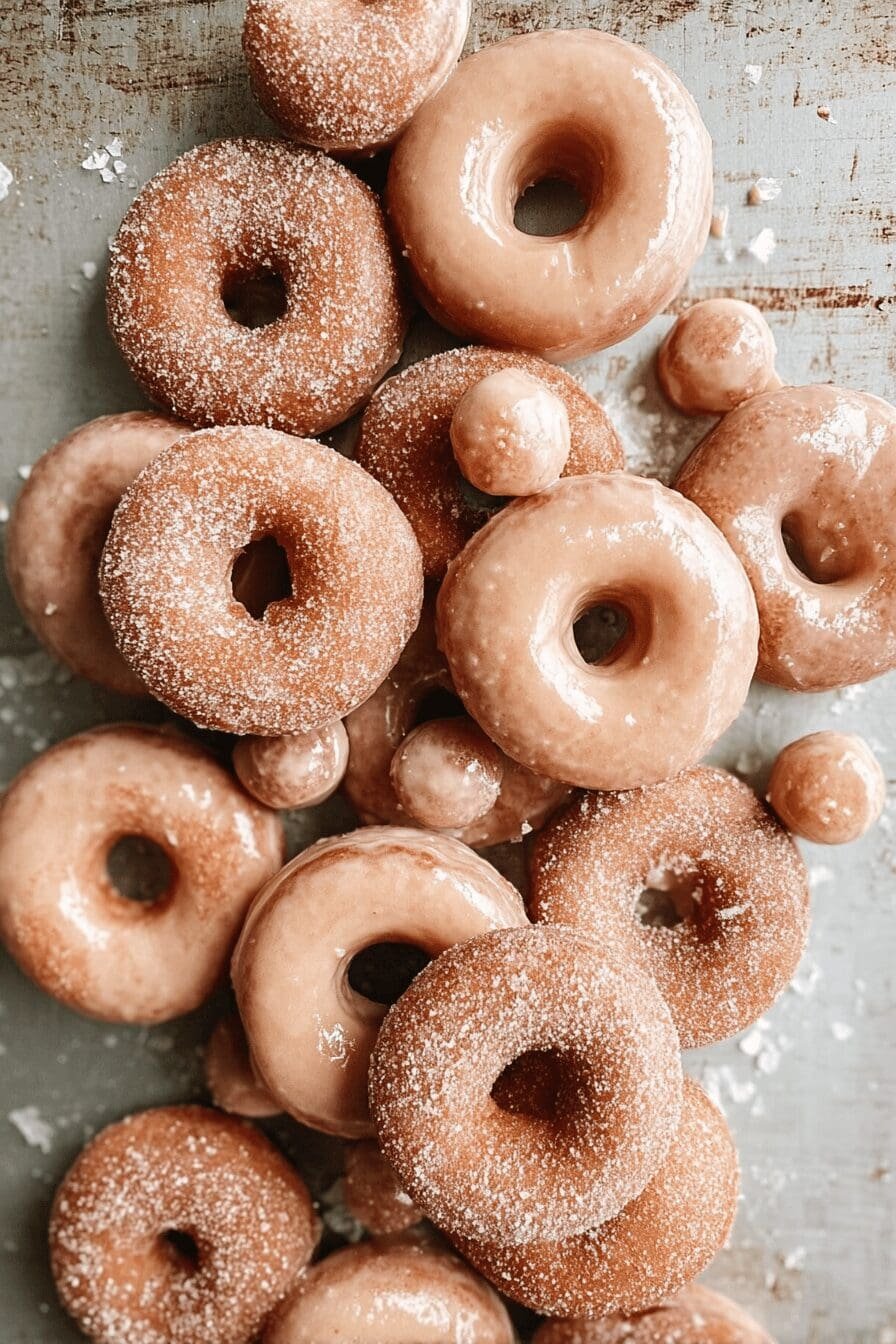
There’s nothing quite like the experience of biting into a freshly made yeast doughnut the soft, airy interior perfectly complemented by a sweet glaze coating. When I first tried this recipe, I was amazed at how these simple ingredients could transform into such heavenly treats that have my family begging for more every weekend.
What makes these yeast doughnuts special is their perfect balance of texture and flavor. The fermentation process creates an incredibly light and tender crumb that simply melts in your mouth, while the rich vanilla-infused glaze adds just the right amount of sweetness without being overwhelming.
This yeast doughnut recipe offers several advantages that make it a standout:
- Ease of preparation: While yeast doughnuts might seem intimidating, this recipe breaks down the process into manageable steps. The dough rises reliably, and with just about 2 hours of preparation time, you’ll have bakery-quality treats in your own kitchen.
- Quality ingredients: Made with wholesome basics like flour, milk, butter, and eggs, these doughnuts are a real food alternative to store-bought versions filled with preservatives.
- Versatility: This doughnut recipe adapts beautifully to various dietary preferences and flavor combinations, making it perfect for customizing to your family’s tastes.
- Distinctive flavor: The yeast fermentation develops complex flavors that you simply cannot achieve with cake doughnuts, giving each bite that characteristic slightly tangy, sweet profile that makes yeast doughnuts so irresistible.
Whether you’re celebrating a special occasion or simply treating yourself on Sunday morning, these yeast doughnuts will quickly become a cherished recipe in your baking repertoire. These yeast doughnuts pair wonderfully with a warm cup of our artisanal coffee for the perfect weekend breakfast.
Jump to:
- Why You’ll Love This Yeast Doughnuts
- Essential Ingredients for Yeast Doughnuts
- Ingredients for the Dough
- Ingredients for the Glaze
- Understanding Your Ingredients
- How to Prepare the Perfect Yeast Doughnuts: Step-by-Step Guide
- Preparing the Yeast Dough
- Shaping and Second Rise
- Frying Techniques for Perfect Doughnuts
- Glazing Your Doughnuts
- Dietary Substitutions to Customize Your Yeast Doughnuts
- Plant-Based Alternatives
- Gluten-Free Modifications
- Lower-Calorie Options
- Flavor Variations
- Mastering Yeast Doughnuts: Advanced Tips and Variations
- Pro Cooking Techniques
- Flavor Variations
- Presentation Tips
- Make-Ahead Options
- How to Store Yeast Doughnuts: Best Practices
- Room Temperature Storage
- Refrigeration and Freezing
- Reheating Frozen Doughnuts
- FAQs: Frequently Asked Questions About Yeast Doughnuts
- What kind of yeast works best for making yeast doughnuts?
- How do I know when my yeast dough has risen enough before frying doughnuts?
- What oil should I use for frying yeast doughnuts, and what temperature is best?
- Why do my yeast doughnuts sometimes turn out greasy or oily?
- What are common mistakes to avoid when making yeast doughnuts at home?
- Yeast Doughnuts
- Ingredients
- Instructions
- Last Step:
- Notes
- Nutrition
- Did you make this recipe?
Essential Ingredients for Yeast Doughnuts
The magic of homemade yeast doughnuts starts with quality ingredients. Each component plays a crucial role in creating that perfect texture and flavor we all crave in a great doughnut. Here’s everything you’ll need to make these delightful treats:
Ingredients for the Dough
- ½ cup warm water (110℉)
- ½ teaspoon granulated white sugar
- 1 tablespoon active dry yeast
- ⅓ cup granulated white sugar
- 1 cup warm milk (110℉), whole milk preferred
- 6 tablespoons salted butter, melted
- 2 eggs
- 1 teaspoon vanilla extract
- ¾ teaspoon salt
- 5 cups all-purpose flour
- 2 liters neutral-flavored oil for frying (such as sunflower, canola, or peanut oil)
Ingredients for the Glaze
- ¾ cup granulated white sugar
- ¾ cup milk
- ¼ cup salted butter
- Pinch of salt
- 2 teaspoons vanilla extract
- 3 cups powdered sugar
Understanding Your Ingredients
The right ingredients make all the difference when creating perfect yeast doughnuts. Active dry yeast is the star player here when properly activated in warm water around 110°F, it creates carbon dioxide bubbles that make your doughnuts light and airy. If your yeast mixture doesn’t become bubbly and frothy during proofing, you’ll need to start over with fresh yeast.
All-purpose flour provides the structure while butter adds richness and tenderness. The eggs help bind everything together and contribute to the dough’s soft texture. For frying, neutral-flavored oils with high smoke points like sunflower, canola, or peanut oil work best, as they won’t interfere with the doughnuts’ natural flavor.
Pro tip: Use whole milk for the richest flavor, though 2% will also work well. The fat content in whole milk contributes to a more luxurious texture in your finished doughnuts.
How to Prepare the Perfect Yeast Doughnuts: Step-by-Step Guide
Making yeast doughnuts from scratch might seem like a challenge, but with this detailed guide, you’ll be enjoying homemade doughnuts in no time. The process takes approximately 2 hours and 5 minutes from start to finish, but most of that is hands-off rising time.
Preparing the Yeast Dough
- In a small bowl, combine ½ cup warm water (110℉), ½ teaspoon granulated white sugar, and 1 tablespoon active dry yeast. Let it sit for 10 minutes until it becomes bubbly and frothy. This step is crucial if the mixture doesn’t foam, your yeast may not be active.
- In a stand mixer bowl, whisk together ⅓ cup granulated white sugar, 1 cup warm milk (110℉), 6 tablespoons melted salted butter, 2 eggs, 1 teaspoon vanilla extract, and ¾ teaspoon salt. Add the frothy yeast mixture.
- Using a dough hook, mix on low speed while adding 5 cups all-purpose flour one cup at a time until fully incorporated.
- Increase to medium-low speed and knead for about 10 minutes until the dough is smooth, soft, and slightly tacky. Form the dough into a ball, place it in a well-oiled bowl (also oil the top of the dough), cover, and let it rise in a warm place for 1 hour or until doubled in size.
Shaping and Second Rise
- Punch down the dough, transfer to a floured surface, and roll it out to ½ inch thickness. Cut out doughnuts using a doughnut cutter or two cookie cutters (approximately 2½ inches and 1 inch in diameter).
- Place the doughnuts on parchment-lined baking sheets dusted with flour, cover, and let them rise for 30 minutes. This second rise is essential for light, airy doughnuts.
Frying Techniques for Perfect Doughnuts
- Heat 2 liters of neutral-flavored oil to 350°F in a large Dutch oven or heavy pot, filling it about 3 inches deep. Maintaining the right temperature is key if the oil is too cool, doughnuts will absorb excess oil and become greasy.
- Fry the doughnuts in batches without overcrowding, cooking each side until golden brown and flipping carefully. This takes just about 1 minute per side.
- Remove the doughnuts to paper towel-lined plates to drain excess oil.
The secret to non-greasy doughnuts is maintaining consistent oil temperature. Use a candy or deep-fry thermometer to monitor don’t guess! The perfect temperature range is 350-375°F. If you’re interested in more details about fry oil selection, check out this helpful discussion on the best oils for frying doughnuts.
Glazing Your Doughnuts
- For the glaze, boil ¾ cup granulated white sugar, ¾ cup milk, ¼ cup salted butter, and a pinch of salt for 2 minutes while whisking; remove from heat and stir in 2 teaspoons vanilla extract. Gradually whisk in 3 cups powdered sugar until smooth.
- Dip the hot doughnuts into the glaze, flipping to coat both sides, then place on a wire rack with a parchment-lined tray underneath to catch drips.
- Repeat the frying and glazing process for doughnut holes or any remaining doughnuts.
Glazing the doughnuts while they’re still hot ensures the best adhesion and coverage. Set up adequate space on racks with trays underneath to catch dripping glaze for easier cleanup.

Dietary Substitutions to Customize Your Yeast Doughnuts
One of the best things about this yeast doughnut recipe is how easily it adapts to different dietary needs and preferences. With a few simple substitutions, you can create doughnuts that everyone can enjoy, regardless of dietary restrictions.
Plant-Based Alternatives
For those following a vegan lifestyle, you can make excellent plant-based yeast doughnuts with these substitutions:
- Replace the butter with melted coconut oil or a high-quality plant-based butter alternative
- Use flax eggs (1 tablespoon ground flaxseed + 3 tablespoons water per egg) instead of regular eggs
- Choose plant-based milk such as almond, soy, or oat milk
- Opt for organic granulated sugar, as some refined sugar uses bone char in processing
Gluten-Free Modifications
Creating gluten-free yeast doughnuts requires a bit more finesse, but it’s absolutely possible:
- Use a high-quality gluten-free all-purpose flour blend that contains xanthan gum
- If your blend doesn’t include xanthan gum, add 1 teaspoon per cup of flour to mimic the binding properties of gluten
- Be prepared to adjust the liquid content, as gluten-free flours often absorb more moisture
- The dough will feel different more fragile and less elastic so handle it gently
Lower-Calorie Options
If you’re looking to enjoy yeast doughnuts with fewer calories, consider these modifications:
- Use skim milk instead of whole milk to reduce fat content
- Substitute the glaze with a light dusting of powdered sugar
- Consider baking the doughnuts at 350°F for 12-15 minutes instead of frying
- When baking, brush the doughnuts lightly with oil rather than submerging them
Flavor Variations
Once you master the basic recipe, try these creative variations:
- Add 1 teaspoon of cinnamon or nutmeg to the dough for spiced doughnuts
- Incorporate citrus zest (lemon or orange) into either the dough or glaze for brightness
- For chocolate doughnuts, add ½ cup cocoa powder to the dry ingredients
- Create filled doughnuts by piping jam, custard, or cream into cooled doughnuts
Mastering Yeast Doughnuts: Advanced Tips and Variations
Once you’ve made a few batches of these delicious yeast doughnuts, you might want to take your skills to the next level. These professional tips and creative variations will help you achieve bakery-quality results right in your home kitchen.
Pro Cooking Techniques
The difference between good doughnuts and exceptional ones often comes down to technique. Here are the professional secrets to achieving perfect results every time:
- Temperature control: Maintain consistent oil temperature between 350-375°F using a reliable thermometer. When doughnuts are added, the oil temperature will drop, so adjust the heat to maintain this range.
- Proper fermentation: Don’t rush the rising process. A well-fermented dough develops better flavor and texture. If your kitchen is cool, find a warm spot like an oven with the light on or near a radiator.
- Handling sticky dough: Resist the temptation to add too much flour when kneading. A slightly sticky dough produces more tender doughnuts. Use lightly oiled hands instead of adding extra flour.
- Frying method: Fry only 3-4 doughnuts at a time to avoid overcrowding. This maintains oil temperature and ensures even cooking. Use a spider strainer or slotted spoon for easier handling.
Flavor Variations
The versatility of yeast doughnuts means you can create endless flavor combinations:
- Extract additions: While vanilla is classic, try adding almond, lemon, or coconut extracts for different flavor profiles.
- Spiced doughnuts: Incorporate warm spices like cinnamon, nutmeg, cardamom, or pumpkin spice into the dough.
- Filled doughnuts: After cooling, use a piping bag to fill doughnuts with jam, pastry cream, lemon curd, or chocolate ganache.
- Topping ideas: Beyond the classic glaze, try candied bacon, crushed nuts, sprinkles, coconut flakes, or crushed cookies as toppings.
Presentation Tips
How you present your doughnuts can elevate them from homemade treats to elegant desserts:
- For professional-looking glazing, dip the doughnut halfway in and let the glaze drip naturally for a marbled look.
- Arrange doughnuts on a tiered stand for parties or special occasions.
- Create contrasting colors by adding natural food coloring to your glaze.
- One batch can be decorated in multiple ways for visual variety a platter with different looks is more appealing.
For a complete brunch menu, try serving these doughnuts alongside our freshly squeezed orange juice to brighten up your morning meal planning ahead? You can prepare the dough a day in advance. After the first rise, punch it down, cover tightly, and refrigerate overnight. The next day, let it sit at room temperature for 30 minutes before proceeding with shaping and the second rise. This actually improves the flavor development!
Make-Ahead Options
Yeast doughnuts are best fresh, but you can prepare in advance with these strategies:
- Par-fry doughnuts for just 30 seconds per side, cool completely, and freeze. When ready to serve, thaw and finish frying until golden brown.
- Cooked doughnuts can be frozen unglazed for up to a month. Reheat in a 300°F oven for 5 minutes before glazing.
- The glaze can be made ahead and refrigerated for up to a week. Gently reheat on the stove or in microwave before using.
How to Store Yeast Doughnuts: Best Practices
While yeast doughnuts are undoubtedly best enjoyed fresh from the fryer, sometimes you need to store them for later. Follow these guidelines to maintain freshness as long as possible:
Room Temperature Storage
For short-term storage (up to 2 days), place cooled doughnuts in an airtight container or sealable bag. Keep them in a cool, dry place away from direct sunlight. If you’ve glazed the doughnuts, you might notice some moisture buildup in the container, which is normal. To minimize this, place a paper towel in the container to absorb excess moisture.
Refrigeration and Freezing
Refrigeration isn’t generally recommended for yeast doughnuts, as the cold environment can dry them out and make them stale more quickly. However, if you must refrigerate due to warm weather or filled doughnuts with perishable ingredients, consume them within 24 hours.
For longer storage, freezing is your best option:
- Freeze doughnuts before glazing for best results
- Wrap each doughnut individually in plastic wrap or waxed paper
- Place wrapped doughnuts in freezer-safe bags or containers
- Label with the date and freeze for up to 2 months
Reheating Frozen Doughnuts
To bring frozen doughnuts back to life:
- Let thaw at room temperature for about 1 hour
- For warm doughnuts, place in a 300°F oven for 5-7 minutes
- Alternatively, microwave for 10-15 seconds, but be careful not to overheat
- Apply fresh glaze after reheating for best taste and appearance
Proper meal prep can extend the enjoyment of these treats. When making multiple batches, cool doughnuts completely before storing to prevent condensation, which would make them soggy.
FAQs: Frequently Asked Questions About Yeast Doughnuts
What kind of yeast works best for making yeast doughnuts?
Active dry yeast is commonly used for yeast doughnuts because it activates well when bloomed in warm water mixed with a little sugar. This helps create the light, airy texture yeast doughnuts are known for. Make sure the water is around 105°F to 110°F to avoid killing the yeast. Instant yeast can also be used but is typically added directly to the flour without proofing.
How do I know when my yeast dough has risen enough before frying doughnuts?
The dough should at least double in size, which usually takes about 1 hour at room temperature. After shaping the doughnuts, allow them to rise again for around 30 minutes until they look puffy. This second rise ensures a soft interior and helps prevent dense donuts.
What oil should I use for frying yeast doughnuts, and what temperature is best?
Oils with high smoke points such as sunflower oil, canola oil, or peanut oil are ideal because they handle the frying temperature well without burning. Heat the oil to about 350°F (175°C) before frying; this temperature helps cook the doughnuts evenly while preventing excessive oil absorption.
Why do my yeast doughnuts sometimes turn out greasy or oily?
Greasy doughnuts usually mean the oil temperature was too low during frying. If the oil is cooler than 350°F, doughnuts will absorb more oil instead of forming a crisp outer layer. Use a thermometer to keep a consistent frying temperature and avoid overcrowding the pan, which can also lower the oil temperature.
What are common mistakes to avoid when making yeast doughnuts at home?
Avoid adding too much flour during kneading; dough should be soft and slightly sticky to keep doughnuts tender. Also, don’t rush the rising time, as insufficient proofing results in dense doughnuts. Make sure the oil is at the right temperature to prevent greasy or undercooked doughnuts, and always bloom your yeast to check its activity before starting.
Yeast Doughnuts
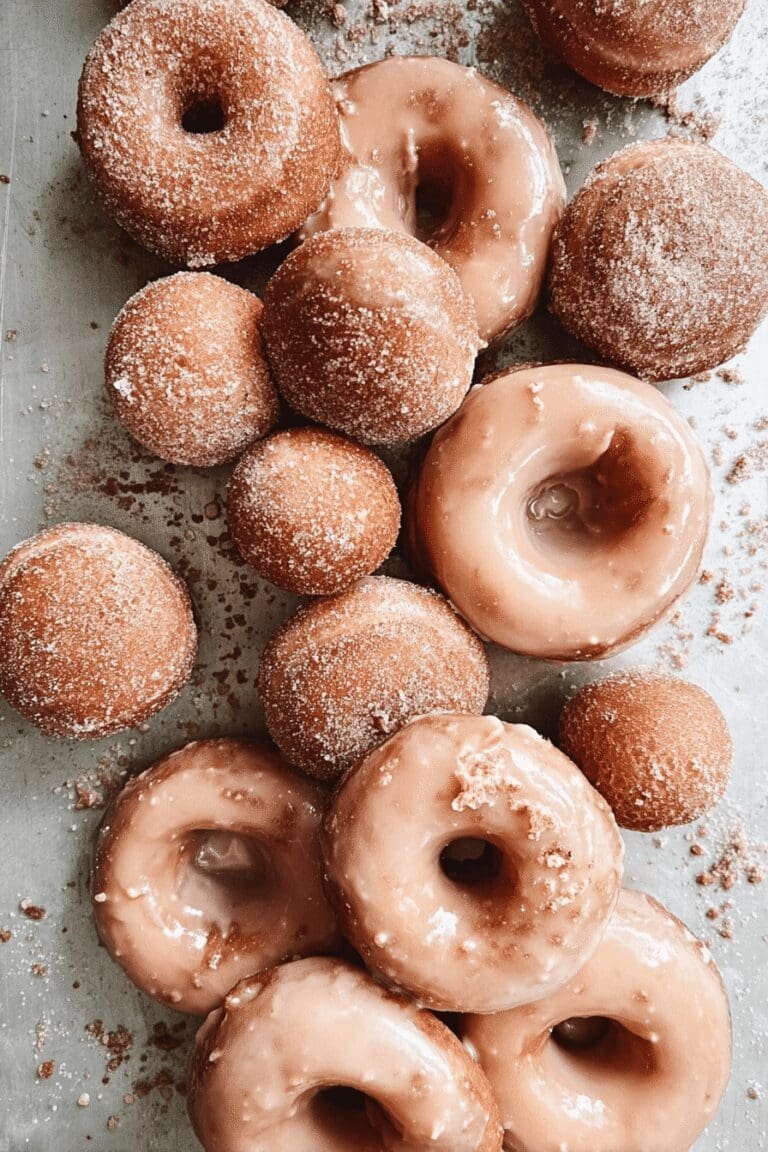
🍩 Glazed Yeast Doughnuts Recipe offers soft, fluffy doughnuts with a sweet glaze that melts delightfully in your mouth.
🔥 Perfect for homemade indulgence, these doughnuts provide a classic treat that’s crispy outside and tender inside.
- Total Time: 2 hours 5 minutes
Ingredients
– ½ cup warm water (110℉)
– ½ teaspoon granulated white sugar
– 1 tablespoon active dry yeast
– ⅓ cup granulated white sugar
– 1 cup warm milk (110℉), whole milk preferred
– 6 tablespoons salted butter, melted
– 2 eggs
– 1 teaspoon vanilla extract
– ¾ teaspoon salt
– 5 cups all-purpose flour
– 2 liters neutral-flavored oil for frying (such as sunflower, canola, or peanut oil)
– ¾ cup granulated white sugar
– ¾ cup milk
– ¼ cup salted butter
– Pinch of salt
– 2 teaspoons vanilla extract
– 3 cups powdered sugar
Instructions
1-In a small bowl, combine ½ cup warm water (110℉), ½ teaspoon granulated white sugar, and 1 tablespoon active dry yeast. Let it sit for 10 minutes until it becomes bubbly and frothy. This step is crucial if the mixture doesn’t foam, your yeast may not be active.
2-In a stand mixer bowl, whisk together ⅓ cup granulated white sugar, 1 cup warm milk (110℉), 6 tablespoons melted salted butter, 2 eggs, 1 teaspoon vanilla extract, and ¾ teaspoon salt. Add the frothy yeast mixture.
3-Using a dough hook, mix on low speed while adding 5 cups all-purpose flour one cup at a time until fully incorporated.
4-Increase to medium-low speed and knead for about 10 minutes until the dough is smooth, soft, and slightly tacky. Form the dough into a ball, place it in a well-oiled bowl (also oil the top of the dough), cover, and let it rise in a warm place for 1 hour or until doubled in size.
5-Punch down the dough, transfer to a floured surface, and roll it out to ½ inch thickness. Cut out doughnuts using a doughnut cutter or two cookie cutters (approximately 2½ inches and 1 inch in diameter).
6-Place the doughnuts on parchment-lined baking sheets dusted with flour, cover, and let them rise for 30 minutes. This second rise is essential for light, airy doughnuts.
7-Heat 2 liters of neutral-flavored oil to 350°F in a large Dutch oven or heavy pot, filling it about 3 inches deep. Maintaining the right temperature is key if the oil is too cool, doughnuts will absorb excess oil and become greasy.
8-Fry the doughnuts in batches without overcrowding, cooking each side until golden brown and flipping carefully. This takes just about 1 minute per side.
9-Remove the doughnuts to paper towel-lined plates to drain excess oil.
10-For the glaze, boil ¾ cup granulated white sugar, ¾ cup milk, ¼ cup salted butter, and a pinch of salt for 2 minutes while whisking; remove from heat and stir in 2 teaspoons vanilla extract. Gradually whisk in 3 cups powdered sugar until smooth.
11-Dip the hot doughnuts into the glaze, flipping to coat both sides, then place on a wire rack with a parchment-lined tray underneath to catch drips.
12-Repeat the frying and glazing process for doughnut holes or any remaining doughnuts.
Last Step:
Please leave a rating and comment letting us know how you liked this recipe! This helps our business to thrive and continue providing free, high-quality recipes for you.Notes
🧪 Ensure yeast bubbles during proofing; fresh yeast is needed if not.
🌻 Use high smoke point oils like sunflower, canola, or peanut for frying.
🍞 Add flour gradually if dough is sticky to avoid toughness.
- Prep Time: 2 hours
- Rising and resting time: 1 hour 30 minutes
- Cook Time: 5 minutes
- Category: Dessert
- Method: Frying
- Cuisine: American
Nutrition
- Calories: 165 kcal per 2 doughnuts
- Sugar: 17 g
- Sodium: 82 mg
- Fat: 10 g
- Saturated Fat: 2 g
- Trans Fat: 0.1 g
- Carbohydrates: 30 g
- Fiber: 0.5 g
- Protein: 3 g
- Cholesterol: 19 mg