Why You’ll Love This Milk Buns Recipe
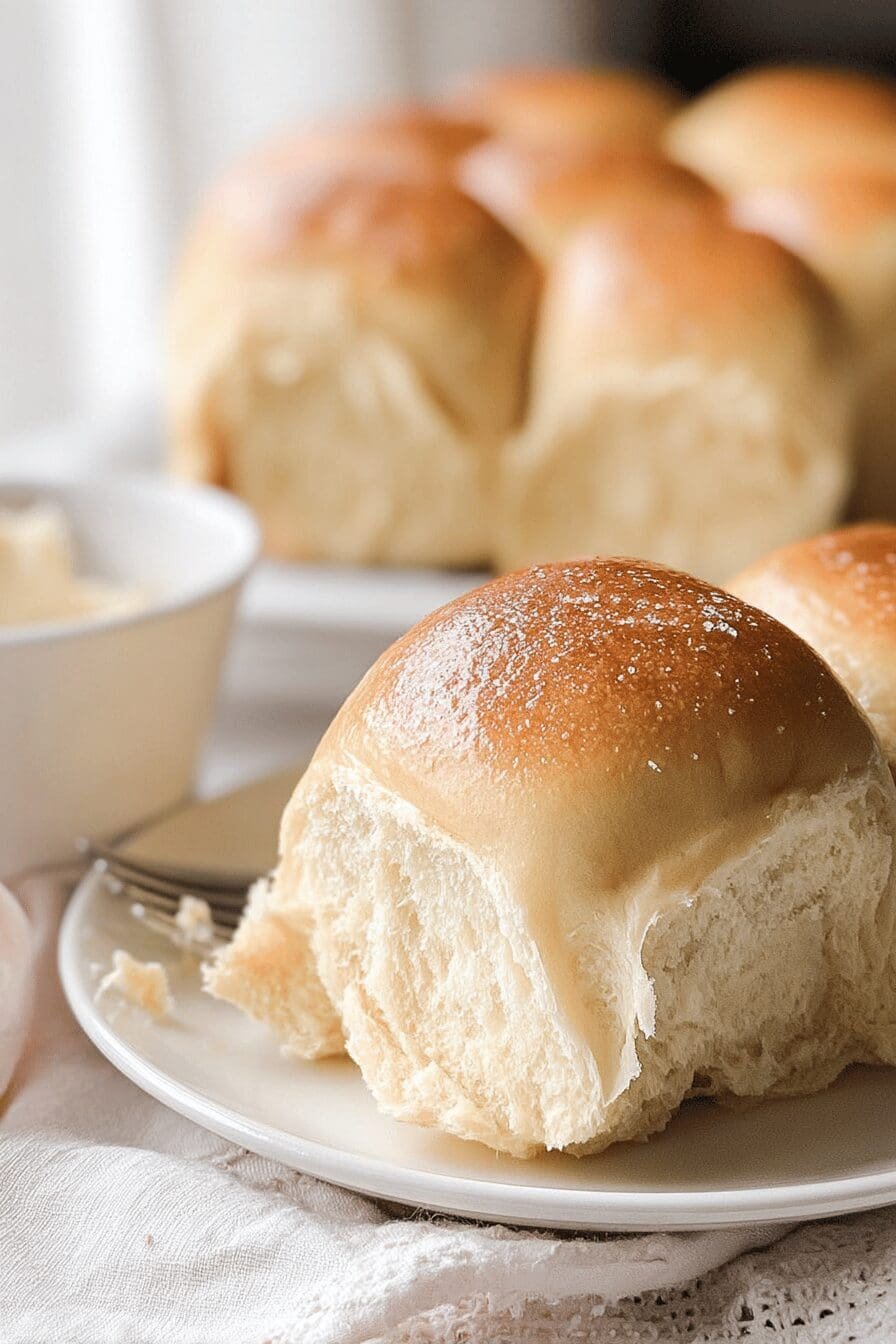
There’s something incredibly comforting about homemade bread, and these milk buns take that comfort to a whole new level. Combining a pillowy soft texture with a rich, buttery flavor, these buns are perfect for everything from breakfast sandwiches to dinner rolls. What makes this recipe truly special is the tangzhong method, a Japanese technique that creates exceptionally soft and tender buns that stay fresh longer than traditional bread recipes.
The ease of preparation makes this recipe accessible even to baking novices. While the process requires some patience for proofing, the hands-on time is minimal, and the ingredients are pantry staples. You’ll appreciate how the dough comes together smoothly in your mixer or by hand, rising beautifully to create light, airy buns that will impress family and friends.
From a health perspective, these milk buns offer a balanced combination of carbohydrates and proteins. Using whole milk provides calcium and vitamin D, while the eggs add protein and essential nutrients. For those with specific dietary needs, this recipe can be easily adapted to accommodate various restrictions without compromising the delightful texture and taste.
What truly sets these milk buns apart is their versatility and distinctive flavor profile. The subtle sweetness from the maple butter glaze perfectly complements the savory notes from the sea salt, creating a complex taste experience. These buns work wonderfully as sweet breakfast treats, savory sandwich bases, or even as the foundation for gourmet sliders. Their soft, chewy texture makes them a crowd-pleaser for all occasions and preferences.
The Magic of Tangzhong Method
The tangzhong method is the secret behind these incredibly soft buns. This technique involves cooking a portion of the flour with liquid to create a paste, which is then incorporated into the dough. This pre-gelatinized starch helps the dough retain moisture, resulting in buns that stay tender and fresh for days. While this extra step might seem unusual, it’s simple and worth the effort for the superior texture it produces.
Jump to:
- Why You’ll Love This Milk Buns Recipe
- The Magic of Tangzhong Method
- Essential Ingredients for Milk Buns
- Tangzhong Ingredients:
- Dough Ingredients:
- For Assembly:
- Understanding Key Ingredients
- How to Prepare the Perfect Milk Buns: Step-by-Step Guide
- Preparing the Tangzhong
- Mixing and Kneading the Dough
- First Proofing
- Shaping the Buns
- Second Proofing
- Baking the Buns
- Adding the Salted Maple Butter Glaze
- Preparation Time Summary
- Dietary Substitutions to Customize Your Milk Buns
- Milk and Dairy Alternatives
- Vegan-Friendly Modifications
- Flour Options for Gluten Sensitivities
- Sweetener Variations
- Salt Alternatives
- Additional Customizations
- Quick Reference for Dietary Substitutions
- Mastering Milk Buns: Advanced Tips and Variations
- Professional Techniques for Perfect Textures
- Temperature Control Throughout the Process
- Flavor Variations for Every Occasion
- Seasonal Ingredient Ideas
- Professional Presentation Techniques
- Make-Ahead and Batch Cooking Strategies
- Scaling the Recipe for Different Occasions
- How to Store Milk Buns: Best Practices
- Short-Term Storage at Room Temperature
- Freezing for Long-Term Storage
- Thawing and Reheating Techniques
- Reviving Slightly Stale Buns
- Repurposing Stale Milk Buns
- Storage Methods and Duration
- Meal Prep Considerations
- FAQs: Frequently Asked Questions About Milk Buns
- What are milk buns and how do they differ from regular bread?
- How can I make milk buns at home from scratch?
- Can milk buns be stored and how long do they stay fresh?
- Are milk buns suitable for people with dietary restrictions?
- What are some popular ways to serve milk buns?
- Milk Buns
- Ingredients
- Instructions
- Last Step:
- Notes
- Nutrition
- Did you make this recipe?
Essential Ingredients for Milk Buns
Creating these luscious milk buns requires a thoughtful combination of ingredients, each playing a crucial role in the final product. Below you’ll find all the ingredients needed, organized by category to help you prepare efficiently. For the best results, use room temperature ingredients unless otherwise specified.
Tangzhong Ingredients:
- 3 tablespoons bread flour (or all-purpose flour)
- 1/2 cup whole milk
Dough Ingredients:
- 2 1/4 teaspoons instant dry yeast
- 1/2 cup whole milk
- 4 tablespoons unsalted butter, softened
- 1/4 cup granulated sugar
- 1 large egg
- 1 1/2 teaspoons kosher salt
- 2 3/4 cups plus 2 tablespoons bread flour (or all-purpose flour)
For Assembly:
- 1 tablespoon whole milk (for brushing)
- 2 tablespoons butter, melted
- 2 tablespoons maple syrup
- Flakey sea salt (to taste)
Understanding Key Ingredients
Each ingredient in this recipe contributes to the texture, flavor, and appearance of your milk buns. Bread flour provides more protein than all-purpose flour, resulting in a chewier texture and better rise, though all-purpose flour can be substituted if needed. The whole milk adds fat and sugar, which tenderize the crumb and contribute to browning. Butter, in addition to adding richness, coats the gluten strands, creating a more tender texture.
The role of sugar extends beyond sweetness it feeds the yeast, helps with browning, and tenderizes the dough. Salt is crucial not just for flavor, but for strengthening the gluten structure and regulating yeast activity. Together, these ingredients create the perfect balance needed for soft, fluffy milk buns with that delightful golden crust.
| Ingredient | Role in Recipe | Substitution Options |
|---|---|---|
| Bread Flour | Provides structure and chewiness | All-purpose flour, gluten-free blend |
| Whole Milk | Adds moisture, fat, and nutrients | Plant-based milks, water |
| Butter | Contributes flavor and tenderness | Vegan butter, coconut oil |
| Yeast | Leavens the dough for a light texture | Active dry yeast, sourdough starter |
How to Prepare the Perfect Milk Buns: Step-by-Step Guide
Creating velvety soft milk buns using the tangzhong method might seem intimidating, but by following these detailed steps, you’ll achieve bakery-quality results in your own kitchen. This process requires patience, especially during the proofing stages, but the hands-on time is minimal and the results are absolutely worth it.
Preparing the Tangzhong
Begin by creating the tangzhong, which will form the foundation of your soft buns. In a small saucepan, combine 3 tablespoons of bread flour and 1/2 cup of whole milk. Whisk continuously over medium heat until the mixture thickens significantly. This should take about 2-3 minutes. For the best results, use a thermometer to ensure the mixture reaches at least 150°F (65°C), which is when the starch gelatinizes properly. Once thickened, transfer the tangzhong to your mixer bowl and let it cool slightly before proceeding to the next step.
The tangzhong technique is the secret ingredient that gives these milk buns their exceptional texture and shelf life. This Japanese method pre-gelatinizes the starch, allowing it to absorb more liquid and retain moisture throughout the baking process.
Mixing and Kneading the Dough
With the tangzhong slightly cooled, add the remaining dough ingredients to your mixer bowl: 2 1/4 teaspoons of instant dry yeast, 1/2 cup of whole milk, 4 tablespoons of softened unsalted butter, 1/4 cup of granulated sugar, 1 large egg, 1 1/2 teaspoons of kosher salt, and 2 3/4 cups plus 2 tablespoons of bread flour. Using the dough hook attachment, mix on low speed until the ingredients come together, then increase to medium speed and knead for 15-20 minutes. The dough should become smooth, elastic, and pull away from the sides of the bowl.
To check if the dough is properly kneaded, perform the windowpane test: gently stretch a small piece of dough between your fingers. If it’s thin enough to see light through without tearing, it’s ready. This thorough kneading develops the gluten structure necessary for the soft, airy texture that makes milk buns so delightful.
First Proofing
Shape the kneaded dough into a ball and place it in a lightly greased bowl. Cover the bowl with plastic wrap or a damp kitchen towel and let it rise in a warm, draft-free spot until doubled in size. This typically takes about 1 hour, but proofing time can vary depending on your kitchen’s temperature. A good way to check if the dough has proofed enough is to gently poke it with your finger if the indentation springs back slowly, it’s ready.
Shaping the Buns
Once the dough has doubled, gently punch it down to release air bubbles. Transfer it to a lightly floured work surface and divide it into 9 equal portions. To shape each portion into a smooth ball, flatten the dough slightly, then fold the edges toward the center. Turn the ball seam-side down on your work surface and cup your hand around it, moving in a circular motion to create surface tension. This technique ensures a smooth, round top to your buns. Place the shaped balls seam-side down in a lined 10-inch skillet or baking pan, leaving some space between each bun for expansion.
Second Proofing
Cover the shaped buns with plastic wrap or a kitchen towel and let them proof until nearly doubled in size, which should take about 45 minutes. During this time, preheat your oven to 350°F (175°C) to ensure it’s fully heated when the proofing is complete. Proper proofing is crucial for achieving that light, airy texture, so avoid rushing this step.
Baking the Buns
When the buns have finished proofing, brush the tops with 1 tablespoon of whole milk. This will help them develop a golden-brown color. Bake for 30-35 minutes, rotating the pan halfway through for even browning. The buns are done when they’re deeply golden and reach an internal temperature of at least 190°F (88°C). If they’re browning too quickly, you can tent them with aluminum foil for the remainder of the baking time.
Adding the Salted Maple Butter Glaze
As soon as the buns come out of the oven, prepare the glaze by mixing 2 tablespoons of melted butter and 2 tablespoons of maple syrup. Brush this mixture generously over the warm buns, allowing it to soak into the surface. Finally, sprinkle flakey sea salt over the top to balance the sweetness and add a delightful crunch. Serve the buns warm for the best texture and flavor experience.
Preparation Time Summary
Total Time: About 3 hours
- Tangzhong preparation: 5 minutes
- Kneading: 15-20 minutes
- First proofing: 1 hour
- Shaping: 15 minutes
- Second proofing: 45 minutes
- Baking: 30-35 minutes
- Preparation and proofing: approximately 2 hours 30 minutes
- Baking: 30 minutes

Dietary Substitutions to Customize Your Milk Buns
One of the beautiful aspects of this milk buns recipe is its adaptability to various dietary needs and preferences. Whether you’re vegan, lactose intolerant, following a gluten-free diet, or simply working with ingredients you have on hand, this recipe can be customized without sacrificing texture or flavor. Below are some thoughtful substitutions to help everyone enjoy these delightful buns.
Milk and Dairy Alternatives
For those avoiding dairy, there are several excellent substitutions available. You can replace the whole milk in both the tangzhong and dough with plant-based alternatives such as almond milk, oat milk, soy milk, or coconut milk. Each option will impart a slightly different flavor profile oat milk tends to create the creamiest texture and neutral taste closest to dairy milk. Similarly, unsalted butter can be substituted with vegan butter, coconut oil, or even a high-quality olive oil, though the flavor and texture may vary slightly with each option.
Vegan-Friendly Modifications
To make these milk buns completely vegan, simply replace the dairy milk with your favorite plant-based alternative, swap the butter for a vegan version or coconut oil, and use a flax egg (1 tablespoon ground flaxseed mixed with 3 tablespoons water) instead of the regular egg. These substitutions work remarkably well, producing buns that are nearly indistinguishable in texture from the original recipe.
Flour Options for Gluten Sensitivities
For those with gluten sensitivities or celiac disease, the good news is that you can still enjoy soft, fluffy milk buns. Substitute the bread flour with a high-quality gluten-free flour blend that includes xanthan gum for structure. If your blend doesn’t contain xanthan gum, add 1 teaspoon to compensate. Note that gluten-free doughs often handle differently they may be stickier and less elastic than traditional wheat dough. The tangzhong method actually works particularly well with gluten-free flours, as it helps improve moisture retention and texture.
Sweetener Variations
While the recipe calls for granulated sugar and maple syrup in the glaze, these can be adjusted based on dietary preferences. For a lower glycemic option, consider substituting the granulated sugar with coconut sugar or a reduced amount of stevia or monk fruit sweetener. In the glaze, you could replace maple syrup with honey or agave nectar, adjusting the quantity slightly as these can be sweeter than maple syrup.
Salt Alternatives
For those monitoring sodium intake, you can reduce the amount of kosher salt in the dough by half, though this will affect both flavor and texture. For the flakey sea salt topping, either omit it entirely or substitute with a salt-free seasoning blend. Alternatively, for those who enjoy different flavor profiles, consider using flavored finishing salts like smoked salt or truffle salt to add a gourmet touch to your buns.
Additional Customizations
Beyond dietary substitutions, you can also customize these milk buns with add-ins and flavor variations. Consider incorporating herbs like rosemary or thyme into the dough for savory buns, or add cinnamon and raisins for a sweet, breakfast-style version. You can also stuff the buns with fillings after shaping try chocolate chunks, cheese, or even prepared custard for a surprise center.
Quick Reference for Dietary Substitutions
- Vegan: Plant-based milk, vegan butter, flax egg
- Gluten-free: Gluten-free flour blend with xanthan gum
- Lower sugar: Coconut sugar, stevia, or reduced amounts
- Dairy-free: Plant-based milks and butter alternatives
Mastering Milk Buns: Advanced Tips and Variations
Once you’ve mastered the basic milk buns recipe, you can elevate your baking game with these professional techniques, creative variations, and presentation tips. These insights will help you achieve consistent results and adapt the recipe for various occasions and preferences.
Professional Techniques for Perfect Textures
The tangzhong method is just the beginning of professional techniques you can employ for exceptional milk buns. For an even lighter crumb, try the autolyse method by resting the flour and liquid (without yeast or salt) for 20-30 minutes before kneading. This allows the flour to fully hydrate and develop gluten structure with less mechanical action. Additionally, folding the dough during the first proofing process can enhance gluten development, creating better volume and texture. To do this, perform a set of stretch and folds every 30 minutes during the first rise.
Temperature Control Throughout the Process
Professional bakers understand the importance of temperature control in bread making. For optimal yeast activity, maintain your dough at around 75-80°F (24-27°C) during mixing and proofing. A cold environment will slow fermentation, while too much heat can kill the yeast. In a cool kitchen, you can create a proofing box by placing a bowl of hot water in the bottom of your oven (turned off) with the dough on the rack above. Conversely, in a very warm kitchen, you might need to find a cooler spot or shorten proofing times.
Flavor Variations for Every Occasion
These milk buns serve as an excellent canvas for a variety of flavor profiles. For sweet variations, consider incorporating matcha powder, cocoa powder, or cinnamon directly into the dough. Citrus zest adds brightness try lemon or orange for a contemporary twist. For savory options, incorporate finely chopped herbs, garlic powder, grated cheese, or even sun-dried tomatoes. The salted maple butter glaze can also be adapted infuse it with vanilla, cinnamon, or even a splash of bourbon for adults.
Seasonal Ingredient Ideas
Embrace seasonal ingredients to make your milk buns special year-round. In the fall, try adding pumpkin puree and pumpkin spice to the dough. Winter buns benefit from dried cranberries and orange zest. Spring brings the opportunity to incorporate finely chopped rhubarb or strawberry pieces. Summer welcomes blueberries, peaches, or even basil for unique flavor combinations.
Professional Presentation Techniques
First impressions matter, and with a few simple techniques, you can make your milk buns look as professional as they taste. Brushing the proofed buns with an egg wash (egg beaten with a tablespoon of water) before baking creates a shiny, golden finish. For a more rustic look, brush with milk instead. Create patterns on top using kitchen shears to make decorative cuts before proofing. After baking with the maple butter glaze, you can add additional textures by sprinkling seeds, chopped nuts, or coarse sugar over the tops while the glaze is still sticky.
Make-Ahead and Batch Cooking Strategies
For convenience, these milk buns can be prepared ahead using several strategies. After shaping the buns, you can refrigerate them overnight before the second proofing; simply allow extra time for them to come to room temperature and rise before baking. Alternatively, bake the buns completely and freeze them in an airtight container for up to 3 months. To refresh, thaw at room temperature and warm in a 300°F (150°C) oven for 5-10 minutes. For a make-ahead approach for gatherings, you can prepare the dough through the first rise, then refrigerate it for up to 24 hours before shaping and proceeding with the recipe.
The key to bakery-quality milk buns lies not just in the recipe, but in understanding the science behind each step. By mastering techniques like proper gluten development and temperature control, you can consistently produce buns with that perfect balance of soft interior and slightly crisp exterior.
Scaling the Recipe for Different Occasions
This recipe easily scales up or down depending on your needs. For a large gathering, double all ingredients and bake in two skillets or a larger baking dish. When scaling up, consider mixing in batches if your stand mixer has limited capacity. For smaller households, you can halve the recipe and form 4-5 larger buns. Remember that changes in batch size may affect proofing and baking times, so keep a close eye on the buns rather than relying solely on timers.
How to Store Milk Buns: Best Practices
Proper storage is essential to maintain the soft, fluffy texture of your milk buns for as long as possible. These buns are best enjoyed fresh from the oven when the sweetness of the maple glaze and salt creates the perfect flavor balance. However, with the right storage techniques, you can extend their life while preserving their delightful qualities. Here’s how to store your milk buns and enjoy them for days after baking.
Short-Term Storage at Room Temperature
For short-term storage, milk buns are best kept at room temperature for up to 2 days. Place the completely cooled buns in an airtight container or resealable plastic bag to prevent them from drying out. If you don’t have a container large enough, you can wrap them tightly in plastic wrap and then place them in a bread bag or even a clean kitchen towel. Storage in the refrigerator is not recommended as it tends to dry out bread products quickly and alter their texture, making them stale faster.
Freezing for Long-Term Storage
Freezing is the best method for preserving your milk buns beyond a couple of days. To freeze properly, wait until the buns have cooled completely to prevent condensation, which can lead to ice crystals and freezer burn. Wrap each bun individually in plastic wrap, ensuring no part is exposed to air. Then place the wrapped buns in a freezer-safe bag or airtight container, removing as much air as possible before sealing. Stored this way, your milk buns can last up to 3 months in the freezer without significant loss of quality.
Thawing and Reheating Techniques
When you’re ready to enjoy your frozen milk buns, proper thawing and reheating are crucial to restoring their original texture and flavor. The best method is to thaw them overnight in the refrigerator or at room temperature for a few hours. Once thawed, refresh the buns in a preheated 300°F (150°C) oven for 5-10 minutes until they’re warmed through and the exterior is slightly crisp again. For a quick meal, you can microwave frozen buns on low power for 20-30 seconds, but be aware that this may make them slightly chewier than oven reheating.
Reviving Slightly Stale Buns
If your milk buns have become a bit stale but aren’t yet at the point of needing to be repurposed, try these revival techniques. Lightly dampen the exterior with water or a quick brush of milk, then place in a 350°F (175°C) oven for 5-7 minutes. This creates steam inside the bun, helping to redistribute moisture and restore softness. Alternatively, you can briefly steam the buns for about 30 seconds to reintroduce moisture.
Repurposing Stale Milk Buns
When milk buns become too stale to enjoy as is, don’t throw them away they can be transformed into delicious new dishes. These buns make excellent bread pudding when combined with a custard mixture and baked. They can also be processed into breadcrumbs for coating chicken or fish, or turned into croutons for salads and soups. Another creative option is to slice and toast the buns, then top with sweet or savory toppings for a new spin on bruschetta.
Storage Methods and Duration
| Storage Method | Duration | Best For | Quality Retention |
|---|---|---|---|
| Room Temperature | 2 days | Immediate consumption | Best texture and flavor |
| Refrigeration | 3-4 days | Not recommended | Poor (causes staling) |
| Freezing | Up to 3 months | Long-term storage | Good with proper reheating |
Meal Prep Considerations
These milk buns lend themselves well to meal preparation strategies. Consider batch baking and freezing individual portions for quick weekday breakfasts or snacks. You can also prepare the dough in advance, refrigerating it after the first rise for up to 24 hours before shaping and baking. This flexibility allows you to fit bread making into your schedule rather than being constrained by the proofing times. For entertaining, you can bake the buns a day ahead and refresh them in the oven before serving, making party preparation much more manageable.
FAQs: Frequently Asked Questions About Milk Buns
What are milk buns and how do they differ from regular bread?
Milk buns are soft, slightly sweet bread rolls made with milk as a key ingredient, which gives them a tender crumb and rich flavor. Unlike regular bread, milk buns often contain butter, sugar, and sometimes eggs, resulting in a sweeter taste and a fluffy texture. They are commonly used for sandwiches or enjoyed plain, and their soft, pillowy consistency makes them especially popular for burgers and breakfast dishes.
How can I make milk buns at home from scratch?
To make milk buns at home, combine warm milk, sugar, active dry yeast, flour, butter, and a pinch of salt. After mixing, knead the dough until smooth, then let it rise for about 1 to 2 hours until doubled in size. Shape the dough into round buns, let them rest briefly, then bake at 350°F (175°C) for 15-20 minutes until golden brown. Using room-temperature ingredients and kneading thoroughly helps achieve a soft, fluffy texture.
Can milk buns be stored and how long do they stay fresh?
Milk buns can be stored at room temperature in an airtight container or a resealable plastic bag for up to 2 days to keep their softness. For longer storage, wrap them tightly in plastic wrap or foil and freeze for up to 3 months. When ready to eat, thaw at room temperature and briefly warm in the oven for a fresh-baked feel. Avoid refrigerating, as it can dry out the buns quickly.
Are milk buns suitable for people with dietary restrictions?
Traditional milk buns contain dairy, gluten, and sometimes eggs, making them unsuitable for people with lactose intolerance, gluten sensitivity, or egg allergies. However, variations exist using alternative ingredients such as plant-based milk, gluten-free flour blends, or egg substitutes. If you have dietary restrictions, it’s best to look for or make milk bun recipes tailored to your needs.
What are some popular ways to serve milk buns?
Milk buns are versatile and can be served in many ways. They are excellent for breakfast sandwiches filled with eggs, cheese, and bacon or as burger buns due to their soft texture. They can also be enjoyed plain, toasted with butter and jam, or used to make sweet treats like bread pudding. Their slightly sweet flavor pairs well with both savory and sweet fillings.
Milk Buns
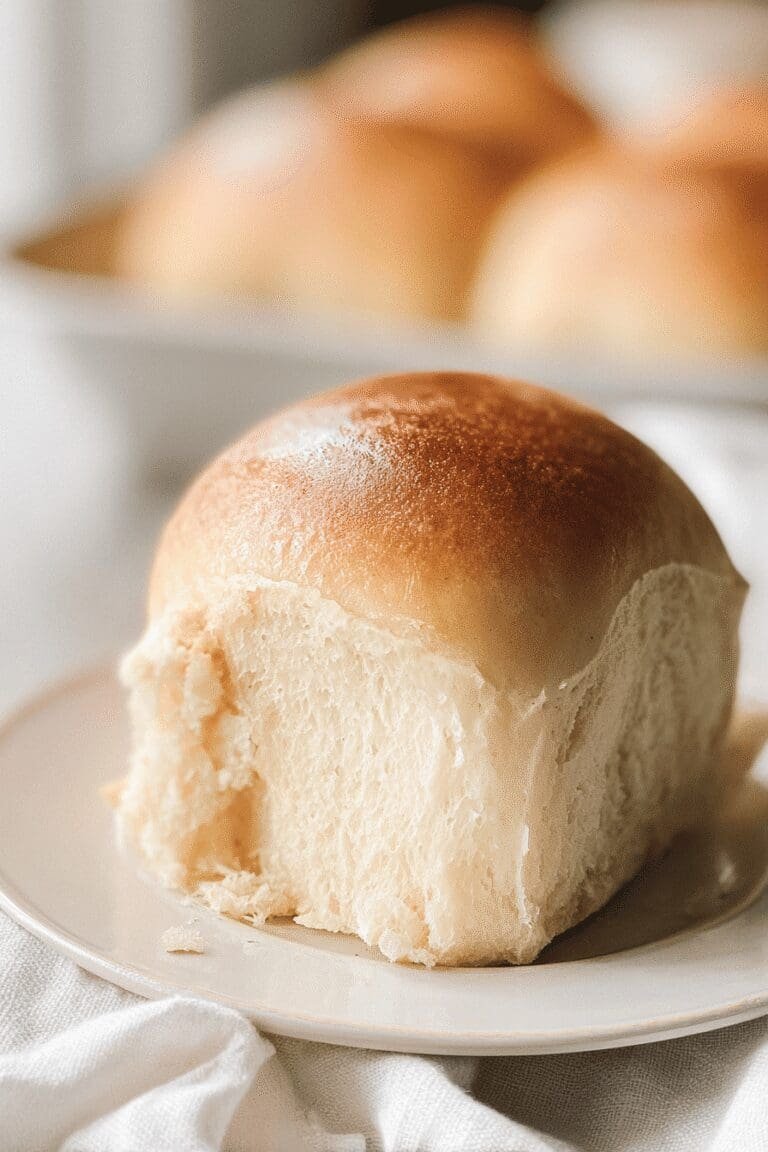
🥯 These Milk Buns with Sweet Maple Butter are incredibly soft and fluffy, thanks to the tangzhong method for extra moisture and tenderness.
🍁 The unique salted maple butter glaze adds a sweet and savory touch, making these buns a delightful treat for any time of day.
- Total Time: 3 hours
- Yield: 9 buns 1x
Ingredients
3 tablespoons bread flour (or all-purpose flour)
1/2 cup whole milk
2 1/4 teaspoons instant dry yeast
1/2 cup whole milk
4 tablespoons unsalted butter, softened
1/4 cup granulated sugar
1 large egg
1 1/2 teaspoons kosher salt
2 3/4 cups plus 2 tablespoons bread flour (or all-purpose flour)
1 tablespoon whole milk for brushing
2 tablespoons butter, melted
2 tablespoons maple syrup
Flakey sea salt (to taste)
Instructions
1-Preparing the Tangzhong: Begin by creating the tangzhong, which will form the foundation of your soft buns. In a small saucepan, combine 3 tablespoons of bread flour and 1/2 cup of whole milk. Whisk continuously over medium heat until the mixture thickens significantly. This should take about 2-3 minutes. For the best results, use a thermometer to ensure the mixture reaches at least 150°F (65°C), which is when the starch gelatinizes properly. Once thickened, transfer the tangzhong to your mixer bowl and let it cool slightly before proceeding to the next step.
2-Mixing and Kneading the Dough: With the tangzhong slightly cooled, add the remaining dough ingredients to your mixer bowl: 2 1/4 teaspoons of instant dry yeast, 1/2 cup of whole milk, 4 tablespoons of softened unsalted butter, 1/4 cup of granulated sugar, 1 large egg, 1 1/2 teaspoons of kosher salt, and 2 3/4 cups plus 2 tablespoons of bread flour. Using the dough hook attachment, mix on low speed until the ingredients come together, then increase to medium speed and knead for 15-20 minutes. The dough should become smooth, elastic, and pull away from the sides of the bowl.
To check if the dough is properly kneaded, perform the windowpane test: gently stretch a small piece of dough between your fingers. If it’s thin enough to see light through without tearing, it’s ready. This thorough kneading develops the gluten structure necessary for the soft, airy texture that makes milk buns so delightful.
3-First Proofing: Shape the kneaded dough into a ball and place it in a lightly greased bowl. Cover the bowl with plastic wrap or a damp kitchen towel and let it rise in a warm, draft-free spot until doubled in size. This typically takes about 1 hour, but proofing time can vary depending on your kitchen’s temperature. A good way to check if the dough has proofed enough is to gently poke it with your finger if the indentation springs back slowly, it’s ready.
4-Shaping the Buns: Once the dough has doubled, gently punch it down to release air bubbles. Transfer it to a lightly floured work surface and divide it into 9 equal portions. To shape each portion into a smooth ball, flatten the dough slightly, then fold the edges toward the center. Turn the ball seam-side down on your work surface and cup your hand around it, moving in a circular motion to create surface tension. This technique ensures a smooth, round top to your buns. Place the shaped balls seam-side down in a lined 10-inch skillet or baking pan, leaving some space between each bun for expansion.
5-Second Proofing: Cover the shaped buns with plastic wrap or a kitchen towel and let them proof until nearly doubled in size, which should take about 45 minutes. During this time, preheat your oven to 350°F (175°C) to ensure it’s fully heated when the proofing is complete. Proper proofing is crucial for achieving that light, airy texture, so avoid rushing this step.
6-Baking the Buns: When the buns have finished proofing, brush the tops with 1 tablespoon of whole milk. This will help them develop a golden-brown color. Bake for 30-35 minutes, rotating the pan halfway through for even browning. The buns are done when they’re deeply golden and reach an internal temperature of at least 190°F (88°C). If they’re browning too quickly, you can tent them with aluminum foil for the remainder of the baking time.
7-Adding the Salted Maple Butter Glaze: As soon as the buns come out of the oven, prepare the glaze by mixing 2 tablespoons of melted butter and 2 tablespoons of maple syrup. Brush this mixture generously over the warm buns, allowing it to soak into the surface. Finally, sprinkle flakey sea salt over the top to balance the sweetness and add a delightful crunch. Serve the buns warm for the best texture and flavor experience.
Last Step:
Please leave a rating and comment letting us know how you liked this recipe! This helps our business to thrive and continue providing free, high-quality recipes for you.Notes
🍞 The tangzhong method greatly improves softness and shelf life.
⏲️ Knead thoroughly and perform the windowpane test to develop gluten.
🌡️ Use a warm environment for proofing and check with a gentle poke to avoid overproofing.
- Prep Time: 2 hours 30 minutes
- Baking time: 30 minutes
- Cook Time: 30 minutes
- Category: Bread
- Method: Baking
- Cuisine: American
- Diet: Vegetarian
Nutrition
- Serving Size: 1 bun