Why You’ll Love This Seared Duck Breast
This seared duck breast recipe is a game-changer for home cooks looking to add excitement to their meals without much fuss. It’s remarkably simple with quick cooking times, ideal for busy weeknights or when you’re short on time but want something special. Beyond ease, duck breast delivers a flavorful punch that stands out from everyday poultry.
Health-wise, duck breast packs a solid dose of protein and key nutrients like iron and zinc, which help support your daily energy needs. Seared to perfection, it keeps calories in check compared to fried versions, making it a smart choice for those watching their diet. Plus, its rich, savory taste appeals to food enthusiasts who enjoy exploring new flavors without overcomplicating things.
What makes seared duck breast so versatile is how well it pairs with various sides and sauces, fitting into gluten-free or low-calorie plans with ease. Whether you’re serving it as a main dish for a family dinner or adapting it for different cuisines, it’s a reliable option. This distinctive crispy skin and tender meat create a unique experience that can turn any ordinary meal into something memorable, much like discovering a new favorite drink recipe.
Jump to:
- Why You’ll Love This Seared Duck Breast
- Essential Ingredients for Seared Duck Breast
- How to Prepare the Perfect Seared Duck Breast: Step-by-Step Guide
- Cooking Times Based on Duck Size
- Dietary Substitutions to Customize Your Seared Duck Breast
- Mastering Seared Duck Breast: Advanced Tips and Variations
- How to Store Seared Duck Breast: Best Practices
- FAQs: Frequently Asked Questions About Seared Duck Breast
- What is the best internal temperature to cook seared duck breast for perfect doneness?
- Should I cook duck breast like chicken or red meat?
- How do I get crispy skin when pan-searing duck breast?
- What is the proper way to rest duck breast after cooking?
- Can I cook duck breast without the skin, and how does that change the method?
- Seared Duck Breast
- Ingredients
- Instructions
- Last Step:
- Notes
- Nutrition
- Did you make this recipe?
Essential Ingredients for Seared Duck Breast
Getting the hang of seared duck breast starts with the right ingredients, and keeping it simple is key to success. Below, you’ll find the essential items pulled straight from a reliable recipe source, ensuring you have exactly what you need for a delicious result. I’ll break it down into a structured list for clarity, so you can grab everything at a glance.
For the ingredients listed here, focus on their precise measurements to avoid any mistakes in the kitchen. This approach helps even beginners nail the dish on the first try.
- 4 duck breasts (from two ducks) – the main star for rich flavor and texture
- Salt (used as needed to season) – enhances the natural taste
- 1 teaspoon duck fat or olive oil – helps in rendering fat and crisping the skin
This straightforward list covers all the basics, making it easy to prepare without extra shopping trips. For those with dietary tweaks in mind, remember options like using seared king oyster mushrooms for a vegan swap or keeping things gluten-free by sticking to these simple items.
Special Dietary Options include ways to adapt further. For a vegan version, swap in seared king oyster mushrooms to mimic the texture. If you’re aiming for gluten-free, this recipe is naturally on point since it avoids any grains. To keep it low-calorie, pair with light veggies and cut back on any added fats.
How to Prepare the Perfect Seared Duck Breast: Step-by-Step Guide
Diving into searing duck breast might seem intimidating at first, but think of it like flipping a simple pancake once you get the hang of it, it’s straightforward and rewarding. Start by pulling the duck breasts from the refrigerator and letting them settle. If you’re dealing with domestic or fatty wild duck, make a quick crosshatch pattern on the skin, about half an inch across, to help the fat render and turn crispy.
Next, season both sides generously with salt and let them rest on a cutting board for 15 to 45 minutes this step locks in flavor like marinating a steak. Pat the breasts dry with paper towels to ensure a good sear. For domestic or very fatty wild ducks, add 1 teaspoon duck fat or olive oil to a large pan and place the breasts skin side down, then begin heating from cold on medium-high for even fat rendering.
For normal wild duck breasts, heat the pan on high for 1 minute first, then add 2 tablespoons of duck fat, lard, or oil until it’s hot but not smoking before adding the breasts skin side down. As the skin starts to shrink and curl, press down on those spots for 30 to 60 seconds with tongs or a press to get an even sear. Most of the cooking happens on the skin side, about three-quarters of the total time, over medium to medium-high heat adjust based on size.
Cooking Times Based on Duck Size
Here’s a quick guide to get the timing right, so your duck turns out just perfect every time. Small ducks like teal or ruddy ducks need about 3 minutes on the skin side, while medium ones like wigeon or wood ducks take 3 to 5 minutes. Larger ones, such as mallards or domestic ducks, require 5 to 8 minutes, and goose breasts cook on medium-low for 10 to 12 minutes.
Once the skin is brown and crispy, flip the breasts and lightly salt the other side. Cook the meat side briefly: small ducks for 1 to 2 minutes, medium for 3 to 4 minutes, larger wild or domestic for 4 to 6 minutes, and geese for 5 to 7 minutes. After that, stand the thick sides of two breasts against each other and cook for 30 to 90 seconds to brown those plump areas.
Take the breasts off the heat and let them rest skin side up on a cutting board for about 5 minutes or up to 10 minutes for bigger birds. This rest helps keep everything juicy. Finally, slice and serve with the.hy skin up, and if you like, add a sauce underneath for extra flair. For more ideas on sides, check out our guide to pairing flavors on the blog.

Dietary Substitutions to Customize Your Seared Duck Breast
One of the best parts about seared duck breast is how flexible it is for different diets and preferences. If you’re looking to swap the main protein, try seared chicken breast or turkey for a leaner take that cooks up just as nicely. For vegan options, king oyster mushrooms offer a similar texture without the meat, making it easy to keep the dish hearty.
You can also experiment with pheasant or quail for a fresh twist that changes things up without much effort. When it comes to vegetables and seasonings, swap out heavier sides like potatoes for roasted root veggies or quinoa to fit into a gluten-free routine. If dairy’s an issue, replace butter with olive oil or a vegan alternative to maintain that rich finish.
Fresh herbs like rosemary or sage can add new flavors, especially if you’re using seasonal picks from your garden. These changes help tailor the recipe for busy parents or health-focused folks, ensuring everyone at the table enjoys a personalized meal. Remember, small adjustments, like the ones in our quick healthy recipes, make a big difference in keeping things tasty and inclusive.
Mastering Seared Duck Breast: Advanced Tips and Variations
Once you’ve nailed the basics of seared duck breast, it’s time to level up with some pro techniques that make all the difference. Start by rendering the fat slowly over medium heat to get that ideal crispy skin it’s like patiently waiting for popcorn to pop just right. Using a meat thermometer ensures you hit the sweet spot for doneness, avoiding any tough results.
For flavor twists, try marinating your duck with orange zest or soy sauce to add a zesty kick that surprises your taste buds. Compound butters infused with herbs can take things even further, creating a restaurant-worthy finish at home. When it comes to presentation, slice the breast against the grain and fan it out on a warm plate for a polished look, then garnish with microgreens or pomegranate seeds for a pop of color.
Make-ahead options are perfect for busy schedules prepare the duck up to the seasoning stage and chill it in the fridge, then sear right before serving. Allow the duck to reach room temperature before cooking for better heat control, except for tiny breasts which can start cold. Use steel or cast iron pans for that high-heat sear, and remember not to preheat the pan when beginning with duck fat and skin side down to promote prime fat rendering.
Press down on curled skin edges during the initial sear for even crispiness, and focus most of the time on the skin side to get those golden results. Always rest the meat skin side up to lock in juiciness, and salt the skin right after flipping to soak up any excess oil. Aim for rare or medium-rare since the meat’s dark red nature shines best that way. For skinless versions, treat it like a steak with quick sears, and for smaller butcherbrews like teal, use shorter times with a cold start to prevent overcooking.
| Tip Category | Key Advice |
|---|---|
| Cooking Technique | Use medium heat for fat rendering |
| Flavor Boost | Experiment with marinades like soy sauce |
| Presentation | Garnish with colorful seeds |
How to Store Seared Duck Breast: Best Practices
Proper storage keeps your seared duck breast tasting fresh and safe for enjoying later. After cooking, let it cool completely before popping it into an airtight container in the fridge, where it can stay good for up to 3 days. This step is crucial for busy professionals who meal prep to save time during the week.
If you’re freezing, wrap portions tightly in plastic wrap and foil to lock in flavor and texture for up to 2 months. When reheating, go low and slow in a 300°F oven or a skillet on low heat to preserve that crispy skin without drying out the meat. For meal prep, divide into individual portions and store with sides like veggies to make future dinners a breeze.
FAQs: Frequently Asked Questions About Seared Duck Breast
What is the best internal temperature to cook seared duck breast for perfect doneness?
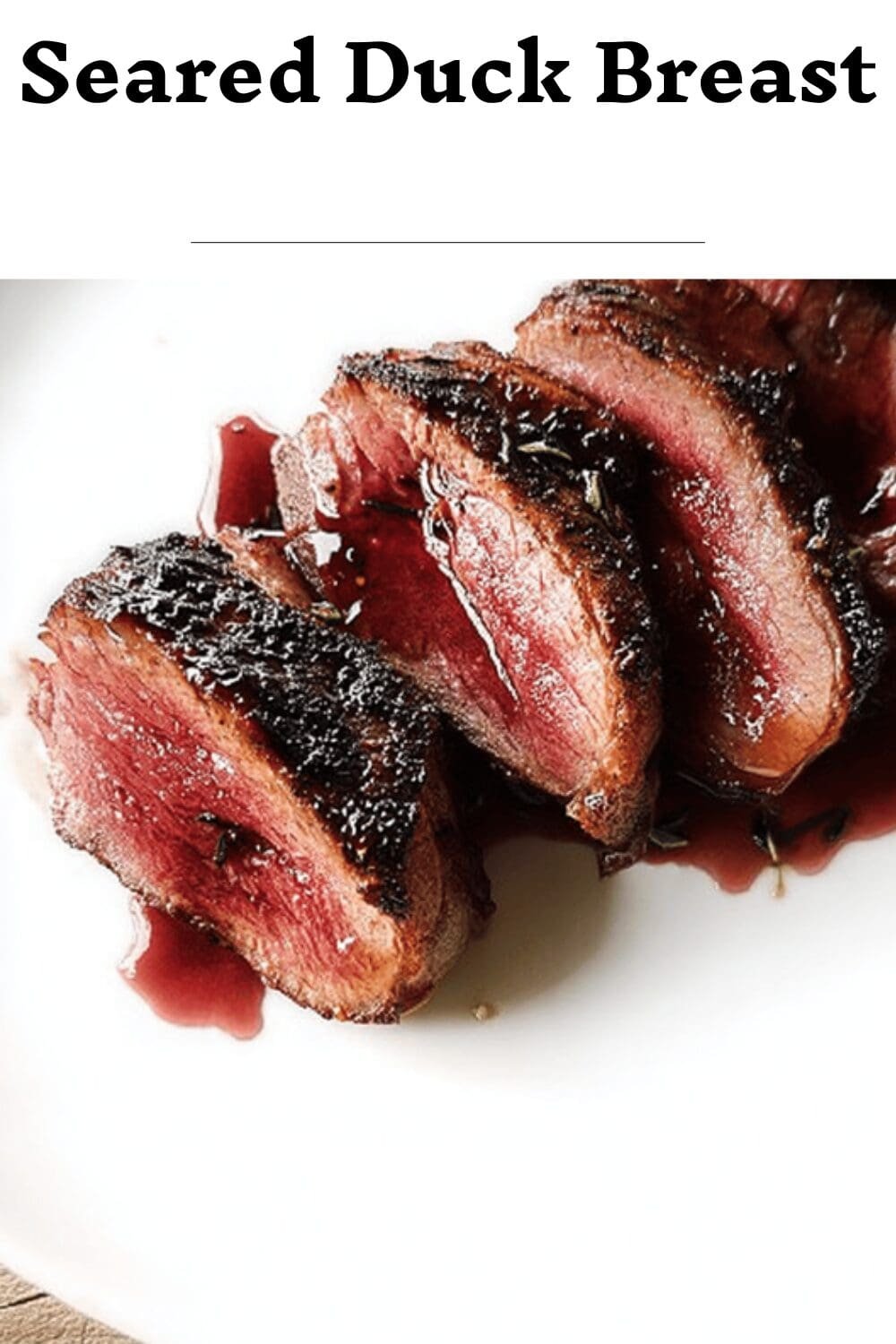
Duck breast is best cooked to an internal temperature between 125°F and 140°F for rare to medium doneness. This range keeps the meat tender and juicy. Use a meat thermometer to check temperature after resting, as residual heat will raise it slightly. Cooking above 145°F can cause the meat to overcook and become tough.
Should I cook duck breast like chicken or red meat?
Although duck is poultry, its breast meat is dark and rich, similar to red meat. It should be cooked more like a steak—at lower internal temperatures and preferably to medium-rare or medium—to preserve flavor and tenderness, unlike chicken which requires thorough cooking.
How do I get crispy skin when pan-searing duck breast?
Start cooking duck breast skin-side down in a cold cast iron or stainless steel pan without preheating. Cook over medium-high heat to slowly render fat and crisp the skin for about 3 to 8 minutes depending on size. Press down if the skin curls to keep even contact. Avoid non-stick pans as they can’t handle high heat.
What is the proper way to rest duck breast after cooking?
Let seared duck breasts rest skin side up for 5 to 10 minutes after cooking. Resting redistributes juices, making the meat more tender and preventing moisture loss when slicing. For larger birds like geese, longer resting times up to 10 minutes are recommended to keep the skin crispy.
Can I cook duck breast without the skin, and how does that change the method?
Yes, skinless duck breast can be cooked but it requires a different approach similar to steak. Sear the duck quickly on a hot pan without the need to render fat from skin. Cook to medium-rare and avoid flipping multiple times. This method focuses on the meat’s flavor since you lose the crispy skin texture.
Seared Duck Breast
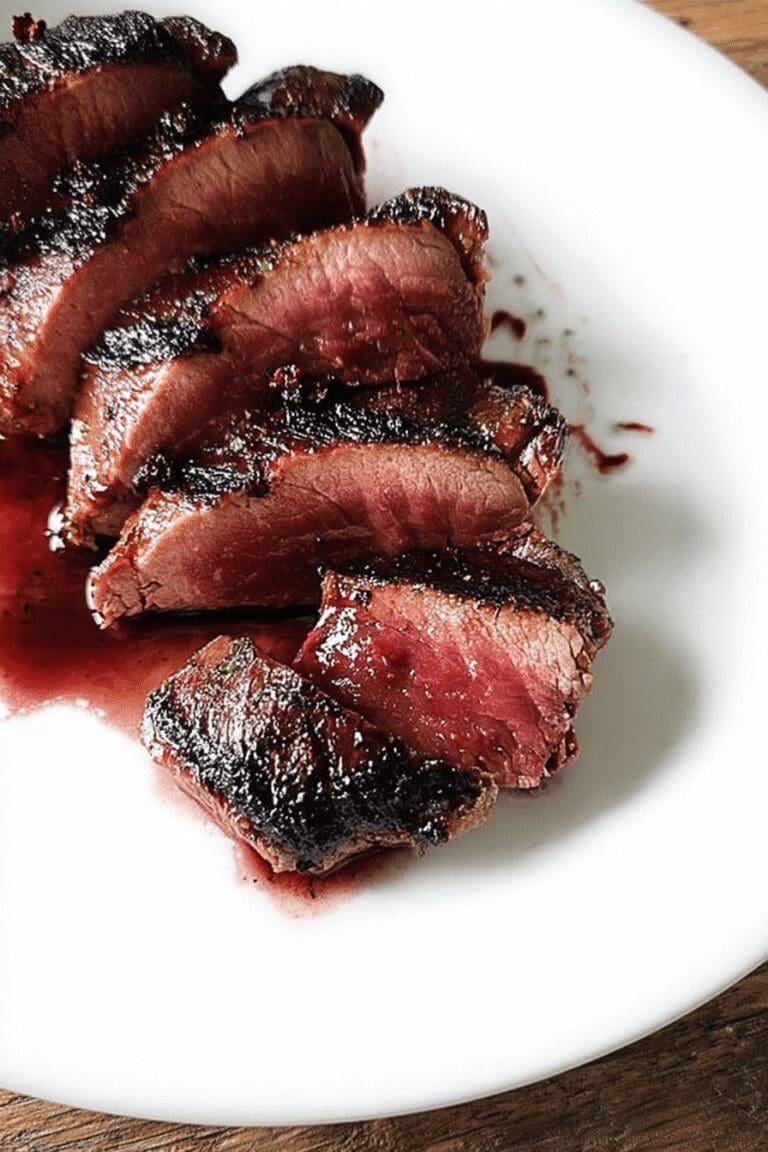
🦆 Discover how to cook duck breasts perfectly with crisp skin and tender, juicy meat.
🔥 This recipe provides simple steps and tips to achieve restaurant-quality results at home.
- Total Time: 35 minutes
- Yield: 4 servings
Ingredients
– 4 duck breasts (from two ducks) for rich flavor and texture
– Salt as needed to season
– 1 teaspoon duck fat or olive oil to help in rendering fat and crisping the skin
Instructions
1- Diving into searing duck breast might seem intimidating at first, but think of it like flipping a simple pancake once you get the hang of it, it’s straightforward and rewarding. Start by pulling the duck breasts from the refrigerator and letting them settle. If you’re dealing with domestic or fatty wild duck, make a quick crosshatch pattern on the skin, about half an inch across, to help the fat render and turn crispy.
2- Next, season both sides generously with salt and let them rest on a cutting board for 15 to 45 minutes this step locks in flavor like marinating a steak. Pat the breasts dry with paper towels to ensure a good sear. For domestic or very fatty wild ducks, add 1 teaspoon duck fat or olive oil to a large pan and place the breasts skin side down, then begin heating from cold on medium-high for even fat rendering.
3- For normal wild duck breasts, heat the pan on high for 1 minute first, then add 2 tablespoons of duck fat, lard, or oil until it’s hot but not smoking before adding the breasts skin side down. As the skin starts to shrink and curl, press down on those spots for 30 to 60 seconds with tongs or a press to get an even sear. Most of the cooking happens on the skin side, about three-quarters of the total time, over medium to medium-high heat adjust based on size.
4- Once the skin is brown and crispy, flip the breasts and lightly salt the other side. Cook the meat side briefly: small ducks for 1 to 2 minutes, medium for 3 to 4 minutes, larger wild or domestic for 4 to 6 minutes, and geese for 5 to 7 minutes. After that, stand the thick sides of two breasts against each other and cook for 30 to 90 seconds to brown those plump areas.
5- Take the breasts off the heat and let them rest skin side up on a cutting board for about 5 minutes or up to 10 minutes for bigger birds. This rest helps keep everything juicy. Finally, slice and serve with the.hy skin up, and if you like, add a sauce underneath for extra flair. For more ideas on sides, check out our guide to pairing flavors on the blog.
Last Step:
Please leave a rating and comment letting us know how you liked this recipe! This helps our business to thrive and continue providing free, high-quality recipes for you.Notes
🛑 Always start cooking domestic or fatty wild duck breasts in a cold pan with fat to properly render skin fat.
🔥 Press down curled areas during the initial sear to ensure crisp skin.
⏰ Let the breasts rest skin side up after cooking for juicier meat and crispier skin.
- Prep Time: 20 minutes
- Resting time: 5 minutes
- Cook Time: 15 minutes
- Category: Main Dish
- Method: Pan-searing and Resting
- Cuisine: International
- Diet: Paleo, Low-Carb
Nutrition
- Serving Size: 1 duck breast
- Calories: 287 kcal
- Sugar: 0 g
- Sodium: 129 mg
- Fat: 11 g
- Saturated Fat: 3 g
- Unsaturated Fat: 8 g
- Trans Fat: 0 g
- Carbohydrates: 0 g
- Fiber: 0 g
- Protein: 45 g
- Cholesterol: 174 mg