Why You’ll Love This Pumpkin Sourdough Bread
If you’re a baking enthusiast looking for a fresh twist on classic bread, pumpkin sourdough bread combines the best of fall flavors with the tangy goodness of sourdough. This recipe stands out because it’s not just easy to whip up but also packed with health benefits that make it a smart choice for your daily routine. Imagine enjoying a slice that’s moist, spicy, and perfectly textured without spending hours in the kitchen.
This pumpkin sourdough bread fits seamlessly into busy life, whether you’re a parent rushing through the week or a student craving something homemade. Its adaptability means you can tweak it for various needs, like adding more fiber or going vegan, all while keeping that irresistible taste. With its warm spices and natural sweetness, it’s sure to become a favorite for family meals or quick snacks.
And let’s not forget the ease of preparation this lovely bread comes together with minimal fuss, perfect for turning ordinary days into something special. For instance, if you love experimenting inamada the kitchen, this recipe lets you do just that without overwhelming complexity. To learn more about how pumpkin boosts your meals, check out the perks of pumpkin in your diet, which highlights its nutritional value.
Beyond taste, the health perks are real think antioxidants from pumpkin that support your immune system. This bread’s sourdough process helps with digestion, making it friendly for gut health. Plus, it’s versatile enough to pair with everything from breakfast spreads to dinner sides, keeping things exciting in your kitchen adventures.
Jump to:
- Why You’ll Love This Pumpkin Sourdough Bread
- Essential Ingredients for Pumpkin Sourdough Bread
- Main Ingredients
- Cinnamon Sugar Swirl Mixture
- How to Prepare the Perfect Pumpkin Sourdough Bread: Step-by-Step Guide
- Adapting for Dietary Needs
- Dietary Substitutions to Customize Your Pumpkin Sourdough Bread
- Mastering Pumpkin Sourdough Bread: Advanced Tips and Variations
- How to Store Pumpkin Sourdough Bread: Best Practices
- FAQs: Frequently Asked Questions About Pumpkin Sourdough Bread
- How do I make pumpkin sourdough bread from scratch?
- Can I use canned pumpkin puree for sourdough bread?
- How does pumpkin affect the fermentation and baking process in sourdough?
- What are the best spices to add to pumpkin sourdough bread?
- How should I store pumpkin sourdough bread to keep it fresh?
- Pumpkin Sourdough Bread
- Ingredients
- Instructions
- Last Step:
- Notes
- Nutrition
- Did you make this recipe?
Essential Ingredients for Pumpkin Sourdough Bread
Gathering the right ingredients is the first step to nailing this pumpkin sourdough bread recipe, and it’s all about using simple, precise measurements for the best results. This section breaks down everything you need, ensuring your bread turns out fluffy and full of flavor every time. Let’s dive into the list that makes this recipe shine.
Remember, fresh ingredients lead to the tastiest outcomes, so measure carefully to avoid any mishaps. For a deeper dive into sourdough basics, you might want to read our guide on creating a sourdough starter from scratch, which can help if you’re new to this.
Main Ingredients
- 100 grams of active sourdough starter
- 200 grams of pumpkin puree
- 25 grams of maple syrup
- 240 grams of filtered water
- 500 grams of bread flour
- 12 grams of salt
Cinnamon Sugar Swirl Mixture
- 4 grams of cinnamon
- 5 grams of pumpkin pie spice
- 87 grams of sugar (either coconut or regular)
This structured list covers every item needed, making it straightforward to shop and prepare. Each measurement is key to achieving the perfect balance of moisture and spice in your loaf.
How to Prepare the Perfect Pumpkin Sourdough Bread: Step-by-Step Guide
Getting started with pumpkin sourdough bread is easier than you might think, especially if you’re easing into baking at home. Begin by feeding your sourdough starter the night before or early in the morning to activate it, setting the stage for a successful bake. This simple step ensures your dough rises just right, giving you that airy texture we all love.
Once your starter is ready, in a bowl, combine the sourdough starter, water, pumpkin puree, and maple syrup until smooth. Then add the bread flour and salt; start mixing with a wooden spoon to bring it together, and finish by using clean hands to form a shaggy, sticky dough. Cover the bowl and let it rest for 2 hours, performing stretch and folds every 30 minutes for a total of four times by folding each side of the dough into the center this helps develop the gluten and structure.
After those stretches, let the dough bulk ferment either in the refrigerator overnight or at room temperature for 4-5 hours until it doubles in size. When it’s ready, transfer it to a floured surface and shape it into a rectangle without tearing, then sprinkle half of the cinnamon sugar mixture evenly over it. Perform letter folds by folding one long side into the center, then the other, and roll from the bottom upward, adding more cinnamon sugar between the folds for that swirled effect.
Next, shape the dough into a smooth ball by gently pulling it toward you and pushing it forward, then let it rest for 15 minutes. Repeat the letter folds and shaping process before placing the dough seam-side up into a floured proofing basket lined with cloth or a bowl, cover with plastic wrap, and refrigerate for 2 hours. For the baking part, preheat your oven to 450°F (230°C) with a cast iron pot inside during the last hour of refrigeration.
Remove the dough onto parchment paper, flour the top, and score it with shallow cuts and a deep “C” shape for an attractive finish. Carefully place it into the preheated pot, cover, and bake for 35 minutes, then uncover and bake for another 5-10 minutes until the crust turns a nice golden brown. Let the loaf cool completely before slicing to keep the texture perfect remember, key tips like using a wooden spoon at first, adjusting water if the dough feels too slack, and avoiding over-proofing can make all the difference.
This process, which takes about 7-8 hours for same-day baking or overnight for convenience, adapts well to dietary swaps as mentioned earlier. For beginners, checking out sourdough bread a beginner’s guide on our site can offer extra help with the fundamentals.
Adapting for Dietary Needs
Each step can be tweaked for different diets, like using gluten-free molinos flour or maple syrup for vegan options, while keeping the bread’s core flavors intact.

Dietary Substitutions to Customize Your Pumpkin Sourdough Bread
Making pumpkin sourdough bread your own is all about smart swaps that fit your lifestyle, whether you’re watching your diet or exploring new tastes. For starters, you can replace bread flour with gluten-free blends to help those with gluten sensitivities enjoy it too. If you’re going plant-based, opt for a sourdough starter that’s dairy-free and keep things simple.
Beyond that, swap pumpkin puree with sweet potato puree for a fresh twist that still keeps the moisture just right. You might also add grated zucchini or carrot to bump up the veggies and make the bread even healthier. For seasoning, try nutmeg or ginger instead of cinnamon to mix up the spices and create something unique.
These changes let you personalize the recipe without losing what makes it special, like that cozy fall vibe. Whether you’re making it savory with herbs like rosemary or thyme, the goal is to keep the bread inclusive and delicious for everyone at your table.
Mastering Pumpkin Sourdough Bread: Advanced Tips and Variations
Once you’ve got the basics down, taking your pumpkin sourdough bread to the next level is a fun challenge for any home baker. One pro technique is using autolyse, where you mix flour and water first to improve dough extensibility and bring out more flavor it’s a game-changer forось that perfect crumb. Also, pay attention to hydration; if the dough seems too wet, hold back a bit of water to keep things manageable.
For flavor twists, toss in toasted pumpkin seeds or dried cranberries to add crunch and sweetness, or swap cinnamon for chai spices for a cozy update. When it comes to presentation, get creative with scoring patterns on the loaf and dust it with flour before baking for that professional look. And if you’re short on time, prepare the dough the night before and proof it in the fridge for fresh bread in the morning.
| Tips Category | Specific Advice |
|---|---|
| Techniques | Perform stretch and folds to build gluten strength |
| Flavor Ideas | Infuse with seeds for added texture |
| Storage | Refrigerate overnight for better taste |
These insights help you refine your skills and make baking more enjoyable, turning out loaves that impress every time.
How to Store Pumpkin Sourdough Bread: Best Practices
Keeping your freshly baked pumpkin sourdough bread tasty and fresh is key to enjoying it longer, and it’s simpler than you might think. Stash it in a paper bag or bread box at room temperature for up to 3 days to maintain that crisp crust. If you need it to last, wrapping it tightly in plastic wrap and aluminum foil before freezing works wonders.
When you’re ready to eat, thaw it at room temperature or pop slices in the oven at 350°F (175°C) for 10-15 minutes to refresh the crust. For meal prep, slice the bread ahead and freeze portions so you can grab what you need without waste. Following these steps keeps your bread safe and flavorful for days.
FAQs: Frequently Asked Questions About Pumpkin Sourdough Bread
How do I make pumpkin sourdough bread from scratch?
To make pumpkin sourdough bread, start by mixing active sourdough starter, pumpkin puree, water, flour, salt, and spices like cinnamon or nutmeg. Knead the dough until smooth, then let it ferment overnight or until doubled in size. Shape the dough, place it in a proofing basket, and allow a final rise. Bake at 450°F (230°C) for 35-40 minutes, using steam for a crispy crust. Pumpkin adds moisture and sweetness, so adjust hydration as needed.
Can I use canned pumpkin puree for sourdough bread?
Yes, canned pumpkin puree works well for pumpkin sourdough bread. Use plain pumpkin puree with no added sugars or spices to maintain control over flavor. Canned pumpkin is convenient and consistent in moisture, but reduce added water slightly to avoid a too-wet dough since canned pumpkin contains extra moisture.
How does pumpkin affect the fermentation and baking process in sourdough?
Pumpkin adds moisture and natural sugars, which can speed up fermentation by feeding the sourdough starter. However, the extra moisture may require adjusting the flour amount to prevent overly sticky dough. Baking time may increase slightly due to the denser dough, so monitor the bread closely and use a thermometer to ensure it reaches an internal temperature of 200°F (93°C) for doneness.
What are the best spices to add to pumpkin sourdough bread?
Common spices that complement pumpkin sourdough bread include cinnamon, nutmeg, ginger, allspice, and cloves. These warm spices enhance the pumpkin’s natural sweetness and add depth of flavor. Start with about 1 teaspoon of combined spices per loaf and adjust to taste. Avoid overpowering the bread by adding spices gradually.
How should I store pumpkin sourdough bread to keep it fresh?
Store pumpkin sourdough bread at room temperature in a paper bag or bread box to maintain crust crispness and prevent moisture buildup. Avoid plastic bags, which can make the crust soggy. For longer storage, slice and freeze the bread in an airtight container or freezer bag. Thaw slices at room temperature or toast directly from frozen.
Pumpkin Sourdough Bread
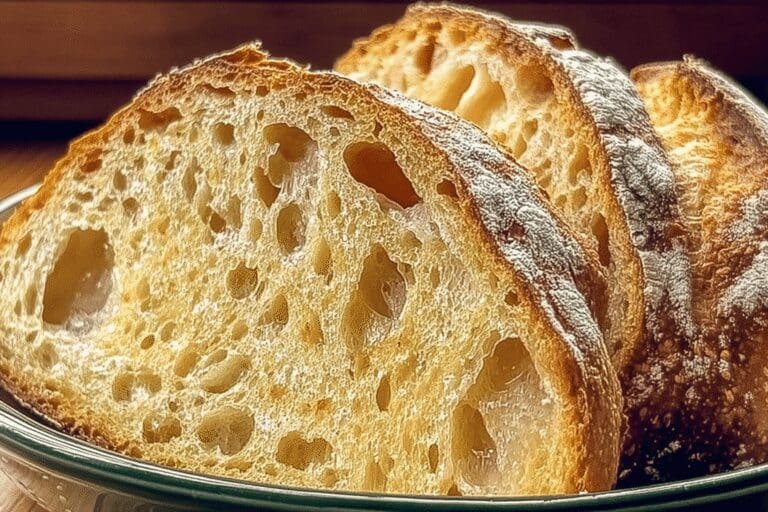
🍞 This Pumpkin Cinnamon Swirl Sourdough Bread combines the natural tanginess of sourdough with warm, spiced pumpkin and cinnamon flavors.
🎃 Perfect for a cozy breakfast or snack, it offers a unique twist with a soft yet crusty texture that enhances any meal.
- Total Time: 7-8 hours
- Yield: 1 loaf
Ingredients
– 100 grams active sourdough starter
– 200 grams pumpkin puree
– 25 grams maple syrup
– 240 grams filtered water
– 500 grams bread flour
– 12 grams salt
– 4 grams cinnamon
– 5 grams pumpkin pie spice
– 87 grams sugar (either coconut or regular)
Instructions
1-Getting started: Getting started with pumpkin sourdough bread is easier than you might think, especially if you’re easing into baking at home. Begin by feeding your sourdough starter the night before or early in the morning to activate it, setting the stage for a successful bake. This simple step ensures your dough rises just right, giving you that airy texture we all love.
2-Mixing the dough: Once your starter is ready, in a bowl, combine the sourdough starter, water, pumpkin puree, and maple syrup until smooth. Then add the bread flour and salt; start mixing with a wooden spoon to bring it together, and finish by using clean hands to form a shaggy, sticky dough. Cover the bowl and let it rest for 2 hours, performing stretch and folds every 30 minutes for a total of four times by folding each side of the dough into the center this helps develop the gluten and structure.
3-Bulk fermentation: After those stretches, let the dough bulk ferment either in the refrigerator overnight or at room temperature for 4-5 hours until it doubles in size. When it’s ready, transfer it to a floured surface and shape it into a rectangle without tearing, then sprinkle half of the cinnamon sugar mixture evenly over it. Perform letter folds by folding one long side into the center, then the other, and roll from the bottom upward, adding more cinnamon sugar between the folds for that swirled effect.
4-Shaping and resting: Next, shape the dough into a smooth ball by gently pulling it toward you and pushing it forward, then let it rest for 15 minutes. Repeat the letter folds and shaping process before placing the dough seam-side up into a floured proofing basket lined with cloth or a bowl, cover with plastic wrap, and refrigerate for 2 hours. For the baking part, preheat your oven to 450°F (230°C) with a cast iron pot inside during the last hour of refrigeration.
5-Baking: Remove the dough onto parchment paper, flour the top, and score it with shallow cuts and a deep “C” shape for an attractive finish. Carefully place it into the preheated pot, cover, and bake for 35 minutes, then uncover and bake for another 5-10 minutes until the crust turns a nice golden brown. Let the loaf cool completely before slicing to keep the texture perfect remember, key tips like using a wooden spoon at first, adjusting water if the dough feels too slack, and avoiding over-proofing can make all the difference.
Last Step:
Please leave a rating and comment letting us know how you liked this recipe! This helps our business to thrive and continue providing free, high-quality recipes for you.Notes
🥄 Use a wooden spoon initially to mix and finish kneading by hand for optimal dough texture.
💧 Adjust water quantity by reducing about 40 grams if dough feels too slack or sticky.
🕒 Avoid over-proofing to prevent spreading and poor oven spring; refrigeration enhances flavor and texture but is optional.
🌾 Adding flour to the cinnamon sugar mix helps prevent dough stickiness from the sugar blend.
- Prep Time: 2 hours 30 minutes
- Bulk Fermentation Time: 4-5 hours or overnight refrigeration
- Cook Time: 45 minutes
- Category: Bread
- Method: Mixing, Stretch & Fold, Baking
- Cuisine: American
- Diet: Vegetarian
Nutrition
- Serving Size: 1 slice (about 60g)
- Calories: 180
- Sugar: 5g
- Sodium: 230mg
- Fat: 1g
- Saturated Fat: 0g
- Unsaturated Fat: 1g
- Trans Fat: 0g
- Carbohydrates: 37g
- Fiber: 2g
- Protein: 5g
- Cholesterol: 0mg