Why You’ll Love This Turkey Rub
If you’re looking for a simple way to boost flavor without much effort, this turkey rub stands out as a go-to option for home cooks of all levels. You’ll appreciate how quickly it comes together, using ingredients you likely have on hand, making it perfect for busy days or spontaneous meals. The blend delivers a burst of taste that enhances the turkey’s natural goodness, ensuring every bite is juicy and delicious.
Beyond ease, this rub offers health perks by focusing on spices that add flavor instead of extra salt or sugar. Ingredients like herbs and paprika bring antioxidants and potential anti-inflammatory benefits, supporting your immune system while keeps calories in check. Whether you’re grilling for a weeknight dinner or preparing a holiday feast, this seasoning adapts to different needs and tastes effortlessly.
Its versatility shines in various dishes and diets, letting you tweak it for low-salt plans or plant-based meals. What really sets this turkey rub apart is the way it creates a crisp outside and tender inside, turning an ordinary roast into something memorable for family and friends. For more ideas on seasoning, check out our guide to essential turkey seasonings.
Plus, it’s adjustable for everything from chicken to veggies, making your kitchen adventures more fun and flexible. You’ll find it easy to customize, so it fits your lifestyle whether you’re short on time or exploring new flavors.
Jump to:
- Why You’ll Love This Turkey Rub
- Essential Ingredients for Turkey Rub
- How to Prepare the Perfect Turkey Rub: Step-by-Step Guide
- Gather and Mix the Dry Ingredients
- Apply the Rub to the Turkey
- Cook and Serve
- Dietary Substitutions to Customize Your Turkey Rub
- Mastering Turkey Rub: Advanced Tips and Variations
- Flavor Variations and Techniques
- How to Store Turkey Rub: Best Practices
- FAQs: Frequently Asked Questions About Turkey Rub
- When is the best time to apply turkey rub before cooking?
- How much turkey rub should I use per pound of turkey?
- Can I turn my dry turkey rub into a wet rub, and how?
- Is this turkey rub suitable for smoking or other cooking methods?
- What is “trash can turkey rub” and how does it relate to this recipe?
- Turkey Rub
- Ingredients
- Instructions
- Last Step:
- Notes
- Nutrition
- Did you make this recipe?
Essential Ingredients for Turkey Rub
To get started with this flavorful turkey rub, here’s a complete list of everything you need. I’ve laid it out clearly so you can mix it up without any hassle. Remember to measure everything precisely for the best results.
- 1 tablespoon coarse Kosher salt (double the volume if using a finer variety of Kosher salt)
- 1 tablespoon chili powder
- 1 tablespoon paprika (smoked or sweet paprika; smoked preferred)
- 1/2 tablespoon ground black pepper (freshly ground for best flavor)
- 1/2 tablespoon onion powder
- 1/2 tablespoon garlic powder
- Dash of cayenne (optional, for mild heat)
- 1 tablespoon brown sugar (for smoking and roasting only; omit if frying)
These ingredients work together to create a balanced mix that enhances your turkey’s taste. Each one adds its own touch, like the smoky notes from paprika or the subtle kick from cayenne. Use this list as your guide to whip up the rub in just a few minutes.
How to Prepare the Perfect Turkey Rub: Step-by-Step Guide
Making this turkey rub is straightforward and takes about 3 minutes to mix, as per the quick prep time. Start by gathering your ingredients and following these easy steps for the tastiest results. Whether you’re roasting, smoking, or frying, this rub will transform your turkey into a standout dish.
Gather and Mix the Dry Ingredients
First, in a small bowl, mix 1 tablespoon coarse Kosher salt (double the volume if using a finer variety), 1 tablespoon chili powder, 1 tablespoon paprika (smoked or sweet; smoked preferred), 1/2 tablespoon ground black pepper (freshly ground), 1/2 tablespoon onion powder, 1/2 tablespoon garlic powder, and a dash of cayenne (optional). This step blends the spices evenly, creating a robust base for your turkey. Once mixed, the rub is ready to apply and enhance the flavor of your bird.
Apply the Rub to the Turkey
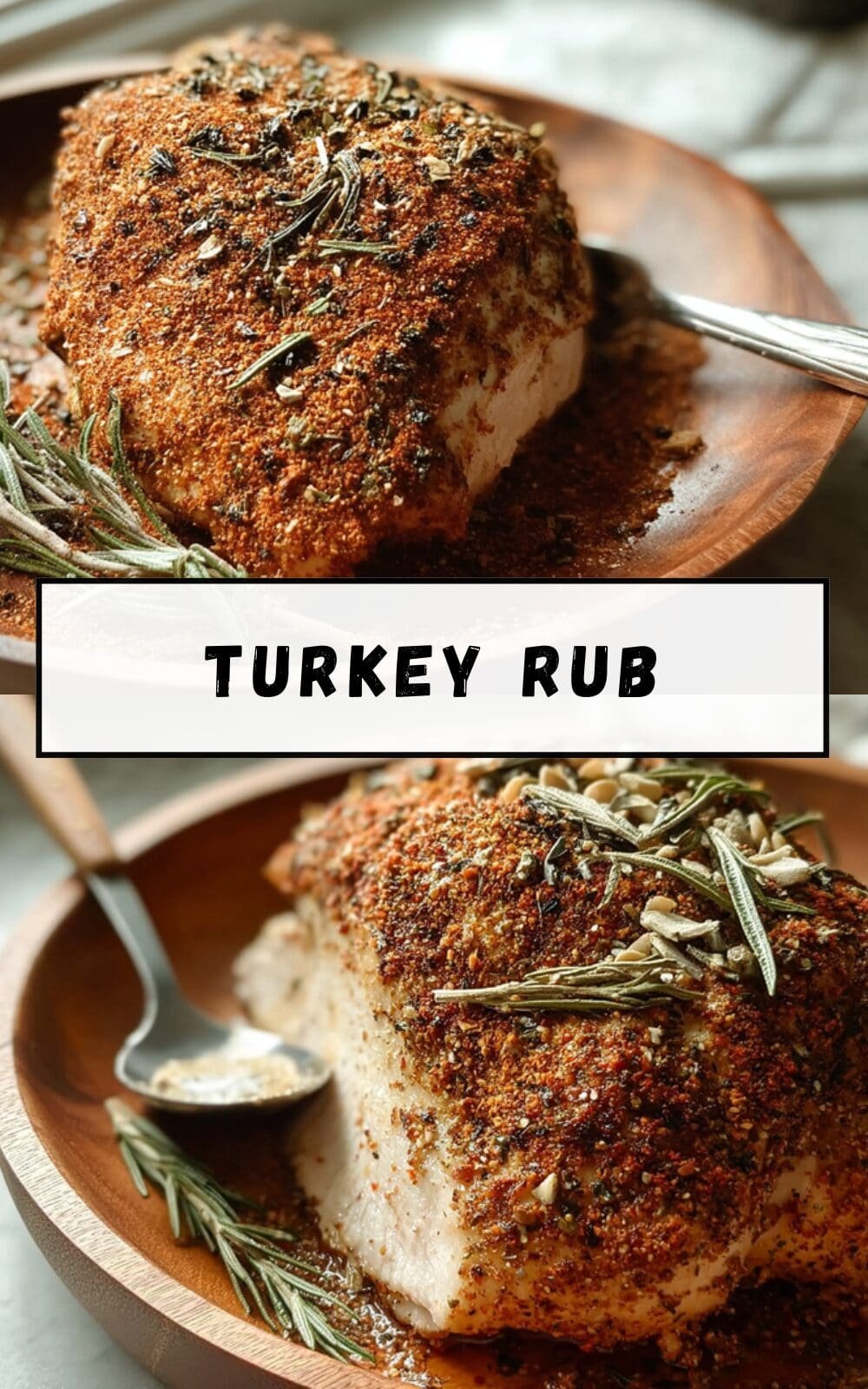
Next, rub the spice blend evenly over the turkey and under the skin for deeper flavor. If you’re preparing for roasting, you can make a wet rub by mixing the dry blend with about 1/2 cup softened butter or olive oil and apply it mostly under the skin and some over it. For frying or smoking, stick to the dry rub and ensure the turkey skin is blot-dried for better adherence.
Prepare the turkey as desired: roast, fry, or smoke. For instance, the dry rub works great for smoking as it sticks well to dry turkey, while wet rubs suit roasting best. If you’re short on time, explore our seasoning tips section for more ways to speed things up.
Cook and Serve
After applying the rub, let the turkey rest if you can, up to 16 hours for crispier skin when refrigerated uncovered. Cook according to your method, and remember to use pan juices from roasting for a simple gravy without extra salt. This rub also shines on turkey breast, chicken, pork, or even vegetables when blended with oil for a marinade.
Dry rubs are ideal for frying and smoking, while wet rubs help with roasting to keep things moist. Once done, let it rest before serving to lock in juices. Tips like these make your meal prep smoother and more enjoyable for everyone at the table.

Dietary Substitutions to Customize Your Turkey Rub
One of the best parts of this turkey rub is how easily it adapts to different diets and preferences. If you’re working with alternative proteins, try it on turkey breast, which cooks faster, or even on chicken by adjusting the time to about 20 minutes per pound. For plant-based options, apply the rub to tofu, tempeh, cauliflower, or mushrooms and roast until crisp for a tasty twist.
When tweaking for low-sodium needs, cut back on the kosher salt by 25-50% and amp up the herbs or lemon zest for that extra brightness. You can swap smoked paprika for regular or add chipotle for more heat, and replace brown sugar with maple syrup if you want a natural sweetener. These changes keep the rub’s core flavor while making it fit your lifestyle seamlessly.
For sauces and veggies, toss seasonal items like carrots or Brussels sprouts with the rub and oil, then roast them at 400°F for a caramelized side. Pair it with citrus-based pan sauces or mushroom gravy to complement the smokiness without overwhelming the dish. Overall, these substitutions make the recipe versatile for anyone, from busy parents to health-focused folks.
Mastering Turkey Rub: Advanced Tips and Variations
Taking your turkey rub to the next level involves some pro techniques that make a big difference. Start with a two-step roast: crank up the oven to 425-450°F for the first 20-30 minutes to crisp the skin, then drop to 325°F to finish cooking. This method helps the rub create that perfect crust while keeping the meat juicy inside.
Flavor Variations and Techniques
For a Mediterranean vibe, swap in fennel seed and rosemary instead of cumin and smoked paprika. If you’re going for Southern-smoky, add more paprika and a bit of cayenne for that sweet heat. A citrus-herb version could double the lemon zest and mix in fresh herbs after roasting for a bright finish. Experimenting like this keeps things exciting and tailored to your taste.
Dry-brining with the rub 12-24 hours ahead draws out moisture and boosts flavor, leading to better texture. Use a probe thermometer to hit that ideal internal temp, and for turkey breast, try the reverse sear method. These tips, combined with variations like adding coriander for a North African twist, elevate your cooking without complicating things.
Presentation is key too carve neatly and garnish with herbs for a wow factor. Plus, you can mix the rub ahead and store it for up to 3 months, making meal prep a breeze for busy schedules.
How to Store Turkey Rub: Best Practices
Proper storage keeps your turkey rub fresh and ready for use. For a dry mix, store it in an airtight container in a cool, dark spot for up to 6 months to lock in those flavors. If your rub includes oil or fresh zest, pop it in the fridge for up to a week to maintain its quality.
Freezing works well for pre-applied rubs on turkey portions; seal them tightly and freeze for up to three months. When reheating leftovers, use a low oven temp and add a splash of broth to keep things moist. For meal prep, label your containers and use older mixes first to stay organized and safe.
FAQs: Frequently Asked Questions About Turkey Rub
When is the best time to apply turkey rub before cooking?
You can apply turkey rub up to 16 hours before cooking for deeper flavor. For best results, rub the seasoning evenly over the turkey’s skin and refrigerate it uncovered to help dry the skin, which contributes to a crispier finish. If short on time, applying the rub just before cooking still adds great taste.
How much turkey rub should I use per pound of turkey?
A good guideline is to use about 1½ tablespoons of turkey rub for every 3 pounds of turkey. Adjust the amount based on your taste preference and the size of your bird. Make sure to coat the entire surface evenly for consistent seasoning.
Can I turn my dry turkey rub into a wet rub, and how?
Yes, you can make a wet rub by mixing the dry seasoning with roughly ½ cup of softened butter or olive oil. Spread this mixture under and over the skin before roasting to keep the turkey moist and flavorful. Avoid wet rubs for frying or smoking, where dry rubs work better.
Is this turkey rub suitable for smoking or other cooking methods?
The turkey rub works well for smoking, roasting, and frying. When smoking or roasting, a dry rub enhances the flavor and crust. For frying, use the dry rub directly without adding moisture to prevent sogginess. This rub also pairs well with turkey jerky and other meats like chicken and pork.
What is “trash can turkey rub” and how does it relate to this recipe?
“Trash can turkey rub” is a casual term describing a spice blend made from a mix of various common spices—essentially a bit of everything. This turkey rub fits that idea, combining multiple spices to create a balanced and flavorful seasoning suitable for different turkey cooking methods.
Turkey Rub
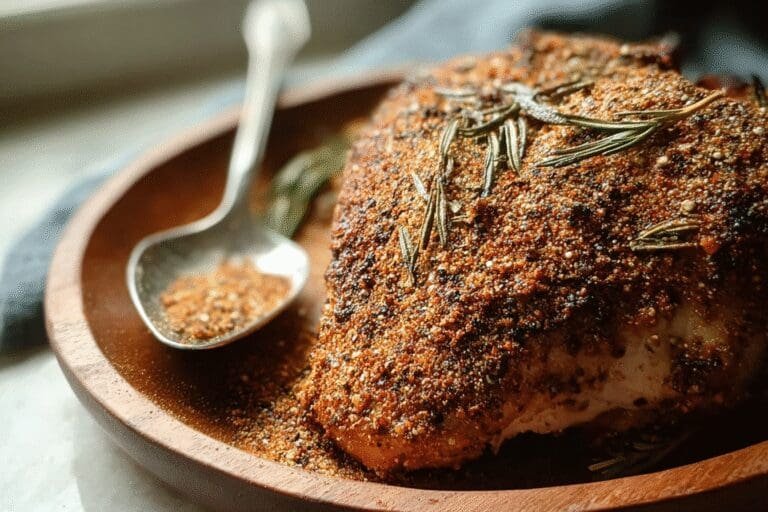
🦃 Homemade Turkey Rub Recipe for Flavorful and Juicy Roasts adds a robust blend of spices that infuses your turkey with deep, savory flavors.
🔥 This rub enhances the juiciness of your roast, delivering a perfectly seasoned, aromatic turkey that impresses at any gathering.
- Total Time: 3 minutes plus cooking
Ingredients
– 1 tablespoon coarse Kosher salt (double the volume if using a finer variety of Kosher salt)
– 1 tablespoon chili powder
– 1 tablespoon paprika (smoked or sweet paprika; smoked preferred)
– 1/2 tablespoon ground black pepper (freshly ground for best flavor)
– 1/2 tablespoon onion powder
– 1/2 tablespoon garlic powder
– Dash of cayenne (optional, for mild heat)
– 1 tablespoon brown sugar for smoking and roasting only; omit if frying
Instructions
1-Gather and Mix the Dry Ingredients: First, in a small bowl, mix 1 tablespoon coarse Kosher salt (double the volume if using a finer variety), 1 tablespoon chili powder, 1 tablespoon paprika (smoked or sweet; smoked preferred), 1/2 tablespoon ground black pepper (freshly ground), 1/2 tablespoon onion powder, 1/2 tablespoon garlic powder, and a dash of cayenne (optional). This step blends the spices evenly, creating a robust base for your turkey. Once mixed, the rub is ready to apply and enhance the flavor of your bird.
2-Apply the Rub to the Turkey: Next, rub the spice blend evenly over the turkey and under the skin for deeper flavor. If you’re preparing for roasting, you can make a wet rub by mixing the dry blend with about 1/2 cup softened butter or olive oil and apply it mostly under the skin and some over it. For frying or smoking, stick to the dry rub and ensure the turkey skin is blot-dried for better adherence.
Prepare the turkey as desired: roast, fry, or smoke. For instance, the dry rub works great for smoking as it sticks well to dry turkey, while wet rubs suit roasting best. If you’re short on time, explore our seasoning tips section for more ways to speed things up.
3-Cook and Serve: After applying the rub, let the turkey rest if you can, up to 16 hours for crispier skin when refrigerated uncovered. Cook according to your method, and remember to use pan juices from roasting for a simple gravy without extra salt. This rub also shines on turkey breast, chicken, pork, or even vegetables when blended with oil for a marinade.
Dry rubs are ideal for frying and smoking, while wet rubs help with roasting to keep things moist. Once done, let it rest before serving to lock in juices. Tips like these make your meal prep smoother and more enjoyable for everyone at the table.
Last Step:
Please leave a rating and comment letting us know how you liked this recipe! This helps our business to thrive and continue providing free, high-quality recipes for you.Notes
🧂 Use coarse Kosher salt for a balanced saltiness and avoid metallic taste from table salt.
⏳ Prepare the rub up to 6 months ahead and store in an airtight container in a cool, dry place.
🍬 Add brown sugar for caramelization when roasting or smoking, but omit for frying to avoid burning.
- Prep Time: 3 minutes
- Category: Seasoning
- Method: Rubbing
- Cuisine: American
Nutrition
- Calories: 75
- Sugar: 1 gram
- Sodium: 141 mg
- Fat: 2 grams
- Carbohydrates: 15 grams
- Fiber: 6 grams
- Protein: 3 grams