Why You’ll Love This Thanksgiving Turkey
As the holidays approach, preparing a Thanksgiving turkey doesn’t have to feel overwhelming. This easy recipe keeps things simple while delivering a delicious, juicy bird that everyone will enjoy. You’ll appreciate how straightforward it is to make this Thanksgiving turkey the star of your feast without spending hours in the kitchen.
- Ease of preparation: This recipe uses basic steps that anyone can follow, even if you’re new to cooking a big meal. For instance, it takes just about 20 minutes to get everything ready before popping it in the oven. That means more time for you to relax and less stress on the big day, making it perfect for busy parents and working professionals who want a hassle-free option for their Thanksgiving turkey.
- Health benefits: Loaded with lean protein and fresh herbs like rosemary, thyme, and sage, this Thanksgiving turkey supports a balanced diet. Each serving offers around 70 grams of protein and essential vitamins, which help with muscle repair and overall wellness. It’s also low in carbs and sugar, appealing to diet-conscious folks who seek healthy yet tasty choices without giving up holiday flavors.
- Versatility: You can tweak this recipe to fit various needs, such as using it for different group sizes or adapting for dietary preferences. Whether you’re feeding a small family or a large gathering, it scales well based on turkey size. This makes your Thanksgiving turkey a flexible option for students, newlyweds, or anyone hosting a party.
- Distinctive flavor: The herb butter and fresh stuffing create a mouthwatering taste that’s hard to beat. Ingredients like garlic, lemon, and apple add a bright, aromatic touch that sets this turkey apart. You’ll love how it brings a special, homemade vibe to your table, impressing food enthusiasts and seniors alike with its rich yet simple flavors.
Overall, this approach ensures your Thanksgiving turkey turns out perfectly every time, combining ease with great taste and nutrition. It’s designed to make holiday cooking enjoyable and rewarding for all skill levels.
Jump to:
- Why You’ll Love This Thanksgiving Turkey
- Essential Ingredients for Thanksgiving Turkey
- Main Ingredients
- Special Dietary Options
- How to Prepare the Perfect Thanksgiving Turkey: Step-by-Step Guide
- First Step: Thawing and Prepping
- Second Step: Seasoning the Cavity
- Third Step: Preparing the Herb Butter
- Fourth Step: Setting Up for Roasting
- Fifth Step: Roasting the Turkey
- Final Step: Resting and Serving
- Dietary Substitutions to Customize Your Thanksgiving Turkey
- Protein and Main Component Alternatives
- Vegetable, Sauce, and Seasoning Modifications
- Mastering Thanksgiving Turkey: Advanced Tips and Variations
- Pro Cooking Techniques
- Flavor Variations
- Presentation Tips
- Make-Ahead Options
- How to Store Thanksgiving Turkey: Best Practices
- Refrigeration Guidelines
- Freezing Options
- Reheating and Meal Prep
- FAQs: Frequently Asked Questions About Thanksgiving Turkey
- How much turkey should I buy for Thanksgiving dinner?
- What’s the safest way to thaw a frozen turkey?
- Should I rinse my turkey before cooking it?
- How do I know when my turkey is fully cooked?
- Can I cook stuffing inside the turkey?
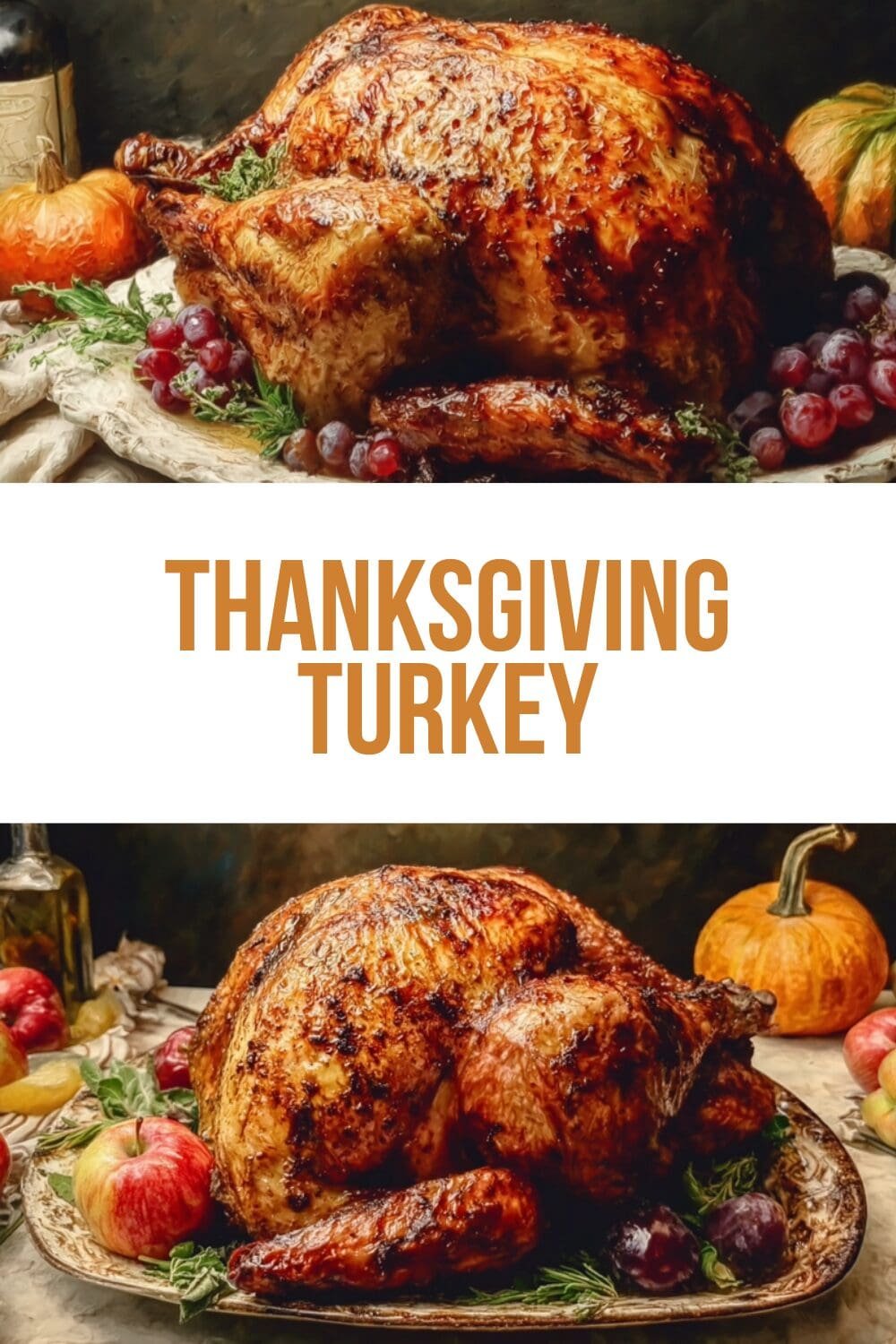
- Thanksgiving Turkey
- Ingredients
- Instructions
- Last Step:
- Notes
- Nutrition
- Did you make this recipe?
Essential Ingredients for Thanksgiving Turkey
Gathering the right ingredients is key to making a tasty Thanksgiving turkey. Below, you’ll find a detailed list of everything needed, with exact measurements for clarity. Each item plays a role in building flavor and moisture, so let’s break it down.
Main Ingredients
- 1 turkey weighing 12-20 pounds – This is the main star that provides plenty of protein and serves as the centerpiece of your meal.
- 1 onion, peeled and quartered – Adds a sweet, earthy base to the cavity for extra aroma and depth in your Thanksgiving turkey.
- 1 lemon, quartered – Brings a fresh, citrusy zing that helps brighten the flavors and keeps the meat juicy.
- 1 apple, quartered – Contributes a subtle sweetness and moisture to balance the herbs and enhance the overall taste of your Thanksgiving turkey.
- 0.75 ounce fresh rosemary – Infuses the turkey with a woody, pine-like scent that pairs well with other herbs for a robust flavor.
- 0.75 ounce fresh thyme – Offers a mild, lemony note that complements the garlic and butter, making your Thanksgiving turkey more fragrant.
- 0.75 ounce fresh sage – Provides an earthy, peppery kick that ties all the seasonings together beautifully.
- 1 cup softened butter (for herb butter) – Creates a rich, flavorful coating that locks in moisture and adds a creamy texture to your Thanksgiving turkey.
- 1 teaspoon salt (for herb butter) – Seasons the butter to enhance the natural tastes without overpowering the dish.
- 1/2 teaspoon pepper (for herb butter) – Adds a gentle spice that rounds out the flavors in your herb mixture.
- 6-8 cloves minced garlic (for herb butter) – Brings a pungent, savory element that boosts the overall aroma of the Thanksgiving turkey.
- Fresh chopped herbs (rosemary, thyme, sage) – Used in the herb butter to intensify the fresh, herbal notes throughout the turkey.
Special Dietary Options
- Vegan: Swap the turkey for a large plant-based roast, like one made from seitan or jackfruit, and use vegan butter instead of regular butter to keep the flavors intact.
- Gluten-free: This recipe is naturally gluten-free, but double-check that your turkey and any additions like broth for gravy are certified gluten-free to avoid hidden ingredients.
- Low-calorie: Reduce the butter to half a cup and use more fresh herbs for flavor, which cuts down on fat while maintaining the essence of your Thanksgiving turkey.
Remember, these ingredients work together to create a moist and flavorful Thanksgiving turkey. Using fresh items ensures the best results, so pick high-quality options when you can.
How to Prepare the Perfect Thanksgiving Turkey: Step-by-Step Guide
Getting your Thanksgiving turkey just right starts with careful preparation. Follow these steps to create a delicious, golden bird that’s easy to handle. We’ll cover everything from thawing to roasting, with tips to adapt for different needs.
First Step: Thawing and Prepping
Begin by thawing your frozen turkey in the fridge, allowing 24 hours for every 5 pounds, plus an extra day for safety. Once thawed, remove the turkey from the fridge about 1 hour before cooking so it reaches room temperature; this helps it cook evenly. Next, take out the neck and giblets from the cavities and set them aside for gravy or discard them, then pat the turkey dry with paper towels to remove any moisture.
Second Step: Seasoning the Cavity
Season the inside of the turkey with salt and pepper for a basic flavor boost. Stuff the cavity with 1 quartered lemon, 1 quartered onion, 1 quartered apple, and 0.75 ounce each of fresh rosemary, thyme, and sage. These items add aroma and keep the meat moist as it roasts, making your Thanksgiving turkey more flavorful for various tastes.
Third Step: Preparing the Herb Butter
Mix up the herb butter by combining 1 cup softened butter, 1 teaspoon salt, 1/2 teaspoon pepper, 6-8 cloves of minced garlic, and some fresh chopped herbs like rosemary, thyme, and sage. Gently loosen the skin over the breast and spread a portion of this mixture underneath for extra juiciness. For dietary tweaks, use a dairy-free butter here if needed to suit vegan preferences.
Fourth Step: Setting Up for Roasting
Tuck the wings under the turkey to prevent burning and place it on a roasting rack or a bed of chopped vegetables in the pan; this elevates the bird and adds flavor to the drippings. Preheat your oven to 325 degrees Fahrenheit and position the rack in the center for even heat distribution. Microwave the remaining herb butter until soft, then brush it over the outside of the turkey, covering the legs and wings for a crispy skin.
Fifth Step: Roasting the Turkey
Roast at 325 degrees Fahrenheit for about 13 to 15 minutes per pound until the internal temperature hits 165 degrees Fahrenheit in the thigh and breast. Halfway through, check the skin and cover the breast with foil if it turns golden to avoid overcooking; this step works well for larger birds. The total cook time might be around 3 to 3.5 hours for a 12-20 pound turkey, so adapt based on size for busy schedules or smaller groups. For a convection oven, check earlier as it cooks faster, which helps for travelers or seniors wanting quicker meals.
Final Step: Resting and Serving
Once done, cover the turkey loosely with foil and let it rest for 20 to 30 minutes; this allows the juices to settle and makes carving easier. Reserve the drippings for gravy, and serve your Thanksgiving turkey with sides for a complete meal. Prep time is about 20 minutes, with total time around 3 hours and 50 minutes, so plan ahead to fit your routine. Simple Gravy Recipe can enhance this step if you need ideas.

Dietary Substitutions to Customize Your Thanksgiving Turkey
Protein and Main Component Alternatives
If turkey isn’t an option, try swapping it for a chicken or a plant-based roast to keep things simple. For those watching calories, use a smaller bird or even turkey breast to cut down on portions. These changes help maintain the ease of the recipe while adapting to dietary needs like low-fat options.
Vegetable, Sauce, and Seasoning Modifications
Swap out the onion, lemon, or apple for other veggies like carrots or pears based on what’s in season or what you have on hand. For the herb butter, adjust seasonings by reducing salt for low-sodium diets or using different herbs like basil for a fresh twist. These tweaks ensure your Thanksgiving turkey stays versatile and works for gluten-free or vegan preferences without losing flavor.
Mastering Thanksgiving Turkey: Advanced Tips and Variations
Pro Cooking Techniques
To get the best results, always use a meat thermometer and remove the turkey at 160 degrees to let it rest and reach 165 degrees. For even roasting, tuck the wings and use chopped vegetables as a base in the pan, which adds flavor to drippings. These tricks help avoid common pitfalls and make your Thanksgiving turkey turn out perfectly every time.
Flavor Variations
Experiment with different herb mixes or add spices like paprika for a smoky note. If you’re dealing with a wild turkey, try brining it first for extra moisture, though it’s optional for store-bought ones. These changes let you tailor the dish to your taste, keeping it easy for food enthusiasts.
Presentation Tips
For a nice look, garnish with fresh herbs or slices of fruit after resting. Plate it on a large platter to make it inviting for guests, enhancing the holiday vibe. Holiday Presentation Ideas can offer more tips if you’re hosting B. This adds a personal touch without much effort.
Make-Ahead Options
Prep the herb butter a day ahead and store it in the fridge to save time. Chop vegetables in advance for the roasting pan, so assembly is quick on the day. These strategies are great for busy parents or working professionals planning their Thanksgiving turkey meal.
How to Store Thanksgiving Turkey: Best Practices
Refrigeration Guidelines
Store leftovers in the fridge within two hours of cooking to keep them safe. Cut the turkey into smaller pieces and place it in airtight containers for up to four days, which helps maintain freshness.
Freezing Options
For longer storage, wrap the turkey tightly in freezer-safe bags and freeze for up to three months. Thaw it in the fridge when ready, following the safe thawing rules. This method works well for meal prep and saves time during busy weeks.
Reheating and Meal Prep
Reheat in the oven at 325 degrees until it reaches 165 degrees for the best texture. For batch cooking, portion out meals ahead and reheat as needed, making it easy for everyday use. These practices ensure your Thanksgiving turkey stays tasty and safe.
FAQs: Frequently Asked Questions About Thanksgiving Turkey
How much turkey should I buy for Thanksgiving dinner?
Plan for about 1.5 pounds of turkey per person to have enough for dinner and some leftovers. For example, if you are serving 6 people, a 9 to 10-pound turkey should be sufficient. If you want more leftovers or have hearty eaters, increase the amount slightly.
What’s the safest way to thaw a frozen turkey?
The best method is to thaw the turkey in the refrigerator. Allow approximately 24 hours of thawing time for every 5 pounds of turkey. Place the turkey on a tray or pan to catch any juices that may leak and prevent cross-contamination with other foods.
Should I rinse my turkey before cooking it?
No, rinsing your turkey is not recommended because it can spread bacteria to your sink and kitchen surfaces. Instead, remove the turkey from its packaging and pat it dry with paper towels. Cooking at the right temperature will kill any harmful bacteria.
How do I know when my turkey is fully cooked?
The most reliable way is to use a meat thermometer. Insert it into the thickest part of the thigh without touching the bone. The turkey is safe to eat when it reaches an internal temperature of 165°F (74°C). Also, check the breast to ensure it reaches this temperature.
Can I cook stuffing inside the turkey?
It’s safer and better for the turkey’s texture to cook stuffing separately in a baking dish. Cooking stuffing inside the turkey cavity can lead to uneven cooking and potential food safety issues since the stuffing needs to reach 165°F to be safe, which might overcook the turkey.
Thanksgiving Turkey
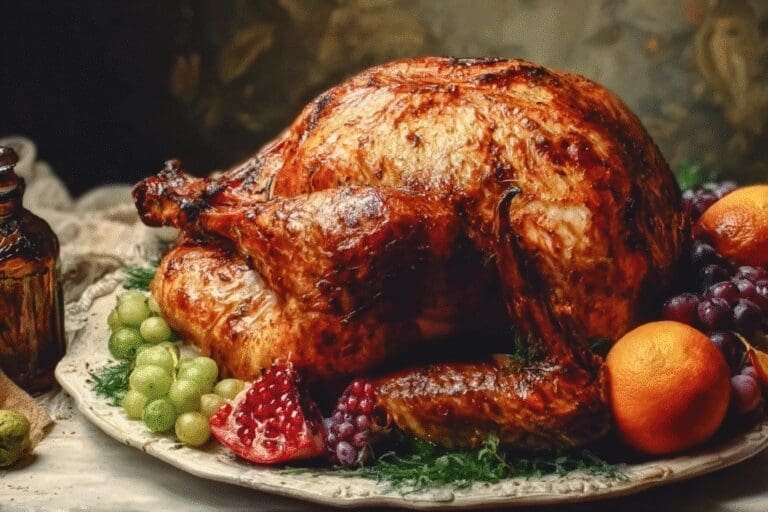
🦃 Thanksgiving Turkey Recipes That Are Easy and No Fuss take the stress out of holiday cooking while delivering delicious, juicy results.
🍽️ These recipes use simple techniques and flavorful herb butter to enhance the natural taste and ensure a perfectly cooked turkey every time.
- Total Time: 3 hours 50 minutes
- Yield: 8-12 servings
Ingredients
– 1 turkey weighing 12-20 pounds
– 1 onion, peeled and quartered for extra aroma and depth
– 1 lemon, quartered to brighten the flavors and keep the meat juicy
– 1 apple, quartered to add subtle sweetness and moisture
– 0.75 ounce fresh rosemary to infuse a woody, pine-like scent
– 0.75 ounce fresh thyme for a mild, lemony note
– 0.75 ounce fresh sage for an earthy, peppery kick
– 1 cup softened butter for herb butter to lock in moisture and add creamy texture
– 1 teaspoon salt for herb butter to season the butter
– 1/2 teaspoon pepper for herb butter to add gentle spice
– 6-8 cloves minced garlic for herb butter to boost aroma
– fresh chopped herbs (rosemary, thyme, sage) for herb butter to intensify herbal notes
Instructions
1-First Step: Thawing and Prepping: Begin by thawing your frozen turkey in the fridge, allowing 24 hours for every 5 pounds, plus an extra day for safety. Once thawed, remove the turkey from the fridge about 1 hour before cooking so it reaches room temperature; this helps it cook evenly. Next, take out the neck and giblets from the cavities and set them aside for gravy or discard them, then pat the turkey dry with paper towels to remove any moisture.
2-Second Step: Seasoning the Cavity: Season the inside of the turkey with salt and pepper for a basic flavor boost. Stuff the cavity with 1 quartered lemon, 1 quartered onion, 1 quartered apple, and 0.75 ounce each of fresh rosemary, thyme, and sage. These items add aroma and keep the meat moist as it roasts, making your Thanksgiving turkey more flavorful for various tastes.
3-Third Step: Preparing the Herb Butter: Mix up the herb butter by combining 1 cup softened butter, 1 teaspoon salt, 1/2 teaspoon pepper, 6-8 cloves of minced garlic, and some fresh chopped herbs like rosemary, thyme, and sage. Gently loosen the skin over the breast and spread a portion of this mixture underneath for extra juiciness. For dietary tweaks, use a dairy-free butter here if needed to suit vegan preferences.
4-Fourth Step: Setting Up for Roasting: Tuck the wings under the turkey to prevent burning and place it on a roasting rack or a bed of chopped vegetables in the pan; this elevates the bird and adds flavor to the drippings. Preheat your oven to 325 degrees Fahrenheit and position the rack in the center for even heat distribution. Microwave the remaining herb butter until soft, then brush it over the outside of the turkey, covering the legs and wings for a crispy skin.
5-Fifth Step: Roasting the Turkey: Roast at 325 degrees Fahrenheit for about 13 to 15 minutes per pound until the internal temperature hits 165 degrees Fahrenheit in the thigh and breast. Halfway through, check the skin and cover the breast with foil if it turns golden to avoid overcooking; this step works well for larger birds. The total cook time might be around 3 to 3.5 hours for a 12-20 pound turkey, so adapt based on size for busy schedules or smaller groups. For a convection oven, check earlier as it cooks faster, which helps for travelers or seniors wanting quicker meals.
6-Final Step: Resting and Serving: Once done, cover the turkey loosely with foil and let it rest for 20 to 30 minutes; this allows the juices to settle and makes carving easier. Reserve the drippings for gravy, and serve your Thanksgiving turkey with sides for a complete meal. Prep time is about 20 minutes, with total time around 3 hours and 50 minutes, so plan ahead to fit your routine. Simple Gravy Recipe can enhance this step if you need ideas.
Last Step:
Please leave a rating and comment letting us know how you liked this recipe! This helps our business to thrive and continue providing free, high-quality recipes for you.Notes
🦃 Plan for about 1.5 pounds of turkey per person if you want leftovers.
⚠️ Skip washing the turkey to avoid contamination; dry it with paper towels instead.
🌿 Use chopped vegetables in the roasting pan to elevate the turkey and enhance drippings’ flavor.
- Prep Time: 20 minutes
- Cook Time: 3 hours 30 minutes
- Category: Main Course
- Method: Roasting
- Cuisine: American
Nutrition
- Serving Size: 1 serving
- Calories: 576
- Sugar: 1 gram
- Sodium: 518 mg
- Fat: 30 grams
- Saturated Fat: 12 grams
- Carbohydrates: 3 grams
- Protein: 70 grams
- Cholesterol: 264 mg