Why You’ll Love This Pad Thai
Imagine whipping up a delicious meal that feels straight from the streets of Thailand, all in just 30 minutes. This Pad Thai recipe is a game-changer for busy evenings, offering a perfect balance of flavors that’s sweet, tangy, and savory. Let’s dive into what makes this dish a favorite among Thai cuisine lovers, including those seeking quick Thai recipes that fit into everyday life.
- It saves you time without sacrificing taste, making it ideal for home cooks and working professionals.
- You get a nutrient-packed meal that’s full of fresh veggies and protein, appealing to diet-conscious individuals.
- It’s easy to tweak for different needs, so students or busy parents can enjoy it as is or make it their own.
- The bold flavors will transport you, turning an ordinary dinner into an exciting adventure.
Ease of preparation
This recipe is incredibly simple with a total time of just 30 minutes, perfect for beginners or anyone in a rush. You’ll soak the rice noodles and mix the sauce ahead, then stir-fry everything quickly in one pan. That means less cleanup and more time enjoying your Thai noodles masterpiece with family!
Health benefits
Loaded with fresh ingredients like bean sprouts and bell peppers, this Pad Thai boosts your intake of vitamins and fiber. Each serving packs in protein from shrimp, chicken, or tofu, plus healthy fats from peanuts that help keep you full. It’s a smart choice for food enthusiasts watching their health, offering benefits like improved digestion and a quick energy boost from carbs in rice noodles.
Versatility
You can swap proteins or adjust veggies to suit various diets, making it adaptable for vegetarians or those avoiding gluten. Whether you’re a traveler trying new twists or a senior keeping meals light, this noodle dish fits right in. It’s one of those authentic Thai food options that’s flexible yet always satisfying.
Distinctive flavor
What sets this Pad Thai apart is the homemade sauce that blends fish sauce, soy sauce, and a touch of Sriracha for that spicy kick. The peanuts add crunch, while lime and cilantro bring fresh, zesty notes that’ll have you craving more. It’s not just Asian stir-fry, it’s a standout Thai street food experience in your kitchen!
Jump to:
- Why You’ll Love This Pad Thai
- Ease of preparation
- Health benefits
- Versatility
- Distinctive flavor
- Essential Ingredients for Pad Thai
- Main Ingredients
- Sauce Ingredients
- Special Dietary Options
- How to Prepare the Perfect Pad Thai: Step-by-Step Guide
- Dietary Substitutions to Customize Your Pad Thai
- Protein and Main Component Alternatives
- Vegetable, Sauce, and Seasoning Modifications
- Mastering Pad Thai: Advanced Tips and Variations
- Pro Cooking Techniques
- Flavor Variations
- Presentation Tips
- Make-Ahead Options
- How to Store Pad Thai: Best Practices
- Refrigeration Guidelines
- Freezing Options
- Reheating Practices
- Meal Prep Considerations
- FAQs: Frequently Asked Questions About Pad Thai
- What is Pad Thai?
- What is traditional pad thai sauce made of?
- How do you make Pad Thai at home?
- Is Pad Thai gluten-free?
- Can Pad Thai be made vegetarian or vegan?
- Pad Thai
- Ingredients
- Instructions
- Last Step:
- Notes
- Nutrition
- Did you make this recipe?
Essential Ingredients for Pad Thai
Gathering the right ingredients is key to nailing this quick Thai recipes classic. Below, I’ll list everything you need, complete with precise measurements and a quick explanation of why each one matters. This ensures your Pad Thai turns out authentic and full of flavor every time.
Main Ingredients
- 8 ounces rice noodles – These form the base of your Thai noodles dish, soaking up the sauce for that perfect chewy texture.
- 3 Tablespoons oil – Used for stir-frying, it helps evenly cook the protein and veggies without sticking.
- 3 cloves garlic (minced) – Adds a pungent aroma and depth, enhancing the overall Thai cuisine taste.
- 8 ounces uncooked shrimp, chicken, or extra-firm tofu (cut into small pieces) – Provides protein; shrimp or chicken for a hearty feel, tofu for a vegetarian option.
- 2 eggs – Scrambled into the mix, they add richness and help bind the ingredients together.
- 1 cup fresh bean sprouts – Offer crunch and freshness, plus vitamins for a nutritious boost.
- 1 red bell pepper (thinly sliced) – Brings sweetness and color, making your Pad Thai visually appealing and full of antioxidants.
- 3 green onions (chopped) – Add a mild onion flavor and garnish, perfect for that final pop of green.
- 1/2 cup dry roasted peanuts – Provide crunch and nutty taste, plus healthy fats for a balanced meal.
- 2 limes – Squeezed for juice, they add tanginess that brightens the whole noodle dishes experience.
- 1/2 cup fresh cilantro (chopped) – Infuses a herb burst that elevates the authentic Thai food authenticity.
Sauce Ingredients
- 3 Tablespoons fish sauce – Creates the umami base, essential for that traditional Pad Thai flavor.
- 1 Tablespoon low-sodium soy sauce – Balances saltiness and adds depth; opt for gluten-free if needed.
- 5 Tablespoons light brown sugar – Brings sweetness to counter the tang, making the sauce irresistible.
- 2 Tablespoons rice vinegar or tamarind paste – Adds sour notes; tamarind makes it more authentic.
- 1 Tablespoon Sriracha hot sauce (or more to taste) – Kicks in the heat, adjustable for your spice preference.
- 2 Tablespoons creamy peanut butter (optional) – If you want extra creaminess, this boosts the flavor profile.
Special Dietary Options
- Vegan: Use tofu as the protein, skip the eggs, and replace fish sauce with extra soy sauce for a plant-based twist.
- Gluten-free: Choose gluten-free rice noodles and soy sauce to keep your Pad Thai accessible.
- Low-calorie: Opt for less oil and peanuts, or add more veggies to lighten it up without losing taste.
For more ideas on adapting recipes, check out our guide on simple Thai noodle recipes for easy variations.
How to Prepare the Perfect Pad Thai: Step-by-Step Guide
Ready to make your own Pad Thai at home? This easy Pad Thai with chicken or other proteins comes together in no time, and I’ll walk you through each step to ensure success. With prep and cook times adding up to just 30 minutes, it’s a go-to for quick Thai recipes that impress. Let’s get started on this flavorful Thai cuisine adventure!
First Step: Start by cooking the rice noodles. Bring a pot of water to boil and cook 8 ounces of rice noodles according to package instructions until tender, usually about 5-7 minutes. Once done, rinse them under cold water to stop the cooking process and set them aside for that perfect chewy texture in your Asian stir-fry.
Second Step: Prepare the homemade Pad Thai sauce. In a medium bowl, combine 3 Tablespoons fish sauce, 1 Tablespoon low-sodium soy sauce, 5 Tablespoons light brown sugar, 2 Tablespoons rice vinegar or tamarind paste, 1 Tablespoon Sriracha hot sauce, and 2 Tablespoons creamy peanut butter if you’re using it. Mix well and set aside; this step adapts easily for vegetarian Pad Thai by swapping fish sauce for soy sauce.
Third Step: Heat the oil in a wok or large saucepan. Pour 1.5 Tablespoons of oil into the pan over medium-high heat. Once hot, add your chosen protein 8 ounces of uncooked shrimp, chicken, or tofu cut into small pieces along with 3 minced garlic cloves and 1 thinly sliced red bell pepper. Cook shrimp for 1-2 minutes per side until pink, or chicken for 3-4 minutes, flipping once until it’s fully cooked through.
Fourth Step: Scramble the eggs. Push the cooked ingredients to one side of the pan and add the remaining oil if needed. Pour in 2 beaten eggs on the empty side and scramble them until they’re broken into small pieces, about 1 minute. This adds a lovely protein boost and helps the Thai street food vibe shine.
Fifth Step: Combine everything in the wok. Add the cooked rice noodles, the prepared sauce, 1 cup fresh bean sprouts, and most of the 1/2 cup dry roasted peanuts (save some for topping) to the pan. Toss all ingredients together over high heat for 2-3 minutes until everything is thoroughly coated and heated through. For a gluten-free version, make sure your soy sauce is certified gluten-free.
Sixth Step: Garnish and serve. Remove from heat and top your Pad Thai with the remaining peanuts, 3 chopped green onions, 1/2 cup fresh cilantro, and wedges from 2 limes. Serve immediately for the best flavor it’s a hit for family dinners or as a quick Pad Thai dinner option. Remember, high heat is key to keeping the noodles from getting mushy, so keep things moving!
This method works for various preferences, like a simple Pad Thai at home with veggies added for extra nutrition. According to experts, using fresh ingredients enhances the traditional Thai ingredients appeal, making your meal both delicious and healthful. For more on shrimp benefits, check out this resource on health benefits of seafood.

Dietary Substitutions to Customize Your Pad Thai
Protein and Main Component Alternatives
One of the best parts of this Pad Thai recipe is how easy it is to swap proteins for your needs. If you’re out of shrimp, try using thinly sliced pork or beef instead of the 8 ounces of protein, cooking it for 2-3 minutes longer to ensure it’s tender. For a low-calorie option, grilled fish can replace chicken or shrimp, cutting down on fat while keeping the dish hearty and full of Thai cuisine flavors.
Vegetarians might opt for mushrooms or seitan in place of tofu, adding an extra umami kick that mimics the original taste. Students or busy parents can prepare these swaps in advance to save time, making it a versatile noodle dishes choice for any meal.
Vegetable, Sauce, and Seasoning Modifications
Feel free to mix up the veggies based on what’s in season; swap the 1 red bell pepper for carrots or broccoli for a crunchier bite in your authentic Thai food. If you want to reduce sodium, use less fish sauce and more lime juice from the 2 limes to keep that tangy edge without overpowering the dish.
For the sauce, if Sriracha is too spicy, tone it down with milder options like sweet chili sauce instead of the 1 Tablespoon specified. These changes make it ideal for dietary adaptations, ensuring everyone from food enthusiasts to seniors can enjoy a personalized version of this quick Thai recipes staple.
Mastering Pad Thai: Advanced Tips and Variations
Pro Cooking Techniques
To elevate your Pad Thai, focus on using a hot wok for that signature stir-fry effect, which locks in flavors and prevents sogginess. Try tossing ingredients mid-cook for even coating, and don’t overcrowd theasethe pan to maintain high heat it’s a pro tip for the best Thai noodles texture.
For a smoky twist, incorporate some charred elements by quickly searing your protein before adding veggies.
Flavor Variations
Experiment with herbs like basil instead of cilantro for a fresh spin on traditional Pad Thai ingredients. If you love heat, double the Sriracha in the sauce for a fiery version that’s perfect for spice lovers among Asian stir-fry fans.
Add coconut milk for creaminess, blending it with the peanut butter option to create a richer, more indulgent Pad Thai.
Presentation Tips
Plate your dish with colorful garnishes like extra lime wedges and peanuts to make it visually appealing, turning it into a feast for the eyes. Serve in individual bowls for a party vibe, encouraging guests to customize with toppings.
Balance the plate with a side of fresh salad to enhance the overall meal experience.
Make-Ahead Options
Chop your veggies and protein ahead of time, storing them in the fridge for up to a day to streamline prep for busy schedules. Mix the sauce in advance and keep it chilled it’s a lifesaver forPad Thai recipe in 30 minutes routines like those for working professionals.
For the peanuts and herbs, add them fresh at serving to preserve crunch and flavor.
How to Store Pad Thai: Best Practices
Refrigeration Guidelines
Store leftovers in an airtight container to keep them fresh, consuming within 2-3 days as recommended. This method helps maintain the noodles’ texture, making it easy for meal prep on the go.
Keep the dish away from moisture to prevent sogginess, ideal for busy parents grabbing quick Thai recipes mid-week.
Freezing Options
For longer storage, freeze portions in freezer-safe bags for up to a month, ensuring you thaw them in the fridge overnight. This technique works well for batch cooking, allowing you to enjoy Thai cuisine flavors anytime.
Avoid freezing with garnishes like lime, as they can lose quality.
Reheating Practices
Reheat in a pan over medium heat with a splash of water to refresh the sauce, bringing back that stir-fried goodness. For microwave users, cover and heat in short bursts to maintain safety and taste.
Always check that it’s piping hot before eating to ensure it’s safe from any potential bacteria.
Meal Prep Considerations
Prep ingredients separately for easy assembly later, turning this into a convenient option for students or food enthusiasts. Label containers with dates to track freshness and avoid waste.
FAQs: Frequently Asked Questions About Pad Thai
What is Pad Thai?
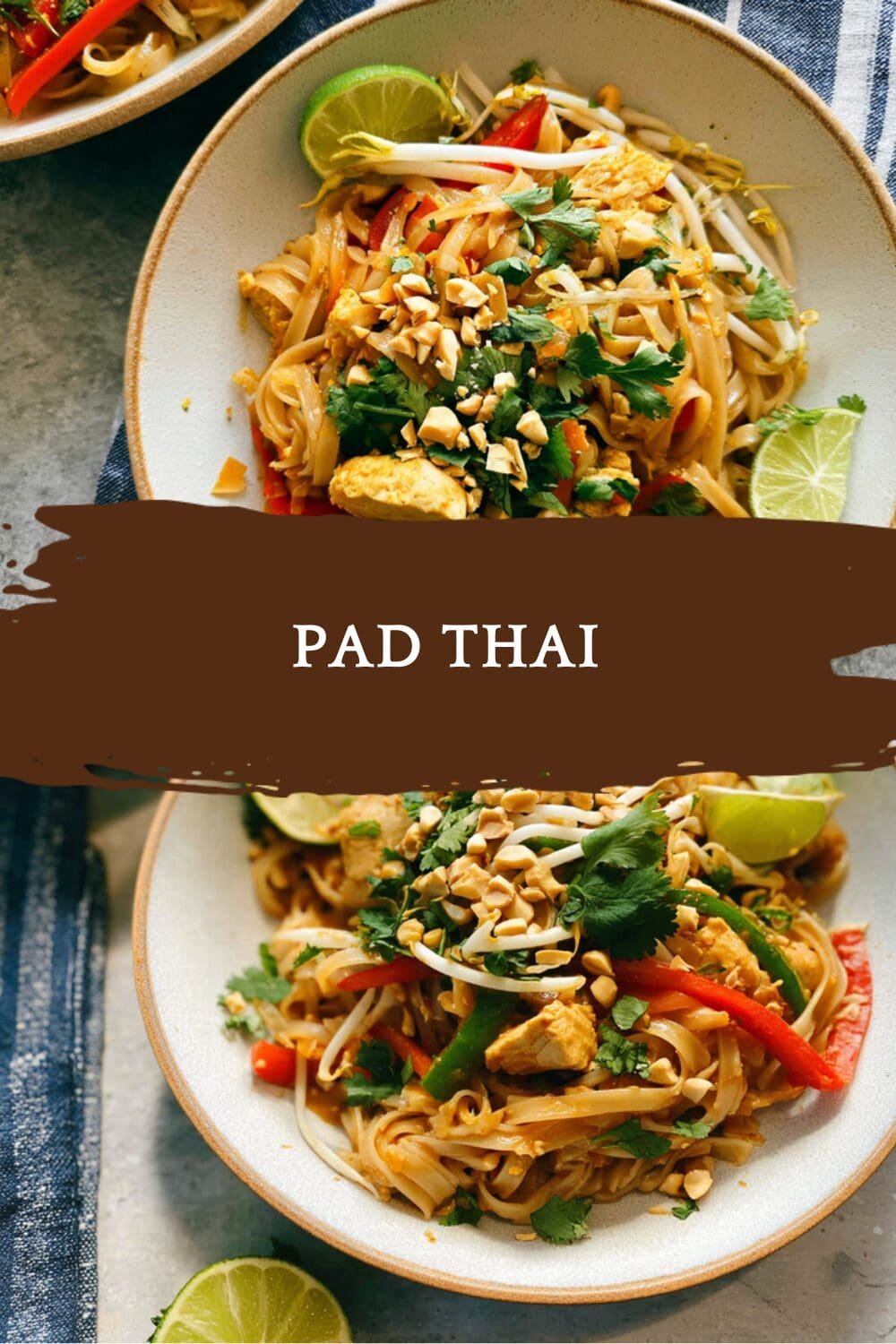
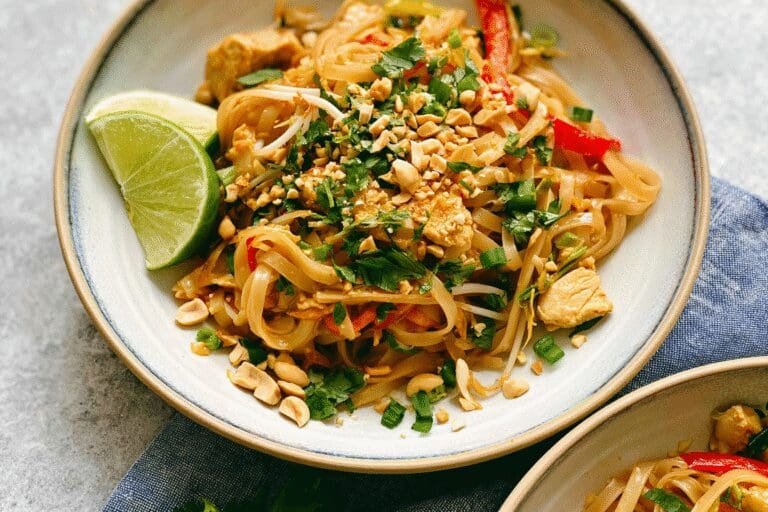
Pad Thai is a stir-fry dish made with rice noodles, shrimp, chicken, or tofu, peanuts, a scrambled egg and bean sprouts. The ingredients are sautéed together in a wok and tossed in a delicious Pad Thai sauce. It’s a common street food in Thailand and one of the most popular menu items at Thai restaurants around the country. To make vegan or vegetarian pad Thai, leave out the egg and substitute the fish sauce for more soy sauce.
What is traditional pad thai sauce made of?
Traditional pad thai sauce includes fish sauce, vinegar, sugar and tamarind paste. Tamarind paste is not easily found at a regular grocery stores so I substituted rice vinegar. If you would like to use tamarind paste, substitute about 2 Tablespoons in place of the rice vinegar in this recipe. I also added a big scoop of peanut butter to my sauce, because I think it gives the whole dish an added creaminess and boost of flavor that I love.
How do you make Pad Thai at home?
To make Pad Thai at home, first soak rice noodles in warm water until soft. Heat oil in a wok or large pan, then add your protein (shrimp, chicken, or tofu) and cook until done. Push ingredients to one side, scramble an egg on the other side. Add drained noodles, Pad Thai sauce, bean sprouts, and other vegetables. Toss everything together until well combined. Serve garnished with crushed peanuts, lime wedges, and fresh herbs. The key is high heat and quick cooking to maintain the noodles’ texture without making them mushy.
Is Pad Thai gluten-free?
Traditional Pad Thai can be gluten-free as rice noodles don’t contain gluten. However, the sauce often contains soy sauce which typically includes wheat. To make gluten-free Pad Thai, use tamari or certified gluten-free soy sauce instead of regular soy sauce. Also check that any store-bought tamarind paste or other sauce ingredients are gluten-free. When dining out, always inform your server about your gluten sensitivity as cross-contamination can occur in restaurant kitchens.
Can Pad Thai be made vegetarian or vegan?
Pad Thai can easily be adapted for vegetarian or vegan diets. For a vegetarian version, simply use tofu instead of meat or shrimp. To make it vegan, omit the egg or use a scrambled tofu substitute. Replace fish sauce with a combination of soy sauce and a pinch of salt to maintain the umami flavor. Most other ingredients like rice noodles, bean sprouts, peanuts, and tamarind are already plant-based. Many Thai restaurants offer vegetarian and vegan Pad Thai options, but it’s always best to confirm the ingredients when ordering.
Pad Thai
🍜 Pad Thai Simple Homemade Recipe brings the authentic flavors of Thailand to your kitchen in just 30 minutes, combining savory, sweet, and tangy elements.
⏱️ This quick recipe is perfect for a wholesome meal that’s easy to prepare, customizable with your choice of protein, and packed with fresh vegetables.
- Total Time: 30 minutes
- Yield: 4 servings
Ingredients
– 8 ounces rice noodles These form the base of your Thai noodles dish, soaking up the sauce for that perfect chewy texture.
– 3 Tablespoons oil Used for stir-frying, it helps evenly cook the protein and veggies without sticking.
– 3 cloves garlic (minced) Adds a pungent aroma and depth, enhancing the overall Thai cuisine taste.
– 8 ounces uncooked shrimp, chicken, or extra-firm tofu (cut into small pieces) Provides protein; shrimp or chicken for a hearty feel, tofu for a vegetarian option.
– 2 eggs Scrambled into the mix, they add richness and help bind the ingredients together.
– 1 cup fresh bean sprouts Offer crunch and freshness, plus vitamins for a nutritious boost.
– 1 red bell pepper (thinly sliced) Brings sweetness and color, making your Pad Thai visually appealing and full of antioxidants.
– 3 green onions (chopped) Add a mild onion flavor and garnish, perfect for that final pop of green.
– 1/2 cup dry roasted peanuts Provide crunch and nutty taste, plus healthy fats for a balanced meal.
– 2 limes Squeezed for juice, they add tanginess that brightens the whole noodle dishes experience.
– 1/2 cup fresh cilantro (chopped) Infuses a herb burst that elevates the authentic Thai food authenticity.
– 3 Tablespoons fish sauce Creates the umami base, essential for that traditional Pad Thai flavor.
– 1 Tablespoon low-sodium soy sauce Balances saltiness and adds depth; opt for gluten-free if needed.
– 5 Tablespoons light brown sugar Brings sweetness to counter the tang, making the sauce irresistible.
– 2 Tablespoons rice vinegar or tamarind paste Adds sour notes; tamarind makes it more authentic.
– 1 Tablespoon Sriracha hot sauce (or more to taste) Kicks in the heat, adjustable for your spice preference.
– 2 Tablespoons creamy peanut butter (optional) If you want extra creaminess, this boosts the flavor profile.
Instructions
1-First Step: Start by cooking the rice noodles. Bring a pot of water to boil and cook 8 ounces of rice noodles according to package instructions until tender, usually about 5-7 minutes. Once done, rinse them under cold water to stop the cooking process and set them aside for that perfect chewy texture in your Asian stir-fry.
2-Second Step: Prepare the homemade Pad Thai sauce. In a medium bowl, combine 3 Tablespoons fish sauce, 1 Tablespoon low-sodium soy sauce, 5 Tablespoons light brown sugar, 2 Tablespoons rice vinegar or tamarind paste, 1 Tablespoon Sriracha hot sauce, and 2 Tablespoons creamy peanut butter if you’re using it. Mix well and set aside; this step adapts easily for vegetarian Pad Thai by swapping fish sauce for soy sauce.
3-Third Step: Heat the oil in a wok or large saucepan. Pour 1.5 Tablespoons of oil into the pan over medium-high heat. Once hot, add your chosen protein 8 ounces of uncooked shrimp, chicken, or tofu cut into small pieces along with 3 minced garlic cloves and 1 thinly sliced red bell pepper. Cook shrimp for 1-2 minutes per side until pink, or chicken for 3-4 minutes, flipping once until it’s fully cooked through.
4-Fourth Step: Scramble the eggs. Push the cooked ingredients to one side of the pan and add the remaining oil if needed. Pour in 2 beaten eggs on the empty side and scramble them until they’re broken into small pieces, about 1 minute. This adds a lovely protein boost and helps the Thai street food vibe shine.
5-Fifth Step: Combine everything in the wok. Add the cooked rice noodles, the prepared sauce, 1 cup fresh bean sprouts, and most of the 1/2 cup dry roasted peanuts (save some for topping) to the pan. Toss all ingredients together over high heat for 2-3 minutes until everything is thoroughly coated and heated through. For a gluten-free version, make sure your soy sauce is certified gluten-free.
6-Sixth Step: Garnish and serve. Remove from heat and top your Pad Thai with the remaining peanuts, 3 chopped green onions, 1/2 cup fresh cilantro, and wedges from 2 limes. Serve immediately for the best flavor it’s a hit for family dinners or as a quick Pad Thai dinner option. Remember, high heat is key to keeping the noodles from getting mushy, so keep things moving!
Last Step:
Please leave a rating and comment letting us know how you liked this recipe! This helps our business to thrive and continue providing free, high-quality recipes for you.Notes
🌿 Prepare protein and vegetables ahead to save time during cooking.
🍋 Use tamarind paste instead of vinegar for a more authentic tangy flavor.
🥜 Add peanut butter to the sauce for extra creaminess and depth of flavor.
- Prep Time: 15 minutes
- Cook Time: 15 minutes
- Category: Main Dish
- Method: Stir-Frying
- Cuisine: Thai
Nutrition
- Serving Size: 1 serving
- Calories: 627
- Sugar: 20g
- Sodium: 1867mg
- Fat: 27g
- Saturated Fat: 4g
- Unsaturated Fat: 21g
- Trans Fat: 0.1g
- Carbohydrates: 77g
- Fiber: 5g
- Protein: 22g
- Cholesterol: 153mg