Why You’ll Love This Coconut Curry Shrimp
Coconut Curry Shrimp is a dish that brings together the best of flavors in a simple, satisfying meal. Imagine the creamy richness of coconut milk mixed with bold curry spices and tender shrimp, creating a recipe that’s both easy and exciting for any home cook. You’ll find it hits the spot for quick dinners or when you’re craving something exotic yet familiar.
This recipe stands out for its ease of preparation, taking just under 30 minutes from start to finish, making it ideal for busy weeknights or impromptu gatherings. Health benefits abound with the lean protein from shrimp, which offers omega-3 fatty acids to support heart health, while the spices add anti-inflammatory perks from ingredients like ginger and garlic. Plus, its versatility lets you tweak it for various diets, from gluten-free to vegan, without losing that signature taste.
Beyond the basics, the distinctive flavor profile delivers a comforting yet vibrant experience that feels like a mini vacation in your kitchen. Whether you’re a food enthusiast exploring new tastes or a busy parent needing a fast option, this Coconut Curry Shrimp recipe adapts to your lifestyle. To make it even more special, try pairing it with a refreshing drink like a Christmas cocktail for a full meal that’s where you’ll find inspiration on our site for complementary beverages.
Health and Flexibility Highlights
Loaded with nutrients, this Coconut Curry Shrimp promotes wellness through its key components. The shrimp provides essential proteins for muscle maintenance, and coconut milk adds healthy fats that keep you satisfied. For those watching their diets, options like substituting shrimp make it easy to go vegan or keto.
One fun twist is how versatile it is for different occasions, from family dinners to entertaining friends. If you’re looking for more sweet treats to balance your savory meals, check out our holiday drink ideas that pair perfectly with spicy dishes.
Jump to:
- Why You’ll Love This Coconut Curry Shrimp
- Health and Flexibility Highlights
- Essential Ingredients for Coconut Curry Shrimp
- Main Ingredients List
- Special Dietary Options
- How to Prepare the Perfect Coconut Curry Shrimp: Step-by-Step Guide
- Dietary Substitutions to Customize Your Coconut Curry Shrimp
- Mastering Coconut Curry Shrimp: Advanced Tips and Variations
- How to Store Coconut Curry Shrimp: Best Practices
- FAQs: Frequently Asked Questions About Coconut Curry Shrimp
- What is the best way to thaw frozen shrimp for coconut curry shrimp?
- How can I prevent shrimp from becoming rubbery in coconut curry shrimp?
- Can I make the coconut curry shrimp less spicy?
- What vegetables work well in coconut curry shrimp?
- How should I store leftover coconut curry shrimp, and how long will it last?
- Coconut Curry Shrimp
- Ingredients
- Instructions
- Last Step:
- Notes
- Nutrition
- Did you make this recipe?
Essential Ingredients for Coconut Curry Shrimp
Gathering the right ingredients is key to making a delicious Coconut Curry Shrimp that bursts with flavor. This section breaks down everything you need, focusing on fresh, quality items for the best results. Let’s dive into the specifics to ensure your dish turns out just right.
Main Ingredients List
- 2 tablespoons of neutral oil
- 1 pound (about 450 grams) of large peeled and deveined shrimp (21/25 size)
- 2 cloves of minced garlic
- 2 slices of ginger
- ½ to 1 can (4 ounces or 115 grams per full can) of Thai red curry paste, adjusted for your preferred spice level
- 2 teaspoons of brown sugar or palm sugar
- 1 medium onion, cut into small wedges or large dice
- ½ of a red bell pepper, thinly sliced
- 13.5 ounces (1 can) of full-fat coconut milk
- Fresh cilantro, as an optional garnish
- Additional salt, to taste, especially if using less than a full can of curry paste
This structured list ensures you have all the precise measurements for a perfect Coconut Curry Shrimp. Each ingredient plays a role in building layers of taste, from the aromatic garlic and ginger to the creamy coconut milk that ties it all together.
Special Dietary Options
For those with specific needs, adaptations keep this recipe inclusive. If you’re vegan, swap the shrimp with firm tofu or chickpeas to maintain that protein punch. To make it gluten-free, just double-check that your curry paste and spices don’t have hidden gluten most natural options work fine. For a lower-calorie version, opt for light coconut milk and cut back on the oil to lighten things up without sacrificing flavor.
| Ingredient Type | Original | Substitution |
|---|---|---|
| Protein | Shrimp | Tofu or chickpeas |
| Milk Base | Full-fat coconut milk | Light coconut milk or almond milk |
| Spices | Thai red curry paste | Mild curry powder for less heat |
As you can see in this table, making adjustments is straightforward to fit your dietary goals. For more ideas on ingredient swaps, a quick search on external sites like Check out more curry recipes can provide extra inspiration.
How to Prepare the Perfect Coconut Curry Shrimp: Step-by-Step Guide
Getting started with Coconut Curry Shrimp is all about simple steps that lead to amazing results. Begin by preparing your ingredients to make the process smooth and enjoyable. This guide walks you through each part, ensuring even beginners feel confident in the kitchen.
- Prepare all ingredients: Peel and devein the shrimp, mince the garlic, slice the ginger, cut the onion into wedges or dice, and thinly slice the red bell pepper.
- Heat 2 tablespoons of neutral oil in a large skillet over medium-high heat.
- Add the onion and sauté until it softens, about 3-4 minutes, building a flavorful base.
- Stir in the minced garlic and ginger slices, cooking for another minute to release their aroma.
- Add ½ to 1 can of Thai red curry paste and 2 teaspoons of brown sugar, stirring to coat and cook for about 2 minutes.
- Pour in the 13.5 ounces of full-fat coconut milk and bring the mixture to a gentle simmer.
- Mix in the sliced red bell pepper and let it cook for 5 minutes until it softens but stays vibrant.
- Add the shrimp and cook for 3-5 minutes until they turn pink and opaque.
- Season with additional salt if needed, especially if you used less curry paste.
- For adaptations, swap shrimp with tofu for a vegan version, and serve hot over rice, garnished with fresh cilantro for extra zing.
Following these steps keeps your Coconut Curry Shrimp tender and full of flavor. If you’re interested in more seafood-inspired recipes, explore our classic dessert pairings that might complement your meal in unexpected ways. Remember, timing is key to avoid overcooking, so keep an eye on those shrimp!

Dietary Substitutions to Customize Your Coconut Curry Shrimp
One of the joys of Coconut Curry Shrimp is how easy it is to tailor for different tastes and needs. Whether you’re cutting calories or going plant-based, small changes can make a big difference. Let’s look at some practical swaps that keep the dish delicious.
For protein alternatives, replace shrimp with firm tofu, tempeh, chickpeas, or even chicken breast to fit vegan, vegetarian, or other diets. If you’re into seafood variations, scallops or white fish can add a fresh twist while keeping it light. On the vegetable side, swap the red bell pepper with zucchini, snap peas, or spinach for seasonal flair or to boost nutrition.
When it comes to sauce adjustments, use light coconut milk instead of full-fat to reduce calories, or make your own curry blend with turmeric and cumin for a personalized touch. To tame the heat, cut back on the curry paste or add a bit more sugar for balance. Experimenting like this turns every meal into something unique, perfect for food enthusiasts and busy families alike.
Mastering Coconut Curry Shrimp: Advanced Tips and Variations
Taking your Coconut Curry Shrimp to the next level involves a few pro techniques that enhance flavor and presentation. Start with fresh, high-quality shrimp and briefly toast the curry paste to deepen its taste this simple step makes a world of difference. For an extra kick, marinate the shrimp in lime juice and spices for a few minutes before cooking.
Flavor variations can include adding lemongrass or kaffir lime leaves for a citrusy note, or mixing in roasted cashews for crunch. If you love sweet contrasts, diced mango adds a fun element that brightens the dish. Presentation matters too: Serve in shallow bowls with fresh cilantro on top and a lime wedge for that pop of color and acidity.
Make-ahead options are great for busy schedules prepare the base ahead and add shrimp fresh to keep it tender. As you master this, you’ll see how adaptable Coconut Curry Shrimp can be for any occasion. For more creative recipe ideas, checking external resources like Benefits of coconut milk can offer deeper insights into ingredients.
How to Store Coconut Curry Shrimp: Best Practices
Proper storage keeps your Coconut Curry Shrimp tasting fresh and safe to eat later. After cooking, let it cool quickly before refrigerating to lock in flavors. Store leftovers in an airtight container in the fridge for up to 3 days, which helps maintain that creamy texture from the coconut milk.
For longer hold, freeze the dish in a sealed container for up to 2 months just thaw it overnight in the fridge. When reheating, use low heat on the stove to gently warm it up, stirring to prevent the sauce from separating. If you’re meal prepping, keep the shrimp separate from the sauce until serving to avoid sogginess.
FAQs: Frequently Asked Questions About Coconut Curry Shrimp
What is the best way to thaw frozen shrimp for coconut curry shrimp?
The best method is to place frozen shrimp in a bowl of cold water, removing any packaging first. Change the water every 5 minutes to speed up thawing. This process typically takes about 15 minutes and helps the shrimp thaw evenly without starting to cook them. Avoid using warm or hot water, as it can affect the texture and safety of the shrimp.
How can I prevent shrimp from becoming rubbery in coconut curry shrimp?
To keep shrimp tender, cook them separately first by searing until they’re about 75% opaque, then remove them from the pan. Finish cooking the shrimp by adding them back into the curry sauce at the end for a few minutes. This approach avoids overcooking, which is a common cause of rubbery texture in shrimp dishes.
Can I make the coconut curry shrimp less spicy?
Yes, you can reduce the heat by using less red curry paste—start with half a can instead of a full can. You can also omit chili flakes or use a mild curry powder. Adjust salt and sweetness at the end for balance. These simple tweaks help control spiciness while maintaining rich flavor.
What vegetables work well in coconut curry shrimp?
Vegetables like bell peppers, snap peas, spinach, carrots, and zucchini are great additions. You can add about 1½ cups total, chopped to bite-sized pieces, so they cook quickly alongside the curry. Adding vegetables not only boosts nutrition but also adds color and texture to the dish.
How should I store leftover coconut curry shrimp, and how long will it last?
Store leftovers in an airtight container in the refrigerator. For best quality, consume within three days. When reheating, warm gently on the stove over low heat to avoid overcooking the shrimp. Leftovers can also be frozen for up to one month, but thaw in the refrigerator before reheating.
Coconut Curry Shrimp
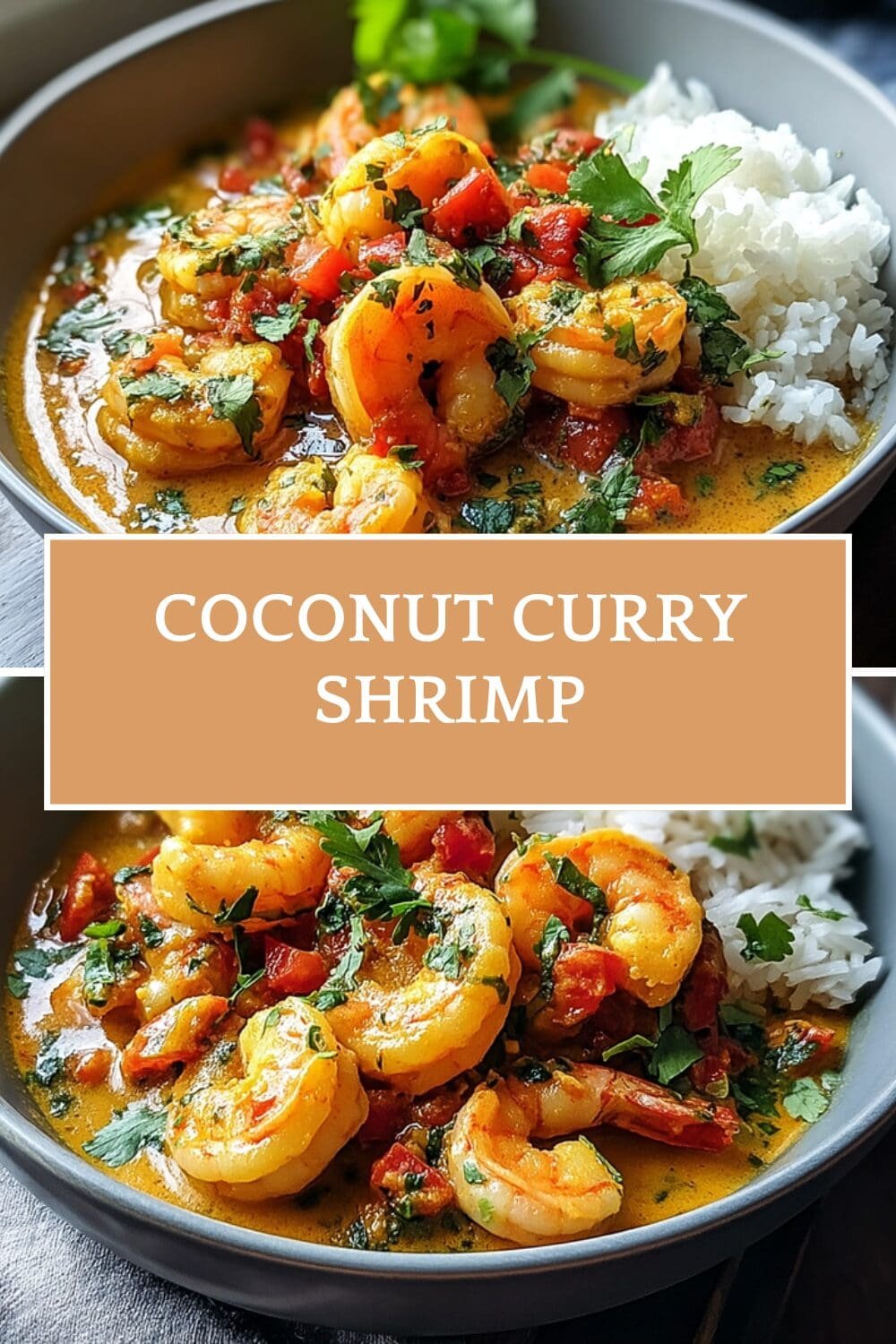
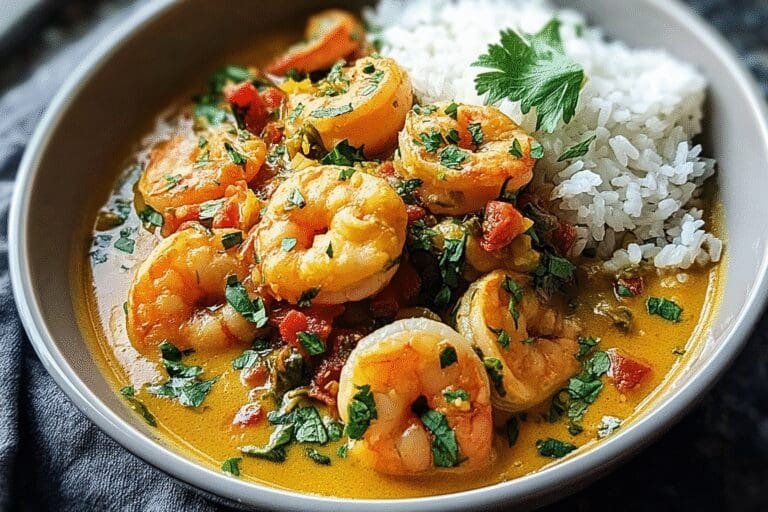
🦐 This Coconut Curry Shrimp recipe combines succulent shrimp with creamy coconut milk and aromatic spices for a rich, flavorful dish.
🌴 Enjoy a deliciously balanced meal that’s easy to prepare and perfect for those craving a tropical-inspired curry.
- Total Time: 25 minutes
- Yield: 4 servings 1x
Ingredients
2 tablespoons neutral oil
1 pound (about 450 grams) large peeled and deveined shrimp (21/25 size)
2 cloves minced garlic
2 slices ginger
½ to 1 can (4 ounces or 115 grams per full can) Thai red curry paste for spice level
2 teaspoons brown sugar or palm sugar
1 medium onion, cut into small wedges or large dice
½ of a red bell pepper, thinly sliced
13.5 ounces (1 can) full-fat coconut milk
Fresh cilantro for garnish
Additional salt to taste
Instructions
1-Prepare all ingredients: Peel and devein the shrimp, mince the garlic, slice the ginger, cut the onion into wedges or dice, and thinly slice the red bell pepper.
2-Heat: Heat 2 tablespoons of neutral oil in a large skillet over medium-high heat.
3-Add the onion and sauté until it softens, about 3-4 minutes, building a flavorful base.
4-Stir in the minced garlic and ginger slices, cooking for another minute to release their aroma.
5-Add ½ to 1 can of Thai red curry paste and 2 teaspoons of brown sugar, stirring to coat and cook for about 2 minutes.
6-Pour in the 13.5 ounces of full-fat coconut milk and bring the mixture to a gentle simmer.
7-Mix in the sliced red bell pepper and let it cook for 5 minutes until it softens but stays vibrant.
8-Add the shrimp and cook for 3-5 minutes until they turn pink and opaque.
9-Season with additional salt if needed, especially if you used less curry paste.
10-For adaptations, swap shrimp with tofu for a vegan version, and serve hot over rice, garnished with fresh cilantro for extra zing.
Last Step:
Please leave a rating and comment letting us know how you liked this recipe! This helps our business to thrive and continue providing free, high-quality recipes for you.Notes
🦐 Use fresh or frozen shrimp, properly thawed, for best texture and flavor.
🌶 Adjust the amount of curry paste according to your preferred spice level.
🥥 Use full-fat coconut milk to achieve a creamy, rich curry base.
- Prep Time: 10 minutes
- Cook Time: 15 minutes
- Category: Main Dish
- Method: Sautéing
- Cuisine: Thai
- Diet: Gluten-Free
Nutrition
- Serving Size: 1 cup
- Calories: 320 kcal
- Sugar: 5 g
- Sodium: 300 mg
- Fat: 22 g
- Saturated Fat: 18 g
- Unsaturated Fat: 4 g
- Trans Fat: 0 g
- Carbohydrates: 8 g
- Fiber: 2 g
- Protein: 22 g
- Cholesterol: 190 mg