Why You’ll Love This Pickled Mustard Seeds
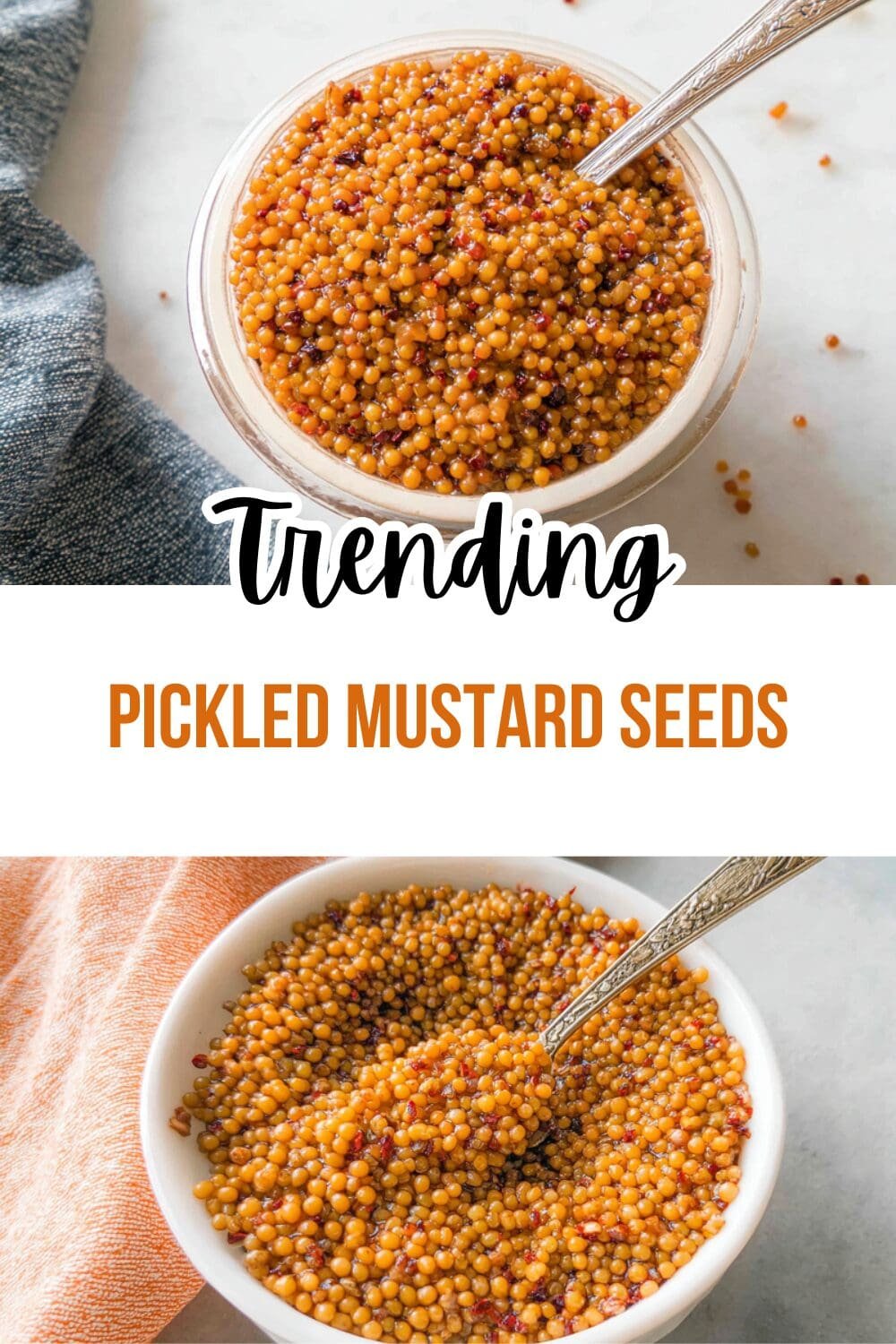
Pickled mustard seeds offer a fun and easy way to add a burst of tangy flavor to your meals, and this homemade pickled mustard seeds recipe is a favorite for home cooks looking for quick kitchen wins. These little seeds pack a punch with their spicy kick and versatile use, making them ideal for everything from dressings to toppings on your favorite dishes. Not only are they simple to prepare, but they also bring health benefits and adaptability right to your table.
First, the ease of preparation makes this recipe shine, especially for beginners. It requires just a few basic ingredients and takes about 37 minutes total, including 2 minutes of prep, 5 minutes of cooking, and 30 minutes of cooling, so you can whip it up even on a busy weeknight. Additionally, pickled mustard seeds are rich in antioxidants and nutrients like vitamins A and C, calcium, iron, and potassium, promoting digestion and overall wellness while fitting into vegan, gluten-free, and low-calorie diets. Whether you’re a student grabbing a quick snack or a working professional prepping meals ahead, these seeds add a distinctive tangy, spicy taste that elevates everyday foods into something special without overwhelming your palate.
- Perfect for adding a zesty crunch to salads or sandwiches.
- Supports healthy eating with their nutrient-dense profile.
- Easily customized to suit various tastes and dietary needs.
To dive deeper into how these seeds can enhance your recipes, check out our guide on green beans recipes where pickled mustard seeds make a tasty addition.
Jump to:
- Why You’ll Love This Pickled Mustard Seeds
- Essential Ingredients for Pickled Mustard Seeds
- How to Prepare the Perfect Pickled Mustard Seeds: Step-by-Step Guide
- Key Preparation Tips for Success
- Dietary Substitutions to Customize Your Pickled Mustard Seeds
- Mastering Pickled Mustard Seeds: Advanced Tips and Variations
- Tips for Best Results and Flavor Variations
- How to Store Pickled Mustard Seeds: Best Practices
- FAQs: Frequently Asked Questions About Pickled Mustard Seeds
- What are pickled mustard seeds and how are they made?
- What are the health benefits of eating pickled mustard seeds?
- Which type of mustard seeds is best for pickling?
- How can I use pickled mustard seeds in cooking?
- How should pickled mustard seeds be stored and how long do they last?
- Pickled Mustard Seeds
- Ingredients
- Instructions
- Last Step:
- Notes
- Nutrition
- Did you make this recipe?
Essential Ingredients for Pickled Mustard Seeds
Building on the tangy appeal of pickled mustard seeds, selecting the right ingredients is key to achieving that perfect balance of flavor and texture. This section breaks down exactly what you need for a successful batch, starting with the main components that create the magic. Remember, using precise measurements ensures your homemade pickled mustard seeds turn out just right every time.
For the homemade pickled mustard seeds recipe, here is a detailed list of all the ingredients based on the provided details. I’ve extracted and formatted them as a structured list to make it easy to follow:
- 4 ounces yellow mustard seeds – the base for a mild and tangy flavor.
- 1 cup rice vinegar – essential for pickling and adding acidity.
- 2 tablespoons sugar (white or brown) – enhances sweetness and helps balance flavors.
- 3 teaspoons kosher salt – preserves the seeds and boosts taste.
- Optionally, 2 cloves of garlic, peeled and lightly smashed – adds a subtle aromatic depth if desired.
These ingredients are naturally vegan and gluten-free, making them adaptable for various diets. By using health benefits of mustard seeds as outlined in reliable sources, you can see how they contribute to a nutrient-packed condiment.
How to Prepare the Perfect Pickled Mustard Seeds: Step-by-Step Guide
Now that you know the ingredients, let’s get into the fun part with this step-by-step guide for making pickled mustard seeds. This homemade pickled mustard seeds recipe is straightforward and rewarding, turning basic pantry staples into a tangy treat in no time. Follow these instructions closely for the best results, as they incorporate key tips to reduce bitterness and enhance flavor.
Start by placing the 4 ounces of yellow mustard seeds in a glass jar, filling about one-quarter of a 12- to 16-ounce jar, and add the optional 2 cloves of garlic if you want extra flavor. Next, blanch the mustard seeds by boiling them in cold water, then strain them to reduce any bitterness. In a small saucepan, heat the 3 teaspoons of kosher salt, 2 tablespoons of sugar, and 1 cup of rice vinegar until it reaches a boil and the solids fully dissolve. After that, add the strained seeds to the jar, pour the hot vinegar mixture over them, and let everything cool to room temperature before sealing the jar tightly.
Key Preparation Tips for Success
Once prepared, refrigerate the jar for up to 2 weeks to let the flavors develop. This process, which takes about 37 minutes total including prep, cooking, and cooling, ensures the seeds become plump and tangy. For stronger flavor, let them sit in the fridge for 2-3 days before using, and remember to use a measuring cup for pouring the hot brine to avoid messes. Always double the brine ingredients if you’re using a larger jar, and consider adding elements like hot peppers or bay leaves for extra spice and crunch.
| Step | Description | Time Required |
|---|---|---|
| 1. Prepare seeds | Place seeds and garlic in jar; blanch and strain | 2 minutes |
| 2. Heat brine | Boil salt, sugar, and vinegar | 5 minutes |
| 3. Combine and cool | Pour brine over seeds and cool | 30 minutes |
This method highlights how to make pickled mustard seeds for tangy flavor, making it versatile for busy parents or food enthusiasts.

Dietary Substitutions to Customize Your Pickled Mustard Seeds
One of the best parts of this pickled mustard seeds recipe is how easy it is to tweak for different tastes and needs. Whether you’re aiming for a milder version or adjusting for dietary restrictions, these substitutions keep things simple and delicious. This section explores options that build on the core ingredients to suit everyone from diet-conscious individuals to baking enthusiasts.
For protein and main component alternatives, you can replace yellow mustard seeds with brown ones for a stronger heat, or stick to yellow for a gentler taste. When it comes to vegetable and seasoning modifications, try adding sliced jalapeños for spice or fresh ginger for a zesty twist. Additionally, swap rice vinegar with apple cider vinegar for a fruitier note, or incorporate herbs like turmeric to adapt the recipe seasonally while keeping it low-calorie or vegan-friendly.
The beauty of pickling lies in its flexibility, allowing you to experiment while maintaining the core tangy flavor that makes pickled mustard seeds so addictive.
Mastering Pickled Mustard Seeds: Advanced Tips and Variations
Taking your pickled mustard seeds to the next level involves some pro techniques and creative twists that can impress your guests at any gathering. With this homemade pickled mustard seeds recipe as your base, you can explore ways to enhance aroma, texture, and presentation for better results. Whether you’re a party host or a traveler looking for portable snacks, these tips will help you refine your skills.
Tips for Best Results and Flavor Variations
Begin by toasting the mustard seeds gently before blanching to boost their aroma, or add red pepper flakes for a spicy kick that pairs well with dishes like grilled meats. To maintain seed crunch, include bay leaves in the mix, and always allow the seeds to refrigerate for 2-3 days for a more intense flavor. If you’re preparing larger batches, double the brine ingredients and store them properly to avoid freezing, which can alter texture.
- Toast seeds for enhanced aroma before pickling.
- Experiment with herbs like dill for fresh flavors.
- Serve as a garnish on proteins, linking back to recipes such as salmon with crispy potatoes for a tangy boost.
- Make ahead in bulk for up to 2 weeks in the fridge.
These variations ensure pickled mustard seeds fit into diverse meals, from casual family dinners to elegant events.
How to Store Pickled Mustard Seeds: Best Practices
Proper storage is crucial to keep your pickled mustard seeds fresh and flavorful, extending their shelf life while preserving that homemade tangy mustard seeds goodness. After preparing your batch, focus on refrigeration to maintain quality, especially since these seeds are best enjoyed cold. This section covers practical advice for home cooks and busy parents who meal prep regularly.
Store the pickled mustard seeds in an airtight container in the refrigerator for up to 2 weeks, ensuring they stay crisp and tasty. Avoid freezing as it can change the texture, and always use a clean utensil to prevent contamination. For meal prep, portion them into smaller jars for easy access throughout the week, making them a handy addition to salads or snacks on the go.
FAQs: Frequently Asked Questions About Pickled Mustard Seeds
What are pickled mustard seeds and how are they made?
Pickled mustard seeds are mustard seeds that have been soaked and preserved in a vinegar-based brine, often with added salt, sugar, and spices. This process softens the seeds, making them plump with a burst of tangy, mildly spicy flavor. Pickling transforms the hard texture of raw mustard seeds into a more tender and palatable condiment used in various recipes.
What are the health benefits of eating pickled mustard seeds?
Pickled mustard seeds provide several nutrients including fiber, selenium, manganese, and magnesium, which support digestion, immune function, and metabolism. In addition, they contain antioxidants and anti-inflammatory compounds. Eating pickled mustard seeds adds flavor to dishes without adding significant calories, sugar, or fat, making them a healthy flavor enhancer.
Which type of mustard seeds is best for pickling?
Yellow mustard seeds are the most popular choice for pickling due to their mild and slightly sweet flavor, which suits a wide range of dishes. Brown and black mustard seeds can also be pickled but have a stronger, more pungent taste that may not be desirable for all recipes. Choose based on the flavor intensity you prefer.
How can I use pickled mustard seeds in cooking?
Pickled mustard seeds can be used as a flavorful topping on salads, sandwiches, roasted vegetables, and meats. They add a pop of texture and a tangy, mildly spicy note. You can also stir them into sauces, dressings, or grain bowls for extra zing. Because they’re softer than raw seeds, they work well as a finished garnish.
How should pickled mustard seeds be stored and how long do they last?
Store pickled mustard seeds in an airtight container in the refrigerator to maintain their flavor and freshness. When properly refrigerated, they can last for up to 3 months. Always use a clean utensil to avoid contamination, and discard them if you notice any mold, off smells, or changes in texture.
Pickled Mustard Seeds
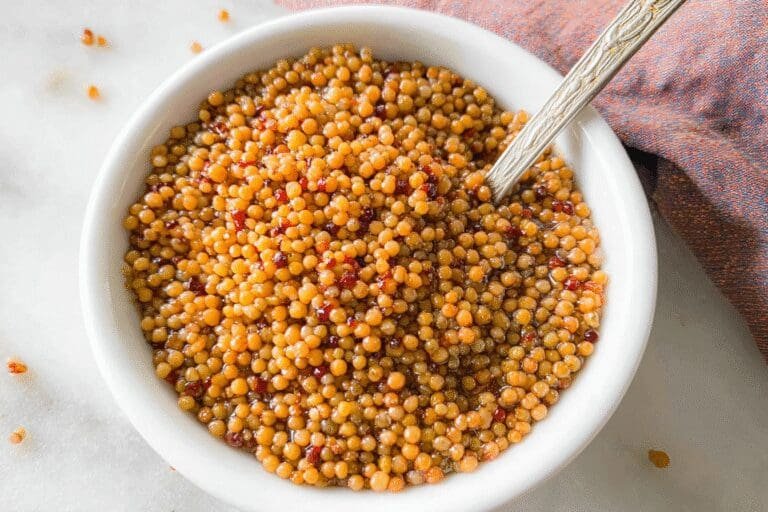
🌱 This Homemade Pickled Mustard Seeds recipe brings a tangy and flavorful punch to your dishes, enhancing everything from sandwiches to salads.
🍶 Easy to make and versatile, this pickled condiment adds a unique zest with minimal ingredients and simple steps.
- Total Time: 37 minutes
- Yield: About 8 servings
Ingredients
– 4 ounces yellow mustard seeds the base for a mild and tangy flavor
– 1 cup rice vinegar essential for pickling and adding acidity
– 2 tablespoons sugar (white or brown) enhances sweetness and helps balance flavors
– 3 teaspoons kosher salt preserves the seeds and boosts taste
– 2 cloves garlic peeled and lightly smashed adds a subtle aromatic depth if desired
Instructions
1. Prepare seeds: Place seeds and garlic in jar; blanch and strain
2. Heat brine: Boil salt, sugar, and vinegar
3. Combine and cool: Pour brine over seeds and cool
Last Step:
Please leave a rating and comment letting us know how you liked this recipe! This helps our business to thrive and continue providing free, high-quality recipes for you.Notes
🌶️ Add hot peppers or red pepper flakes to the jar for a spicy kick.
🍃 Including a bay leaf helps the mustard seeds retain their crunchy texture.
⏳ Allow the pickled seeds to sit in the refrigerator for 2-3 days for stronger flavor development.
- Prep Time: 2 minutes
- Cooling and pickling time: 30 minutes
- Cook Time: 5 minutes
- Category: Condiment, Pickle
- Method: Pickling
- Cuisine: International
- Diet: Vegetarian, Gluten-Free
Nutrition
- Serving Size: 1 tablespoon
- Calories: 81
- Sugar: 4g
- Sodium: 874mg
- Fat: 5g
- Saturated Fat: 0.2g
- Carbohydrates: 7g
- Fiber: 2g
- Protein: 3g
- Cholesterol: 0mg