Why You’ll Love This Japanese Egg Drop Soup
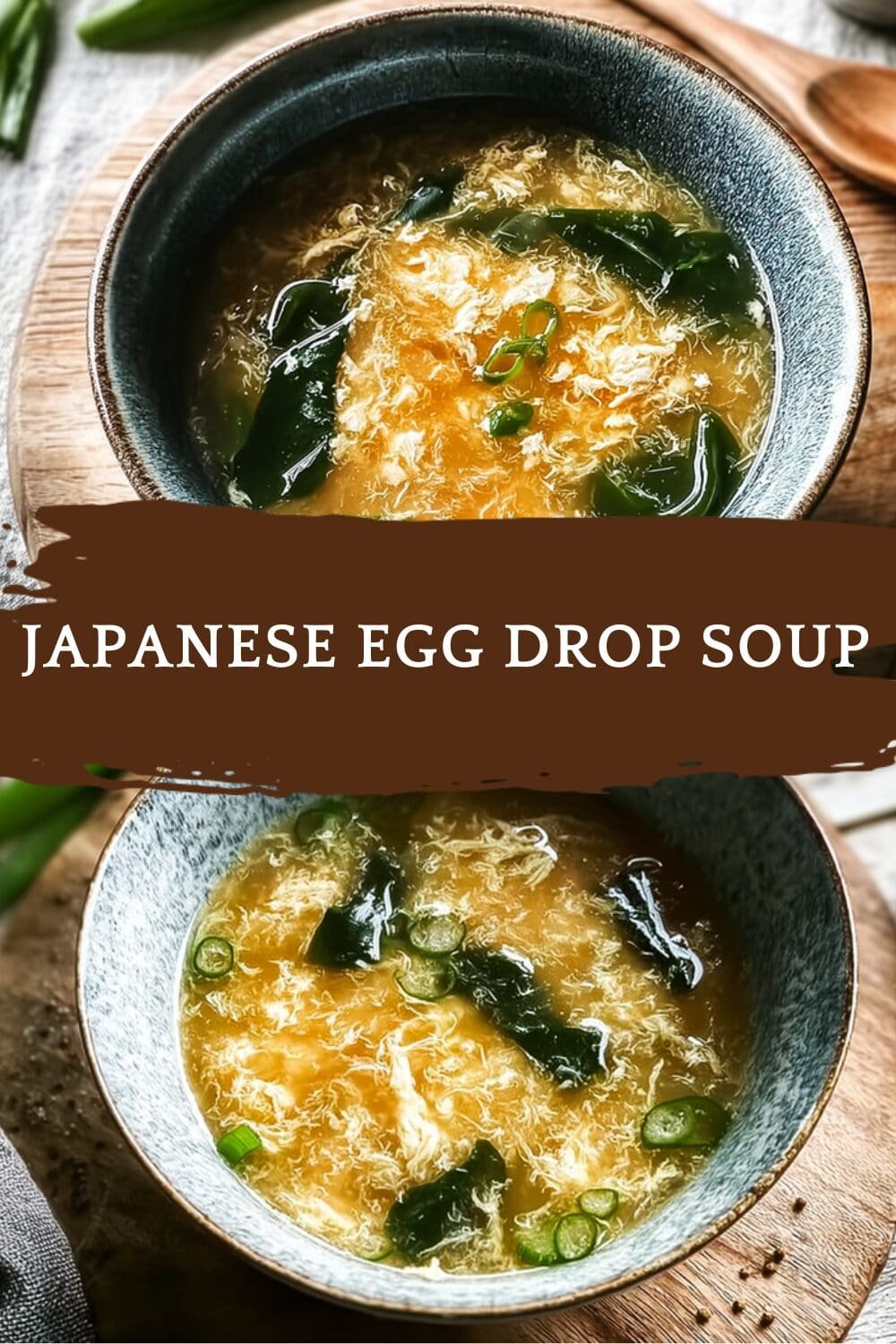
Japanese Egg Drop Soup, also known as kakitamajiru, is a go-to choice for anyone seeking a quick and satisfying meal. This light soup comes together in just about 15 minutes, using simple ingredients that deliver big on flavor. Its dashi broth base gives it a thinner and more delicate texture compared to Chinese-style egg drop soup, making it perfect for busy days when you want something comforting without the fuss.
One of the best parts is how easy it is to prepare, ideal for home cooks, busy parents, or students looking for a healthy option that fits into a hectic schedule. You’ll appreciate the low-calorie profile, around 85 calories per serving, which makes it a smart pick for diet-conscious individuals. Plus, it’s packed with moderate protein from the eggs and nutrients from veggies like baby spinach, helping you feel full while supporting your wellness goals.
This soup stands out for its versatility, allowing you to tweak it for different needs, such as vegan swaps or gluten-free tweaks. The umami-rich taste from dashi, soy sauce, and a hint of sake offers a unique, exotic twist that feels both comforting and fresh. Whether you’re a food enthusiast exploring new flavors or a working professional needing a speedy lunch, this recipe is sure to become a favorite in your kitchen.
Health Benefits and Custom Options
As mentioned, this soup provides a balance of protein and carbohydrates, making it a light yet nourishing dish. For those watching their intake, the ingredients like baby spinach add vitamins without piling on calories. You can easily adapt it by adding extras such as mushrooms or tofu, which enhance the nutrition while keeping things simple.
- Great for busy families due to its quick prep time.
- Offers a savory umami flavor that’s hard to resist.
- Supports a healthy lifestyle with its low-calorie count.
Here’s a quick table comparing this soup to other light meals:
| Feature | Japanese Egg Drop Soup | Other Soups |
|---|---|---|
| Prep Time | 15 minutes | 20-30 minutes |
| Calories per Serving | About 85 | 100-200 |
| Customization | High (vegan, gluten-free) | Moderate |
Jump to:
- Why You’ll Love This Japanese Egg Drop Soup
- Health Benefits and Custom Options
- Essential Ingredients for Japanese Egg Drop Soup
- Dietary Swaps for Everyone
- How to Prepare the Perfect Japanese Egg Drop Soup: Step-by-Step Guide
- Dietary Substitutions to Customize Your Japanese Egg Drop Soup
- Mastering Japanese Egg Drop Soup: Advanced Tips and Variations
- How to Store Japanese Egg Drop Soup: Best Practices
- FAQs: Frequently Asked Questions About Japanese Egg Drop Soup
- What is Japanese egg drop soup and how is it different from Chinese egg drop soup?
- What ingredients do I need to make authentic Japanese egg drop soup at home?
- How do I properly cook Japanese egg drop soup to get the right texture?
- Can I customize Japanese egg drop soup with other ingredients, and what are good options?
- How long can I store Japanese egg drop soup, and what is the best way to reheat it?
- Japanese Egg Drop Soup
- Ingredients
- Instructions
- Last Step:
- Notes
- Nutrition
- Did you make this recipe?
Essential Ingredients for Japanese Egg Drop Soup
Gathering the right ingredients is key to making authentic Japanese Egg Drop Soup. This recipe focuses on fresh, simple items that create a delicate broth with silky egg ribbons. Below is a structured list of all the ingredients needed, based on the exact details provided. Each one is listed with its precise measurement to make shopping and cooking straightforward.
- 2 cups dashi
- 1 teaspoon soy sauce
- 1 tablespoon sake
- 1/4 teaspoon salt
- 1 teaspoon potato starch or cornstarch mixed with 1/2 tablespoon cold water
- 1 large egg, whisked
- 1/4 cup baby spinach
These ingredients come together to form a base that’s both flavorful and light. For special dietary needs, you can swap in options like vegetable broth for dashi if you’re going vegan, or tamari for soy sauce to keep it gluten-free. This setup ensures the soup stays true to its traditional roots while being adaptable for different preferences.
Dietary Swaps for Everyone
If you’re adjusting for health reasons, try reducing soy sauce to lower sodium or adding more veggies for extra volume. For more details on similar adaptable recipes, check out our chocolate eclair cake recipe, which also offers easy modifications.
How to Prepare the Perfect Japanese Egg Drop Soup: Step-by-Step Guide
Getting the texture just right in Japanese Egg Drop Soup starts with a few simple steps. Begin by combining 2 cups of dashi, 1 teaspoon of soy sauce, 1 tablespoon of sake, and 1/4 teaspoon of salt in a pot. Heat this mixture over medium-high until it reaches a boil, then lower to a simmer for a gentle cook.
Next, stir in the potato starch or cornstarch mixture to give the broth a light thicken. Slowly pour the whisked egg over chopsticks held above the soup to form those delicate ribbons, letting it simmer for about 20 seconds. Finally, add 1/4 cup of baby spinach, stir gently, and serve right away for the best taste and texture.
This method keeps the soup light and fresh, perfect for a quick meal. For more on similar techniques, consider exploring an external resource on broth basics via this nutritional study on Japanese ingredients. Remember, maintaining a simmer helps avoid overcooking the eggs, ensuring silky results every time.
- Prepare ingredients ahead to keep things smooth.
- Simmer the broth carefully for even flavor.
- Add egg slowly for the perfect ribbons.
- Incorporate spinach at the end for freshness.

Dietary Substitutions to Customize Your Japanese Egg Drop Soup
Making Japanese Egg Drop Soup work for your needs is simple with a few smart swaps. For protein, replace the egg with silken tofu or chickpea flour batter if you’re vegan. You can also use plant-based egg replacers to keep that silky texture intact.
When it comes to the broth, swap dashi for vegetable broth to make it fully plant-based. For gluten-free options, go with tamari instead of soy sauce, and play around with seasonings like ginger for a fresh twist. These changes let you enjoy the soup no matter your dietary goals.
Adding extras like mushrooms or seaweed can boost flavor while staying light. If you’re curious about other customizable treats, our Oreo cookie balls recipe shows how fun tweaks can enhance desserts too.
Mastering Japanese Egg Drop Soup: Advanced Tips and Variations
Once you’re comfortable with the basics, dive into advanced techniques to elevate your soup game. Control the pouring speed of the egg and keep the broth just below boiling to achieve those silky ribbons everyone loves. Experiment with flavors by tossing in mushrooms, spinach, or even different types of soy sauce for a personalized touch.
Presentation matters too top your bowl with chopped scallions or sesame seeds for a nice visual pop. If you’re prepping ahead, make the broth in advance and add fresh eggs when serving to preserve the texture. This soup’s flexibility means you can tailor it to seasonal ingredients or your mood.
As one expert notes, “The key to great kakitamajiru lies in the balance of umami and simplicity, making it a staple for home cooks worldwide.”
For more ideas on variations, an external guide on soy sauce benefits is helpful: soy sauce health info. It pairs well with exploring other broth-based dishes on our site.
How to Store Japanese Egg Drop Soup: Best Practices
Storing your Japanese Egg Drop Soup keeps it fresh for later enjoyment. Pop it in an airtight container in the fridge for up to three days, as this maintains its light quality. Avoid freezing the full soup since the egg ribbons might lose their texture freeze just the broth if needed.
When reheating, use low heat on the stove and stir occasionally to keep everything smooth. For meal prep, get the broth ready ahead and add eggs fresh for the best results. This approach works great for busy weeks when you want a quick, healthy meal on hand.
FAQs: Frequently Asked Questions About Japanese Egg Drop Soup
What is Japanese egg drop soup and how is it different from Chinese egg drop soup?
Japanese egg drop soup, known as kakitamajiru, is a light soup made with dashi broth instead of chicken broth, which is used in the Chinese version. This soup features a thinner, more watery texture and a delicate, umami-rich flavor from ingredients like soy sauce and sake. Unlike the Chinese variant that often includes tofu and cornstarch-thickened broth, the Japanese version uses potato starch to thicken the soup slightly and incorporates ingredients such as baby spinach for added freshness.
What ingredients do I need to make authentic Japanese egg drop soup at home?
To make authentic Japanese egg drop soup, you will need dashi stock (made from kombu and bonito flakes), soy sauce, sake, salt, potato starch or cornstarch for thickening, eggs, and baby spinach. Optional additions include chopped shiitake mushrooms, wakame seaweed, and glass noodles to add texture and flavor variety while keeping the dish traditional.
How do I properly cook Japanese egg drop soup to get the right texture?
Begin by bringing the dashi broth to a gentle boil with soy sauce, sake, and salt. Mix potato starch with a small amount of water and add it slowly to thicken the broth slightly. Then, slowly drizzle whisked eggs into the simmering soup while stirring in a circular motion. This technique creates thin, silky threads of egg. Let the soup simmer briefly after the egg addition, add baby spinach, and remove from heat to preserve the soup’s light texture and vibrant greens.
Can I customize Japanese egg drop soup with other ingredients, and what are good options?
Yes, kakitamajiru is versatile and can be customized. Popular additions include julienned carrots, chopped scallions, silken tofu, and dumplings. Seaweed like wakame or mushrooms such as shiitake enhance the umami flavor. Glass noodles are also common and add a pleasant chewiness. These ingredients should be added at appropriate cooking stages to maintain texture and flavor balance without overpowering the light broth.
How long can I store Japanese egg drop soup, and what is the best way to reheat it?
Japanese egg drop soup can be stored in an airtight container in the refrigerator for up to three days. When reheating, warm the soup gently over low heat to prevent the eggs from becoming rubbery or the broth from breaking. Stir occasionally to maintain texture, and avoid boiling. Adding fresh spinach or scallions just before serving can help refresh the soup’s appearance and flavor.
Japanese Egg Drop Soup
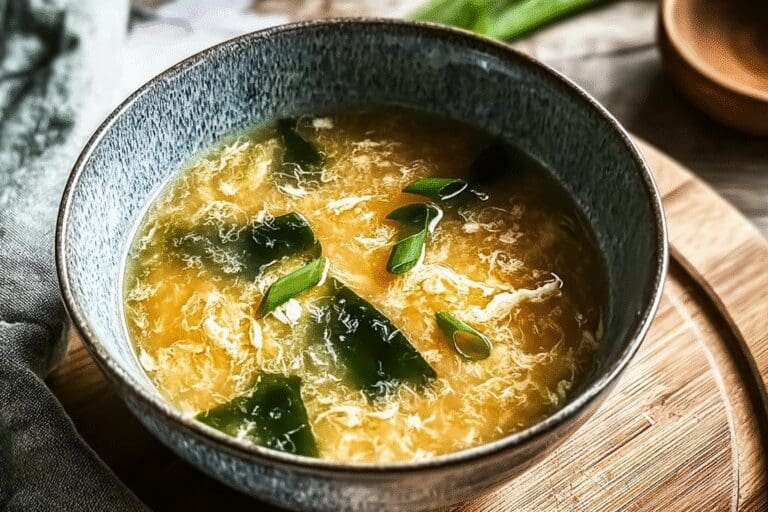
🍲 Enjoy the delicate and soothing flavors of Japanese Egg Drop Soup, a light and comforting dish made with a traditional dashi broth.
🥚 This quick and simple recipe is perfect for a nutritious snack or starter that is both low in calories and satisfying.
- Total Time: 15 minutes
- Yield: 2 servings
Ingredients
– 2 cups dashi
– 1 teaspoon soy sauce
– 1 tablespoon sake
– 1/4 teaspoon salt
– 1 teaspoon potato starch or cornstarch mixed with 1/2 tablespoon cold water
– 1 large egg, whisked
– 1/4 cup baby spinach
Instructions
1-Getting the texture just right in Japanese Egg Drop Soup starts with a few simple steps: Begin by combining 2 cups of dashi, 1 teaspoon of soy sauce, 1 tablespoon of sake, and 1/4 teaspoon of salt in a pot. Heat this mixture over medium-high until it reaches a boil, then lower to a simmer for a gentle cook.
2-Next, stir in the potato starch or cornstarch mixture to give the broth a light thicken. Slowly pour the whisked egg over chopsticks held above the soup to form those delicate ribbons, letting it simmer for about 20 seconds. Finally, add 1/4 cup of baby spinach, stir gently, and serve right away for the best taste and texture.
3-This method keeps the soup light and fresh, perfect for a quick meal. For more on similar techniques, consider exploring an external resource on broth basics via this nutritional study on Japanese ingredients. Remember, maintaining a simmer helps avoid overcooking the eggs, ensuring silky results every time.
4-Prepare ingredients ahead to keep things smooth.
5-Simmer the broth carefully for even flavor.
6-Add egg slowly for the perfect ribbons.
7-Incorporate spinach at the end for freshness.
Last Step:
Please leave a rating and comment letting us know how you liked this recipe! This helps our business to thrive and continue providing free, high-quality recipes for you.Notes
🥄 Use a light hand when pouring the egg to create thin, delicate ribbons.
🌿 Add mushrooms, tofu, or seaweed to customize and enrich the soup.
🥢 Serve immediately to enjoy the fresh texture, although it can be refrigerated for up to three days.
- Prep Time: 5 minutes
- Cook Time: 10 minutes
- Category: Soup
- Method: Simmering
- Cuisine: Japanese
- Diet: Gluten-free, Low calorie
Nutrition
- Serving Size: 1 cup
- Calories: 85 kcal
- Sodium: 400 mg
- Carbohydrates: 8 g
- Fiber: 1 g
- Protein: 6 g
- Cholesterol: 165 mg