Why You’ll Love This Shoyu Tamago
Shoyu Tamago, a simple yet flavorful dish, brings the taste of Japanese-inspired cooking right to your kitchen with minimal effort. These soft-boiled eggs with a jammy yolk center are marinated overnight in a savory mix, making them a hit for busy home cooks and food enthusiasts alike. You’ll appreciate how this vegetarian, dairy-free treat adds a burst of umami to any meal while fitting various dietary needs.
Beyond its ease, Shoyu Tamago offers health benefits like protein-packed eggs and antioxidants from soy sauce, supporting a balanced and nutritious diet. The recipe’s adaptability means you can tweak it for gluten-free options, perfect for students or working professionals looking for quick, customizable meals. Its rich, savory flavor makes it a versatile side that pairs wonderfully with sticky rice and thinly sliced seaweed, turning ordinary days into tasty adventures.
With just about 10 minutes of active prep and some marinating time, this dish stands out for its distinctive taste and simplicity. Imagine starting your day with a protein-rich snack or adding it to your lunch for an energy boost it’s a game-changer for busy parents and health-conscious eaters. Plus, the total preparation time of about 8 hours and 12 minutes, including marination, means you can prep ahead without stress.
- Ease of preparation: This Shoyu Tamago recipe needs only a few ingredients and about 10 minutes of cooking, ideal for quick meals on the go.
- Health benefits: Packed with 7 grams of protein per egg and antioxidants from the soy-based marinade, it’s a smart choice for wellness-focused folks.
- Versatility: Easily adapted for vegan or gluten-free diets, making it suitable for a wide range of tastes and needs.
- Distinctive flavor: The umami from the marinade creates a unique, satisfying experience that’s hard to resist.
Nutritional content per egg includes approximately 86 kcal, 1.1 g carbohydrates, 7 g protein, 6.1 g fat (with 1.7 g saturated fat), 186 mg cholesterol, 657 mg sodium, and 1.1 g sugar, making it a light yet nourishing option. For more on the health perks of ingredients like soy sauce, check out this external resource on soy nutrition.
Jump to:
- Why You’ll Love This Shoyu Tamago
- Essential Ingredients for Shoyu Tamago
- How to Prepare the Perfect Shoyu Tamago: Step-by-Step Guide
- Boiling and Cooling the Eggs
- Preparing the Marinade
- Peeling and Marinating
- Serving Suggestions
- Dietary Substitutions to Customize Your Shoyu Tamago
- Mastering Shoyu Tamago: Advanced Tips and Variations
- How to Store Shoyu Tamago: Best Practices
- FAQs: Frequently Asked Questions About Shoyu Tamago
- What is a shoyu tamago and how is it made?
- How do you cook and peel eggs to get the perfect shoyu tamago texture?
- Can I make shoyu tamago with gluten-free soy sauce?
- How long can shoyu tamago be stored, and how should they be kept?
- Are shoyu tamago eaten cold or heated?
- Shoyu Tamago
- Ingredients
- Instructions
- Last Step:
- Notes
- Nutrition
- Did you make this recipe?
Essential Ingredients for Shoyu Tamago
Gathering the right ingredients is key to creating delicious Shoyu Tamago, and this section breaks it down into a clear list to help you shop and cook with ease. These items come together to make a marinade that’s full of flavor, perfect for marinating soft-boiled eggs. Remember, using eggs that are a few days old can make peeling smoother, leading to better results overall.
Here’s the comprehensive list of ingredients based on the recipe details, with precise measurements to ensure you get it just right:
- 6 large eggs (preferably 4-5 days old) – These form the base of the dish, providing a soft, jammy yolk when boiled correctly.
- ¾ cup low-sodium soy sauce – This adds the essential savory umami flavor to the marinade.
- 3 tablespoons mirin or rice vinegar – Balances the soy sauce with a touch of sweetness and depth.
- ½ tablespoon sesame oil – Infuses a nutty aroma and enhances the overall taste of the eggs.
- 2 medium garlic cloves thinly sliced – Brings aromatic depth and a subtle kick to the marinade.
For special dietary options, you can make adjustments to fit your needs. If you’re going vegan, try marinated tofu or tempeh as a protein swap. For gluten-free Shoyu Tamago, use tamari instead of soy sauce to keep that rich taste without any issues.
| Ingredient | Quantity | Role in Recipe |
|---|---|---|
| Large eggs | 6 (4-5 days old) | Provides protein and the signature soft yolk |
| Low-sodium soy sauce | ¾ cup | Creates the base flavor for marination |
| Mirin or rice vinegar | 3 tablespoons | Adds sweetness and balance |
| Sesame oil | ½ tablespoon | Enhances aroma and taste |
| Garlic cloves | 2 medium, thinly sliced | Infuses extra flavor |
How to Prepare the Perfect Shoyu Tamago: Step-by-Step Guide
Diving into making Shoyu Tamago is a fun and straightforward process that yields amazing results with just a bit of patience. Start by soft-boiling your eggs to get that ideal jammy center, then move on to the flavorful marinade. Tips like using an ice bath not only make peeling easier but also help keep the eggs’ texture just right.
Boiling and Cooling the Eggs
First, boil 6 large eggs in rapidly boiling water for exactly 7 minutes to achieve a soft, set yolk. Right after, cool them in an ice bath for 5 minutes to stop the cooking and make peeling simple. This step is crucial for getting those picture-perfect eggs without any damage.
Preparing the Marinade
Next, mix together ¾ cup low-sodium soy sauce, 3 tablespoons mirin or rice vinegar, ½ tablespoon sesame oil, and 2 medium garlic cloves thinly sliced in a bowl. This combination creates a marinade that’s packed with rich, savory taste, perfect for soaking up flavors overnight.
Peeling and Marinating
Peel the cooled eggs carefully in the ice bath to avoid breaking the surface, then place them in the marinade, making sure they’re fully submerged. Cover and refrigerate for at least 8 hours or overnight, turning them halfway through for even flavoring. You can reuse the soy sauce marinade for up to one week if kept in the fridge, which is a great tip for saving time on future batches.
Serving Suggestions
Once ready, remove the eggs, slice them in halves or quarters, and serve alongside sticky rice and thinly sliced seaweed for a complete meal. Adjust cooking times based on egg size for the best results, and remember, this recipe is naturally vegetarian and dairy-free, plus gluten-free if you use tamari.
For more egg-related ideas that pair well with Shoyu Tamago, check out our devilled eggs recipe for another easy appetizer option. Follow these steps for a total prep time of about 8 hours and 12 minutes, and you’ll have a dish that’s full of flavor and ready to enjoy.
This recipe’s beauty lies in its simplicity let the marinade do the work while you relax, and wake up to perfectly flavored eggs that impress every time.

Dietary Substitutions to Customize Your Shoyu Tamago
One of the best parts about Shoyu Tamago is how easy it is to tweak for different diets, making it a favorite for everyone from baking enthusiasts to travelers. Whether you’re aiming for vegan options or need to cut down on gluten, these swaps keep the dish tasty and accessible. Start with the base recipe and adjust as needed to match your preferences.
- Protein alternatives: Swap eggs with marinated tofu or tempeh for a vegan twist that still packs protein.
- Gluten-free changes: Use tamari in place of soy sauce to maintain that umami flavor without gluten worries.
- Flavor boosts: Add sliced scallions or sesame seeds for extra texture, or include chili flakes for a spicy kick.
- Low-sodium options: Opt for low-sodium soy sauce to reduce salt while keeping the rich taste intact.
These modifications ensure Shoyu Tamago fits into various lifestyles, like for seniors who might prefer milder flavors or party hosts looking for crowd-pleasers.
Mastering Shoyu Tamago: Advanced Tips and Variations
Taking your Shoyu Tamago to the next level involves some pro techniques and creative twists that can wow your friends. Using tools like a sous vide cooker helps control the egg’s doneness for that perfect texture every time. Experiment with flavors to make it your own, and think about how presentation can elevate the dish.
- Pro cooking techniques: Try a sous vide for precise results, or stick to the ice bath method for easy peeling.
- Flavor variations: Mix in citrus zest or herbs like shiso leaves for a fresh note that brightens the savory base.
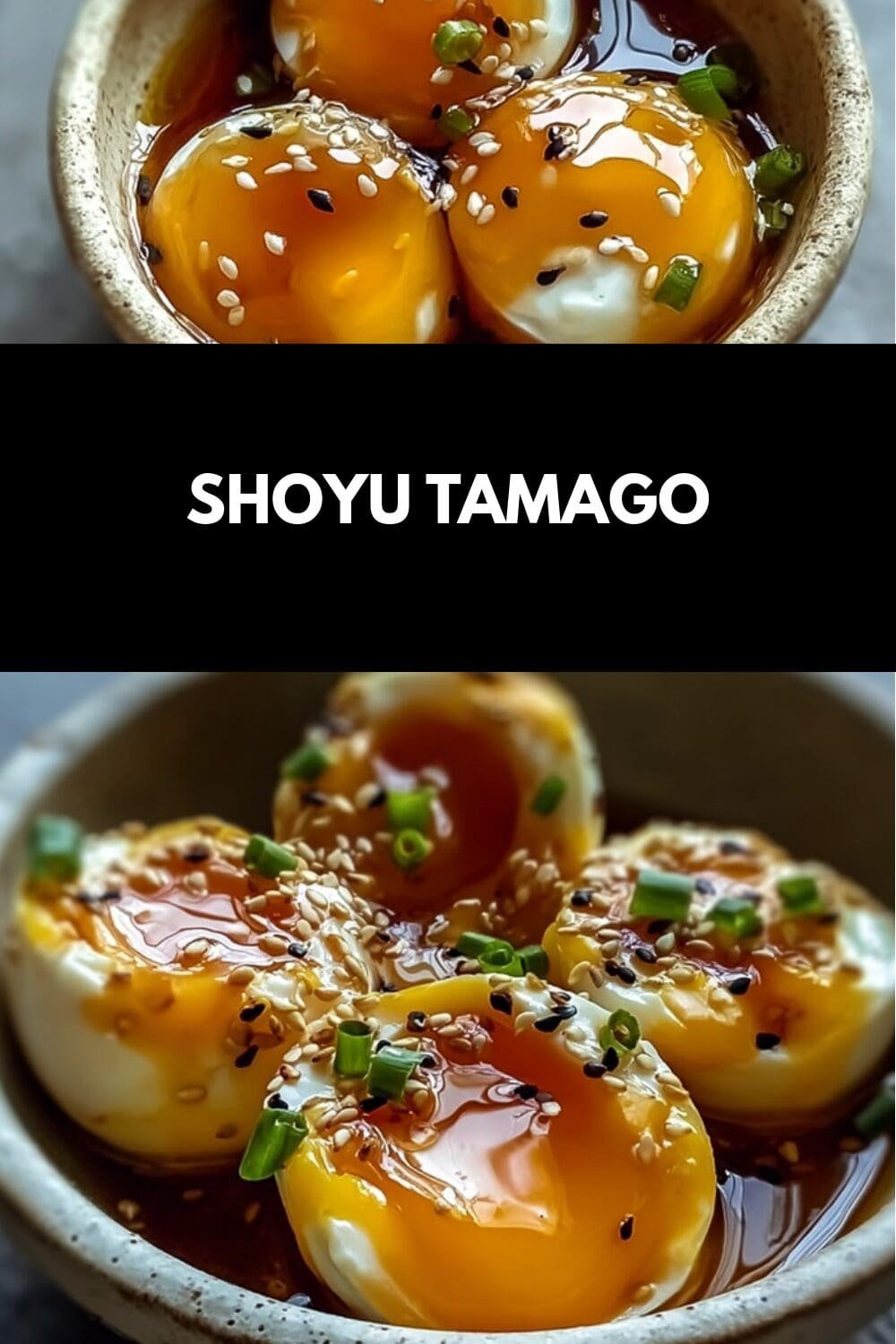
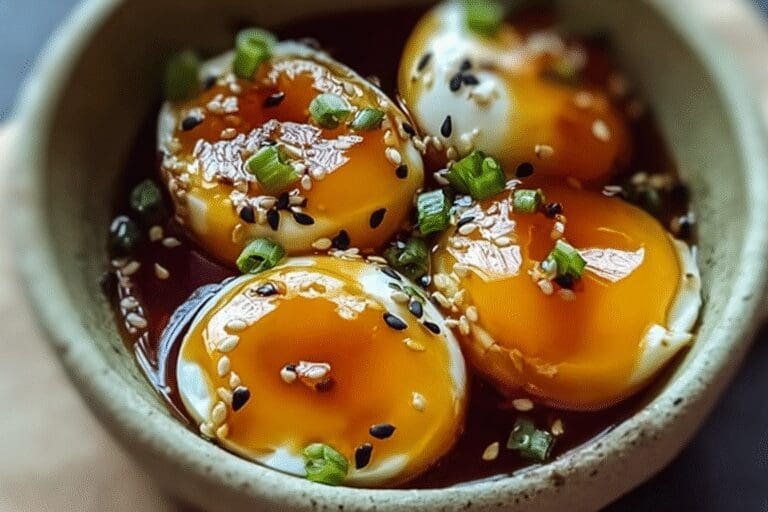
- Presentation tips: Top with green onions, sesame seeds, or nori for a visually appealing plate.
- Make-ahead options: Prep everything in advance and store for up to 3 days, ideal for meal prep on busy weeks.
For similar make-ahead ideas, explore our spring rolls recipe, which offers another quick and flavorful option.
How to Store Shoyu Tamago: Best Practices
Proper storage keeps your Shoyu Tamago fresh and tasty, so let’s cover the basics to avoid any mishaps. Always refrigerate these eggs to maintain their flavor and texture, and think about how to incorporate them into your meal routine. With a few simple steps, you can enjoy them throughout the week.
- Refrigeration: Keep marinated eggs in an airtight container for up to 3 days to preserve freshness.
- Freezing: Skip this, as it can ruin the egg’s texture stick to fridge storage instead.
- Reheating: Gently warm in hot water for a few minutes if you prefer them not cold.
- Meal prep: Marinate ahead and portion out for easy, grab-and-go snacks.
FAQs: Frequently Asked Questions About Shoyu Tamago
What is a shoyu tamago and how is it made?
Shoyu tamago, or soy sauce egg, is a soft boiled egg with a slightly runny yolk that’s marinated in a flavorful mixture of soy sauce, mirin or rice vinegar, and sometimes garlic and sesame oil. After boiling for about 6–7 minutes, the eggs are peeled and soaked in the marinade for at least 8 hours or overnight, allowing them to absorb a rich, savory taste and take on a dark brown exterior. They are commonly served atop ramen or as a snack.
How do you cook and peel eggs to get the perfect shoyu tamago texture?
To achieve a jammy yolk, boil large eggs for about 6-7 minutes, then immediately place them in an ice bath for at least 5 minutes to stop cooking. For easy peeling, gently crack the shell and peel the eggs under cold running water or while submerged in the ice bath. Using eggs that are 4-5 days old also helps the shell come off cleanly without damaging the egg white.
Can I make shoyu tamago with gluten-free soy sauce?
Yes, to make gluten-free shoyu tamago, substitute regular soy sauce with tamari, which is a gluten-free soy sauce alternative. This swap keeps the authentic flavor while making the eggs safe for those with gluten sensitivities or celiac disease.
How long can shoyu tamago be stored, and how should they be kept?
Once marinated and peeled, shoyu tamago should be stored in an airtight container in the refrigerator and consumed within 2 days for the best flavor and texture. Marinating them too long can overly intensify the salty flavor and affect the egg’s texture.
Are shoyu tamago eaten cold or heated?
Shoyu tamago are typically served cold or at room temperature, straight from the refrigerator, as this helps preserve their firm texture and concentrated flavor. They can also be added to hot dishes, like ramen, where they warm up naturally without needing additional reheating.
Shoyu Tamago
🥚 Soy Sauce Eggs with Soft Jammy Yolks offer a perfectly balanced savory flavor with a luscious, creamy yolk that enhances any meal.
🍜 These eggs are easy to prepare ahead, making them a versatile addition to ramen, rice dishes, or salads for rich taste and texture.
- Total Time: 8 hours 19 minutes
- Yield: 6 eggs
Ingredients
– 6 (4-5 days old) Large eggs Provides protein and the signature soft yolk
– ¾ cup Low-sodium soy sauce Creates the base flavor for marination
– 3 tablespoons Mirin or rice vinegar Adds sweetness and balance
– ½ tablespoon Sesame oil Enhances aroma and taste
– 2 medium, thinly sliced Garlic cloves Infuses extra flavor
Instructions
1-Boiling and Cooling the Eggs: First, boil 6 large eggs in rapidly boiling water for exactly 7 minutes to achieve a soft, set yolk. Right after, cool them in an ice bath for 5 minutes to stop the cooking and make peeling simple. This step is crucial for getting those picture-perfect eggs without any damage.
2-Preparing the Marinade: Next, mix together ¾ cup low-sodium soy sauce, 3 tablespoons mirin or rice vinegar, ½ tablespoon sesame oil, and 2 medium garlic cloves thinly sliced in a bowl. This combination creates a marinade that’s packed with rich, savory taste, perfect for soaking up flavors overnight.
3-Peeling and Marinating: Peel the cooled eggs carefully in the ice bath to avoid breaking the surface, then place them in the marinade, making sure they’re fully submerged. Cover and refrigerate for at least 8 hours or overnight, turning them halfway through for even flavoring. You can reuse the soy sauce marinade for up to one week if kept in the fridge, which is a great tip for saving time on future batches.
4-Serving Suggestions: Once ready, remove the eggs, slice them in halves or quarters, and serve alongside sticky rice and thinly sliced seaweed for a complete meal. Adjust cooking times based on egg size for the best results, and remember, this recipe is naturally vegetarian and dairy-free, plus gluten-free if you use tamari.
Last Step:
Please leave a rating and comment letting us know how you liked this recipe! This helps our business to thrive and continue providing free, high-quality recipes for you.Notes
🥚 Use eggs that are a few days old to make peeling easier.
❄️ An ice bath after boiling helps with shell removal and ensures even cooking.
🔄 You can reuse the soy sauce marinade for up to one week if refrigerated.
- Prep Time: 12 minutes
- Marination time: 8 hours
- Cook Time: 7 minutes
- Category: Side Dish
- Method: Boiling and marinating
- Cuisine: Japanese
- Diet: Vegetarian, dairy-free, gluten-free if tamari used
Nutrition
- Serving Size: 1 egg
- Calories: 86 kcal
- Sugar: 1.1 g
- Sodium: 657 mg
- Fat: 6.1 g
- Saturated Fat: 1.7 g
- Carbohydrates: 1.1 g
- Protein: 7 g
- Cholesterol: 186 mg