Why You’ll Love This Crescent Rolls
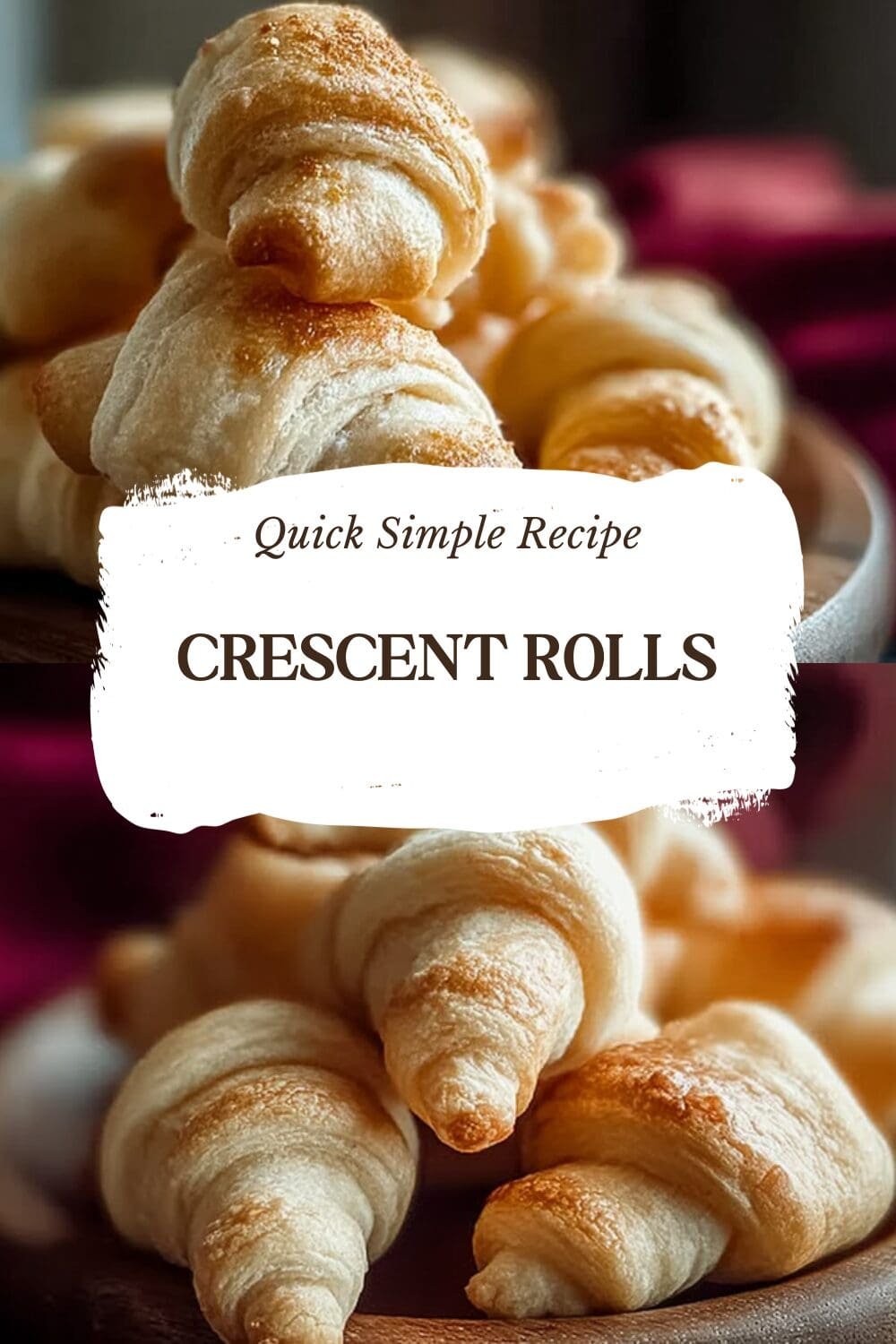
Who doesn’t love the smell of freshly baked bread filling the house? These fluffy, buttery crescent rolls are surprisingly easy to make, and with just a little patience, you’ll have everyone asking for seconds at the dinner table! This crescent rolls recipe is simple and quick to make, ideal for both beginners and busy cooks. With minimal ingredients and straightforward steps, you can enjoy fresh, homemade crescent rolls in no time.
Made with wholesome ingredients, these crescent rolls offer nutritional value including essential vitamins and minerals. They can be customized with whole wheat or gluten-free flour to suit wellness goals without sacrificing taste. These crescent rolls adapt easily to various dietary needs, including vegan, low-calorie, and gluten-free options, making them perfect for any meal or snack.
The recipe combines buttery, flaky texture with subtle savory notes, creating a standout taste that complements both sweet and savory fillings. There’s nothing quite like pulling apart a warm, freshly baked crescent roll and watching the layers separate with a satisfying flakiness. Whether served alongside a hearty soup, as part of a holiday dinner, or simply enjoyed with a pat of butter, these homemade rolls will quickly become a family favorite.
Jump to:
- Why You’ll Love This Crescent Rolls
- Essential Ingredients for Crescent Rolls
- How to Prepare the Perfect Crescent Rolls: Step-by-Step Guide
- Preparing the Dough
- Laminating the Dough
- Shaping and Baking
- Dietary Substitutions to Customize Your Crescent Rolls
- Protein and Main Component Alternatives
- Vegetable, Sauce, and Seasoning Modifications
- Mastering Crescent Rolls: Advanced Tips and Variations
- Pro Cooking Techniques
- Flavor Variations
- Presentation Tips
- Make-Ahead Options
- How to Store Crescent Rolls: Best Practices
- Refrigeration
- Freezing
- Reheating
- Meal Prep Considerations
- FAQs: Frequently Asked Questions About Crescent Rolls
- How can I make crescent rolls with a flaky texture?
- Can I prepare crescent roll dough in advance?
- What is the best way to prevent crescent rolls from unrolling during baking?
- How should liquids be used when making crescent roll dough?
- How long do homemade crescent rolls stay fresh, and can they be frozen?
- Crescent Rolls
- Ingredients
- Instructions
- Last Step:
- Notes
- Nutrition
- Did you make this recipe?
Essential Ingredients for Crescent Rolls
Creating the perfect crescent rolls begins with gathering the right ingredients. This recipe uses basic pantry staples that come together to create something truly special. The key is using high-quality ingredients and following the precise measurements for consistent results every time.
According to research on flour nutrition, using the right type of flour is essential for the texture and structure of your baked goods. For this recipe, you’ll need:
- 2 3/4 cups (343.75 g) flour
- 3 tablespoons (36 g) sugar
- 2 teaspoons (6.22 g) yeast
- 1 1/4 teaspoons (7.5 g) salt
- 1 cup (227 g) cold unsalted butter
- 1/2 cup (122 g) milk
- 1/4 cup (59.15 g) water
- 1 large egg (44 g)
Each ingredient plays a crucial role in creating those fluffy, buttery layers. The flour provides structure, while the cold butter creates the flaky texture we all love. The yeast helps the dough rise, giving you that wonderful lightness. The combination of milk, water, and egg adds moisture and richness to the dough.
If you’re looking to adapt this recipe for specific dietary needs, consider these options:
- Vegan: Use plant-based butter and substitute milk with almond or soy milk, and replace the egg with a flax egg or commercial egg replacer.
- Gluten-free: Replace all-purpose flour with a gluten-free flour blend designed for baking.
- Low-calorie: Use light butter or margarine and skim milk to reduce calories while maintaining flavor.
While substitutions can work well, keep in mind that they may slightly alter the texture and taste of your rolls. For the best results, especially if you’re new to making crescent rolls, try the original recipe first before experimenting with variations.
How to Prepare the Perfect Crescent Rolls: Step-by-Step Guide
Making homemade crescent rolls might seem intimidating, but with this detailed guide, you’ll be creating bakery-worthy treats in your own kitchen. The process involves creating a laminated dough, which is what gives these rolls their signature flaky layers. Don’t worry if it takes a little practice – the delicious results are well worth the effort!
Preparing the Dough
Start by combining your dry ingredients in a large bowl. Mix 2 3/4 cups flour, 3 tablespoons sugar, 2 teaspoons yeast, and 1 1/4 teaspoons salt together until well blended. Next, cut in 1 cup of cold unsalted butter until the mixture has pea-sized pieces of butter distributed throughout. This step is crucial for creating those flaky layers that make crescent rolls so special.
In a separate container, whisk together 1/2 cup milk, 1/4 cup water, and 1 large egg until well combined. Pour this liquid mixture into the dry ingredients and stir just until a dough ball forms. Be careful not to overmix at this stage – you just want the ingredients to come together.
Laminating the Dough
This is where the magic happens! Wrap your dough and chill it for at least 30 minutes. Chilling the dough helps relax the gluten and firms up the butter, which is essential for the lamination process.
Pro Tip: Keep your butter cold throughout the process. This is the secret to creating those irresistible flaky layers in your crescent rolls. If the butter starts to soften too much, simply pop the dough back in the refrigerator for 10-15 minutes.
After chilling, place the dough on a floured surface and roll it into a 1/2-inch thick rectangle. Fold the dough into thirds (like a letter), turn it 90 degrees, then roll it out again and fold. Repeat this rolling and folding process 3 to 5 times. This technique, called lamination, creates alternating layers of dough and butter that will separate during baking to form flaky layers. Chill the dough again for 30 minutes after the final fold.
Shaping and Baking
Divide the chilled dough into three equal parts. Working with one part at a time, roll each piece into a 1/8-inch thick rectangle measuring approximately 16 by 5 inches. Cut the dough into skinny triangles about 2 inches wide at the base and 4 inches long.
Starting from the wide end, roll each triangle toward the point, tucking the point underneath to form a crescent shape. Place the shaped rolls on parchment-lined baking sheets, leaving room for them to expand. Cover loosely and let rise for 1 hour until nearly doubled in size.
Preheat your oven to 400°F (204°C). For a beautiful golden finish, brush the tops of the rolls with an egg wash (1 egg beaten with 1 tablespoon water). Bake for 10 minutes or until the rolls are golden and puffed. The aroma that will fill your kitchen during baking is absolutely heavenly!

Dietary Substitutions to Customize Your Crescent Rolls
One of the wonderful things about homemade crescent rolls is how easily they adapt to different dietary needs and preferences. Whether you’re following a specific diet or just want to experiment with new flavors, there are plenty of ways to customize this recipe.
Protein and Main Component Alternatives
For protein, substitute traditional fillings with plant-based options such as tofu, tempeh, or legumes for vegan diets. For low-carb alternatives, consider using cheese or lean meats like turkey slices as fillings. The versatility of crescent rolls makes them an excellent vehicle for all kinds of proteins, transforming them from a simple side dish into a satisfying main course.
If you enjoy other bread recipes from around the world, you might enjoy experimenting with international filling combinations in your crescent rolls. Think Mediterranean flavors with olives and feta, or Asian-inspired fillings with sesame and scallions.
Vegetable, Sauce, and Seasoning Modifications
Try seasonal vegetables like spinach, bell peppers, or mushrooms to vary flavor profiles. Sautéed vegetables work particularly well as they don’t release excess moisture during baking. Substitute traditional sauces with vegan or low-sodium versions to accommodate dietary restrictions.
Experiment with herbs such as rosemary, thyme, or oregano to personalize seasoning and accommodate dietary preferences. You can also incorporate spices like garlic powder, cinnamon, or even a pinch of cayenne for a little kick. Don’t be afraid to get creative and discover new flavor combinations that your family will love.
Mastering Crescent Rolls: Advanced Tips and Variations
Once you’ve mastered the basic crescent roll recipe, you might want to try some advanced techniques to take your baking to the next level. These tips and variations will help you create professional-looking and delicious rolls that are sure to impress.
Pro Cooking Techniques
- Always chill dough before rolling for a flakier texture. This helps firm the butter and prevents it from blending completely into the dough.
- Use a pastry cutter or a sharp knife for precise shapes. Clean edges will help your rolls hold their shape better during baking.
- Allow extra rising time for a lighter crumb. The longer the dough rises, the more flavor it will develop.
- Work quickly when rolling out the dough to keep the butter cold and solid.
- For extra shine, brush your rolls with an egg wash before baking.
Flavor Variations
Incorporate herbs like dill or basil directly into the dough for savory rolls. Add garlic powder for a bold flavor or cinnamon and sugar for a sweet twist. Try fillings such as cream cheese, chocolate, or pesto for diversity. The possibilities are nearly endless when it comes to flavoring your crescent rolls.
For a more indulgent treat, consider making a batch of tear-and-share sausage rolls using your homemade crescent dough. The buttery layers of the dough pair perfectly with savory sausage for a delicious appetizer or main dish.
Presentation Tips
- Brush rolls with egg wash for a glossy, golden finish.
- Garnish with sesame seeds, poppy seeds, or coarse salt for visual appeal.
- For a festive touch, add a sprinkle of colored sugar to sweet rolls before baking.
- Use different fillings and create a variety platter for parties or gatherings.
Make-Ahead Options
Prepare dough in advance and refrigerate overnight for even more flavor development. You can also freeze shaped rolls before baking to save time on busy days. Simply thaw them in the refrigerator overnight, let them rise, and bake as usual. This make-ahead option makes crescent rolls a perfect choice for holiday meals or dinner parties.
How to Store Crescent Rolls: Best Practices
To enjoy your homemade crescent rolls for days after baking, proper storage is essential. These storage tips will help you maintain freshness and flavor so nothing goes to waste.
Refrigeration
Store crescent rolls in an airtight container or wrapped in foil for up to 3 days to maintain freshness. This method keeps them soft while preventing them from drying out. If you’ve already added fillings that are perishable, refrigeration is especially important.
Freezing
For longer storage, wrap rolls tightly in plastic wrap and then in foil for up to 3 months. Freezing is an excellent way to preserve that just-baked quality. Thaw overnight in the refrigerator before reheating. You can also freeze the dough after shaping but before baking – simply let them thaw and rise before popping them in the oven.
Reheating
Warm rolls in a preheated oven at 350°F (175°C) for 5-7 minutes to retain crispness and moisture. This method helps restore the texture and brings back the wonderful aroma of freshly baked bread. Avoid microwaving if possible, as this can make the rolls tough rather than fluffy.
Meal Prep Considerations
Prepare and freeze rolls in batches for easy access to homemade crescent rolls anytime. This approach ensures quality and convenience, allowing you to have fresh-tasting rolls with minimal effort. Consider making a double batch and freezing half for later use – you’ll thank yourself on busy weeknights!
| Nutrient | Amount |
|---|---|
| Calories | 115 |
| Carbohydrates | 11g |
| Protein | 2g |
| Total Fat | 7g (4g saturated fat) |
| Cholesterol | 23mg |
| Sodium | 109mg |
FAQs: Frequently Asked Questions About Crescent Rolls
How can I make crescent rolls with a flaky texture?
To achieve flaky crescent rolls, incorporate a lamination process in your dough preparation. Roll the dough into a rectangle, fold it into thirds like a letter, rotate it 90 degrees, and repeat this folding 3 to 5 times. This technique creates numerous alternating layers of dough and butter, producing a light, flaky texture after baking.
Can I prepare crescent roll dough in advance?
Yes, crescent roll dough can be made ahead of time. After shaping, place the rolls on a tray and cover them loosely with plastic wrap. Refrigerate overnight or up to 24 hours. Before baking, allow the rolls to come to room temperature, then proof and bake as usual for best results.
What is the best way to prevent crescent rolls from unrolling during baking?
To keep crescent rolls from unrolling, make sure to tuck the pointed ends securely under the base before baking. This simple step helps the roll maintain its shape as it rises and bakes, resulting in tidy, well-formed crescent rolls.
How should liquids be used when making crescent roll dough?
Using warm liquids helps the yeast ferment faster, while cooler liquids slow fermentation, allowing more flavor to develop. Both methods work; choose warm milk and water for a quicker rise or cooler liquids if you prefer a richer taste from slower fermentation.
How long do homemade crescent rolls stay fresh, and can they be frozen?
Freshly baked crescent rolls can be stored at room temperature for 2 to 3 days or refrigerated for up to one week. For longer storage, freeze the baked rolls for several weeks or up to one month. Reheat frozen rolls gently in the oven to restore their softness before serving.

Crescent Rolls
🥐 These Homemade Crescent Rolls offer fluffy, buttery layers achieved through careful folding and chilling techniques.
🧈 With a tender crumb and golden crust, they make a perfect addition to any meal or a delightful treat on their own.
- Total Time: 1 hour 40 minutes
- Yield: 12 rolls 1x
Ingredients
2 3/4 cups (343.75 g) flour
3 tablespoons (36 g) sugar
2 teaspoons (6.22 g) yeast
1 1/4 teaspoons (7.5 g) salt
1 cup (227 g) cold unsalted butter
1/2 cup (122 g) milk
1/4 cup (59.15 g) water
1 large egg (44 g)
Instructions
1-Preparing the Dough: Start by combining your dry ingredients in a large bowl. Mix 2 3/4 cups flour, 3 tablespoons sugar, 2 teaspoons yeast, and 1 1/4 teaspoons salt together until well blended. Next, cut in 1 cup of cold unsalted butter until the mixture has pea-sized pieces of butter distributed throughout. This step is crucial for creating those flaky layers that make crescent rolls so special.
2-Preparing the Dough: In a separate container, whisk together 1/2 cup milk, 1/4 cup water, and 1 large egg until well combined. Pour this liquid mixture into the dry ingredients and stir just until a dough ball forms. Be careful not to overmix at this stage – you just want the ingredients to come together.
3-Laminating the Dough: This is where the magic happens! Wrap your dough and chill it for at least 30 minutes. Chilling the dough helps relax the gluten and firms up the butter, which is essential for the lamination process.
3-Laminating the Dough: After chilling, place the dough on a floured surface and roll it into a 1/2-inch thick rectangle. Fold the dough into thirds (like a letter), turn it 90 degrees, then roll it out again and fold. Repeat this rolling and folding process 3 to 5 times. This technique, called lamination, creates alternating layers of dough and butter that will separate during baking to form flaky layers. Chill the dough again for 30 minutes after the final fold.
4-Shaping and Baking: Divide the chilled dough into three equal parts. Working with one part at a time, roll each piece into a 1/8-inch thick rectangle measuring approximately 16 by 5 inches. Cut the dough into skinny triangles about 2 inches wide at the base and 4 inches long.
5-Shaping and Baking: Starting from the wide end, roll each triangle toward the point, tucking the point underneath to form a crescent shape. Place the shaped rolls on parchment-lined baking sheets, leaving room for them to expand. Cover loosely and let rise for 1 hour until nearly doubled in size.
6-Shaping and Baking: Preheat your oven to 400°F (204°C). For a beautiful golden finish, brush the tops of the rolls with an egg wash (1 egg beaten with 1 tablespoon water). Bake for 10 minutes or until the rolls are golden and puffed. The aroma that will fill your kitchen during baking is absolutely heavenly!
Last Step:
Please leave a rating and comment letting us know how you liked this recipe! This helps our business to thrive and continue providing free, high-quality recipes for you.Notes
🧈 Use cold butter to create flaky, buttery layers.
❄️ Chill dough between folds to make laminating easier and to maintain layers.
⏳ Refrigerate shaped crescents overnight for enhanced flavor and texture before baking.
- Prep Time: 30 minutes
- Chilling Time: 1 hour
- Cook Time: 10 minutes
- Category: Bread, Baking
- Method: Rolling, Folding, Baking
- Cuisine: American
Nutrition
- Serving Size: 1 roll
- Calories: 115 kcal
- Sugar: 3 g
- Sodium: 109 mg
- Fat: 7 g
- Saturated Fat: 4 g
- Trans Fat: 0 g
- Carbohydrates: 11 g
- Fiber: 1 g
- Protein: 2 g
- Cholesterol: 23 mg