Why You’ll Love This Irish Soda Bread
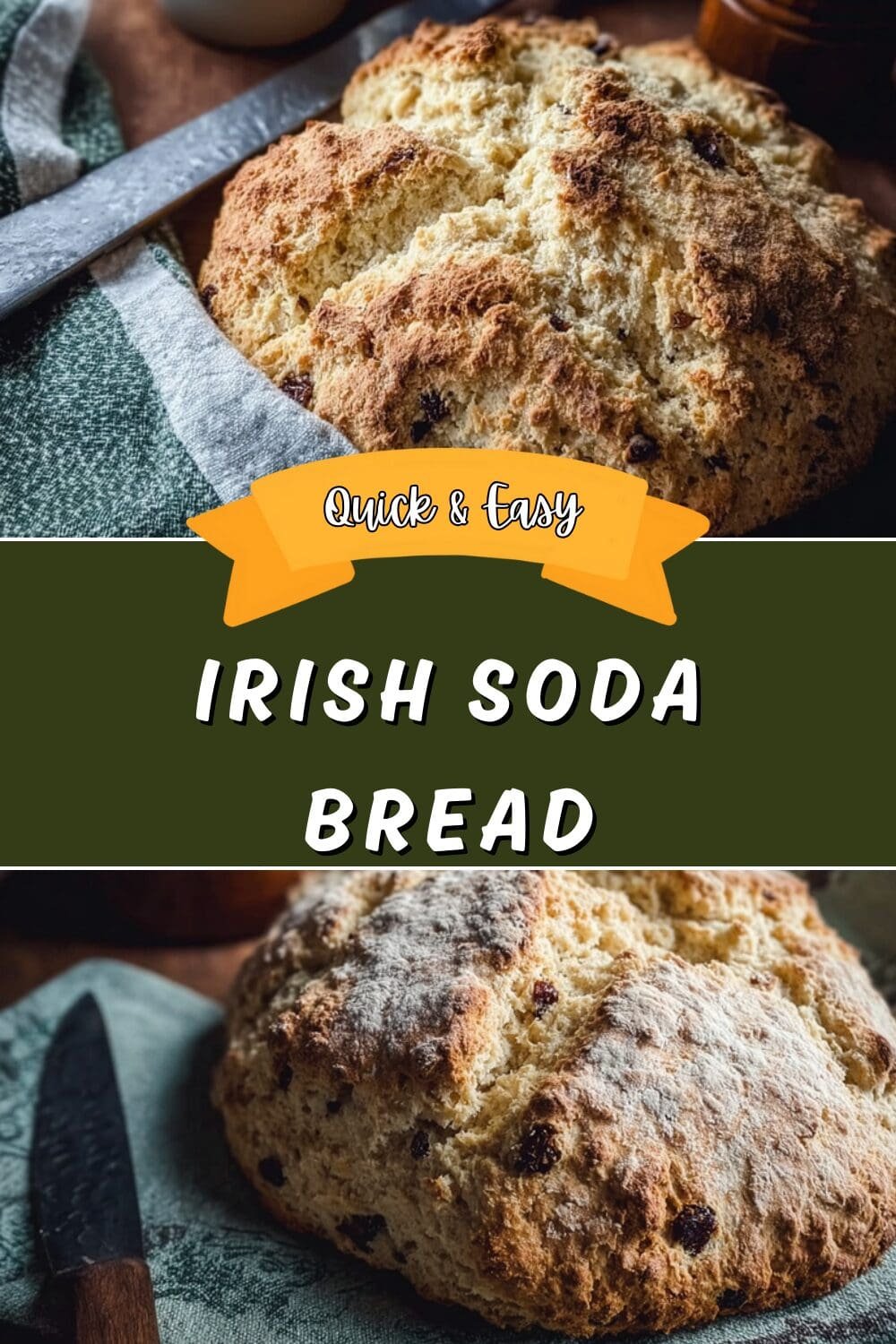
Irish Soda Bread is a traditional quick bread that uses baking soda and buttermilk as leavening agents, eliminating the need for yeast. This easy Irish soda bread recipe has been passed down through generations, offering a dense yet soft texture with a crusty, golden-brown exterior that’s perfect for any meal. The recipe optionally includes an egg to add richness, creating a more tender crumb while maintaining the authentic taste that makes this Irish bread a favorite worldwide.
What makes grandma’s Irish soda bread recipe truly special is its simplicity. Unlike traditional breads that require hours of rising time and kneading, this Irish soda bread can be prepared and baked in under an hour. It’s the perfect solution for busy weeknights when you want fresh, homemade bread without the fuss. The tangy flavor from the buttermilk creates a unique taste profile that pairs beautifully with soups, stews, or simply slathered with butter and jam for breakfast.
Key Benefits of This Recipe
- Ease of preparation: This Irish soda bread recipe is incredibly simple and quick, requiring minimal ingredients and no yeast, which speeds up the cooking process substantially.
- Health benefits: Packed with wholesome ingredients, this recipe offers nutritional advantages such as high fiber content and essential vitamins, promoting overall wellness. Health benefits of buttermilk include probiotics that support digestive health.
- Versatility: Adaptable to various dietary needs, this bread can easily be modified to be gluten-free, vegan, or low-calorie without compromising flavor.
- Distinctive flavor: What sets this Irish soda bread apart is its unique tangy taste derived from baking soda and buttermilk, offering a delightful and authentic flavor experience.
The beauty of Irish baking lies in its practicality. Historically, this bread was born out of necessity when yeast wasn’t readily available or affordable, making it a staple in Irish households. Today, it remains beloved not just for its historical significance but for its rustic charm and satisfying texture. The characteristic cross cut into the top of the loaf isn’t just decorative it has practical purposes, allowing the bread to expand properly and ensuring even baking throughout.
Jump to:
- Why You’ll Love This Irish Soda Bread
- Key Benefits of This Recipe
- Essential Ingredients for Irish Soda Bread
- Ingredients List
- Understanding the Ingredients
- Special Dietary Options
- How to Prepare the Perfect Irish Soda Bread: Step-by-Step Guide
- Preparation Steps
- Expert Tips for Mixing and Shaping
- Baking Techniques for the Perfect Crust
- Dietary Substitutions to Customize Your Irish Soda Bread
- Protein and Main Component Alternatives
- Vegetable, Sauce, and Seasoning Modifications
- Flavor Variations to Try
- Mastering Irish Soda Bread: Advanced Tips and Variations
- Pro Cooking Techniques
- Flavor Variations Beyond the Basics
- Presentation Tips
- Make-Ahead Options
- How to Store Irish Soda Bread: Best Practices
- Short-Term Storage Solutions
- Long-Term Freezing Options
- Reheating Techniques
- Meal Prep Considerations
- FAQs: Frequently Asked Questions About Irish Soda Bread
- What is Irish Soda Bread and how does it rise without yeast?
- What are the essential ingredients for making authentic Irish Soda Bread?
- How do I handle Irish Soda Bread dough to get the best texture?
- What’s the best way to bake Irish Soda Bread for a crisp crust?
- How should I store leftover Irish Soda Bread to keep it fresh?
- Irish Soda Bread
- Ingredients
- Instructions
- Last Step:
- Notes
- Nutrition
- Did you make this recipe?
Essential Ingredients for Irish Soda Bread
Creating the perfect Irish soda bread starts with understanding its essential components. Each ingredient plays a crucial role in achieving that classic texture and flavor that makes this bread so irresistible. Below you’ll find everything you need to make this traditional Irish soda bread, along with their precise measurements to ensure success every time.
Ingredients List
- 1 and 3/4 cups buttermilk
- 1 large egg (optional)
- 4 and 1/4 cups all-purpose flour, plus extra for dusting
- 3 tablespoons granulated sugar
- 1 teaspoon baking soda
- 1 teaspoon salt
- 5 tablespoons unsalted cold butter, cubed
- Optional: 1 cup raisins
The star ingredient in this recipe is buttermilk, which provides both moisture and acidity necessary for the chemical reaction with baking soda that makes the bread rise. This creates those characteristic air pockets that give Irish soda bread its slightly dense yet soft texture. If you don’t have buttermilk on hand, you can make a quick substitute by adding 1 tablespoon of vinegar or lemon juice to regular milk and letting it sit for 5-10 minutes until it curdles slightly.
Understanding the Ingredients
| Ingredient | Purpose |
|---|---|
| All-purpose flour (4 cups) | Provides the structure and body of the bread. Flour offers nutritional benefits including carbohydrates for energy. |
| Baking soda (1 teaspoon) | Acts as the leavening agent to help the bread rise without yeast by reacting with acidic buttermilk. |
| Salt (1 teaspoon) | Enhances flavor and balances the taste, bringing out the subtle sweetness in the bread. |
| Buttermilk (1 3/4 cups) | Reacts with baking soda to give the characteristic rise and moisture while adding a subtle tangy flavor. |
| Granulated sugar (3 tablespoons) | Provides a touch of sweetness to balance the acidity of the buttermilk and helps with browning. |
| Unsalted cold butter (5 tablespoons) | Adds richness and creates flaky layers when it melts during baking, resulting in a more tender crumb. |
| Optional raisins (1 cup) | Adds natural sweetness and texture, commonly found in “Spotted Dog” variety of Irish soda bread. |
| Optional egg (1 large) | Adds richness and improves the structure, creating a slightly lighter loaf with a golden color. |
Special Dietary Options
- Vegan: Substitute buttermilk with plant-based yogurt mixed with a little water and baking soda with baking powder if required. Replace butter with coconut oil or vegan butter.
- Gluten-free: Use a high-quality gluten-free flour blend to replace all-purpose flour. Note that the texture may be slightly different but still delicious.
- Low-calorie: Opt for reduced-fat plant-based milk alternatives and omit raisins for fewer sugars. Reduce the amount of butter or use a heart-healthy oil instead.
When selecting your ingredients, quality matters. Using fresh baking soda is crucial as it loses potency over time, which could result in a dense loaf that doesn’t rise properly. For the best flavor, use cold butter straight from the refrigerator. As it melts during baking, it creates steam and small pockets in the dough, contributing to that perfect texture that makes Irish soda bread so satisfying to eat.
How to Prepare the Perfect Irish Soda Bread: Step-by-Step Guide
Now that we’ve covered all the essential ingredients, let’s walk through the process of creating your very own delicious Irish soda bread. This straightforward method will guide you from mixing bowl to oven, ensuring a perfect result even if you’re new to Irish baking. The entire process can be completed in just over an hour, from preparation to serving.
Preparation Steps
- Preheat your oven to 400°F (about 200°C). Prepare a baking vessel such as a lined baking sheet, a 10-12 inch cast iron skillet, a greased 9-10 inch cake pan or pie dish, or a 5-quart dutch oven (if using a dutch oven, bake uncovered).
- Whisk together the buttermilk and egg. In a separate large bowl, mix the flour, sugar, baking soda, and salt until well combined.
- Cut the cold butter into the flour mixture. Use a pastry cutter or your fingers to work the butter into the flour until pea-sized crumbs form. Stir in raisins if using.
- Combine wet and dry ingredients. Pour the buttermilk and egg mixture into the flour mixture, folding gently until the dough is too stiff to stir.
- Shape the dough. Turn the dough onto a lightly floured surface, shape it into a ball, and knead briefly until fully moistened, adding flour if sticky.
- Prepare for baking. Transfer the dough to the prepared pan and score an X or slash about half an inch deep on top.
- Bake. Place in the oven and bake for 45-55 minutes or until golden brown and cooked through, aiming for an internal temperature of about 195°F (90°C).
- Cool and serve. Let cool for 10 minutes, then transfer to a wire rack. Serve warm, at room temperature, or toasted.
Expert Tips for Mixing and Shaping
One of the most important aspects of making Irish soda bread is not overworking the dough. Unlike yeast breads, which benefit from vigorous kneading to develop gluten, soda bread requires a gentle touch. The dough should remain slightly shaggy and rustic looking. If you work it too much, the bread will become tough rather than tender. The brief kneading mentioned in the recipe is simply to ensure all ingredients are incorporated and the dough holds together.
When shaping your loaf, aim for a round, domed shape rather than a flat disk. This will help the bread maintain its structure as it bakes. The traditional cross cut on top serves multiple purposes: it helps the heat penetrate to the center of the loaf, allows the bread to expand properly as it bakes, and historically was said to ward off evil spirits or bless the bread. Regardless of its origins, it creates the signature appearance of authentic Irish soda bread and ensures even baking throughout.
Baking Techniques for the Perfect Crust
For the best results, bake your soda bread on the middle rack of your oven. If you’re using a baking sheet, place it on the rack before preheating so it gets hot. This will help create a crisp bottom crust on the bread. If using a cast iron skillet, there’s no need to preheat the pan, but the heavy material will still help create an evenly cooked loaf with excellent texture.
Timing is crucial when baking Irish soda bread. The bread should be golden brown with a firm crust when done. To check for doneness, insert an instant-read thermometer into the center of the loaf it should register about 195°F (90°C). Alternatively, you can tap the bottom of the loaf; it should sound hollow when fully baked. If the top is browning too quickly before the inside is done, loosely tent it with aluminum foil for the remaining baking time.
Once out of the oven, resist the temptation to cut into the bread immediately. Letting it cool for at least 10 minutes allows the crumb to set properly and prevents the bread from becoming gummy. The steam released during this resting period helps complete the cooking process internally and makes slicing easier. For the best eating experience, serve the bread while still slightly warm, with a generous spreading of salted butter.

Dietary Substitutions to Customize Your Irish Soda Bread
One of the wonderful aspects of Irish soda bread is its adaptability to various dietary preferences and restrictions. Whether you’re following a specific diet for health reasons or simply want to experiment with different flavors, there are numerous substitutions you can make while still maintaining the essential qualities that make this Irish bread so special.
Protein and Main Component Alternatives
- Replace traditional all-purpose flour with gluten-free flour blends to accommodate gluten intolerance. Look for a 1:1 gluten-free baking blend that contains xanthan gum for the best results.
- Swap buttermilk with almond milk mixed with lemon juice or vinegar for a vegan version. For every cup of almond milk, add 1 tablespoon of lemon juice or vinegar and let it sit for 5 minutes before using.
- Use coconut oil or vegan butter instead of dairy butter to maintain moisture for dairy-free diets. Coconut oil will add a subtle tropical flavor, while vegan butter provides a more neutral taste.
For those monitoring their carbohydrate intake, you can replace up to half of the all-purpose flour with almond flour or coconut flour. Note that these flours absorb moisture differently, so you may need to adjust the liquid in the recipe slightly. Almond flour will add a nutty flavor and protein boost, while coconut flour will create a slightly sweeter loaf but will require additional liquid to prevent dryness.
Vegetable, Sauce, and Seasoning Modifications
- Add chopped green onions or fresh herbs like rosemary for flavor variations that transform this bread into a savory accompaniment to soups and salads.
- Incorporate seeds such as caraway or pumpkin seeds for added texture and nutrition. Caraway seeds provide that authentic rye bread flavor, while pumpkin seeds add a delightful crunch.
- Adjust salt levels or include garlic powder for a savory twist. Reducing the salt makes it more suitable for those watching their sodium intake, while garlic powder creates a bread that pairs perfectly with Italian dishes.
Pro tip: When making substitutions, change one ingredient at a time and test the results before making multiple adjustments. This approach helps you understand how each change affects the final product and ensures you achieve the taste and texture you’re looking for.
Flavor Variations to Try
Beyond dietary substitutions, there are countless ways to customize the flavor of your Irish soda bread. For a sweeter version that makes excellent toast, increase the sugar to 1/4 cup and add 1 teaspoon of cinnamon along with 1/2 cup of chopped dried apple or cranberries. This creates a breakfast bread that’s perfect with coffee or tea.
For a savory option that complements hearty stews, omit the sugar and raisins, and add 1 cup of shredded sharp cheddar cheese and 2 tablespoons of chopped fresh chives. The cheese adds richness while the chives provide a mild onion flavor that pairs beautifully with the tangy buttermilk base. This variation is especially popular in Irish pubs and homes across Ireland.
If you enjoy a more complex flavor profile, consider adding 2 tablespoons of orange zest along with 1/2 cup of currants or raisins. The bright citrus notes balance the earthiness of the whole grain flavors and create a bread that’s sophisticated enough for afternoon tea yet simple enough for everyday enjoyment. For another savory variation, try making cheesy garlic baguettes using similar principles.
Mastering Irish Soda Bread: Advanced Tips and Variations
Once you’ve mastered the basic Irish soda bread recipe, you might want to explore more advanced techniques and flavor combinations. These tips will help you refine your baking skills and create loaves that rival those found in traditional Irish bakeries. With practice, you’ll develop a feel for the dough and an understanding of how small adjustments can dramatically affect the final product.
Pro Cooking Techniques
- Use cold ingredients to slow the chemical reaction between the baking soda and buttermilk, allowing more even rising. This is particularly important if your kitchen is warm or if you’re taking longer to mix and shape the dough.
- Sift dry ingredients for a lighter texture. While not strictly necessary, sifting helps break up any lumps in the flour and incorporates air into the mixture, resulting in a slightly airier crumb.
- Create a well in the dry ingredients before adding the liquid. This technique ensures even mixing and prevents pockets of flour or baking soda from remaining unmixed, which could affect the texture of your finished bread.
For a more complex flavor, consider aging your dough slightly. Prepare the dough as instructed, cover it with plastic wrap, and refrigerate for up to 24 hours before baking. This extended resting time allows the flour to fully hydrate and the flavors to develop more deeply. When you’re ready to bake, remove the dough from the refrigerator, let it sit at room temperature for 30 minutes while the oven preheats, then proceed with baking as usual.
Flavor Variations Beyond the Basics
- Cheese and herb bread: Try adding grated sharp cheddar, parmesan, or Irish cheddar along with fresh herbs like thyme, rosemary, or chives for a savory bread that pairs perfectly with hearty soups.
- Sweet variations: Mix in dried fruits and nuts for a sweeter version. Cranberries and walnuts create a lovely combination, while figs and pecans offer a more sophisticated flavor profile.
- Seeded bread: Incorporate a mixture of sesame, poppy, and sunflower seeds into the dough for added nutrition and a satisfying crunch.
For a truly authentic experience, try using traditional stone-ground wholemeal flour for at least half of the flour in the recipe. This creates the “brown soda bread” (known as “wheaten bread” in some parts of Ireland) with a nuttier flavor and denser texture that many traditionalists prefer. The coarser grind of the flour also adds delightful texture to each bite.
Presentation Tips
- Serve with a generous pat of butter: The contrast between the crisp crust and melting butter creates an irresistible combination. Consider serving with Irish butter for authentic flavor.
- Pair with hearty dishes: Serve alongside beef stew, lamb soup, or traditional Irish dishes. The bread’s texture is perfect for soaking up flavorful broths and sauces.
- Garnish with fresh herbs: A few sprigs of fresh rosemary or thyme placed on the serving board adds visual appeal and hints at the flavors within.
For special occasions, consider making mini soda breads by dividing the dough into 4-6 smaller portions before baking. These individual loaves are perfect for place settings at a dinner party or as thoughtful gifts. Adjust the baking time to 20-25 minutes for the smaller loaves, checking for doneness as you would with a full-sized loaf.
Make-Ahead Options
Prepare dough in advance and refrigerate overnight, then bake fresh before serving to save time without losing freshness. This method is particularly useful for holiday meals or brunch when you want to minimize morning preparation time. The dough can be refrigerated for up to 24 hours before baking, making meal planning significantly easier.
Alternatively, you can fully bake the bread a day ahead and reheat it before serving. Wrap the cooled bread in aluminum foil and reheat in a 350°F (175°C) oven for 10-15 minutes. This refreshes the crust and warms the crumb, making it taste freshly baked. For extra crispiness, remove the foil for the last 2-3 minutes of reheating.
These expert tips help take your Irish soda bread baking to the next level, creating loaves with superior taste and presentation. With practice, you’ll develop an intuitive sense for the dough and be able to adjust techniques based on your preferences, environmental factors, and the specific characteristics of your ingredients.
How to Store Irish Soda Bread: Best Practices
Proper storage is essential for maintaining the quality and freshness of your Irish soda bread. Unlike commercial breads with preservatives, homemade soda bread has a shorter shelf life but can still be enjoyed for several days with the right storage techniques. Following these guidelines will help you reduce food waste and ensure every slice tastes as delicious as the first.
Short-Term Storage Solutions
- Room temperature: Store soda bread wrapped in a clean kitchen towel or in a paper bag at room temperature for up to 2 days. This method preserves the crust while keeping the interior moist.
- Airtight container: Place in a sealed container or plastic bag for 2-3 days, though this may soften the crust slightly. This method works well if you prefer a softer crust.
- Refrigeration: Store wrapped in plastic wrap or in an airtight container in the refrigerator for 3-5 days to keep it fresh, though this may cause the bread to dry out more quickly.
If you notice your bread starting to stale after a couple of days, don’t throw it away! Stale soda bread makes excellent croutons for salads or soups. Simply cut the bread into cubes, toss with a little olive oil and herbs, and bake in a 375°F (190°C) oven for 10-15 minutes until golden and crispy. You can also transform leftover bread into traditional Irish dishes like bread pudding or use it to thicken soups and stews.
Long-Term Freezing Options
- Whole loaf freezing: Wrap the bread tightly in aluminum foil, then place in a freezer bag to freeze for up to 3 months. This method preserves moisture and prevents freezer burn.
- Sliced freezing: Slice the bread before freezing to allow for convenient portioning and quick thawing during busy days. Place parchment paper between slices to prevent them from sticking together.
- Portion control: Divide the loaf into quarters or halves before freezing if you don’t plan to use it all at once. This reduces waste and ensures you only thaw what you need.
When freezing your Irish soda bread, always cool it completely first to prevent ice crystals from forming inside the loaf, which can affect the texture. Label your freezer bags with the date so you can keep track of freshness. For the best quality, try to use frozen bread within 3 months, though it will remain safe to eat beyond that time frame.
Reheating Techniques
- Oven method: Warm slices in an oven at 350°F (175°C) for 10 minutes or toast them to restore freshness and texture. This method revitalizes the crust without drying out the interior.
- Microwave method: For quick reheating, wrap individual slices in a damp paper towel and microwave for 20-30 seconds. This creates a softer texture, perfect for making sandwiches.
- Skillet method: For a crispy exterior, lightly butter slices and pan-fry in a skillet over medium heat for 2-3 minutes per side. This creates a delicious, slightly toasted version of the bread.
Meal Prep Considerations
Slice the bread before freezing to allow for convenient portioning and quick thawing during busy days. This approach works especially well for meal preppers who want to include homemade bread in their weekly meal plans without the daily time commitment of baking. You can simply remove a few slices each morning and pack them for lunch or use them for quick breakfasts throughout the week.
For maximum convenience, consider making a double batch of Irish soda bread and freezing one whole loaf while enjoying the other. This ensures you always have fresh bread available with minimal effort. When you’re ready to enjoy the frozen loaf, simply thaw it overnight at room temperature or refresh it directly from frozen in a 350°F oven for 20-25 minutes.
Proper storage not only extends the life of your bread but also preserves its nutritional value. Garlic bread variations can also be stored using these same methods, making it easy to keep a variety of homemade breads on hand for different meals and occasions.
FAQs: Frequently Asked Questions About Irish Soda Bread
What is Irish Soda Bread and how does it rise without yeast?
Irish Soda Bread is a traditional quick bread that uses baking soda and buttermilk as leavening agents instead of yeast. The acidity in buttermilk reacts chemically with baking soda, producing carbon dioxide gas that helps the dough rise quickly. This means it doesn’t require any rising time like yeast breads and can be baked immediately after mixing.
What are the essential ingredients for making authentic Irish Soda Bread?
The basic ingredients include all-purpose flour, baking soda, salt, and buttermilk. Some recipes add sugar, butter, an egg, or raisins for extra flavor and texture, but these are optional. The buttermilk’s acidity is critical to activate the baking soda and give the bread its characteristic rise and tang.
How do I handle Irish Soda Bread dough to get the best texture?
When mixing the dough, combine ingredients just until moistened; avoid over-kneading or overworking, as this can make the bread tough. The dough should be somewhat shaggy and sticky. Before baking, score an “X” on top to help steam escape and ensure even cooking, giving the bread a rustic look and proper crust formation.
What’s the best way to bake Irish Soda Bread for a crisp crust?
Baking on a preheated cast iron skillet or a heavy baking sheet helps create a crisp, golden crust. Bake at 375°F (190°C) for 45-55 minutes. Check doneness by tapping the bottom for a hollow sound or using a thermometer—the center should reach 195°F (90°C). Avoid covering while baking to keep the crust crisp.
How should I store leftover Irish Soda Bread to keep it fresh?
Wrap the cooled bread tightly in foil or store it in an airtight container at room temperature for up to 2 days. For longer storage, refrigeration is okay for up to 1 week, but may dry the bread slightly. Freezing wrapped in foil or a freezer bag can preserve freshness for up to 3 months; thaw at room temperature before serving.
Irish Soda Bread
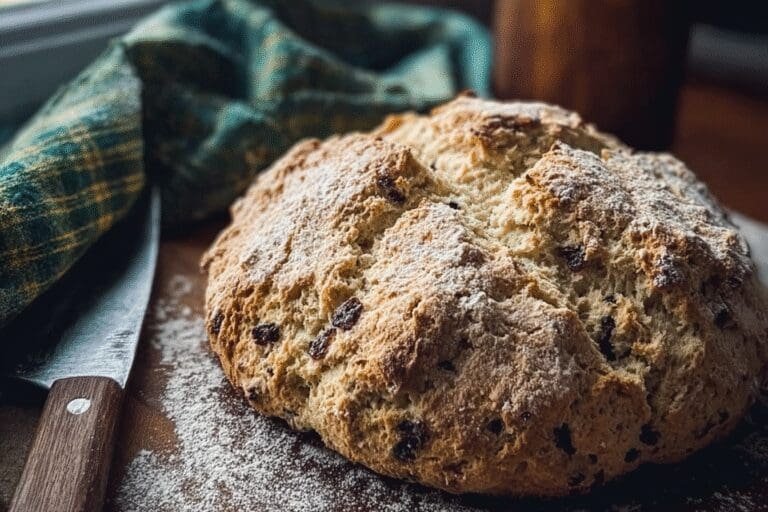
🍞 Grandma’s Irish Soda Bread is a quick and easy bread with a soft interior and crusty golden-brown exterior, perfect for any meal.
🥛 Using baking soda and buttermilk eliminates the need for yeast, making this bread fast to prepare and deliciously tender.
- Total Time: 1 hour 10 minutes
- Yield: 1 large loaf or 2 smaller loaves 1x
Ingredients
1 and 3/4 cups buttermilk reacts with baking soda to give the characteristic rise and moisture while adding a subtle tangy flavor
1 large egg adds richness and improves the structure, creating a slightly lighter loaf with a golden color
4 and 1/4 cups all-purpose flour, plus extra for dusting provides the structure and body of the bread
3 tablespoons granulated sugar provides a touch of sweetness to balance the acidity of the buttermilk and helps with browning
1 teaspoon baking soda acts as the leavening agent to help the bread rise without yeast by reacting with acidic buttermilk
1 teaspoon salt enhances flavor and balances the taste, bringing out the subtle sweetness in the bread
5 tablespoons unsalted cold butter, cubed adds richness and creates flaky layers when it melts during baking, resulting in a more tender crumb
1 cup raisins adds natural sweetness and texture, commonly found in “Spotted Dog” variety of Irish soda bread
Instructions
1-Preheat your oven to 400°F (about 200°C). Prepare a baking vessel such as a lined baking sheet, a 10-12 inch cast iron skillet, a greased 9-10 inch cake pan or pie dish, or a 5-quart dutch oven (if using a dutch oven, bake uncovered).
2-Whisk together the buttermilk and egg. In a separate large bowl, mix the flour, sugar, baking soda, and salt until well combined.
3-Cut the cold butter into the flour mixture. Use a pastry cutter or your fingers to work the butter into the flour until pea-sized crumbs form. Stir in raisins if using.
4-Combine wet and dry ingredients. Pour the buttermilk and egg mixture into the flour mixture, folding gently until the dough is too stiff to stir.
5-Shape the dough. Turn the dough onto a lightly floured surface, shape it into a ball, and knead briefly until fully moistened, adding flour if sticky.
6-Prepare for baking. Transfer the dough to the prepared pan and score an X or slash about half an inch deep on top.
7-Bake. Place in the oven and bake for 45-55 minutes or until golden brown and cooked through, aiming for an internal temperature of about 195°F (90°C).
8-Cool and serve. Let cool for 10 minutes, then transfer to a wire rack. Serve warm, at room temperature, or toasted.
Last Step:
Please leave a rating and comment letting us know how you liked this recipe! This helps our business to thrive and continue providing free, high-quality recipes for you.Notes
🍀 Do not overwork the dough to keep it slightly shaggy and tender.
❄️ Use cold butter to create a better texture in the bread.
✂️ Score the dough deeply to help it bake evenly and develop a beautiful crust.
- Prep Time: 15 minutes
- Cook Time: 55 minutes
- Category: Bread, Quick Bread
- Method: Mixing, Baking
- Cuisine: Irish
Nutrition
- Serving Size: 1 slice
- Calories: 190 kcal
- Sugar: 5 g
- Sodium: 250 mg
- Fat: 7 g
- Saturated Fat: 4 g
- Trans Fat: 0 g
- Carbohydrates: 28 g
- Fiber: 1 g
- Protein: 4 g
- Cholesterol: 30 mg