Why You’ll Love This Baked Feta Orzo
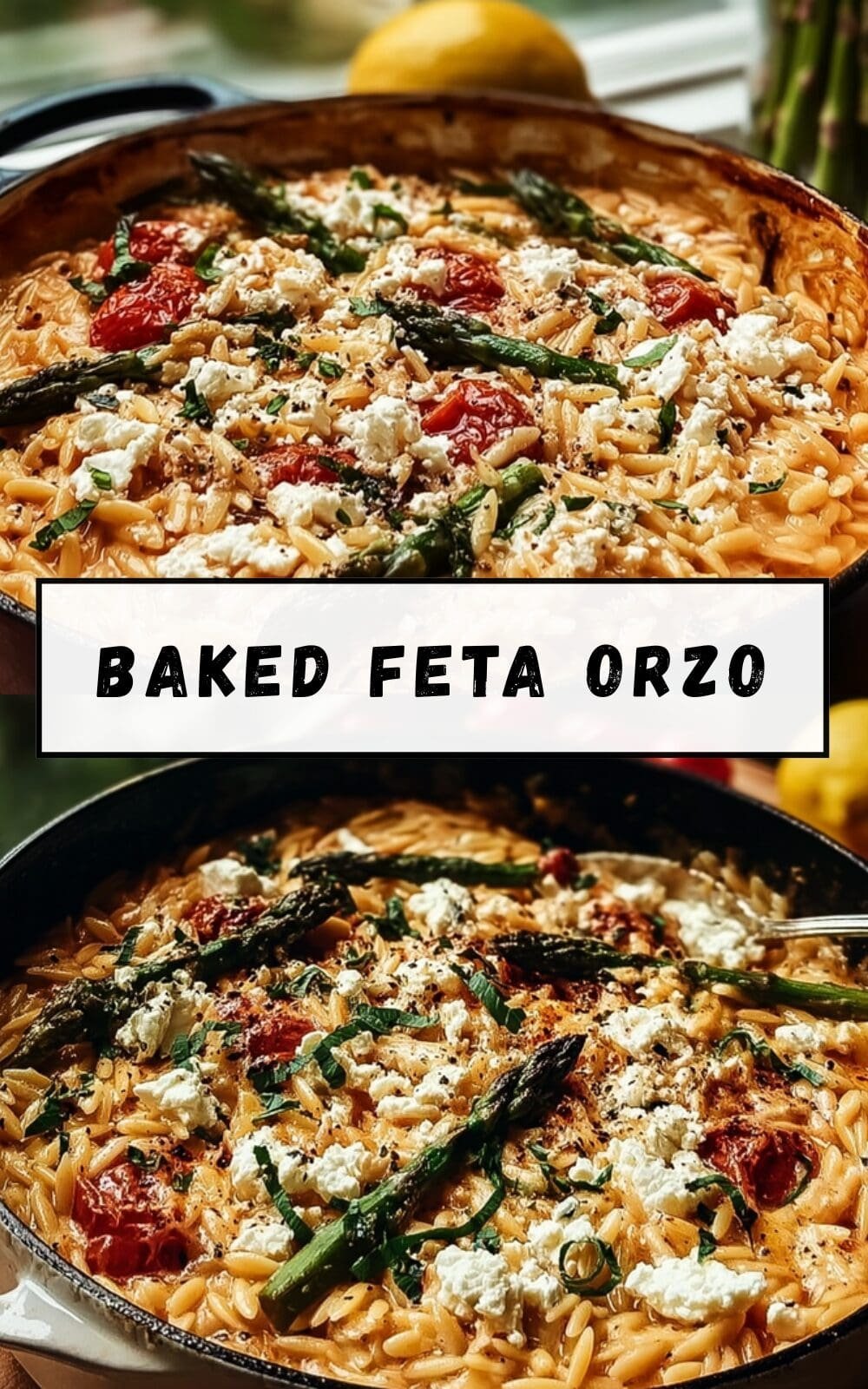
If you’re looking for a dinner that feels fancy but comes together with minimal effort, this Baked Feta Orzo is about to become your new favorite. This dish takes inspiration from the viral baked feta pasta trend but elevates it with the addition of tender orzo pasta, creating a creamy and satisfying meal that everyone at the table will love.
Ease of Preparation
This baked feta orzo recipe is incredibly simple and quick to make, perfect for busy weeknights or last-minute dinners. You can prepare all ingredients in minutes, and the baking process requires minimal active cooking time, ensuring a hassle-free experience. The method is so straightforward that even beginners can achieve restaurant-quality results on their first try. Plus, cleanup is a breeze since everything bakes together in one pan.
Health Benefits
Packed with nutrient-rich ingredients like feta cheese, olive oil, and orzo, this dish offers a balanced combination of protein, healthy fats, and carbohydrates. It supports wellness by providing essential vitamins and minerals, making it a nutritious meal option. Feta cheese is a good source of calcium and protein, while olive oil provides heart-healthy monounsaturated fats, and the vegetables add important vitamins and antioxidants to your diet.
Versatility
This baked feta orzo is highly adaptable to different dietary needs, including vegan, gluten-free, and low-calorie modifications. It suits various preferences and can be tailored to fit dietary restrictions without sacrificing flavor. You can easily customize this recipe to suit your taste preferences or use up vegetables you have on hand, making it a flexible addition to your meal rotation.
Distinctive Flavor
The unique combination of creamy baked feta, tangy tomatoes, and tender orzo creates a rich and savory flavor profile that stands out. The dish’s Mediterranean-inspired taste offers a delicious and memorable dining experience. The salty richness of the feta balances beautifully with the sweetness of roasted tomatoes, while the orzo provides the perfect vehicle for all those amazing flavors.
Jump to:
- Why You’ll Love This Baked Feta Orzo
- Ease of Preparation
- Health Benefits
- Versatility
- Distinctive Flavor
- The Story Behind Baked Feta Orzo
- Essential Ingredients for Baked Feta Orzo
- The Star: Feta Cheese
- Tomatoes: Sweet and Tangy
- Orzo: The Perfect Pasta
- Asparagus: A Fresh Addition
- Flavor Enhancers
- Ingredients for Baked Feta Orzo Recipe
- How to Prepare the Perfect Baked Feta Orzo: Step-by-Step Guide
- Preparation
- Cooking Instructions
- Troubleshooting Common Issues
- Dietary Substitutions to Customize Your Baked Feta Orzo
- Protein and Main Component Alternatives
- Vegetable, Sauce, and Seasoning Modifications
- Texture Variations
- Mastering Baked Feta Orzo: Advanced Tips and Variations
- Pro Cooking Techniques
- Flavor Variations
- Presentation Tips
- Make-Ahead Options
- Pairing Suggestions
- How to Store Baked Feta Orzo: Best Practices
- Refrigeration
- Freezing
- Reheating
- Meal Prep Considerations
- FAQs: Frequently Asked Questions About Baked Feta Orzo
- What type of feta cheese works best for baked feta orzo?
- Should I cook the orzo before mixing it with baked feta?
- Why do I need to save the orzo cooking water?
- Can I bake the feta with vegetables like asparagus, and how should thick asparagus be prepared?
- What tips can help if the baked feta orzo sauce turns out grainy?
- Baked Feta Orzo
- Ingredients
- Instructions
- Last Step:
- Notes
- Nutrition
- Did you make this recipe?
The Story Behind Baked Feta Orzo
Baked feta pasta became an internet sensation a few years ago, and for good reason. The simple concept of baking a block of feta with tomatoes until it creates a creamy sauce is pure genius. This version with orzo instead of larger pasta shapes takes that idea to the next level. The smaller, rice-shaped pasta cooks more evenly and absorbs the sauce better, creating a dish with a wonderfully cohesive texture and intensified flavor.
The combination of feta cheese and tomatoes is a classic in Mediterranean cuisine. These two ingredients have natural affinities the acidity of tomatoes cuts through the richness of the cheese, while the saltiness of the feta highlights the sweetness of the tomatoes. When baked together, they undergo a magical transformation, creating a sauce that’s both creamy and bright, rich yet fresh.
Adding orzo to the mix elevates this dish from a simple pasta sauce to a complete meal. The orzo cooks directly in the sauce, absorbing its flavors and releasing starch that helps thicken and emulsify the sauce. This creates a luxurious texture that coats each tiny grain of pasta, ensuring every bite is perfectly balanced and satisfying.
Essential Ingredients for Baked Feta Orzo
The magic of this recipe lies in its simple yet high-quality ingredients. Each component plays a crucial role in creating the perfect balance of flavors and textures that make this dish so special. Let’s explore each ingredient in detail to understand why they’re essential to this recipe.
The Star: Feta Cheese
Feta cheese is undoubtedly the star of this dish. This crumbly, salty cheese with its tangy flavor creates the creamy sauce that defines the recipe. When baked, feta undergoes a remarkable transformation, softening into a smooth, spreadable consistency while retaining its distinctive flavor. It’s important to use a block of feta rather than pre-crumbled cheese, as blocks have a higher moisture content that allows them to melt properly.
For the best results, look for Greek feta made from sheep’s milk or a combination of sheep’s and goat’s milk. This traditional feta has a creamier texture and more complex flavor than varieties made from cow’s milk. Full-fat feta is preferable to reduced-fat versions for this recipe, as the higher fat content contributes to the silky texture of the sauce.
Tomatoes: Sweet and Tangy
Cherry or plum tomatoes provide the perfect balance to the salty feta. When roasted, these tomatoes become concentrated in flavor, developing a sweetness that contrasts beautifully with the cheese. The natural juices released during baking combine with the melting feta to create the base of the sauce.
Choosing the right tomatoes is important. Cherry tomatoes, particularly smaller varieties, are ideal because they cook evenly and become wonderfully sweet. Plum or Roma tomatoes work well too, especially if you’re looking for a slightly less sweet version. Avoid large slicing tomatoes, which can be too watery for this dish.
Orzo: The Perfect Pasta
Orzo, also known as risoni, is a form of pasta shaped like a large grain of rice. Its small size makes it perfect for this dish, as it cooks quickly and absorbs flavors beautifully. Orzo pasta is a good source of carbohydrates, providing energy and satisfaction without being too heavy.
The texture of orzo is ideal for this creamy dish. Unlike larger pasta shapes that can become slippery in rich sauces, orzo’s small size allows it to maintain a pleasant bite while becoming coated in the sauce. It cooks evenly and doesn’t clump together, ensuring each spoonful contains a perfect balance of pasta and sauce.
Asparagus: A Fresh Addition
Asparagus adds a wonderful freshness and slight crunch to this dish. Its earthy flavor complements the other ingredients without overpowering them. When roasted, asparagus becomes tender yet retains some structure, providing a nice textural contrast to the soft pasta and creamy sauce.
When selecting asparagus for this recipe, look for spears that are firm with tight tips. Thinner spears work best as they cook more evenly and have a more delicate flavor. If you’re using thicker asparagus, consider slicing it into smaller pieces or adding it to the baking pan a few minutes earlier than the tomatoes to ensure it cooks properly.
Flavor Enhancers
Olive oil, garlic, and herbs serve as the flavor foundation of this dish. The olive oil not only helps the vegetables roast beautifully but also contributes to the silky texture of the sauce. Garlic adds aromatic depth, while herbs like basil and chives provide fresh, bright notes that balance the richness of the cheese and pasta.
Ingredients for Baked Feta Orzo Recipe
For this specific recipe, you’ll need the following ingredients with exact measurements:
- 200g (7oz) full-fat Greek feta cheese block
- 300g (10oz) baby plum or cherry tomatoes, halved
- 200g (7oz) asparagus, sliced
- 3 tablespoons olive oil (divided use)
- Black pepper to taste
- 2 cups (400g) uncooked orzo pasta
- Salt for pasta water
- 100g (3.5oz) baby spinach, roughly chopped
- 2 heaped tablespoons (60g) mascarpone cheese
- Half a small bunch (about 15g / 0.5oz) fresh basil, finely diced
- 2 tablespoons fresh chives, finely diced
- Additional salt for seasoning (use sparingly)
Tip: Using full-fat Greek feta is crucial for this recipe as it creates the creamiest sauce. Lower-fat versions won’t melt properly and may result in a grainy texture.
How to Prepare the Perfect Baked Feta Orzo: Step-by-Step Guide
Now that we have our ingredients ready, let’s walk through the process of creating this delicious dish step by step. This method ensures perfectly cooked orzo with a silky, creamy sauce every time.
Preparation
Before you begin, ensure you have all your ingredients prepared. This includes halving the tomatoes, slicing the asparagus, and gathering your herbs. Proper preparation will make the cooking process smooth and enjoyable. Read through the entire recipe before starting so you can anticipate each step.
Cooking Instructions
- Preheat the oven: Start by preheating your oven to 200°C (390°F). Preheating is crucial for achieving the right temperature to properly bake the feta and roast the vegetables.
- Prepare the feta: Place the 200g (7oz) block of full-fat Greek feta cheese in the center of a large oven-safe pan. Drizzle it with 1 tablespoon of olive oil. This initial coating of oil helps the feta develop a slightly golden exterior while keeping it moist inside.
- Initial baking: Place the pan in the preheated oven and bake the feta for 8 minutes. This pre-baking softens the cheese slightly, preparing it to melt more smoothly later.
- Add vegetables: Remove the pan from the oven. Arrange the 300g (10oz) halved baby plum or cherry tomatoes and 200g (7oz) sliced asparagus around the feta. Be sure to arrange the vegetables in a single layer so they roast evenly.
- Season and continue baking: Drizzle the vegetables with the remaining 2 tablespoons of olive oil and add black pepper to taste. Return the pan to the oven and bake for another 12-15 minutes, or until the feta has softened and the vegetables are tender. The tomatoes should be blistered and juicy, while the asparagus should be tender-crisp.
- Cook the orzo: While the feta and vegetables are baking, bring a large pot of salted water to a boil. Add 2 cups (400g) of uncooked orzo and cook until al dente according to package directions, usually about 8-10 minutes. Drain the orzo, but be sure to reserve about 1 cup of the starchy cooking water. This water is crucial for creating the perfect sauce consistency.
- Create the sauce: Once the feta and vegetables are done baking, remove the pan from the oven. Mash the baked feta until smooth, then stir it into the cooked orzo. The heat from the pasta will help melt the feta further, creating a creamy mixture.
- Add spinach: Add the 100g (3.5oz) roughly chopped baby spinach and about half a cup of the reserved pasta water to the orzo mixture. Stir continuously until the spinach wilts and the sauce becomes creamy. Add more pasta water as needed to reach your desired consistency. The sauce should coat the orzo without being too thick or too watery.
- Finish the dish: Finally, fold in 2 heaped tablespoons (60g) of mascarpone cheese, half a small bunch (about 15g / 0.5oz) of finely diced fresh basil, and 2 tablespoons of finely diced fresh chives. The mascarpone adds an extra layer of creaminess, while the herbs provide fresh flavor and vibrant color.
- Season and serve: Season the dish sparingly with salt and generously with black pepper to taste. Remember that feta is naturally salty, so go easy on the additional salt. Serve immediately to enjoy the creamy feta sauce with tender orzo and fresh vegetables.
Troubleshooting Common Issues
Even experienced cooks sometimes encounter challenges when making this dish. Here are some common problems and how to solve them:
- If the sauce is too thick, gradually add more of the reserved pasta water, a tablespoon at a time, until you reach the desired consistency.
- If the orzo seems undercooked after mixing with the sauce, return everything to the pan and bake for an additional 5-10 minutes until the pasta is tender.
- If the feta hasn’t melted properly, place the pan over low heat on the stove and stir vigorously while adding a little pasta water to help it melt completely.
- If the dish seems too salty, add more orzo or vegetables to balance the flavors, or squeeze in some fresh lemon juice to counteract the saltiness.
| Detail | Information |
|---|---|
| Preparation Time | 10 minutes |
| Cooking Time | 25 minutes |
| Total Time | 35 minutes |
| Servings | 4 people |
| Difficulty | Easy |

Dietary Substitutions to Customize Your Baked Feta Orzo
One of the best things about this recipe is its flexibility. Whether you’re following a specific diet or simply want to use what you have on hand, there are plenty of substitutions you can make while keeping the essence of the dish intact.
Protein and Main Component Alternatives
- Vegan cheese substitutes such as cashew-based or tofu cheese can replace traditional feta for plant-based diets. These alternatives won’t have exactly the same flavor profile, but they can still provide a creamy element to the dish. Look for vegan cheeses that are designed to melt well.
- Gluten-free orzo alternatives include rice-shaped quinoa or corn pasta, ensuring accessibility for gluten-sensitive individuals. These options cook slightly differently, so adjust your liquid and cooking time accordingly. Brown rice orzo is another excellent gluten-free option with a slightly nuttier flavor.
- Additional protein options can make this dish even more substantial. Consider adding chickpeas, white beans, or grilled chicken to the vegetable mixture during the baking process. For a seafood version, shrimp or pieces of white fish would work beautifully with the Mediterranean flavors.
Vegetable, Sauce, and Seasoning Modifications
- Tomato alternatives include sun-dried tomatoes or roasted red peppers for seasonal variation. These alternatives provide a deeper, more concentrated flavor that works beautifully with the creamy feta sauce. Sun-dried tomatoes are especially intense, so use them sparingly.
- Herb variations allow you to customize the flavor profile. Experiment with different herbs like thyme or rosemary instead of oregano for diverse flavor profiles. Fresh herbs added at the end will provide a brighter, more vibrant taste. For a more complex flavor, consider using a combination of herbs.
- Seasoning adjustments can transform the dish entirely. Use low-sodium soy sauce or tamari to enhance flavor in vegan or low-sodium diets. This adds a savory umami element that complements the Mediterranean flavors. Smoked paprika can add a subtle smoky note, while red pepper flakes provide heat.
- Citrus elements like lemon zest or a squeeze of fresh lemon juice can brighten the flavors and cut through the richness of the cheese and pasta. A little acid helps balance the dish and makes it taste less heavy.
Texture Variations
- Crunchy toppings like toasted pine nuts, chopped walnuts, or even pumpkin seeds add delightful texture contrast. Simply toast them in a dry pan until golden and fragrant, then sprinkle over the finished dish.
- Briny additions such as olives, either black or kalamata, enhance the Mediterranean profile. Capers are another option for adding a briny, tangy element that pairs well with the other ingredients.
- Roasted vegetables like bell peppers, zucchini, or eggplant can be added to the baking pan for extra substance and flavor. These vegetables complement the existing flavors while adding more nutritional value.
- Creamy variations can be achieved by adding extra mascarpone, Greek yogurt, or even a splash of heavy cream at the end. This makes the dish even richer and more indulgent.
Mastering Baked Feta Orzo: Advanced Tips and Variations
Once you’ve mastered the basic recipe, there are numerous ways to take your baked feta orzo to the next level. These advanced techniques and flavor variations will help you create a dish that’s truly your own.
Pro Cooking Techniques
For improved texture, toast the orzo lightly in olive oil before boiling to add a nutty depth that will stand up to the creamy sauce. This simple step adds complexity to the dish with minimal effort. Simply sauté the dry orzo in olive oil until it turns golden brown, then proceed with boiling as usual.
Another technique is to use a high-quality block of feta rather than pre-crumbled cheese, as this will melt more evenly and create a smoother sauce. When shopping for feta, look for pieces that are stored in brine rather than vacuum-sealed, as these tend to be moister and more flavorful.
Consider roasting the garlic cloves alongside the tomatoes and asparagus for a sweeter, mellower flavor. Simply toss whole, unpeeled cloves with the vegetables, and after roasting, squeeze the soft garlic out of its skins into the sauce.
Flavor Variations
Incorporate spices like smoked paprika or chili flakes to add a subtle smoky or spicy kick to your baked feta orzo. You can also experiment with adding roasted garlic to the vegetable mixture for an additional layer of flavor. For a more herby version, consider adding fresh thyme or rosemary along with the tomatoes and asparagus.
For a Greek-inspired variation, add kalamata olives and capers to the vegetable mixture. This adds briny, salty elements that complement the feta perfectly. A sprinkle of za’atar seasoning just before serving adds a wonderful Middle Eastern note.
Try a Mediterranean herb blend including oregano, thyme, and rosemary for a more complex herbal profile. You can also add a splash of white wine to the baking pan for additional depth and acidity.
Presentation Tips
Serve in individual ramekins and garnish with lemon zest and fresh parsley for an elegant appearance at dinner parties. You can also create a beautiful contrast by topping the dish with brightly colored cherry tomatoes that have been roasted separately until blistered.
A final drizzle of high-quality olive oil just before serving adds both flavor and visual appeal. Consider adding some microgreens or arugula for a peppery fresh element and vibrant green color.
For a rustic presentation, serve the dish family-style in the baking pan, with additional herbs scattered on top. This approach is both visually appealing and practical for casual gatherings.
Make-Ahead Options
Prepare the vegetable and herb mixture in advance and refrigerate. Bake the feta separately and combine everything just before serving for the best texture. While this dish is best enjoyed fresh, you can also prepare the entire recipe ahead of time and reheat it gently, adding a splash of water or pasta water to restore the creamy consistency.
You can also freeze portions of the finished dish for future meals. While the texture may change slightly upon freezing and reheating, the flavor will remain delicious. To reheat frozen portions, thaw them in the refrigerator overnight, then warm gently with a little added liquid.
Pairing Suggestions
This baked feta orzo pairs beautifully with grilled chicken, fish, or lamb for a complete meal. It also works wonderfully as a side dish alongside roasted vegetables or a crisp green salad. For a vegetarian feast, consider serving it alongside other Mediterranean favorites like falafel or stuffed grape leaves.
A simple green salad with a lemon vinaigrette makes a perfect accompaniment, cutting through the richness of the orzo. Crusty bread is also ideal for soaking up any remaining sauce.
For beverage pairings, a crisp white wine like Sauvignon Blanc or a light red like Pinot Noir complements the flavors beautifully. Non-alcoholic options include sparkling water with a squeeze of lemon or a refreshing hibiscus mulled cider for a festive twist.
For dessert, consider serving something light and refreshing to balance the savory main course. A cinnamon apple cake would provide a lovely sweet finish to your meal.
How to Store Baked Feta Orzo: Best Practices
Like most pasta dishes, baked feta orzo has specific storage requirements to maintain its quality and flavor. Following these best practices will ensure you can enjoy your delicious creation even after the initial meal.
Refrigeration
Store baked feta orzo in an airtight container in the refrigerator for up to 3 days to maintain freshness. Let the dish cool completely before refrigerating to prevent condensation from making the orzo soggy. When ready to eat, you may need to add a splash of water or pasta water when reheating to restore the creamy texture.
When refrigerating, consider portioning the dish into individual containers. This makes it easier to heat only what you need and helps maintain the quality of the leftovers.
Freezing
For longer storage, portion the dish into freezer-safe containers and freeze for up to 1 month. Thaw overnight in the refrigerator before reheating. While freezing may slightly alter the texture of the vegetables, the dish will still be delicious. Consider freezing in individual portions for quick and easy lunches or dinners.
To minimize texture changes, slightly undercook the orzo when freezing the dish. This helps prevent it from becoming too soft upon reheating. Label your containers with the date so you can keep track of how long they’ve been in the freezer.
Reheating
Warm gently in a microwave at 50% power or in an oven at 180°C (350°F) to preserve the creamy texture without drying out. Stir occasionally and add a small amount of water or pasta water if needed to achieve the desired consistency. Avoid overheating, as this can cause the sauce to separate and the orzo to become mushy.
For best results when reheating in the microwave, place the orzo in a microwave-safe container, add a splash of water, and cover with a microwave-safe lid or paper towel to trap moisture. Heat in 30-second intervals, stirring between each, until heated through.
Meal Prep Considerations
This baked feta orzo freezes and reheats well, making it an excellent dish for batch cooking and quick meals throughout the week. Consider preparing a double batch on Sunday and portioning it out for easy weekday lunches. You can also prep the ingredients in advance and assemble the dish just before baking for the freshest results.
For efficient meal prep, chop your vegetables and herbs ahead of time and store them in separate containers in the refrigerator. This way, when you’re ready to cook, everything is already prepped and ready to go.
| Storage Method | Duration | Special Instructions |
|---|---|---|
| Refrigerator | Up to 3 days | Store in airtight container |
| Freezer | Up to 1 month | Portion into freezer-safe containers |
| Reheating | As needed | Add liquid to restore creaminess |
FAQs: Frequently Asked Questions About Baked Feta Orzo
What type of feta cheese works best for baked feta orzo?
For baked feta orzo, use a good-quality block of full-fat Greek feta. This type melts nicely while baking, becoming creamy and smooth, which is essential for creating the rich sauce that coats the pasta. Avoid pre-crumbled feta as it doesn’t melt evenly and can affect the texture of your dish.
Should I cook the orzo before mixing it with baked feta?
No, you should use uncooked orzo in this recipe. The orzo cooks directly in the oven alongside the baked feta and vegetables, absorbing the creamy sauce as it bakes. This method creates a more integrated texture and flavor compared to cooking the orzo separately.
Why do I need to save the orzo cooking water?
Saving the starchy orzo cooking water is important because it helps bind the sauce together, making it silky and smooth. The starch emulsifies with the melted feta and oil, resulting in a creamy, cohesive sauce. Adding small amounts of this water while stirring prevents the sauce from becoming grainy or separated.
Can I bake the feta with vegetables like asparagus, and how should thick asparagus be prepared?
Yes, baking feta with vegetables like asparagus adds flavor and texture. If using thick asparagus stems, slice them thinly or add them at the beginning of baking to ensure they soften but remain slightly al dente. This helps the asparagus cook evenly and enhances the overall dish.
What tips can help if the baked feta orzo sauce turns out grainy?
If your sauce feels grainy or lumpy, place the pan over low heat and stir vigorously while adding a few tablespoons of the reserved orzo cooking water. This gentle heating and stirring help melt the feta completely and smooth out the sauce, restoring its creamy consistency.
Baked Feta Orzo
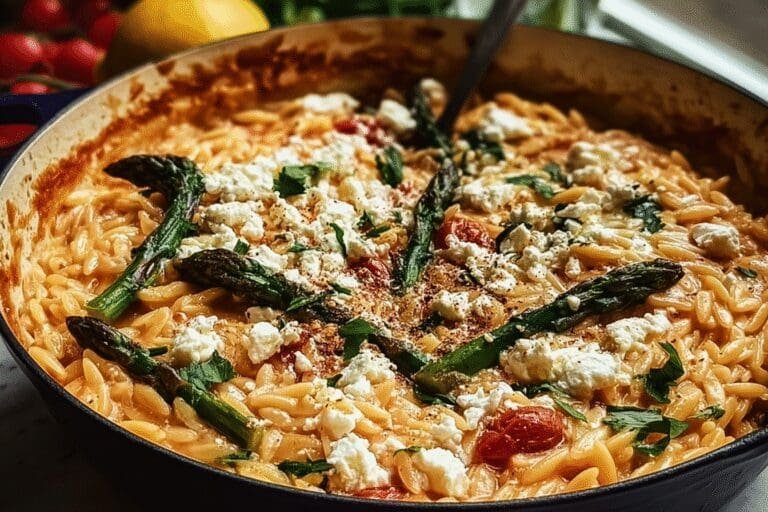
🧀 Baked Feta Orzo with Roasted Tomatoes and Garlic is a creamy, flavorful dish that combines tender orzo with roasted vegetables and rich feta.
🍅 This recipe offers a perfect balance of freshness and indulgence, ideal for a comforting yet light meal.
- Total Time: 35 minutes
- Yield: 4 servings
Ingredients
feta cheese
cherry tomatoes
plum tomatoes
orzo
asparagus
olive oil
garlic
basil
chives
Instructions
1-Preheat the oven: Start by preheating your oven to 200°C (390°F). Preheating is crucial for achieving the right temperature to properly bake the feta and roast the vegetables.
2-Prepare the feta: Place the 200g (7oz) block of full-fat Greek feta cheese in the center of a large oven-safe pan. Drizzle it with 1 tablespoon of olive oil. This initial coating of oil helps the feta develop a slightly golden exterior while keeping it moist inside.
3-Initial baking: Place the pan in the preheated oven and bake the feta for 8 minutes. This pre-baking softens the cheese slightly, preparing it to melt more smoothly later.
4-Add vegetables: Remove the pan from the oven. Arrange the 300g (10oz) halved baby plum or cherry tomatoes and 200g (7oz) sliced asparagus around the feta. Be sure to arrange the vegetables in a single layer so they roast evenly.
5-Season and continue baking: Drizzle the vegetables with the remaining 2 tablespoons of olive oil and add black pepper to taste. Return the pan to the oven and bake for another 12-15 minutes, or until the feta has softened and the vegetables are tender. The tomatoes should be blistered and juicy, while the asparagus should be tender-crisp.
6-Cook the orzo: While the feta and vegetables are baking, bring a large pot of salted water to a boil. Add 2 cups (400g) of uncooked orzo and cook until al dente according to package directions, usually about 8-10 minutes. Drain the orzo, but be sure to reserve about 1 cup of the starchy cooking water. This water is crucial for creating the perfect sauce consistency.
7-Create the sauce: Once the feta and vegetables are done baking, remove the pan from the oven. Mash the baked feta until smooth, then stir it into the cooked orzo. The heat from the pasta will help melt the feta further, creating a creamy mixture.
8-Add spinach: Add the 100g (3.5oz) roughly chopped baby spinach and about half a cup of the reserved pasta water to the orzo mixture. Stir continuously until the spinach wilts and the sauce becomes creamy. Add more pasta water as needed to reach your desired consistency. The sauce should coat the orzo without being too thick or too watery.
9-Finish the dish: Finally, fold in 2 heaped tablespoons (60g) of mascarpone cheese, half a small bunch (about 15g / 0.5oz) of finely diced fresh basil, and 2 tablespoons of finely diced fresh chives. The mascarpone adds an extra layer of creaminess, while the herbs provide fresh flavor and vibrant color.
10-Season and serve: Season the dish sparingly with salt and generously with black pepper to taste. Remember that feta is naturally salty, so go easy on the additional salt. Serve immediately to enjoy the creamy feta sauce with tender orzo and fresh vegetables.
Last Step:
Please leave a rating and comment letting us know how you liked this recipe! This helps our business to thrive and continue providing free, high-quality recipes for you.Notes
🧄 Use fresh garlic in roasting tray or added to vegetable mix for extra depth of flavor.
💧 Reserve pasta water to adjust the sauce consistency for creaminess.
🌿 Fold fresh herbs in at the end to maintain their brightness and aroma.
- Prep Time: 10 minutes
- Cook Time: 25 minutes
- Category: Main Dish, Pasta
- Method: Baking, Boiling
- Cuisine: Mediterranean
Nutrition
- Serving Size: 1 serving
- Calories: 450 kcal
- Sugar: 6 g
- Sodium: 700 mg
- Fat: 22 g
- Saturated Fat: 12 g
- Unsaturated Fat: 8 g
- Trans Fat: 0 g
- Carbohydrates: 44 g
- Fiber: 5 g
- Protein: 18 g
- Cholesterol: 50 mg