Why You’ll Love This Thai Peanut Chicken
This Thai peanut chicken recipe is incredibly simple, requiring minimal ingredients and quick cooking time, making it perfect for busy weeknights. You can have a delicious dinner on the table in no time without sacrificing flavor or quality. The recipe is designed with home cooks in mind, especially those balancing work, family, and other daily commitments. Health benefits abound in this dish! Packed with lean protein and nutrient-rich peanuts, it supports muscle health and offers heart-healthy fats, contributing to overall wellness. The chicken provides essential amino acids while the peanuts offer beneficial fats and minerals. According to research, chicken is an excellent source of lean protein that can help maintain muscle mass and support bone health. The versatility of this dish makes it stand out from other chicken recipes. Adaptable to various diets, this dish can be made vegan, gluten-free, or low-calorie with easy ingredient swaps. Whether you’re serving a family with different dietary needs or just enjoy experimenting with flavors, this recipe adapts beautifully to your preferences. The distinctive flavor profile is what truly makes this Thai peanut chicken uniquely delicious and memorable. The perfect balance of savory, sweet, and spicy notes creates an explosion of flavors that will satisfy even the most discerning palates. If you’re a fan of peanut butter desserts, you might also enjoy our peanut butter pie recipe for a sweet finish to your meal.Jump to:
- Why You’ll Love This Thai Peanut Chicken
- Essential Ingredients for Thai Peanut Chicken
- Ingredients List
- Special Dietary Options
- How to Prepare the Perfect Thai Peanut Chicken: Step-by-Step Guide
- Preparing the Peanut Sauce
- Marinating the Chicken
- Cooking the Chicken
- Assembly and Serving
- Dietary Substitutions to Customize Your Thai Peanut Chicken
- Protein and Main Component Alternatives
- Vegetable, Sauce, and Seasoning Modifications
- Mastering Thai Peanut Chicken: Advanced Tips and Variations
- Pro Cooking Techniques
- Flavor Variations
- Presentation Tips
- Make-Ahead Options
- How to Store Thai Peanut Chicken: Best Practices
- Refrigeration Guidelines
- Freezing Instructions
- Reheating Methods
- Meal Prep Considerations
- FAQs: Frequently Asked Questions About Thai Peanut Chicken
- What can I use instead of peanut butter for Thai Peanut Chicken if I have a peanut allergy?
- How long should I marinate chicken for Thai Peanut Chicken to get the best flavor and texture?
- Is Thai Peanut Chicken spicy, and how can I adjust the heat level?
- How can I modify Thai Peanut Chicken to be gluten-free, paleo, or keto-friendly?
- What is the best way to cook Thai Peanut Chicken on the grill, and what internal temperature should I aim for?
- Thai Peanut Chicken
- Ingredients
- Instructions
- Last Step:
- Notes
- Nutrition
- Did you make this recipe?
Essential Ingredients for Thai Peanut Chicken
Creating the perfect Thai peanut chicken starts with gathering high-quality ingredients. Each component plays a crucial role in developing the complex, balanced flavors that make this dish so special. Let’s break down what you’ll need to create this delicious meal.Ingredients List
Peanut Sauce: – ½ cup creamy peanut butter – 1 cup unsweetened full-fat coconut milk (from can, stirred well) – 2 tablespoons fresh lime juice – 2 tablespoons soy sauce or fish sauce – 1 ½ tablespoons packed dark brown sugar – 1 teaspoon ground ginger – 1 tablespoon minced fresh garlic (about 3 large cloves) – ½ teaspoon crushed red pepper flakes (adjust to taste) Chicken: – 2 pounds boneless, skinless chicken thighs cut into bite-sized pieces Optional Serving: – cooked white or brown rice – extra prepared peanut sauce – lime wedges – whole or chopped peanuts – chopped green onions – chopped cilantroSpecial Dietary Options
For those with specific dietary needs, this recipe offers plenty of flexibility. Peanuts are nutrient-dense, but if allergies are a concern, you can easily substitute almond butter or cashew butter to achieve similar results. These alternatives maintain the creamy texture while providing slightly different flavor profiles. To make this dish gluten-free, simply replace regular soy sauce with tamari or coconut aminos. For those watching their sodium intake, consider using reduced-sodium soy sauce or adjusting the amount to suit your taste preferences. The recipe naturally accommodates various dietary restrictions with just a few simple swaps.How to Prepare the Perfect Thai Peanut Chicken: Step-by-Step Guide
Creating this Thai peanut chicken is a straightforward process that yields impressive results. Follow these steps carefully, and you’ll have a restaurant-quality meal right in your own kitchen. The key is preparation and patience during the marinating process.Preparing the Peanut Sauce
Start by combining the peanut butter, coconut milk, lime juice, soy or fish sauce, brown sugar, ginger, garlic, and crushed red pepper flakes in a medium bowl. Whisk thoroughly until all ingredients are well incorporated and the mixture is smooth. This step is crucial for achieving that creamy, velvety texture that makes the sauce so special. Once your sauce is prepared, set aside 1 cup of the sauce. Cover this portion and refrigerate it, bringing it to room temperature about 15 minutes before serving. This reserved sauce will be used as a dipping sauce or drizzled over the finished dish, adding an extra layer of flavor.Marinating the Chicken
The remaining sauce will be used to marinate the chicken pieces. Place the chicken in a shallow dish or resealable plastic bag and pour the sauce over it, ensuring that all pieces are well coated. Cover and refrigerate for at least 1 hour, though marinating for up to 8 hours will yield even more flavorful results. Remember to stir the chicken occasionally during the marinating process to ensure even flavor distribution.Cooking the Chicken
When you’re ready to cook, you have two excellent options. To broil the chicken, preheat your broiler and arrange the marinated pieces on a greased baking sheet or wire rack. Broil for approximately 6 minutes until the chicken reaches an internal temperature of 160°F (71°C). Alternatively, you can grill the chicken over indirect medium-high heat (375°-450°F) for 6 minutes per side or until fully cooked. Let the chicken rest for 5 minutes before serving to allow the juices to redistribute throughout the meat.Assembly and Serving
Serve the cooked chicken alongside cooked white or brown rice for a complete meal. Drizzle with the extra prepared peanut sauce that you set aside earlier, and arrange lime wedges on the side for guests to add extra acidity if desired. Finish the dish with a garnish of peanuts, green onions, and cilantro to add color, texture, and fresh flavors that complement the rich peanut sauce.Pro tip: For an extra crunchy texture, toast the peanuts in a dry skillet for 2-3 minutes before garnishing. This simple step enhances their natural flavor and adds a delightful contrast to the tender chicken.

Dietary Substitutions to Customize Your Thai Peanut Chicken
One of the beauties of this Thai peanut chicken recipe is its adaptability. Whether you’re accommodating allergies, following specific dietary guidelines, or simply want to try something new, these substitutions will help you customize the dish to meet your needs while maintaining its delicious core flavors.Protein and Main Component Alternatives
While chicken thighs provide excellent flavor and tenderness, you can easily substitute them with other proteins. Replace chicken with tofu, tempeh, or seitan for vegan or vegetarian options. For seafood lovers, shrimp works beautifully with the peanut sauce and cooks even faster than chicken. Turkey slices can also be used for a lighter variation that still absorbs the marinade well. If you prefer white meat, chicken breast can be used instead of thighs, though it may require slightly less cooking time to prevent drying out. The key is to adjust cooking times based on the protein you choose and monitor internal temperatures to ensure food safety.Vegetable, Sauce, and Seasoning Modifications
Adding vegetables to this dish increases its nutritional value and creates a more complete meal. Bell peppers, carrots, snap peas, and broccoli all pair wonderfully with the peanut sauce and add colorful crunch to the dish. Simply stir-fry your vegetables of choice before adding the marinated chicken, or add them halfway through the cooking process. For those with dietary restrictions, the sauce can be easily modified. Use tamari or coconut aminos instead of soy sauce for gluten-free needs. Adjust the sweetness level by modifying the amount of brown sugar or substituting with honey, maple syrup, or artificial sweeteners depending on your dietary preferences. The spice level can be customized by varying the amount of red pepper flakes or adding fresh chili peppers for those who prefer more heat.Mastering Thai Peanut Chicken: Advanced Tips and Variations
Once you’ve mastered the basic recipe, these advanced tips and variations will help you take your Thai peanut chicken to the next level. From pro cooking techniques to creative flavor twists, these suggestions will elevate your dish from good to extraordinary.Pro Cooking Techniques
Marinating chicken in peanut sauce for at least 30 minutes before cooking helps deepen flavors, but avoid marinating for longer than 8 hours as the acids can break down the meat texture. For the best sear on your chicken, use a cast-iron skillet if cooking on the stovetop. The superior heat retention creates a beautiful crust that adds texture and flavor. When grilling, using skewers can make turning the chicken easier and create attractive presentation. Soak wooden skewers in water for 30 minutes before threading the chicken to prevent burning. For optimal flavor, consider smoking the chicken using wood chips like hickory or mesquite if you have a smoker.Flavor Variations
The basic recipe is delicious on its own, but these additions can create exciting new flavor profiles. Add a quarter cup of coconut milk to the sauce for an even creamier texture and subtle coconut flavor that complements the peanuts beautifully. Fresh herbs like cilantro, Thai basil, or mint added just before serving brighten the dish with aromatic notes. For those who enjoy umami flavors, a tablespoon of fish sauce or a dash of Worcestershire sauce can add depth. A splash of rice vinegar can enhance the tanginess, while a teaspoon of sesame oil adds a nutty aroma that pairs perfectly with the peanut flavor profile.Presentation Tips
The way you present your Thai peanut chicken can transform a simple dinner into a special occasion meal. Serve over jasmine rice or rice noodles for an authentic Thai experience. Arrange the chicken in a ring around the perimeter of the plate with the rice in the center, or place it atop the rice for a rustic look. Garnish generously with chopped peanuts, fresh lime wedges, green onions, and cilantro. The vibrant green of the herbs and the bright yellow-green of the lime create a beautiful contrast against the rich, golden brown of the peanut-coated chicken. For dinner parties, consider serving family-style in a large platter with garnishes arranged in small bowls for guests to help themselves.Make-Ahead Options
This recipe accommodates busy schedules with its make-ahead potential. Prepare the sauce up to 3 days in advance and store it in the refrigerator. Marinate the chicken the morning of your planned meal to maximize flavor absorption without risking texture degradation. For meal prep, cook the chicken in batch and portion it with rice and vegetables for easy grab-and-go lunches throughout the week. Store the sauce separately and add it just before reheating to maintain the best texture. This approach saves time without sacrificing quality or taste.How to Store Thai Peanut Chicken: Best Practices
Proper storage is essential for maintaining the quality and safety of your Thai peanut chicken. These guidelines will help you keep leftovers fresh and enjoy them later without compromising texture or flavor.Refrigeration Guidelines
Store cooked Thai peanut chicken in airtight containers for up to 3 days to maintain freshness. Allow the chicken to cool completely before refrigerating to prevent condensation from making the dish soggy. If possible, store the sauce separately from the chicken and rice to preserve the texture of each component. Label your containers with the date prepared to ensure you consume leftovers within the safe timeframe. When reheating, add a splash of water or coconut milk if the sauce appears too thick, as peanut sauces tend to thicken when refrigerated.Freezing Instructions
For longer storage, portion your Thai peanut chicken into freezer-safe containers or bags and freeze for up to 2 months. Remove as much air as possible from freezer bags to prevent freezer burn. Consider freezing the chicken and sauce separately for the best results upon reheating. Thaw frozen Thai peanut chicken overnight in the refrigerator before reheating. For quicker thawing, place the sealed container in a bowl of cold water, changing the water every 30 minutes until thawed. Never thaw at room temperature as this can lead to bacterial growth.Reheating Methods
To preserve the creamy peanut sauce texture, warm the chicken gently in a skillet over medium-low heat, adding a small amount of water or coconut milk to thin the sauce if needed. Stir occasionally to prevent sticking and ensure even heating. Alternatively, you can reheat in the microwave, covering the dish to retain moisture and stirring halfway through the heating process. If you’ve stored the sauce separately, reheat it first and then add it to the warmed chicken. This approach maintains the sauce’s consistency better than reheating everything together. For the best results, consume leftovers within 2-3 days of reheating.Meal Prep Considerations
Thai peanut chicken is an excellent candidate for meal prep due to its flavor improving over time. Batch cook and store in single portions for easy grab-and-go meals throughout the week. Prepare rice and vegetables in advance, but keep them separate from the chicken until ready to eat to prevent sogginess. Consider investing in quality meal prep containers with compartments to keep different elements separate until serving. This ensures that textures remain distinct and appetizing when you’re ready to enjoy your pre-prepared meal.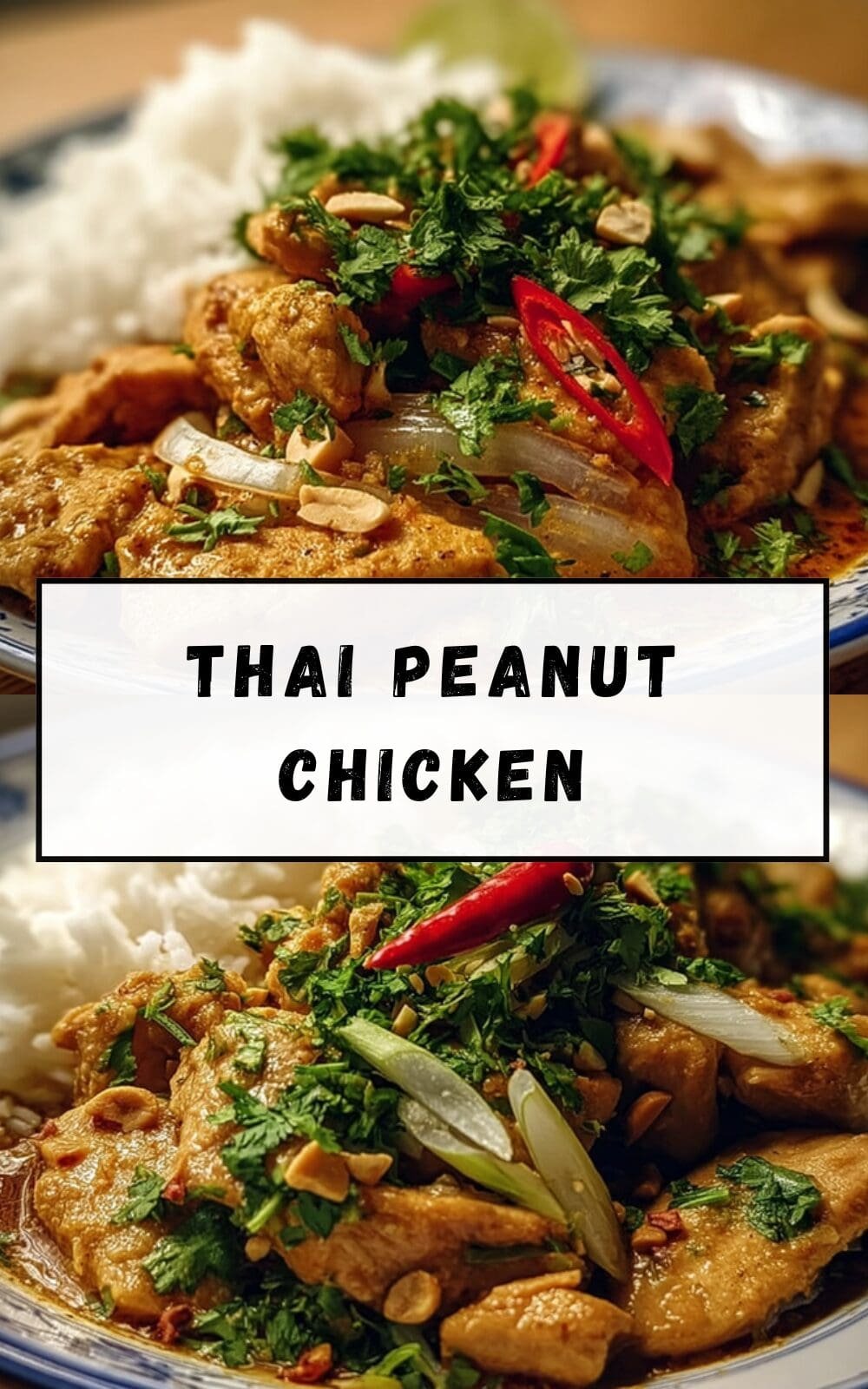
FAQs: Frequently Asked Questions About Thai Peanut Chicken
What can I use instead of peanut butter for Thai Peanut Chicken if I have a peanut allergy?
If you have a peanut allergy, you can substitute almond butter or cashew butter in your Thai Peanut Chicken recipe. These alternatives provide a similar creamy texture and nutty flavor, though the dish won’t have the exact peanut taste. Make sure to choose unsweetened and natural nut butters to keep the sauce balanced.
How long should I marinate chicken for Thai Peanut Chicken to get the best flavor and texture?
Marinate the chicken for at least one hour, which helps tenderize the meat and allows the flavors to penetrate. Avoid marinating for more than eight hours, as the acids in the marinade can break down the chicken’s texture, making it mushy or tough.
Is Thai Peanut Chicken spicy, and how can I adjust the heat level?
Thai Peanut Chicken is typically mildly spicy. You can control the heat by adjusting the amount of red pepper flakes or chili used. Start with a small amount, like a quarter teaspoon of red pepper flakes, then taste the sauce and add more gradually until you reach your preferred spice level.
How can I modify Thai Peanut Chicken to be gluten-free, paleo, or keto-friendly?
For gluten-free, use gluten-free soy sauce, tamari, or fish sauce. To make it paleo, replace peanut butter with almond or cashew butter, swap soy sauce for coconut aminos or fish sauce, and use coconut sugar instead of brown sugar. For keto, choose a low-carb peanut butter and substitute brown sugar with a keto-friendly sweetener like erythritol.
What is the best way to cook Thai Peanut Chicken on the grill, and what internal temperature should I aim for?
Preheat your grill to medium-high (375° to 450° F). Grill chicken skewers over indirect heat, cooking each side for about six to ten minutes. Use a meat thermometer to check the internal temperature—the chicken is safe to eat once it reaches 160° Fahrenheit. Let it rest a few minutes before serving for juicier results.
Thai Peanut Chicken
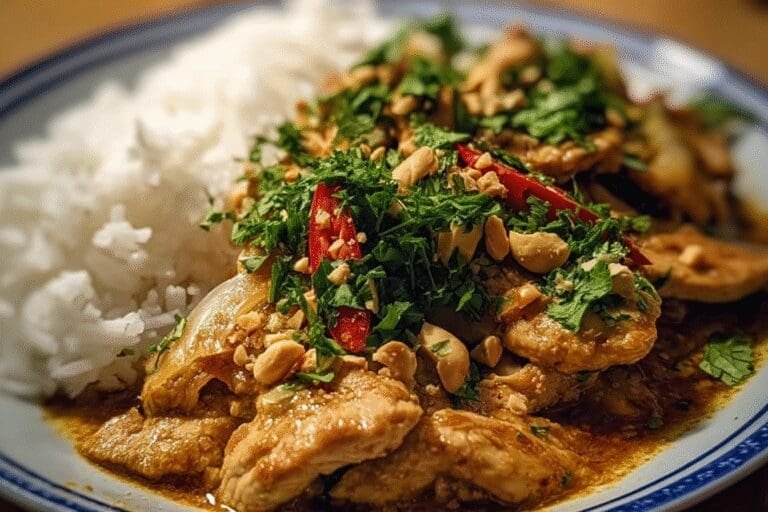
🥜 Thai Peanut Chicken offers a rich, creamy peanut sauce combined with tender marinated chicken thighs for a bold and satisfying meal.
🍚 Perfect with rice and fresh garnishes, this dish brings vibrant Thai flavors to your dinner table, ideal for lovers of savory and spicy food.
- Total Time: 1 hour 31 minutes
- Yield: 4 servings
Ingredients
– ½ cup creamy peanut butter
– 1 cup unsweetened full-fat coconut milk (from can, stirred well)
– 2 tablespoons fresh lime juice
– 2 tablespoons soy sauce or fish sauce
– 1 ½ tablespoons packed dark brown sugar
– 1 teaspoon ground ginger
– 1 tablespoon minced fresh garlic (about 3 large cloves)
– ½ teaspoon crushed red pepper flakes (adjust to taste)
– 2 pounds boneless, skinless chicken thighs cut into bite-sized pieces
– cooked white or brown rice
– extra prepared peanut sauce
– lime wedges
– whole or chopped peanuts
– chopped green onions
– chopped cilantro
Instructions
1-Preparing the Peanut Sauce: Start by combining the peanut butter, coconut milk, lime juice, soy or fish sauce, brown sugar, ginger, garlic, and crushed red pepper flakes in a medium bowl. Whisk thoroughly until all ingredients are well incorporated and the mixture is smooth. This step is crucial for achieving that creamy, velvety texture that makes the sauce so special. Once your sauce is prepared, set aside 1 cup of the sauce. Cover this portion and refrigerate it, bringing it to room temperature about 15 minutes before serving. This reserved sauce will be used as a dipping sauce or drizzled over the finished dish, adding an extra layer of flavor.
2-Marinating the Chicken: The remaining sauce will be used to marinate the chicken pieces. Place the chicken in a shallow dish or resealable plastic bag and pour the sauce over it, ensuring that all pieces are well coated. Cover and refrigerate for at least 1 hour, though marinating for up to 8 hours will yield even more flavorful results. Remember to stir the chicken occasionally during the marinating process to ensure even flavor distribution.
3-Cooking the Chicken: When you’re ready to cook, you have two excellent options. To broil the chicken, preheat your broiler and arrange the marinated pieces on a greased baking sheet or wire rack. Broil for approximately 6 minutes until the chicken reaches an internal temperature of 160°F (71°C). Alternatively, you can grill the chicken over indirect medium-high heat (375°-450°F) for 6 minutes per side or until fully cooked. Let the chicken rest for 5 minutes before serving to allow the juices to redistribute throughout the meat.
4-Assembly and Serving: Serve the cooked chicken alongside cooked white or brown rice for a complete meal. Drizzle with the extra prepared peanut sauce that you set aside earlier, and arrange lime wedges on the side for guests to add extra acidity if desired. Finish the dish with a garnish of peanuts, green onions, and cilantro to add color, texture, and fresh flavors that complement the rich peanut sauce.
Last Step:
Please leave a rating and comment letting us know how you liked this recipe! This helps our business to thrive and continue providing free, high-quality recipes for you.Notes
🌰 Substitute almond or cashew butter in place of peanut butter for allergies or dietary preferences.
🌶️ Adjust the crushed red pepper flakes to control spiciness according to your taste.
🌿 Use gluten-free soy or fish sauce and alternative sweeteners or cream substitutes for specific dietary needs.
- Prep Time: 25 minutes
- Marinating Time: 1 hour
- Cook Time: 6 minutes
- Category: Main Dish
- Method: Marinating, Broiling or Grilling
- Cuisine: Thai
Nutrition
- Serving Size: 1 serving
- Calories: 576 kcal
- Sugar: 2 g
- Sodium: 772 mg
- Fat: 37 g
- Saturated Fat: 15 g
- Carbohydrates: 9 g
- Fiber: 3 g
- Protein: 54 g
- Cholesterol: 215 mg