Why You’ll Love This Stir Fry Noodles
Stir fry noodles have become a go-to meal for busy families, students, and professionals looking for a quick yet satisfying dinner option. This versatile dish combines the convenience of fast food with the nutritional benefits of homemade cooking, offering you the best of both worlds in one flavorful package.
When it comes to ease of preparation, this stir fry noodles recipe stands out as a champion of quick meals. With minimal ingredients and straightforward steps, you can have a delicious meal ready in under 30 minutes – perfect for those hectic weeknight schedules when time is scarce but hunger is abundant.
Beyond just being quick, this dish packs a powerful nutritional punch. Packed with fresh vegetables and lean protein, it offers balanced nutrition that supports your wellness goals. The stir fry cooking method retains nutrients while using minimal oil, making it a healthy choice that doesn’t sacrifice flavor for nutrition.
What truly makes this stir fry noodles recipe exceptional is its incredible versatility. Whether you’re following a vegan diet, need gluten-free options, or are watching your calorie intake, you can easily customize this dish to meet your specific dietary needs without compromising on taste.
The distinctive flavor profile of this recipe combines savory sauces with aromatic spices, transforming simple noodles into a gourmet meal that will impress your family and friends. The balance of umami, slight sweetness, and heat creates a symphony of flavors that will keep you coming back for more.
Jump to:
- Why You’ll Love This Stir Fry Noodles
- Essential Ingredients for Stir Fry Noodles
- Main Ingredients Explained
- Special Dietary Options
- How to Prepare the Perfect Stir Fry Noodles: Step-by-Step Guide
- Preparation Phase
- Cooking Phase
- Dietary Substitutions to Customize Your Stir Fry Noodles
- Protein and Main Component Alternatives
- Vegetable, Sauce, and Seasoning Modifications
- Mastering Stir Fry Noodles: Advanced Tips and Variations
- Pro Cooking Techniques
- Flavor Variations
- Presentation and Make-Ahead Options
- How to Store Stir Fry Noodles: Best Practices
- Refrigeration Guidelines
- Freezing Instructions
- Reheating Methods
- Meal Prep Considerations
- Nutritional Information
- FAQs: Frequently Asked Questions About Stir Fry Noodles
- What types of noodles are best for making stir fry noodles?
- How can I prevent stir fry noodles from becoming soggy or overcooked?
- What are some good protein options to add to stir fry noodles?
- How can I make stir fry noodles vegetarian, vegan, or gluten-free?
- What is the best way to store and reheat leftover stir fry noodles?
- Stir Fry Noodles
- Ingredients
- Instructions
- Last Step:
- Notes
- Nutrition
- Did you make this recipe?
Essential Ingredients for Stir Fry Noodles
Creating the perfect stir fry noodles starts with gathering the right ingredients. Here’s what you’ll need for this delicious recipe:
- 1 ¼ pounds boneless skinless chicken breasts or thighs, thinly sliced and cut into bite-sized pieces
- 4 tablespoons soy sauce, divided (plus additional to taste)
- 3 cloves garlic, minced
- 1 small bunch green onions, thinly sliced (about 1 cup), divided
- 2 tablespoons hoisin sauce
- 1 tablespoon minced fresh ginger
- 1 tablespoon rice wine vinegar
- 2 tablespoons grapeseed oil or canola oil, divided
- 6 ounces dry long noodles such as soba, udon, or whole wheat spaghetti or linguine
- 6 cups thinly sliced vegetables such as mushrooms, bok choy, broccoli, red bell pepper, or carrots
- 2 large eggs, lightly beaten
- 1 to 2 teaspoons sriracha or other hot sauce, or to taste
Main Ingredients Explained
Each ingredient in this stir fry noodles recipe plays a crucial role in creating the final dish. The chicken provides lean protein that’s both satisfying and nutritionally beneficial. Studies show that chicken is an excellent source of high-quality protein that helps maintain muscle mass and supports weight management.
Garlic and ginger form the aromatic base of this dish, not only adding incredible flavor but also offering health benefits. Garlic has been used for centuries for its medicinal properties and contains compounds with potent medicinal effects, including improved immune function.
The soy sauce and hoisin sauce combination creates the perfect balance of salty and sweet umami flavors that define Asian-style stir fry dishes. These ingredients work together to coat the noodles and vegetables, ensuring every bite is packed with flavor.
Special Dietary Options
One of the beauties of stir fry noodles is how easily they adapt to different dietary requirements:
- Vegan: Substitute chicken with firm tofu or tempeh and omit the eggs.
- Gluten-free: Use tamari in place of soy sauce and ensure your hoisin sauce is certified gluten-free. Choose rice noodles or other gluten-free noodle options.
- Low-calorie: Reduce the oil quantity and increase the ratio of vegetables to noodles for a lighter, nutrient-dense meal.
How to Prepare the Perfect Stir Fry Noodles: Step-by-Step Guide
Follow these simple steps to create restaurant-quality stir fry noodles in the comfort of your kitchen:
Preparation Phase
- Marinate the chicken: Toss the chicken with 1 tablespoon of soy sauce and let it sit while you prep the other ingredients. This step helps infuse flavor and tenderize the meat.
- Prepare the sauce: Combine most of the green onions (reserving some for garnish), remaining 3 tablespoons soy sauce, hoisin sauce, garlic, ginger, and rice wine vinegar in a small bowl. Set this near the stove so it’s ready when you need it.
- Cook the noodles: Boil salted water and cook noodles until just under al dente. They will finish cooking in the stir fry, so it’s important not to overcook them now. Drain and toss with ½ tablespoon oil to prevent sticking.
Cooking Phase
- Cook the chicken: Heat ½ tablespoon oil in a large skillet over medium-high heat. Add the marinated chicken and cook until golden and cooked through, about 3-4 minutes. Remove to a plate and set aside.
- Cook the vegetables: Add the remaining 1 tablespoon oil to the skillet. Add the vegetables and cook until slightly browned and crisp-tender, about 3-4 minutes. The vegetables should maintain some crunch for texture.
- Add flavor: Add half of the scallion sauce mixture to the vegetables and sauté for about 1 minute until fragrant. This step helps release the aromatics from the garlic and ginger.
- Combine elements: Add noodles to the skillet and toss with sauce for 30 seconds. Then add eggs, sriracha, chicken, and remaining scallion sauce. Stir fry and toss until eggs are cooked and noodles are tender, about 1-2 minutes.
- Finish and serve: Remove from heat and garnish with reserved green onions. Serve immediately while hot for the best texture and flavor.
Remember that stir frying is a quick cooking technique, so having all your ingredients prepared before you start cooking is essential. This approach, known as “mise en place” in professional kitchens, ensures you won’t be scrambling to chop vegetables while other ingredients are burning in the pan.

Dietary Substitutions to Customize Your Stir Fry Noodles
One of the greatest strengths of this stir fry noodles recipe is its adaptability. Here are some ways you can customize it to suit your preferences or dietary needs:
Protein and Main Component Alternatives
- Replace chicken: Substitute with tofu, tempeh, shrimp, beef, pork, or even edamame depending on your dietary needs or preferences.
- Alternative noodles: Use zucchini noodles, shirataki noodles, or brown rice noodles for low-carb or different nutritional profiles.
- Egg options: Omit eggs for a vegan option, or use additional eggs for extra protein if not concerned with cholesterol.
Vegetable, Sauce, and Seasoning Modifications
- Vegetable variations: Swap broccoli for bok choy, snap peas, bell peppers, snow peas, cabbage, or mushrooms depending on seasonal availability and personal preference.
- Sauce alternatives: Use coconut aminos or tamari sauce instead of soy sauce for gluten-free options. Add oyster sauce for additional depth or chili oil for extra heat.
- Seasoning adjustments: Modify the flavor profile by adding chili flakes, fresh herbs, five-spice powder, or sesame oil to suit your taste and dietary restrictions.
Mastering Stir Fry Noodles: Advanced Tips and Variations
Once you’ve mastered the basic stir fry noodles recipe, try these advanced techniques and variations to take your dish to the next level:
Pro Cooking Techniques
- Use a wok: If you have one, use a wok for high heat and quick cooking to preserve texture and flavor. The sloped sides of a wok make tossing easier and help distribute heat more evenly.
- Preheat properly: Always preheat your pan thoroughly before adding oil. A hot pan seals food quickly, preventing sticking and maintaining moisture.
- Cook in batches: If adding a lot of ingredients, cook in batches to avoid overcrowding the pan, which causes food to steam instead of stir fry.
Flavor Variations
- Regional styles: Create different regional variations by adjusting ingredients try Thai style with curry paste and coconut milk, or Korean with gochujang and sesame oil.
- Sauce experiments: Experiment with adding hoisin sauce, oyster sauce, fish sauce, or chili garlic sauce for unique taste profiles.
- Texture additions: Top with crushed peanuts, toasted sesame seeds, or crispy fried onions for added crunch and visual appeal.
Presentation and Make-Ahead Options
- Garnish generously: Garnish with fresh herbs like cilantro or Thai basil, lime wedges, and additional sliced chilies for restaurant-quality presentation.
- Meal prep: Prepare and chop ingredients in advance and store them separately for quick assembly during the week. This approach is perfect for busy weekdays.
- Sauce doubling: Make double the sauce and store it in the refrigerator for up to a week. This makes preparing stir fry noodles even faster for future meals.
How to Store Stir Fry Noodles: Best Practices
Knowing how to properly store your stir fry noodles ensures you can enjoy delicious leftovers without sacrificing quality. Here are the best practices for storing, freezing, and reheating:
Refrigeration Guidelines
Store leftover stir fry noodles in an airtight container in the refrigerator for up to 4 days. For best results, allow the food to cool to room temperature before refrigerating, but don’t leave it out for more than 2 hours to prevent bacterial growth.
Freezing Instructions
For longer storage, freeze portions in freezer-safe bags or containers for up to 3 months. When freezing, remove as much air as possible to prevent freezer burn. Label containers with the date so you can track freshness. Thaw overnight in the refrigerator before reheating for the best texture.
Reheating Methods
The best way to reheat stir fry noodles is on the stovetop over medium-low heat. Add a splash of water or broth to prevent drying out and cover the pan to create steam that helps refresh the noodles. Alternatively, you can reheat in the microwave at medium power, stirring halfway through to ensure even heating.
Meal Prep Considerations
For meal prepping, it’s best to store components separately: cooked noodles in one container, proteins in another, and vegetables in a third. Combine and heat when ready to eat to maintain freshness and prevent sogginess. Sauce can be stored separately in a small container and added just before serving.
Nutritional Information
Understanding the nutritional value of your stir fry noodles can help you plan a balanced diet. Here’s the breakdown per serving (serves 4):
| Nutrient | Amount per Serving |
|---|---|
| Calories | 467 |
| Carbohydrates | 44g |
| Protein | 45g |
| Fat | 14g |
| Saturated Fat | 2g |
| Cholesterol | 173mg |
| Potassium | 1208mg |
| Fiber | 2g |
| Sugar | 6g |
| Vitamin A | 341 IU |
| Vitamin C | 9mg |
| Calcium | 60mg |
| Iron | 3mg |
This nutritional profile shows that stir fry noodles can be a balanced meal option, providing a good mix of protein, carbohydrates, and fats while remaining moderate in calories. The high protein content helps keep you feeling satisfied, while the variety of vegetables contributes essential vitamins and minerals.
FAQs: Frequently Asked Questions About Stir Fry Noodles
What types of noodles are best for making stir fry noodles?
The best noodles for stir fry are those that can hold up to high-heat tossing without breaking. Popular choices include soba noodles, Japanese udon, egg noodles, spaghetti, linguine, fettuccine, and rice noodles. Rice noodles are usually added later in the cooking process to prevent them from becoming mushy. Choosing thicker or chewier noodles helps maintain texture and absorb the stir fry sauce well.
How can I prevent stir fry noodles from becoming soggy or overcooked?
To avoid soggy noodles, cook them until just al dente, meaning they are slightly undercooked. Then, finish cooking them in the hot skillet with the sauce and other ingredients, which allows the noodles to absorb flavors without getting mushy. Keeping the pan hot also helps vegetables stay crisp and proteins remain juicy.
What are some good protein options to add to stir fry noodles?
Common proteins for stir fry noodles include chicken breast, sirloin steak, pork tenderloin, tofu, and eggs. You can scramble eggs directly into the dish or cook them separately to avoid texture changes in the sauce. These proteins cook quickly and complement the flavors of the stir fry sauce.
How can I make stir fry noodles vegetarian, vegan, or gluten-free?
For a vegetarian or vegan version, omit animal proteins and eggs and substitute with tofu, tempeh, or additional vegetables. To make it gluten-free, use gluten-free soy sauce and hoisin sauce, and choose gluten-free noodles like rice noodles or specific gluten-free brands. Always check labels for hidden gluten ingredients.
What is the best way to store and reheat leftover stir fry noodles?
Store leftovers in an airtight container in the refrigerator for up to four days. To reheat, warm the noodles in a skillet over medium-low heat, adding a splash of water or broth to prevent drying out. You can also freeze stir fry noodles for up to three months; thaw thoroughly overnight in the fridge before reheating for best texture.
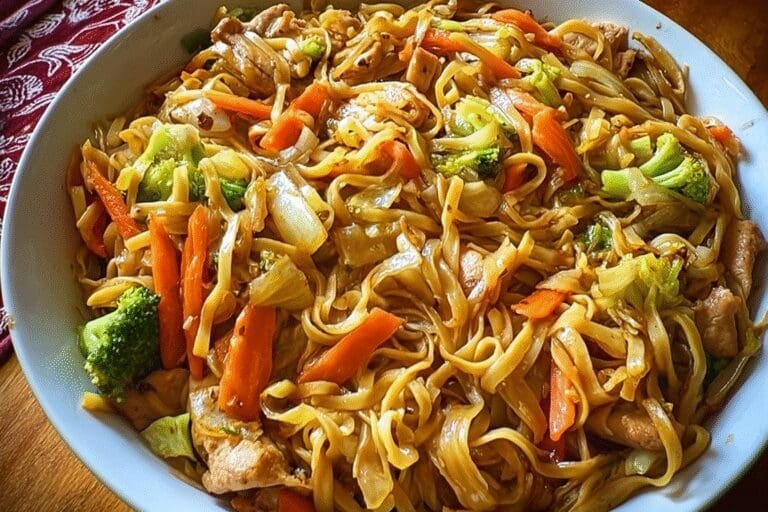
Stir Fry Noodles
🍜 Stir Fry Noodles are a quick and flavorful meal option packed with protein and crisp vegetables, perfect for busy weeknights.
🔥 This recipe combines tender chicken, savory sauces, and fresh veggies to deliver a satisfying and wholesome dish that everyone will enjoy.
- Total Time: 25 minutes
- Yield: 4 servings 1x
Ingredients
1 ¼ pounds boneless skinless chicken breasts or thighs, thinly sliced and cut into bite-sized pieces
4 tablespoons soy sauce, divided (plus additional to taste)
3 cloves garlic, minced
1 small bunch green onions, thinly sliced (about 1 cup), divided
2 tablespoons hoisin sauce
1 tablespoon minced fresh ginger
1 tablespoon rice wine vinegar
2 tablespoons grapeseed oil or canola oil, divided
6 ounces dry long noodles such as soba, udon, or whole wheat spaghetti or linguine
6 cups thinly sliced vegetables such as mushrooms, bok choy, broccoli, red bell pepper, or carrots
2 large eggs, lightly beaten
1 to 2 teaspoons sriracha or other hot sauce, or to taste
Instructions
1-Marinate the chicken: Toss the chicken with 1 tablespoon of soy sauce and let it sit while you prep the other ingredients. This step helps infuse flavor and tenderize the meat.
2-Prepare the sauce: Combine most of the green onions (reserving some for garnish), remaining 3 tablespoons soy sauce, hoisin sauce, garlic, ginger, and rice wine vinegar in a small bowl. Set this near the stove so it’s ready when you need it.
3-Cook the noodles: Boil salted water and cook noodles until just under al dente. They will finish cooking in the stir fry, so it’s important not to overcook them now. Drain and toss with ½ tablespoon oil to prevent sticking.
4-Cook the chicken: Heat ½ tablespoon oil in a large skillet over medium-high heat. Add the marinated chicken and cook until golden and cooked through, about 3-4 minutes. Remove to a plate and set aside.
5-Cook the vegetables: Add the remaining 1 tablespoon oil to the skillet. Add the vegetables and cook until slightly browned and crisp-tender, about 3-4 minutes. The vegetables should maintain some crunch for texture.
6-Add flavor: Add half of the scallion sauce mixture to the vegetables and sauté for about 1 minute until fragrant. This step helps release the aromatics from the garlic and ginger.
7-Combine elements: Add noodles to the skillet and toss with sauce for 30 seconds. Then add eggs, sriracha, chicken, and remaining scallion sauce. Stir fry and toss until eggs are cooked and noodles are tender, about 1-2 minutes.
8-Finish and serve: Remove from heat and garnish with reserved green onions. Serve immediately while hot for the best texture and flavor.
Last Step:
Please leave a rating and comment letting us know how you liked this recipe! This helps our business to thrive and continue providing free, high-quality recipes for you.Notes
🍜 Use thicker noodles like soba or udon for better tossing.
🔪 Cut vegetables uniformly for even, quick cooking.
🌶️ Adjust sriracha to your preferred spice level.
- Prep Time: 10 minutes
- Cook Time: 15 minutes
- Category: Main Dish, Dinner
- Method: Stir-Frying
- Cuisine: Asian-inspired
Nutrition
- Serving Size: 1 serving
- Calories: 467 kcal
- Sugar: 6 g
- Sodium: 0 mg
- Fat: 14 g
- Saturated Fat: 2 g
- Carbohydrates: 44 g
- Fiber: 2 g
- Protein: 45 g
- Cholesterol: 173 mg