Why You’ll Love These Peanut Butter Eggs
Peanut Butter Eggs are one of those homemade treats that feel special without asking for a lot of time or effort. If you love the classic peanut butter and chocolate combo, this recipe gives you that familiar candy shop flavor in a simple, home-friendly way. It is a great pick for busy parents, students, party hosts, and anyone who wants a sweet bite ready fast.
- Easy to make: This peanut butter eggs recipe uses just a handful of pantry staples and no oven at all. You melt, mix, shape, chill, and dip. That makes it a handy treat when you want something festive but do not have time for a full bake.
- Great for sharing: Peanut Butter Eggs are easy to batch, so you can make about 12 eggs for a small family treat or double the batch for holidays, gift boxes, or dessert trays. They also travel well when packed carefully.
- Flexible for different diets: You can swap the filling with almond butter, cashew butter, or sunflower seed butter if needed. You can also choose dark chocolate or white chocolate for the coating, depending on taste or sugar goals.
- Rich, classic flavor: The creamy peanut butter center and smooth milk chocolate shell give you a sweet, salty, soft, and snappy bite in every piece. It tastes like a homemade candy bar with a fresh finish.
If you want a treat that feels nostalgic, easy, and crowd-pleasing, Peanut Butter Eggs are hard to beat.
For another sweet idea to serve with these, you might also like this homemade cinnamon roll recipe for brunch gatherings or weekend treats.
Jump to:
- Why You’ll Love These Peanut Butter Eggs
- Essential Ingredients for Peanut Butter Eggs
- Main Ingredients
- Special Dietary Options
- How to Prepare the Perfect Peanut Butter Eggs: Step-by-Step Guide
- First Step: Melt the peanut butter and butter
- Second Step: Mix in the flavor and sweetness
- Third Step: Shape the filling
- Fourth Step: Chill until firm
- Fifth Step: Melt the chocolate
- Sixth Step: Dip and decorate the eggs
- Final Step: Set and serve
- Dietary Substitutions to Customize Your Peanut Butter Eggs
- Protein and Main Component Alternatives
- Vegetable, Sauce, and Seasoning Modifications
- Mastering Peanut Butter Eggs: Advanced Tips and Variations
- Pro cooking techniques
- Flavor variations
- Presentation tips
- Make-ahead options
- How to Store Peanut Butter Eggs: Best Practices
- Refrigeration
- Freezing
- Room temperature
- Meal prep considerations
- Peanut Butter Eggs Nutrition and Quick Recipe Snapshot
- FAQs: Frequently Asked Questions About Peanut Butter Eggs
- What ingredients do I need for homemade peanut butter eggs?
- Can I use different chocolate for coating homemade peanut butter eggs?
- What can I substitute for peanut butter in peanut butter eggs?
- How do I store homemade peanut butter eggs?
- How long do homemade peanut butter eggs last?
- Peanut Butter Eggs
- Ingredients
- Instructions
- Last Step:
- Notes
- Nutrition
- Did you make this recipe?
Essential Ingredients for Peanut Butter Eggs
These Peanut Butter Eggs use six basic ingredients and make about 12 eggs. Each one plays a key part in the texture and flavor, so it helps to measure carefully.
Main Ingredients
- 1 cup creamy peanut butter: This creates the soft, rich center. Creamy peanut butter gives the smoothest texture, though crunchy peanut butter can be used if you want extra bite.
- 1/2 cup unsalted butter: Butter helps the filling blend smoothly and gives the eggs a rich, melt-in-your-mouth feel.
- 2 cups powdered sugar: Powdered sugar sweetens the filling and helps it firm up enough to shape into eggs.
- 1/4 teaspoon salt: A little salt sharpens the peanut butter flavor and balances the sweetness.
- 1 teaspoon vanilla extract: Vanilla adds warmth and rounds out the flavor of the filling.
- 2 cups milk chocolate for dipping: Milk chocolate forms the coating that gives these eggs their classic candy finish.
Special Dietary Options
- Vegan: Use plant-based butter and dairy-free chocolate chips. Choose a peanut butter with no added milk ingredients.
- Gluten-free: This recipe is naturally gluten-free if your chocolate and vanilla extract are certified gluten-free.
- Low-calorie: Use a lighter peanut butter option and reduce the chocolate coating slightly, though texture may change a bit.
| Ingredient | Amount | Purpose |
|---|---|---|
| Creamy peanut butter | 1 cup | Main flavor and soft filling |
| Unsalted butter | 1/2 cup | Adds richness and smooth texture |
| Powdered sugar | 2 cups | Sweetens and firms the filling |
| Salt | 1/4 teaspoon | Balances sweetness |
| Vanilla extract | 1 teaspoon | Adds warm flavor |
| Milk chocolate | 2 cups | Coating and finishing layer |
How to Prepare the Perfect Peanut Butter Eggs: Step-by-Step Guide
This recipe is simple, but a few small details make a big difference. Follow each step closely and you will get smooth centers, easy dipping, and a pretty chocolate coating.
First Step: Melt the peanut butter and butter
Start by placing the 1 cup creamy peanut butter and 1/2 cup unsalted butter in a microwave-safe bowl. Heat them in the microwave until the mixture is smooth and fully combined. If the filling looks lumpy, microwave it for 10 more seconds and stir again. This step gives the eggs their soft, creamy texture and helps the rest of the ingredients blend better.
Second Step: Mix in the flavor and sweetness
Add 1/4 teaspoon salt and 1 teaspoon vanilla extract to the warm peanut butter mixture. Then begin adding the 2 cups powdered sugar gradually. Stir after each addition so the filling thickens in an even way. The mixture should turn into a soft dough that can be handled without sticking too much.
If the dough feels too soft, add a little more powdered sugar. If it feels too dry, let it sit for a minute and mix again. Natural or unsweetened peanut butter can take a bit more mixing, so be patient.
Third Step: Shape the filling
Once the dough is firm enough, scoop it into small portions and roll them into balls. Then gently shape each ball into an egg form. You should get about 12 eggs, depending on how large you make them. Wearing gloves can help prevent sticking and keep your hands cleaner while shaping.
For a fun holiday look, make some eggs a little larger and some smaller, then arrange them on a parchment-lined tray. That gives the tray a handmade, charming feel.
Fourth Step: Chill until firm
Place the shaped eggs on a tray and chill them for 30 minutes. Chilling helps them hold their shape during dipping and keeps the chocolate coating neater. Do not skip this step if you want smooth, tidy results.
While they chill, get your chocolate ready and line a tray or baking sheet with parchment paper for the finished eggs.
Fifth Step: Melt the chocolate
Place 2 cups milk chocolate in a microwave-safe bowl. Melt it in 30-second microwave increments, stirring between each round. This helps the chocolate melt smoothly without scorching. If the chocolate thickens while you work, warm it again for a few seconds and stir well.
Working with warm, smooth chocolate makes dipping easier and gives the eggs a cleaner finish.
Sixth Step: Dip and decorate the eggs
Take the chilled eggs from the fridge and dip each one into the melted chocolate. Use a fork or dipping tool to coat each egg fully, then tap off the excess chocolate. Set the coated eggs on the parchment-lined tray.
For extra charm, drizzle a little more chocolate over the top to create a pretty design. This makes the eggs look bakery-made, even though they are easy enough for a weekday kitchen session.
Final Step: Set and serve
Let the chocolate set at room temperature, or move the tray to the refrigerator if you want them ready faster. Once firm, your Peanut Butter Eggs are ready to enjoy. They are a great make-ahead dessert for Easter baskets, dessert platters, office treats, and family movie nights.
If you enjoy easy breakfast and brunch ideas too, you may like this baked French toast recipe for another comforting crowd-pleaser.

Dietary Substitutions to Customize Your Peanut Butter Eggs
Protein and Main Component Alternatives
One of the best things about Peanut Butter Eggs is how easy they are to adjust. If you want a different flavor or need to work around allergies, the filling can still turn out delicious.
- Almond butter: This gives the eggs a nuttier, slightly lighter flavor. It works well if you want a smooth swap that still spreads nicely.
- Cashew butter: Cashew butter makes a richer, softer center with a mild taste. You may need a little more powdered sugar to help the filling firm up.
- Sunflower seed butter: This is a good nut-free option for school-friendly treats. The flavor is different but still tasty with chocolate.
- Crunchy peanut butter: If you want texture in the filling, use crunchy peanut butter instead of creamy. It adds small peanut pieces for extra bite.
Vegetable, Sauce, and Seasoning Modifications
Although this recipe does not use vegetables or sauce, a few simple flavor changes can still help you match the filling to your needs.
- More sweetness: Add a little extra powdered sugar if your nut butter is unsweetened or if you want a firmer candy center.
- Less sweetness: Use dark chocolate for the coating, which brings a deeper cocoa taste and less sugar.
- Flavor twist: Add a tiny pinch of cinnamon or a few drops of maple flavor if you want a new spin on the filling.
- Chocolate options: White chocolate gives a sweeter shell, while dark chocolate adds a bold contrast. Candy melts also work well for bright colors at parties.
When making changes, taste the filling before shaping. That way you can adjust the sweetness and texture before the eggs chill.
Mastering Peanut Butter Eggs: Advanced Tips and Variations
Once you know the basic method, it becomes easy to make this treat look better and taste even more special. A few small tricks can improve the texture, speed up dipping, and make your plate look polished.
Pro cooking techniques
Wear gloves while handling the peanut butter mixture if you want to keep things neat and reduce sticking. This is especially helpful if the dough feels warm from mixing. If the filling gets too soft, chill it for a few extra minutes before shaping.
For smoother chocolate, melt it slowly and stir often. If it starts to seize or thicken, warm it briefly in the microwave and stir again. When dipping, work with only a few chilled eggs at a time so they stay firm.
Flavor variations
Try a dark chocolate coating if you want a richer bite. Use white chocolate if you prefer a sweeter shell. You can also sprinkle crushed nuts, sea salt, or holiday sprinkles over the wet coating for more texture and color.
Another fun variation is to add a spoonful of cocoa powder to the filling for a peanut butter cup style taste. If you love a little crunch, chopped peanuts inside the coating work well too.
Presentation tips
Set the finished eggs on a pretty platter and drizzle a little extra chocolate across the top. You can also place them in small paper cups for a candy-shop look. For holiday gifts, tuck them into small boxes lined with parchment paper.
Simple presentation changes can make homemade Peanut Butter Eggs look ready for a bakery case.
Make-ahead options
These are a smart make-ahead treat because both the filling and finished eggs hold up well. You can shape the eggs a day early and dip them later, or finish the whole batch and store them for the week. That makes them handy for holidays, bake sales, and last-minute guests.
How to Store Peanut Butter Eggs: Best Practices
Peanut Butter Eggs store well, which is part of what makes them so useful for busy weeks and celebrations. With the right storage method, you can keep the texture smooth and the chocolate coating neat.
Refrigeration
For short-term storage, place the eggs in an airtight container and keep them in the refrigerator for up to 2 weeks. If you stack them, separate layers with parchment paper to keep them from sticking together. Refrigeration is the best option if your kitchen is warm or humid.
Freezing
For longer storage, freeze the eggs in a single layer first, then transfer them to a freezer-safe bag or container. They can stay frozen for up to 3 months. Thaw them in the refrigerator overnight before serving so the chocolate stays smooth and the filling keeps its texture.
Room temperature
If you plan to serve them soon, they can sit in a cool, dry place for a short time. Avoid warm or humid spots, since the filling may soften. If you are packing them for a party or gift box, keep them cool until serving.
Meal prep considerations
These are useful for batch prep because they can be made ahead and stored easily. If you are planning a holiday tray or dessert board, make them a few days early and keep them chilled until needed. That saves time and keeps dessert stress low.
Peanut Butter Eggs Nutrition and Quick Recipe Snapshot
Here is a quick look at the timing and nutrition for this peanut butter eggs recipe.
| Recipe Detail | Amount |
|---|---|
| Prep time | 20 minutes |
| Chilling time | 30 minutes |
| Total time | 50 minutes |
| Yield | About 12 eggs |
Nutrition per serving of 1 egg: Calories 423, Carbohydrates 42g, Protein 6g, Fat 29g, Saturated Fat 13g, Polyunsaturated Fat 3g, Monounsaturated Fat 11g, Trans Fat 0.3g, Cholesterol 20mg, Sodium 147mg, Potassium 209mg, Fiber 3g, Sugar 37g, Vitamin A 236IU, Calcium 20mg, Iron 1mg.
Because this is a candy-style treat, the calories and sugar are higher than a snack bar or fruit-based dessert. Still, it is a wonderful occasional treat for holidays, parties, and homemade gift baskets.
For a deeper look at peanuts and peanut butter in your diet, this article from Healthline on whether peanut butter is bad for you is a helpful read. If you like pairing sweets with a balanced outlook, you may also enjoy Johns Hopkins Medicine’s take on a healthy relationship with chocolate.

FAQs: Frequently Asked Questions About Peanut Butter Eggs
What ingredients do I need for homemade peanut butter eggs?
Homemade peanut butter eggs require just six basic pantry staples: 1 cup creamy peanut butter, 1/4 cup unsalted butter (softened), 2 cups powdered sugar, 1/4 teaspoon salt, 1 teaspoon vanilla extract, and 12 ounces milk chocolate chips or bars for coating. Start by mixing the peanut butter, butter, powdered sugar, salt, and vanilla until a dough forms—adjust sugar if needed for firmness. Shape into egg forms, chill for 30 minutes, then dip in melted chocolate. This simple combo mimics Reese’s but lets you control sweetness and quality. No baking required, and everything is easy to find at grocery stores. Total prep time is about 45 minutes plus chilling. Yields 20-24 eggs. (92 words)
Can I use different chocolate for coating homemade peanut butter eggs?
Yes, swap milk chocolate for dark chocolate chips (60-70% cocoa for less sugar) or white chocolate for a sweeter, creamier twist—ideal for Easter treats. Use candy melts in pastel colors like pink or blue for fun spring designs; just melt 12 ounces as directed. The dipping process stays the same: melt chocolate in a microwave-safe bowl in 30-second bursts, stirring until smooth, then dip chilled peanut butter eggs using a fork. Let excess drip off on a wire rack, then add sprinkles or nuts before setting. Dark chocolate adds antioxidants, while white offers visual appeal. Store in fridge to prevent melting. Experiment to match your taste. (108 words)
What can I substitute for peanut butter in peanut butter eggs?
If peanut butter isn’t your favorite, replace it with almond butter, cashew butter, or sunflower seed butter for a nut-free option. Use 1 cup of your choice, but note textures vary—almond butter is smoother, cashew richer. Start with the same recipe: mix with 1/4 cup butter, 2 cups powdered sugar, salt, and vanilla. Unsweetened nut butters may need extra 1/4-1/2 cup powdered sugar for sweetness and firmness; taste and adjust before shaping. Chill eggs 30 minutes, then coat in chocolate. These swaps keep the chewy center intact but offer new flavors like nutty almond. Always check for allergies. Results in 20 eggs. (112 words)
How do I store homemade peanut butter eggs?
Store homemade peanut butter eggs in an airtight container in the refrigerator for up to 2 weeks—they stay fresh thanks to the powdered sugar and chocolate seal. Layer with parchment paper to prevent sticking. For room temperature, keep in a cool, dry spot (below 70°F) up to 5 days, but avoid humid areas to stop softening. Freezing works best for longer storage: wrap individually in plastic wrap, place in a freezer bag, and freeze up to 3 months. Thaw in fridge overnight before serving. This keeps the creamy filling firm and chocolate crisp. Label containers with dates for easy tracking. Perfect for holiday prep. (98 words)
How long do homemade peanut butter eggs last?
Homemade peanut butter eggs last 1-2 weeks in the fridge in an airtight container, maintaining their soft center and snappy chocolate shell. At room temperature in a cool pantry, they keep 3-5 days max before the peanut butter softens. Frozen, they stay good for 2-3 months—thaw slowly in the fridge to avoid condensation. Factors like humidity or high peanut butter oil content can shorten shelf life; use fresh ingredients for best results. Check for off smells or discoloration before eating. Compared to store-bought Reese’s (which last months due to preservatives), these are fresher but best enjoyed soon. Makes gifting easy with proper storage tips. (102 words)
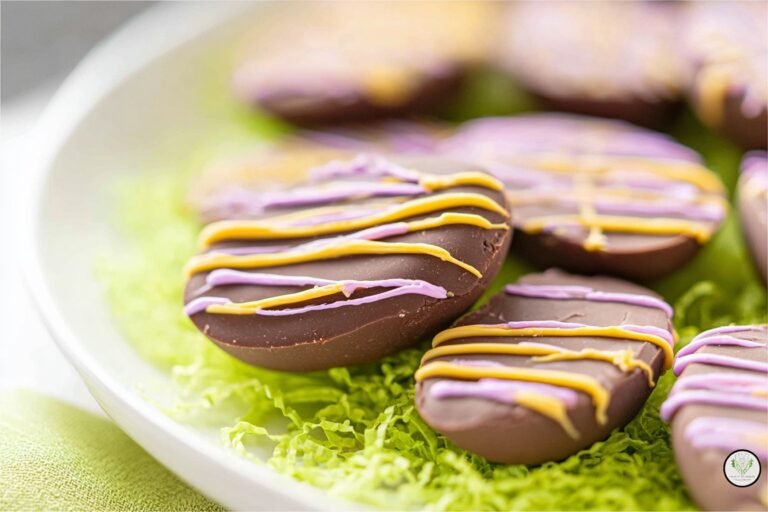
Peanut Butter Eggs
🥜🍫 Rich, creamy peanut butter filling enrobed in smooth milk chocolate – homemade eggs bursting with nutty sweetness for holiday joy or treats anytime.
🥚 Quick no-bake delight rivals candy aisle favorites; customizable, freezable indulgence perfect for Easter baskets or sweet cravings!
- Total Time: 50 minutes
- Yield: 12 eggs
Ingredients
– 1 cup Creamy peanut butter for Main flavor and soft filling
– 1/2 cup Unsalted butter for Adds richness and smooth texture
– 2 cups Powdered sugar for Sweetens and firms the filling
– 1/4 teaspoon Salt for Balances sweetness
– 1 teaspoon Vanilla extract for Adds warm flavor
– 2 cups Milk chocolate for Coating and finishing layer
Instructions
1-First Step: Melt the peanut butter and butter Start by placing the 1 cup creamy peanut butter and 1/2 cup unsalted butter in a microwave-safe bowl. Heat them in the microwave until the mixture is smooth and fully combined. If the filling looks lumpy, microwave it for 10 more seconds and stir again. This step gives the eggs their soft, creamy texture and helps the rest of the ingredients blend better.
2-Second Step: Mix in the flavor and sweetness Add 1/4 teaspoon salt and 1 teaspoon vanilla extract to the warm peanut butter mixture. Then begin adding the 2 cups powdered sugar gradually. Stir after each addition so the filling thickens in an even way. The mixture should turn into a soft dough that can be handled without sticking too much. If the dough feels too soft, add a little more powdered sugar. If it feels too dry, let it sit for a minute and mix again. Natural or unsweetened peanut butter can take a bit more mixing, so be patient.
3-Third Step: Shape the filling Once the dough is firm enough, scoop it into small portions and roll them into balls. Then gently shape each ball into an egg form. You should get about 12 eggs, depending on how large you make them. Wearing gloves can help prevent sticking and keep your hands cleaner while shaping. For a fun holiday look, make some eggs a little larger and some smaller, then arrange them on a parchment-lined tray. That gives the tray a handmade, charming feel.
4-Fourth Step: Chill until firm Place the shaped eggs on a tray and chill them for 30 minutes. Chilling helps them hold their shape during dipping and keeps the chocolate coating neater. Do not skip this step if you want smooth, tidy results. While they chill, get your chocolate ready and line a tray or baking sheet with parchment paper for the finished eggs.
5-Fifth Step: Melt the chocolate Place 2 cups milk chocolate in a microwave-safe bowl. Melt it in 30-second microwave increments, stirring between each round. This helps the chocolate melt smoothly without scorching. If the chocolate thickens while you work, warm it again for a few seconds and stir well. Working with warm, smooth chocolate makes dipping easier and gives the eggs a cleaner finish.
6-Sixth Step: Dip and decorate the eggs Take the chilled eggs from the fridge and dip each one into the melted chocolate. Use a fork or dipping tool to coat each egg fully, then tap off the excess chocolate. Set the coated eggs on the parchment-lined tray. For extra charm, drizzle a little more chocolate over the top to create a pretty design. This makes the eggs look bakery-made, even though they are easy enough for a weekday kitchen session.
7-Final Step: Set and serve Let the chocolate set at room temperature, or move the tray to the refrigerator if you want them ready faster. Once firm, your Peanut Butter Eggs are ready to enjoy. They are a great make-ahead dessert for Easter baskets, dessert platters, office treats, and family movie nights. If you enjoy easy breakfast and brunch ideas too, you may like this baked French toast recipe for another comforting crowd-pleaser.
Last Step:
Please leave a rating and comment letting us know how you liked this recipe! This helps our business to thrive and continue providing free, high-quality recipes for you.Notes
🧤 Wear gloves to easily handle sticky peanut butter mixture without mess.
❄️ Chill eggs firmly before dipping for clean chocolate coating.
🔄 Swap for crunchy PB or other nut butters for texture variety.
- Prep Time: 20 minutes
- Chill Time: 30 minutes
- Category: Desserts
- Method: No-Bake
- Cuisine: American
- Diet: Vegetarian
Nutrition
- Serving Size: 1 egg
- Calories: 423 kcal
- Sugar: 37g
- Sodium: 147mg
- Fat: 29g
- Saturated Fat: 13g
- Unsaturated Fat: 14g
- Trans Fat: 0.3g
- Carbohydrates: 42g
- Fiber: 3g
- Protein: 6g
- Cholesterol: 20mg