Lemon Curd Recipe Easy Homemade Treat
If you love bright, sunny flavors, this Lemon Curd recipe is going to make your day. It is creamy, tangy, and so simple to whip up on the stove. With just a few pantry basics, you get a silky spread that works for breakfast, brunch, dessert, and even gift jars for friends. Best of all, it tastes fancy but comes together in about 15 minutes of hands-on time.
For readers who enjoy fresh citrus, this recipe brings that happy lemon punch in every spoonful. It is a lovely fit for busy parents, students, home bakers, and anyone who wants a quick treat that feels special without much fuss. If you enjoy fruit-forward flavors, you may also like these fluffy blueberry pancakes or a bright brunch spread with baked French toast.
Bright, buttery, and just tart enough, Lemon Curd is the kind of recipe that makes simple food feel a little magical.
Jump to:
- Lemon Curd Recipe Easy Homemade Treat
- Why You’ll Love This Lemon Curd
- Essential Ingredients for Lemon Curd
- Special Dietary Options
- How to Prepare the Perfect Lemon Curd: Step-by-Step Guide
- First Step: Set up the double boiler
- Second Step: Whisk the base
- Third Step: Cook until thickened
- Fourth Step: Add the butter
- Fifth Step: Strain if needed
- Final Step: Cool and chill
- Dietary Substitutions to Customize Your Lemon Curd
- Protein and Main Component Alternatives
- Vegetable, Sauce, and Seasoning Modifications
- Mastering Lemon Curd: Advanced Tips and Variations
- Pro cooking techniques
- Flavor variations
- Presentation tips
- Make-ahead options
- How to Store Lemon Curd: Best Practices
- FAQs: Frequently Asked Questions About Lemon Curd
- What is lemon curd?
- How do you make lemon curd at home?
- How long does homemade lemon curd last?
- Can I make lemon curd with other citrus fruits?
- Can you freeze lemon curd?
- Lemon Curd
- Ingredients
- Instructions
- Last Step:
- Notes
- Nutrition
- Did you make this recipe?
Why You’ll Love This Lemon Curd
- Easy to make: This Lemon Curd uses a double boiler and only a few ingredients, so it is beginner-friendly and quick. You whisk, cook, stir in butter, and chill. That is it.
- Fresh and feel-good: Made with fresh lemon juice and zest, this citrus spread gives you a bold flavor with simple ingredients. Lemons are known for their refreshing taste and vitamin C content. For more on the fruit itself, you can read this guide to lemon benefits.
- Very versatile: Lemon Curd works on toast, scones, pancakes, yogurt, cakes, and tarts. It also fits many eating styles since it is naturally gluten-free.
- Big flavor payoff: The mix of eggs, sugar, lemon, and butter creates a smooth, custard-like spread with a bright tang and rich finish. It tastes bakery-worthy without the bakery trip.
This recipe is also a nice choice for parties and brunch boards. A jar of Lemon Curd can turn plain toast into something guests remember. If you like building pretty breakfast spreads, try pairing it with items from this breakfast charcuterie board idea.
Essential Ingredients for Lemon Curd
To make this Lemon Curd recipe, gather the ingredients below. Each one has a job to do, and together they create that smooth, tangy, melt-in-your-mouth texture.
- 4 large egg yolks – These give the curd its rich body and help it thicken into a silky spread.
- 2/3 cup granulated sugar – Adds sweetness and balances the tart lemon juice.
- 1 Tablespoon lemon zest (from about 1 lemon) – Brings strong lemon flavor and a fresh citrus aroma.
- 1/3 cup fresh lemon juice (from about 2 to 3 lemons) – Gives the curd its bright, tangy taste. Fresh juice matters here.
- 1/8 teaspoon salt – Sharpens the flavor and keeps the sweetness from tasting flat.
- 6 Tablespoons unsalted butter (softened and cut into 6 pieces) – Makes the curd smooth, glossy, and rich.
Special Dietary Options
- Vegan: Use a vegan lemon curd style recipe with plant-based butter and a thickener like cornstarch or silken tofu. The texture will change a bit, but the citrus flavor stays lovely.
- Gluten-free: This Lemon Curd is naturally gluten-free as written.
- Low-calorie: Use slightly less sugar if you prefer a lighter taste, though the texture may be a little softer.
| Ingredient | Amount | Purpose |
|---|---|---|
| Egg yolks | 4 large | Thickens the curd |
| Sugar | 2/3 cup | Sweetens and balances acidity |
| Lemon zest | 1 Tablespoon | Adds citrus aroma |
| Lemon juice | 1/3 cup | Provides tart flavor |
| Salt | 1/8 teaspoon | Rounds out taste |
| Unsalted butter | 6 Tablespoons | Makes it creamy and smooth |
How to Prepare the Perfect Lemon Curd: Step-by-Step Guide
First Step: Set up the double boiler
Fill the bottom of a double boiler with 1 to 2 inches of water. Bring it to a simmer over high heat, then reduce the heat to low. This gentle heat is important because it helps the Lemon Curd cook slowly without scrambling the eggs. If you do not have a double boiler, place a heatproof bowl over a pot of simmering water, making sure the bowl does not touch the water.
Using a double boiler is one of the best ways to keep the mixture smooth. It is a small step that saves the day later. If you are cooking for a crowd and want another easy egg-based recipe, you might enjoy this eggs Benedict recipe for a brunch lineup.
Second Step: Whisk the base
In the top of the double boiler, combine the 4 large egg yolks, 2/3 cup granulated sugar, 1 Tablespoon lemon zest, 1/3 cup fresh lemon juice, and 1/8 teaspoon salt. Whisk everything together until it looks smooth and combined. A silicone whisk works nicely here because it helps avoid any metallic taste.
At this stage, the mixture will look thin and bright yellow. That is normal. The thickening happens gradually as it warms. Keep whisking and do not walk away for too long.
Third Step: Cook until thickened
Whisk constantly until the mixture thickens to a hollandaise sauce-like consistency, about 10 minutes. The curd should start coating the whisk and look glossy. If it is taking longer, keep whisking and give it a little more time. The main thing is gentle heat and steady stirring.
This is where patience pays off. If the heat is too high, the eggs can curdle. If you notice it is not thickening, just keep whisking steadily. The texture should feel smooth, not grainy. For more citrus variety ideas, you may want to bookmark this cozy cranberry apple cider recipe for another bright fruit flavor moment.
Fourth Step: Add the butter
Remove the pan from the heat and whisk in the butter pieces one at a time until fully melted. The butter makes the Lemon Curd rich, shiny, and spoonable. Make sure each piece disappears before adding the next one. That helps the final texture stay silky.
If you want a thicker curd, you can replace 2 egg yolks with 1 whole egg, though the texture will be a little firmer. This trick is helpful if you want a filling for tarts or layered desserts.
Fifth Step: Strain if needed
The recipe does not require straining, but you can pour the curd through a fine mesh sieve if you want it extra smooth. This is a nice move if a few tiny bits of cooked egg sneak in. It also gives you a polished finish that feels extra special.
Straining is optional, but it is a smart choice for silky results. If you are serving guests, this little step can make your homemade spread feel bakery-level without adding much work.
Final Step: Cool and chill
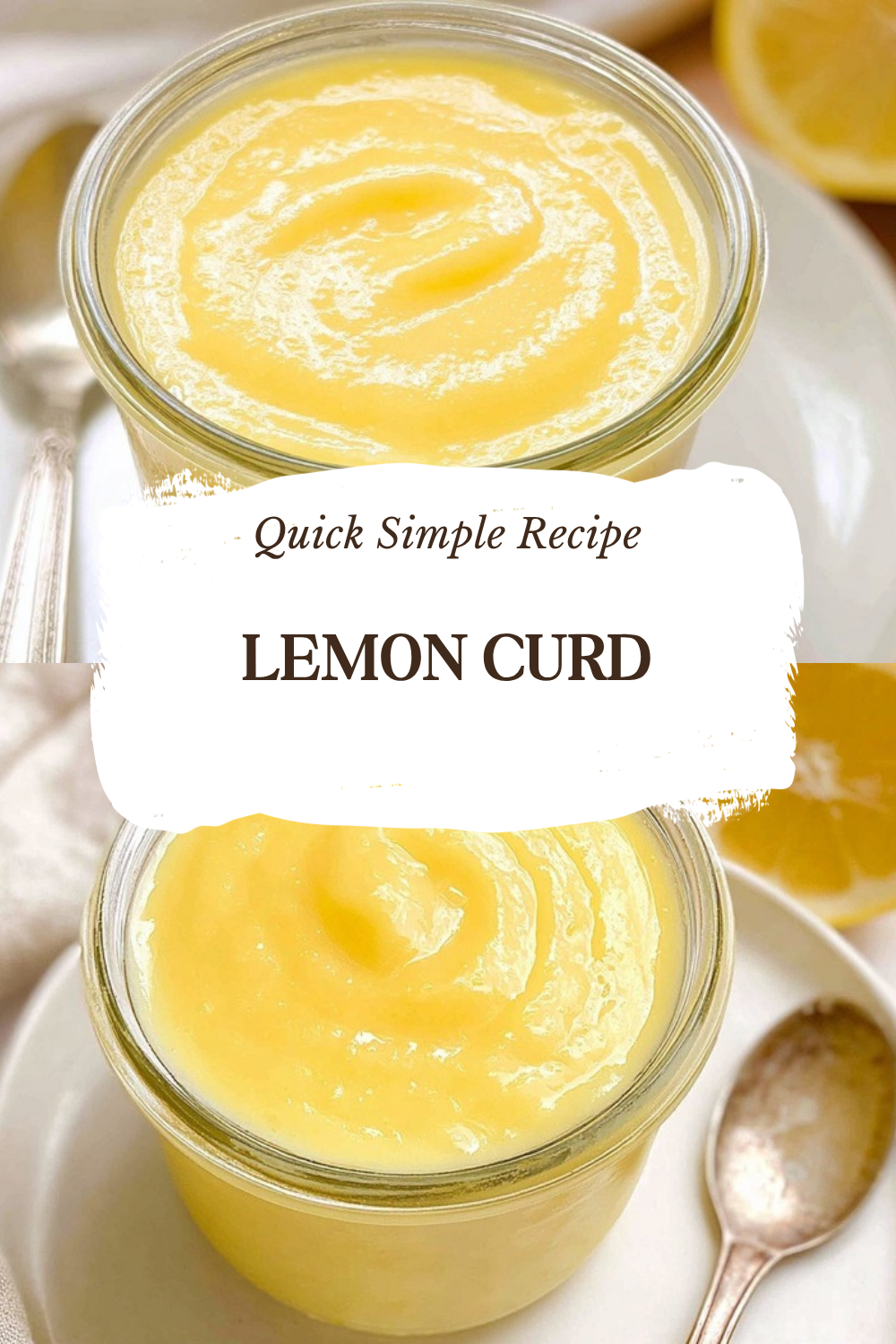
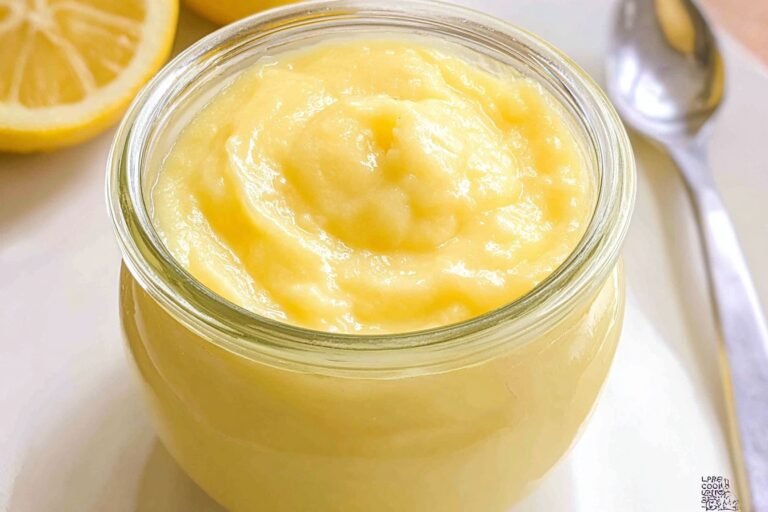
Pour the Lemon Curd into a jar or bowl. Press plastic wrap directly onto the surface so a skin does not form. Refrigerate until cool, which brings the total time to about 1 hour 15 minutes including cooling. Once chilled, it will be ready to spread, dollop, or swirl.
Prep time is about 5 minutes, cook time is about 10 minutes, and the result is worth every minute. That is the beauty of this easy homemade treat. It is quick enough for a weekday and pretty enough for a brunch table.
If the curd looks too loose at first, do not panic. It thickens more as it cools in the fridge.

Dietary Substitutions to Customize Your Lemon Curd
Protein and Main Component Alternatives
The classic Lemon Curd recipe uses egg yolks for richness, but you can make a few smart swaps if needed. For a thicker curd, use 2 egg yolks plus 1 whole egg instead of only yolks. This gives you a firmer set that works well in tart shells.
If eggs are off the menu, a plant-based version can be made with cornstarch and dairy-free butter. The texture will be a little different, but the lemon flavor can still shine. Coconut cream can also add richness if you want a softer, dessert-style spread.
Vegetable, Sauce, and Seasoning Modifications
Fresh lemon juice is the star, but other citrus juices can step in when you want a twist. Lime gives a sharper pop, orange adds sweetness, grapefruit brings a gentle bitter edge, and pineapple adds tropical flair. These swaps are fun for seasonal baking and party desserts.
You can also adjust the sweetness by adding a little more sugar if your citrus is extra tart. For a brighter finish, add a touch more zest. Just keep the balance in mind so the curd stays smooth and lively.
Mastering Lemon Curd: Advanced Tips and Variations
Pro cooking techniques
Use fresh lemon juice, not bottled juice. Fresh lemons give the best flavor and keep the curd tasting bright. Whisk constantly, especially if the mixture is slow to thicken. A silicone whisk is a great little tool here because it helps protect the taste and the cookware.
Keep the heat low once the water reaches a simmer. Gentle heat is the secret to a smooth result. If the curd starts to look lumpy, take it off the heat right away and whisk hard. Quick action can save the batch.
Flavor variations
Try lime curd for a tart twist, orange curd for a sweeter spread, or grapefruit curd for something a bit bold. You can also stir a tiny pinch of vanilla into the finished curd, though classic Lemon Curd usually shines on its own. For a brunch table, serve it with homemade cinnamon rolls or spoon it over fresh berries.
For a holiday feel, add a little extra zest. For summer, pair it with berries and whipped cream. Small changes can make the same recipe feel brand new.
Presentation tips
Spoon the curd into small jars for gifts or brunch service. Add a ribbon and a handwritten label if you are giving it away. At the table, serve it in a pretty bowl with a small spoon so everyone can scoop just a little more.
For a simple dessert board, place Lemon Curd beside scones, shortbread, strawberries, and yogurt. It makes everything look cheerful and taste even better.
Make-ahead options
This recipe is a smart make-ahead choice for busy weeks. Make a batch the day before brunch or holiday baking, then chill it overnight. That gives the flavors time to settle and makes your morning much easier. You can also freeze portions for future treats.
How to Store Lemon Curd: Best Practices
Store Lemon Curd in a clean jar or airtight container in the refrigerator. It keeps well for up to 10 days, and some home cooks find it stays tasty for about 1 to 2 weeks if handled carefully. Always keep it chilled and use a clean spoon each time.
For longer storage, freeze it for 3 to 6 months in freezer-safe containers. Leave a little headspace so it can expand. Thaw overnight in the fridge and stir well before serving. If you want to read more about fresh citrus ingredients in general, this lemons nutrition guide is a handy reference.
There is no need to reheat Lemon Curd for serving. If it feels too firm from the fridge, let it sit at room temperature for a few minutes and stir. For meal prep, portion it into small containers so you can grab what you need for toast, fillings, or yogurt bowls.
Cold storage keeps the texture lovely, the flavor bright, and the curd ready whenever a lemon craving hits.
FAQs: Frequently Asked Questions About Lemon Curd
What is lemon curd?
Lemon curd is a smooth, creamy spread made from fresh lemon juice, zest, sugar, eggs, and butter. It’s cooked gently on the stove until thick, offering a bright, tangy flavor with a velvety texture. Unlike lemon pie filling, it’s egg-based and custard-like, perfect for spreading on scones, filling tarts, layering cakes, or eating straight from the jar. A classic British recipe, one batch yields about 2 cups and takes 15-20 minutes to prepare. Store it in the fridge for up to 2 weeks. For best results, use room-temperature eggs to prevent curdling and strain through a sieve for silkiness. It’s naturally gluten-free and versatile for both sweet and savory dishes.
How do you make lemon curd at home?
To make lemon curd, whisk 3/4 cup sugar, 3 large eggs, 1/2 cup fresh lemon juice (about 3 lemons), and 1 tablespoon lemon zest in a saucepan. Cook over medium-low heat, stirring constantly with a whisk, until it thickens to coat the back of a spoon (about 8-10 minutes, reaching 170°F). Remove from heat, stir in 6 tablespoons cold butter (cut into pieces) until melted. Strain through a fine mesh sieve into a jar to remove bits. Cool to room temperature, then refrigerate. Yields 2 cups. Pro tip: Use a double boiler to avoid scrambling eggs. Fresh lemons give the best citrus punch—avoid bottled juice.
How long does homemade lemon curd last?
Homemade lemon curd lasts 1-2 weeks in the fridge when stored in an airtight jar or container. The eggs and butter make it perishable, so always keep it chilled below 40°F. Check for spoilage by looking for mold, off odors, or separation—if it smells sour or looks watery, discard it. For longer storage, freeze in portions for up to 3 months; thaw overnight in the fridge and stir well before use. It may separate slightly after freezing but whisks back to smooth. Label jars with dates. Properly made curd (cooked to 170°F) is safe due to pasteurization from heat, but consume within guidelines to enjoy peak flavor and safety.
Can I make lemon curd with other citrus fruits?
Yes, swap lemons for limes, oranges, grapefruits, or blood oranges using the same recipe—adjust sugar slightly for tartness (e.g., add 1-2 tablespoons more for grapefruits). For limes, use 1/2 cup juice from 4-5 limes; zest from 2 for intensity. Pineapple juice works too (1/2 cup, no zest), or try cranberries by simmering 1 cup pureed berries with 1/2 cup lemon juice, straining after cooking. Cooking time stays 8-10 minutes. Taste as you go to balance acidity. These variations maintain the creamy texture and are great for seasonal twists, like lime curd for key lime pie or orange for holiday pastries. Always use fresh fruit for vibrant flavor.
Can you freeze lemon curd?
Yes, lemon curd freezes beautifully for up to 3 months. Portion into freezer-safe jars or bags, leaving 1/2-inch headspace for expansion, and freeze flat. Thaw in the fridge overnight—stir vigorously to recombine any separation, as the butter may solidify. Avoid microwaving to prevent uneven heating. Once thawed, use within a week. Freezing preserves flavor without quality loss, ideal for batch prepping. Tip: Flash-freeze in ice cube trays first for easy single servings in smoothies or baking. It’s perfect for future tarts or as a gift—label with date and “thaw in fridge.” No texture change if handled properly, saving time for holiday baking.
Lemon Curd
🍋🥄 Velvety smooth, zesty homemade lemon curd – bursts with fresh citrus tang for scones, pies, or spoons straight from jar.
🍰 Quick double-boiler bliss stores weeks refrigerated; brighter, cheaper treat than store-bought any day!
- Total Time: 1 hour 15 minutes
- Yield: 1 cup (8 servings)
Ingredients
– 4 large egg yolks Thickens the curd
– 2/3 cup sugar Sweetens and balances acidity
– 1 Tablespoon lemon zest Adds citrus aroma
– 1/3 cup lemon juice Provides tart flavor
– 1/8 teaspoon salt Rounds out taste
– 6 Tablespoons unsalted butter Makes it creamy and smooth
Instructions
1-First Step: Set up the double boiler Fill the bottom of a double boiler with 1 to 2 inches of water. Bring it to a simmer over high heat, then reduce the heat to low. This gentle heat is important because it helps the Lemon Curd cook slowly without scrambling the eggs. If you do not have a double boiler, place a heatproof bowl over a pot of simmering water, making sure the bowl does not touch the water.
2-Second Step: Whisk the base In the top of the double boiler, combine the 4 large egg yolks, 2/3 cup granulated sugar, 1 Tablespoon lemon zest, 1/3 cup fresh lemon juice, and 1/8 teaspoon salt. Whisk everything together until it looks smooth and combined. A silicone whisk works nicely here because it helps avoid any metallic taste.
3-Third Step: Cook until thickened Whisk constantly until the mixture thickens to a hollandaise sauce-like consistency, about 10 minutes. The curd should start coating the whisk and look glossy. If it is taking longer, keep whisking and give it a little more time. The main thing is gentle heat and steady stirring.
4-Fourth Step: Add the butter Remove the pan from the heat and whisk in the butter pieces one at a time until fully melted. The butter makes the Lemon Curd rich, shiny, and spoonable. Make sure each piece disappears before adding the next one. That helps the final texture stay silky.
5-Fifth Step: Strain if needed The recipe does not require straining, but you can pour the curd through a fine mesh sieve if you want it extra smooth. This is a nice move if a few tiny bits of cooked egg sneak in. It also gives you a polished finish that feels extra special.
6-Final Step: Cool and chill Pour the Lemon Curd into a jar or bowl. Press plastic wrap directly onto the surface so a skin does not form. Refrigerate until cool, which brings the total time to about 1 hour 15 minutes including cooling. Once chilled, it will be ready to spread, dollop, or swirl.
Last Step:
Please leave a rating and comment letting us know how you liked this recipe! This helps our business to thrive and continue providing free, high-quality recipes for you.Notes
🔥 Use double boiler or heatproof bowl over pot to avoid curdling eggs.
🍋 Always fresh lemons for vibrant flavor – bottled juice dulls taste.
🧊 Stores fridge 10 days or freeze 3 months; thaw overnight.
- Prep Time: 5 minutes
- Chill Time: 1 hour
- Cook Time: 10 minutes
- Category: Desserts
- Method: Stovetop
- Cuisine: British
- Diet: Gluten-Free,Vegetarian
Nutrition
- Serving Size: 2 tablespoons
- Calories: 120 kcal
- Sugar: 11g
- Sodium: 30mg
- Fat: 8g
- Saturated Fat: 4g
- Unsaturated Fat: 3g
- Trans Fat: 0g
- Carbohydrates: 12g
- Fiber: 0g
- Protein: 1g
- Cholesterol: 80mg