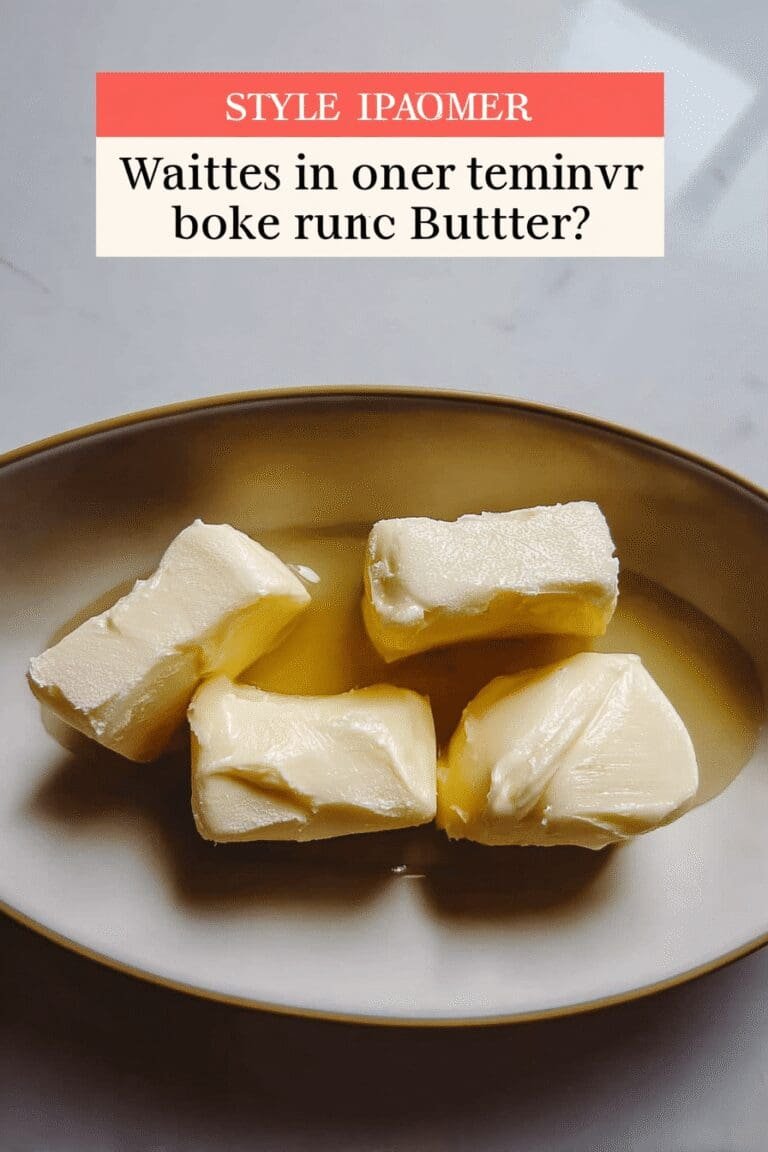
Ingredients
– 1 cup unsalted butter This forms the base and softens at room temperature for easy mixing
– 2 tbsp olive oil Adds healthy fats and helps achieve a creamy texture
– 1/2 tsp sea salt Brings balance to the flavors and enhances overall taste
– 1/4 tsp garlic powder Infuses a subtle savory note that elevates simple dishes
– 1 tbsp fresh herbs, finely chopped Provides aromatic freshness and a pop of color
– 1 cup coconut oil (vegan alternative)
– 1 cup margarine (vegan alternative)
– 1 cup light butter (low-calorie alternative)
– reduced-fat spreads (low-calorie alternative)
Instructions
First Step: Remove unsalted butter (1 cup) from the refrigerator and let it sit in a cool area for about 30-45 minutes until it’s softened but not melted. This standard method takes 1 to 2 hours depending on your kitchen’s temperature, but you’ll get there faster with smaller pieces.
Second Step: Place the softened butter in a mixing bowl. If you’re adapting for dietary needs, substitute with plant-based options like coconut oil (1 cup) at this stage to keep things smooth.
Third Step: Slowly drizzle in olive oil (2 tbsp) while whipping the butter with a hand mixer. This helps achieve a spreadable consistency and aids in emulsification for uniform batters.
Fourth Step: Add sea salt (1/2 tsp), garlic powder (1/4 tsp), and freshly chopped herbs (1 tbsp). Mix gently to incorporate the flavors evenly, ensuring everything blends without overworking the mixture.
Fifth Step: Taste and adjust seasoning as needed, keeping in mind any dietary preferences like vegan swaps. Room temperature butter is essential here to avoid the butter re-solidifying from cold ingredients remember to bring eggs and milk to room temperature too.
Sixth Step: Transfer the mixture into a covered container and let it rest at room temperature for an additional 10 minutes. For a quick method, use residual heat by warming a cup of water in the microwave and then placing the butter inside for about 10 minutes never microwave directly to prevent melting and losing aeration.
Final Step: Serve immediately or store as needed. If you’re short on time, choose recipes designed for melted butter instead. Testing readiness is easy: press your finger in; it should indent nicely and feel cool, not shiny. For more on this, explore our homemade jam page, where similar techniques enhance flavors in preserves.
Last Step:
Please leave a rating and comment letting us know how you liked this recipe! This helps our business to thrive and continue providing free, high-quality recipes for you.Notes
⏲️ Allow sufficient time for butter to soften naturally to preserve structure.
🌡️ Use residual microwave heat method for a safe quick-softening alternative.
❄️ Always start softening with refrigerated butter, not frozen, and avoid rushing by using recipes suited for cold or melted butter if short on time.
- Prep Time: 10 minutes to 2 hours
- Category: Baking Tips