Why You’ll Love This Quince Paste
Quince paste offers a delightful balance of ease and reward in the kitchen, making it a favorite among home cooks and food enthusiasts. This recipe uses simple steps that require basic ingredients, allowing even beginners to create something remarkable without spending hours preparing. Beyond its straightforward preparation, quince paste delivers notable health benefits from the fruit’s natural nutrients, appealing to diet-conscious individuals looking for wholesome options.
The paste’s rich, sweet-tart flavor pairs beautifully with various meals, from breakfast spreads to elegant cheese boards, attracting busy parents and party hosts alike. Its adaptability means you can tweak it for different dietary needs, ensuring it’s a versatile staple that fits into anyone’s routine. Whether you’re a student seeking quick snacks or a senior enjoying light meals, this quince paste adds a touch of sophistication to everyday eating for just about anyone exploring new flavors.
To learn more about similar preserves that enhance your meals, check out our guide on homemade jam recipes for easy ideas. Additionally, the unique properties of quince align with other fruit-based creations, like those in our wild blueberry preserves, offering more inspiration for your kitchen adventures.
Key Advantages of Quince Paste
One major draw is the health aspect; rich in antioxidants and fiber, it supports digestive health and provides essential vitamins that boost the immune system. This makes it ideal for working professionals needing a nutritious boost. Travelers can pack it for on-the-go energy, while newlyweds might appreciate its role in romantic meals.
Flavor-wise, the paste’s depth comes from the quince’s natural pectin, which thickens it perfectly without additives. Baking enthusiasts can experiment with it in desserts, and entertainment enthusiasts will find it elevates gatherings with its elegant presentation.
Jump to:
- Why You’ll Love This Quince Paste
- Key Advantages of Quince Paste
- Essential Ingredients for Quince Paste
- Adapting Ingredients for Different Needs
- How to Prepare the Perfect Quince Paste: Step-by-Step Guide
- Tips for Smooth Preparation
- Dietary Substitutions to Customize Your Quince Paste
- Simple Swaps for Everyday Use
- Mastering Quince Paste: Advanced Tips and Variations
- How to Store Quince Paste: Best Practices
- FAQs: Frequently Asked Questions About Quince Paste
- What is quince paste and how is it made?
- How should quince paste be stored to keep it fresh?
- What are some popular ways to serve quince paste?
- Is quince paste healthy and what nutrients does it contain?
- Can quince paste be made at home without special equipment?
- Quince Paste
- Ingredients
- Instructions
- Last Step:
- Notes
- Nutrition
- Did you make this recipe?
Essential Ingredients for Quince Paste
Quince paste relies on a foundation of fresh, high-quality ingredients to achieve its signature texture and taste. Building on the core elements, this section outlines a comprehensive list to ensure your recipe turns out just right. Each item is selected for its role in flavor and consistency, drawing from traditional methods while allowing for simple variations.
- Quince (1 kg) – The primary fruit base, providing natural sweetness and pectin for thickening, though you can use quince fruit pulp as the base with quantity adjusted based on availability.
- Sugar (500 g) – Balances the tartness and helps preserve the paste; note that for optimal results, use 500 to 1000 grams per kilogram of quince fruit pulp to achieve the desired sweetness.
- Lemon juice (2 tbsp) – Enhances flavor and maintains the color, though lemon zest can be added for regional variations if desired.
- Water (250 ml) – Used to soften the quince during cooking; alternatively, use 1 teaspoon of water as a minimal base in some preparations.
- Cinnamon (quantity not specified) – An optional addition for regional flavors, enhancing warmth and spice.
- Cloves (quantity not specified) – For added depth, this spice can be included in small amounts to complement the fruit’s natural taste.
- Peeled walnuts (quantity not specified) – Provides texture and nutty flavor for variations, making it a great mix-in.
- Hazelnuts (quantity not specified) – Another optional nut for crunch and richness in the paste.
- Pumpkin seeds (quantity not specified) – Adds a subtle earthiness and extra nutrition if included.
- Honey (quantity not specified) – Can substitute or enhance sweetness for a natural twist in certain recipes.
Special Dietary Options include vegan suitability, as the recipe uses no animal products, making it effortless for plant-based diets. It’s also gluten-free by nature, and for low-calorie versions, try using a sugar substitute to keep things light while maintaining that appealing taste.
Adapting Ingredients for Different Needs
These ingredients form the backbone, but tailoring them to your preferences ensures everyone can enjoy this treat. For example, if you’re focusing on low-sugar options, the sugar amount can be adjusted based on the fruit’s ratio, keeping the paste’s integrity intact.
How to Prepare the Perfect Quince Paste: Step-by-Step Guide
Creating quince paste at home is a rewarding process that starts with selecting ripe quinces for the best flavor. Begin by washing, peeling, and coring the quinces before chopping them into small pieces; this ensures even cooking and maximizes the fruit’s natural pectin. Once prepared, place the chopped quince in a large pot, add water, and simmer over medium heat until the fruit softens, which typically takes about 45 minutes.
After softening, puree the quince using a blender or food processor for a smooth texture, though you can leave it chunkier if preferred. Return the puree to the pot, then incorporate sugar and lemon juice, stirring frequently over low heat to prevent burning and promote thickening; this stage might take 1 to 1.5 hours for the mixture to reach a deep amber color and hold its shape. Finally, pour the thickened paste into a lined tray, let it cool and set at room temperature for several hours or overnight, and cut into desired shapes for serving or storage.
For those exploring more fruit-based recipes, our site has excellent options like homemade jam, which shares similar techniques and can inspire your quince adventures. Dietary adaptations are simple; replace sugar with natural sweeteners or adjust cooking time to fine-tune the texture based on personal tastes.
Tips for Smooth Preparation
Monitoring the heat is key to avoid scorching, and stirring regularly helps blend flavors evenly. If making for a crowd, consider doubling the recipe but watch the pot closely. This method is accessible for home cooks of all levels, from students to baking enthusiasts.

Dietary Substitutions to Customize Your Quince Paste
Customizing quince paste allows it to fit various dietary preferences, making it inclusive for everyone from busy parents to health-focused individuals. For protein alternatives, while the paste itself is fruit-based, pairing it with vegan cheese or nut spreads adds nutrition without altering the core recipe. Gluten-free options are straightforward, ensuring all added elements like seasonings are certified safe for those needs.
On the vegetable and seasoning front, swap lemon juice with lime juice or vinegar for a fresh twist, or incorporate spices like cinnamon and cloves for seasonal flair. Reduce salt or use alternative sweeteners to accommodate specific diets, keeping the taste balanced and enjoyable for all.
Simple Swaps for Everyday Use
These changes make the paste versatile for travelers and seniors, who might prefer milder flavors. Experimenting with these substitutions can turn a basic recipe into a personalized favorite, ideal for family meals or gatherings.
Mastering Quince Paste: Advanced Tips and Variations
| Technique | Benefit |
|---|---|
| Slow cooking over low heat | Enhances caramelization and prevents burning for deeper flavor |
| Adding spices like cinnamon | Introduces unique twists for seasonal appeal |
| Elegant presentation | Improves visual appeal on platters |
Pro cooking techniques involve simmering slowly to bring out the best in the quince’s flavors, while flavor variations with spices like cardamom or orange zest add excitement. Presentation tips include cutting the paste into shapes that complement nuts and cheeses, making it perfect for parties.
Make-ahead options let you store it for later, as the taste develops over time, ideal for meal prep among working professionals. For more ideas on fruit preserves, visit our wild blueberry preserves for complementary techniques.
This method not only saves time but also ensures you always have a gourmet touch ready for any occasion.
How to Store Quince Paste: Best Practices
Proper storage keeps quince paste fresh and flavorful, extending its shelf life for ongoing enjoyment. Refrigerate it in an airtight container for up to two weeks, which helps maintain its texture and prevents spoilage. Freezing offers longer-term options, so wrap it tightly and store in a freezer-safe box for up to three months.
Reheating is simple; warm it gently at low heat to restore softness without losing taste. For meal prep, portion it before freezing to make serving easy, appealing to busy parents and students alike.
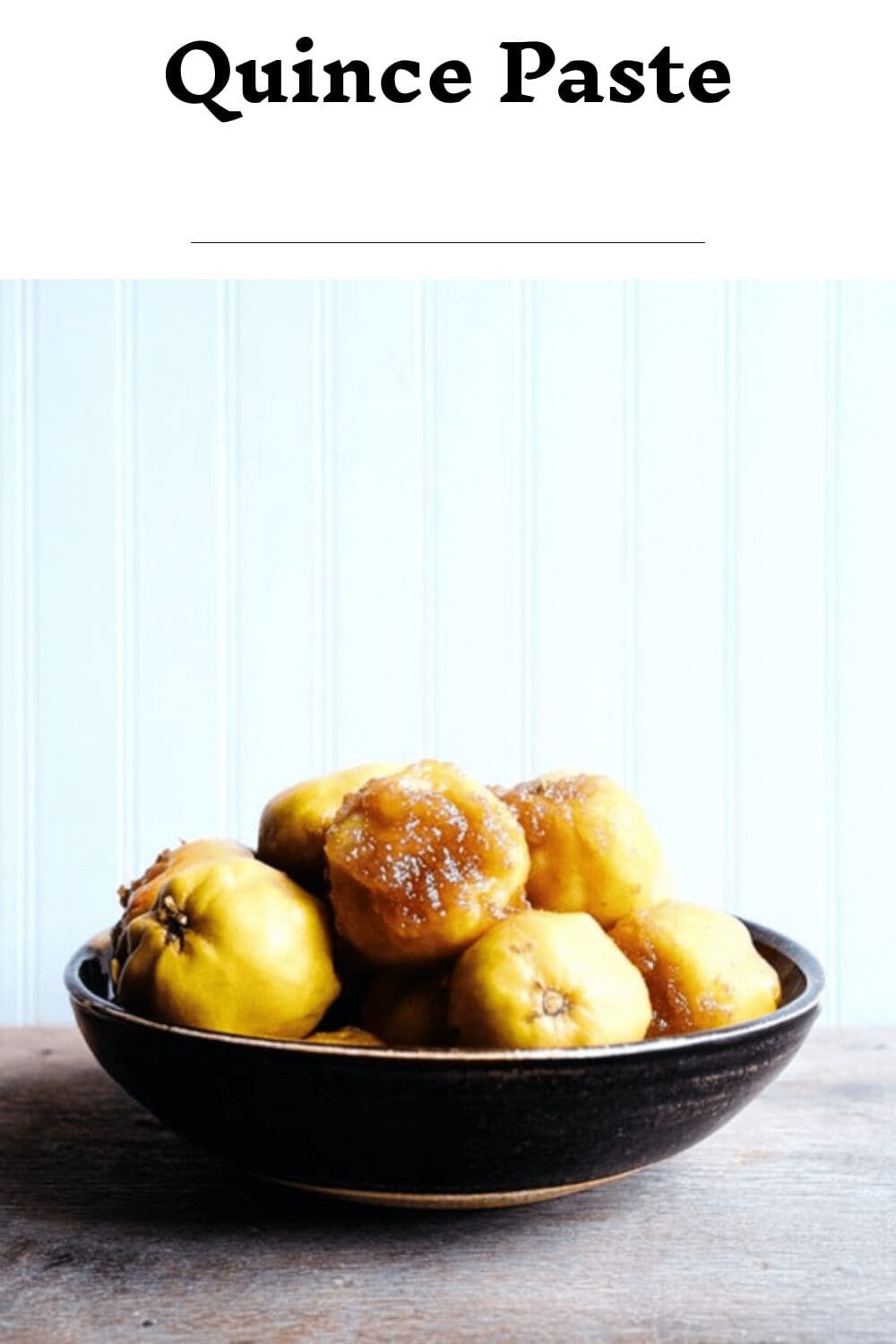
FAQs: Frequently Asked Questions About Quince Paste
What is quince paste and how is it made?
Quince paste, also known as membrillo, is a sweet, thick jelly made from the quince fruit. To make it, quinces are peeled, cored, and cooked until soft. The fruit is then pureed and boiled with sugar until it reaches a firm, sliceable consistency. This process often takes several hours and results in a golden-orange paste that pairs well with cheese and charcuterie.
How should quince paste be stored to keep it fresh?
Quince paste should be stored in an airtight container in the refrigerator to maintain its freshness. Properly stored, it can last up to several months. To prevent drying out, wrap slices in plastic wrap or keep the paste in its original packaging if unopened. For longer storage, quince paste can also be frozen in small portions.
What are some popular ways to serve quince paste?
Quince paste is commonly served sliced alongside cheeses such as Manchego, cheddar, or goat cheese. It adds a sweet contrast to savory flavors on a charcuterie board. It can also be spread on toast or crackers, used in desserts, or paired with cured meats. Its versatility makes it a popular accompaniment in Mediterranean and Spanish cuisine.
Is quince paste healthy and what nutrients does it contain?
Quince paste contains small amounts of vitamins like vitamin C and dietary fiber from the fruit. However, it is high in sugar due to added sugar during preparation, making it calorie-dense. While it offers some antioxidants from quinces, it should be enjoyed in moderation as part of a balanced diet.
Can quince paste be made at home without special equipment?
Yes, quince paste can be made at home using basic kitchen tools. A large pot, knife, peeler, and wooden spoon are sufficient. The key is slow cooking the pureed quince with sugar to achieve the right thick texture. Using a candy thermometer can help you reach the proper temperature (around 220°F or 104°C), but it is not mandatory if you monitor consistency closely.
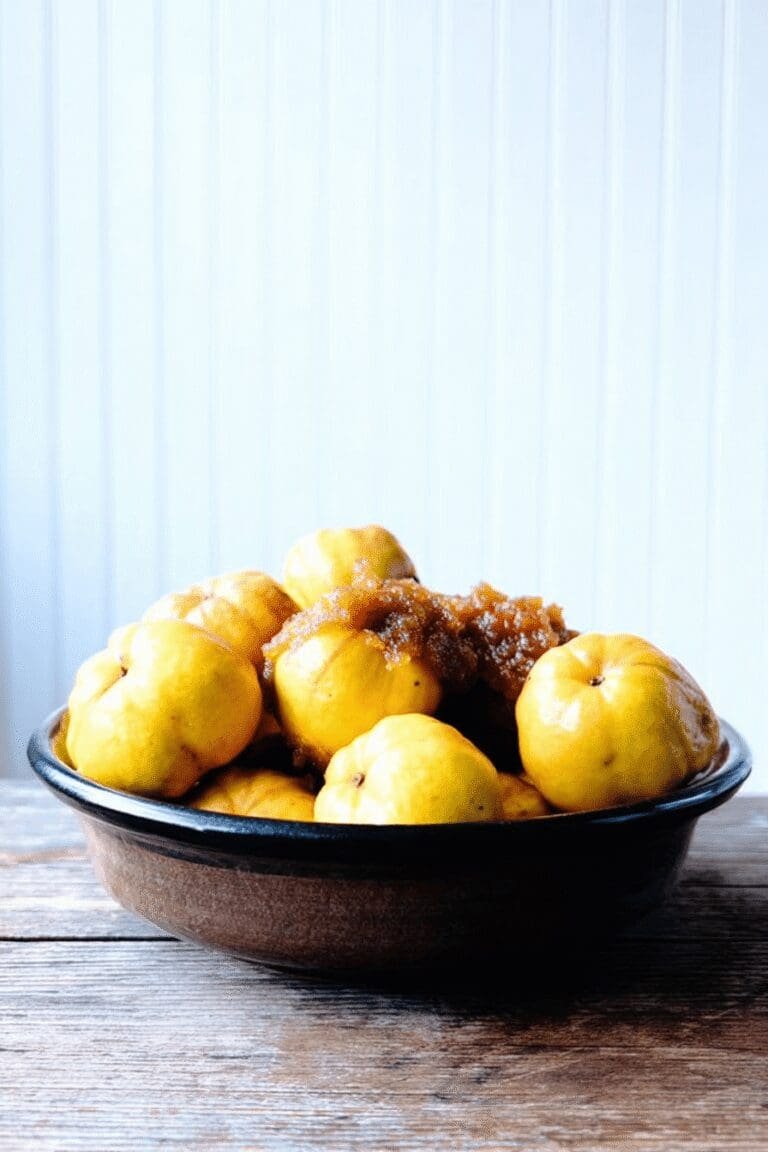
Quince Paste
🍯 Discover how to make perfect quince cheese, a sweet and aromatic paste ideal for pairing with cheeses and desserts.
🌟 This recipe offers tips and variations to customize your quince paste with rich flavors and delightful textures.
- Total Time: 2 hours 30 minutes
- Yield: Depends on quantity of quince pulp used
Ingredients
– 1 kg Quince The primary fruit base, providing natural sweetness and pectin for thickening
– 500 g Sugar Balances the tartness and helps preserve the paste
– 2 tbsp Lemon juice Enhances flavor and maintains the color
– 250 ml Water Used to soften the quince during cooking
– Cinnamon An optional addition for regional flavors, enhancing warmth and spice
– Cloves For added depth, this spice can be included in small amounts to complement the fruit’s natural taste
– Peeled walnuts Provides texture and nutty flavor for variations, making it a great mix-in
– Hazelnuts Another optional nut for crunch and richness in the paste
– Pumpkin seeds Adds a subtle earthiness and extra nutrition if included
– Honey Can substitute or enhance sweetness for a natural twist in certain recipes
Instructions
1-Creating quince paste at home is a rewarding process that starts with selecting ripe quinces for the best flavor. Begin by washing, peeling, and coring the quinces before chopping them into small pieces; this ensures even cooking and maximizes the fruit’s natural pectin. Once prepared, place the chopped quince in a large pot, add water, and simmer over medium heat until the fruit softens, which typically takes about 45 minutes.
2-After softening, puree the quince using a blender or food processor for a smooth texture, though you can leave it chunkier if preferred. Return the puree to the pot, then incorporate sugar and lemon juice, stirring frequently over low heat to prevent burning and promote thickening; this stage might take 1 to 1.5 hours for the mixture to reach a deep amber color and hold its shape. Finally, pour the thickened paste into a lined tray, let it cool and set at room temperature for several hours or overnight, and cut into desired shapes for serving or storage.
Last Step:
Please leave a rating and comment letting us know how you liked this recipe! This helps our business to thrive and continue providing free, high-quality recipes for you.Notes
🍎 Use ripe quinces for the best natural sweetness and aroma.
⏳ Cook slowly on low heat, stirring often to achieve the perfect thick texture without burning.
🌰 Enhance texture by adding nuts like peeled walnuts or hazelnuts during or after setting.
- Prep Time: 30 minutes
- Cooking and Setting Time: 2 hours
- Cook Time: 1.5 hours
- Category: Confectionery
- Method: Cooking and Setting
- Cuisine: Traditional
- Diet: Vegetarian
Nutrition
- Serving Size: Variable
- Calories: Approx. 300 kcal per 100g
- Sugar: 60-70 g
- Sodium: 5 mg
- Fat: 0.5 g
- Saturated Fat: 0.1 g
- Unsaturated Fat: 0.3 g
- Trans Fat: 0 g
- Carbohydrates: 80 g
- Fiber: 2 g
- Protein: 0.5 g
- Cholesterol: 0 mg