Why You’ll Love This Cabbage Pad Thai
This cabbage pad thai recipe brings a fresh twist to the classic dish, swapping out noodles for crunchy cabbage to keep things light and keto-friendly. It’s super easy to whip up, making it ideal for busy nights when you want something healthy without spending hours in the kitchen. With its vibrant flavors and simple ingredients, you’ll find yourself coming back to this meal time and again for a satisfying, low-carb option.
One of the best parts is the health benefits packed into every bite. Cabbage delivers fiber and essential vitamins, helping with digestion and weight management while keeping calories low. This version is flexible too, fitting into vegan, gluten-free, or low-calorie diets with just a few tweaks. Whether you’re a home cook exploring new ideas or someone watching their carbs, this dish offers a crunchy, flavorful experience that feels like a treat.
Beyond its ease and nutrition, the versatility of cabbage pad thai makes it a standout choice. You can mix in different cabbage types like napa, savoy, or purple to change things up based on what you have on hand. It’s quick, colorful, and full of that tangy, savory punch from the sauce, turning a simple meal into something exciting. For folks like busy parents or diet-conscious individuals, this recipe proves you don’t have to sacrifice taste for health.
Jump to:
- Why You’ll Love This Cabbage Pad Thai
- Essential Ingredients for Cabbage Pad Thai
- Ingredients for the Sauce
- Ingredients for the Cabbage Pad Thai
- How to Prepare the Perfect Cabbage Pad Thai: Step-by-Step Guide
- Tips for Perfect Results
- Dietary Substitutions to Customize Your Cabbage Pad Thai
- Protein and Main Component Alternatives
- Vegetable, Sauce, and Seasoning Modifications
- Mastering Cabbage Pad Thai: Advanced Tips and Variations
- How to Store Cabbage Pad Thai: Best Practices
- FAQs: Frequently Asked Questions About Cabbage Pad Thai
- What is Cabbage Pad Thai and how is it different from regular Pad Thai?
- How do you prepare authentic Cabbage Pad Thai sauce at home?
- Can I make Cabbage Pad Thai vegan or vegetarian?
- What are the nutritional benefits of choosing Cabbage Pad Thai over traditional Pad Thai?
- How do you cook cabbage so it stays crisp but tender in Pad Thai?
- Cabbage Pad Thai
- Ingredients
- Instructions
- Last Step:
- Notes
- Nutrition
- Did you make this recipe?
Essential Ingredients for Cabbage Pad Thai
Gathering the right ingredients is key to making this cabbage pad thai shine. Below, you’ll find a detailed list of everything needed, pulled straight from the recipe for accuracy. This ensures you have all the items to create a crunchy, flavorful dish that’s low-carb and keto-friendly.
Ingredients for the Sauce
- 2 tablespoons vinegar or distilled white vinegar
- 1 tablespoon tamari sauce or soy sauce (adjust to taste)
- 3 tablespoons ketchup
- 1 teaspoon brown sugar
- 1/2 teaspoon cayenne pepper
- 1 teaspoon chili garlic sauce (adjust to taste)
Ingredients for the Cabbage Pad Thai
- 1 medium head cabbage (about 2 pounds), thinly sliced
- 2 tablespoons olive oil, divided
- 3 cloves garlic, minced or crushed
- 1 medium carrot, shredded or thinly sliced
- 1 red bell pepper, seeded and thinly sliced
- 3 green onions, sliced into 1-inch pieces
- 1 large egg
- 2 cups bean sprouts
- 1/3 cup roasted peanuts
- Cilantro (optional, for garnish)
- Salt and black pepper to taste
These ingredients create a balanced mix of textures and flavors, from the crisp cabbage base to the savory sauce. For special dietary needs, swapping tamari for soy sauce keeps it gluten-free, making this recipe adaptable for everyone.
How to Prepare the Perfect Cabbage Pad Thai: Step-by-Step Guide
Getting started with cabbage pad thai is all about keeping things straightforward and fun. Begin by preparing your ingredients, like shredding the cabbage and mincing the garlic, to make the cooking process smooth and efficient. This step sets you up for success, especially if you’re new to stir-frying or short on time. With just a few minutes of prep, you’ll be ready to dive into the cooking.
Next, heat a large pan over medium-high heat and add 1 tablespoon of olive oil. Toss in the sliced cabbage and cook it for 2-3 minutes until it’s tender yet still a bit crunchy, then set it aside. This helps maintain that fresh texture we love. Wipe the pan clean, reheat it with the remaining olive oil, and add the garlic, cooking it for about 1 minute until it’s soft.
Now, stir in the carrot, red bell pepper, and green onions, letting them cook for 1-2 minutes until tender. Add the egg and scramble it right in with the veggies for extra protein. Bring back the cooked cabbage, pour in the sauce, and mix everything together for another minute to heat through. Finally, toss in the bean sprouts and season with salt and black pepper. Serve it warm, topped with roasted peanuts and cilantro if you like.
This method, which takes about 20 minutes total with 10 minutes prep and 10 minutes cook time, keeps the dish light and full of crunch. It’s perfect for home cooks wanting a quick, healthy meal. Explore more keto options on our blog for similar ideas.
Tips for Perfect Results
- Avoid overcooking the cabbage to keep its crunch.
- Experiment with different cabbage varieties for variety.
- Adjust spice levels with chili garlic sauce and cayenne.

Dietary Substitutions to Customize Your Cabbage Pad Thai
Making cabbage pad thai your own is easy with a few smart swaps. For instance, if you’re looking for protein alternatives, swap the egg with tofu or tempeh to keep it vegan. This way, you maintain that satisfying texture without straying from your dietary goals. It’s all about flexibility, especially for busy parents or diet-conscious folks who need options on hand.
Protein and Main Component Alternatives
- Swap the egg with scrambled tofu for a vegan twist.
- Use tempeh instead of egg for added plant-based protein.
- Opt for chickpea tempeh if you want a gluten-free choice.
Vegetable, Sauce, and Seasoning Modifications
- Replace cabbage with bok choy or kale for a different crunch.
- Use lime juice in place of vinegar for a fresher tang.
- Swap tamari with coconut aminos for a soy-free version.
These changes let you tailor the recipe to fit gluten-free, vegan, or low-calorie needs. For example, choosing tamari over soy sauce keeps it gluten-free while preserving that umami flavor.
Mastering Cabbage Pad Thai: Advanced Tips and Variations
Once you’re comfortable with the basics, take your cabbage pad thai to the next level with some pro techniques. Using high heat in a wok helps lock in that smoky flavor and keeps veggies crisp. You can also play with flavors by adding chili flakes or fresh herbs like cilantro for a personalized touch. This makes the dish even more exciting for food enthusiasts experimenting at home.
For presentation, serve it on a colorful plate with lime wedges and extra peanuts to make it look as good as it tastes. If you’re prepping ahead, chop veggies and mix the sauce separately to keep everything fresh. Nutritional highlights include about 265 calories per serving, with 28g carbs and 10g protein, making it a smart choice for those tracking their intake.
Don’t forget the benefits of cabbage, as highlighted in this external resource on cabbage’s health perks. Variations like adding sesame oil can boost the taste, and for meal prep, store components separately to maintain texture.
How to Store Cabbage Pad Thai: Best Practices
Keeping your cabbage pad thai fresh is simple with the right storage tips. Pop leftovers into an airtight container and chill them in the fridge for up to 2-3 days to hold onto that crispness. Avoid freezing the full dish since cabbage can get limp, but you can freeze the sauce alone for later use. When reheating, warm it gently in a skillet with a bit of water to keep things from drying out.
For meal prep, cook the ingredients separately and combine them just before eating. This approach works great for working professionals juggling busy schedules. By following these steps, your dish stays tasty and safe, ready for a quick meal anytime.
FAQs: Frequently Asked Questions About Cabbage Pad Thai
What is Cabbage Pad Thai and how is it different from regular Pad Thai?
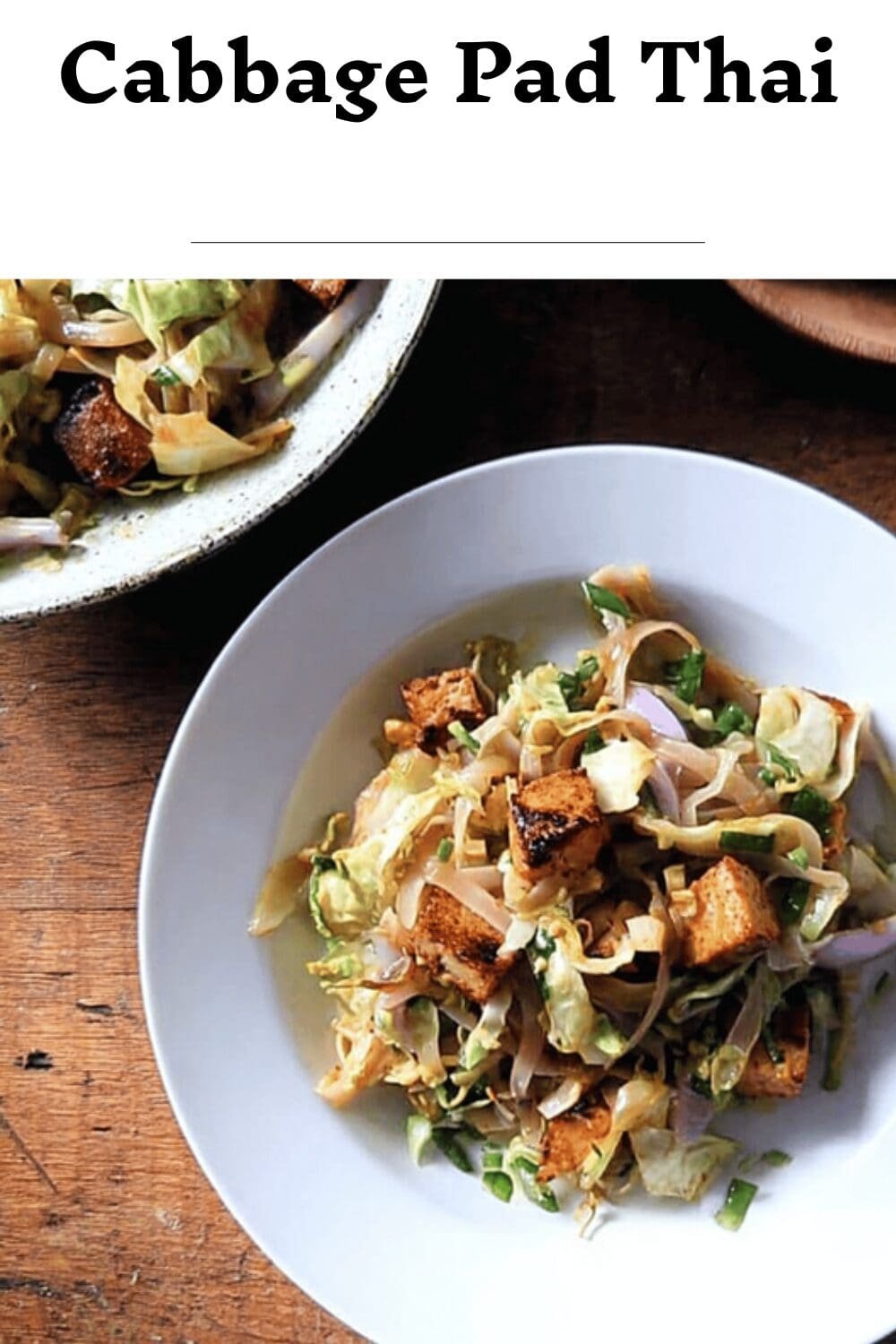
Cabbage Pad Thai is a low-carb version of the traditional Thai noodle dish where shredded cabbage replaces rice noodles. This alternative reduces carbohydrates and calories while still delivering similar texture and flavor. It’s ideal for those seeking a lighter meal or following keto, paleo, or gluten-free diets. The cabbage absorbs the classic Pad Thai sauce, making it a fresh and crunchy substitute that keeps the dish satisfying without the heaviness of noodles.
How do you prepare authentic Cabbage Pad Thai sauce at home?
Authentic Pad Thai sauce typically combines tamarind paste, fish sauce, palm sugar, lime juice, and a bit of chili powder for heat. For Cabbage Pad Thai, mix 2 tablespoons tamarind paste, 3 tablespoons fish sauce, 1-2 tablespoons palm or brown sugar, 1 tablespoon lime juice, and a pinch of chili flakes. Adjust sweetness and sourness to taste. This balance of salty, sweet, sour, and spicy flavors creates the signature tangy sauce that complements the cabbage’s crunch.
Can I make Cabbage Pad Thai vegan or vegetarian?
Yes, you can easily make Cabbage Pad Thai vegan or vegetarian by substituting fish sauce with soy sauce or tamari and omitting eggs or replacing them with scrambled tofu. Using plant-based protein like tofu, tempeh, or mushrooms keeps the dish nutritious and tasty. Make sure to check condiment labels to ensure no animal products are included and balance the flavors with a little extra lime juice and sugar.
What are the nutritional benefits of choosing Cabbage Pad Thai over traditional Pad Thai?
Cabbage Pad Thai offers lower calories and carbohydrates since cabbage contains fewer carbs and sugars than rice noodles. It provides fiber, vitamins C and K, and antioxidants from the cabbage, supporting digestion and immune health. This version is also gluten-free and suits low-carb or diabetic-friendly diets. Swapping noodles for cabbage helps reduce blood sugar spikes while still enjoying the bold flavors of Pad Thai.
How do you cook cabbage so it stays crisp but tender in Pad Thai?
To keep cabbage crisp but tender, shred it finely and stir-fry over medium-high heat for just 2-3 minutes. Avoid overcooking by adding it last after sautéing aromatics and protein. Toss it quickly with the Pad Thai sauce and remove from heat while still slightly crunchy. This method ensures the cabbage retains its texture without becoming soggy, offering a fresh bite that contrasts well with the savory sauce.
Cabbage Pad Thai
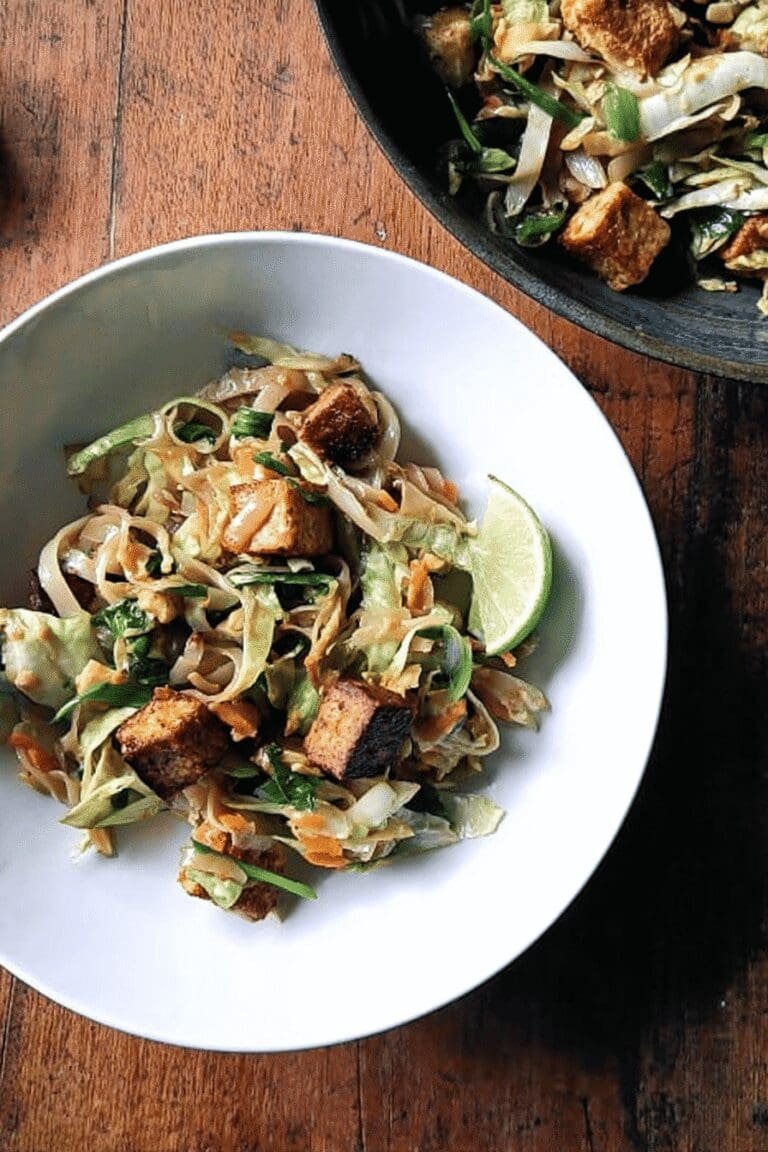
🥬 Enjoy a fresh, low-carb twist on traditional Pad Thai using crunchy cabbage for a satisfying meal.
🌶️ Packed with vibrant vegetables and a flavorful sauce, this dish is quick to prepare and perfect for a healthy lifestyle.
- Total Time: 20 minutes
- Yield: 4 servings 1x
Ingredients
2 tablespoons vinegar or distilled white vinegar
1 tablespoon tamari sauce or soy sauce (adjust to taste)
3 tablespoons ketchup
1 teaspoon brown sugar
1/2 teaspoon cayenne pepper
1 teaspoon chili garlic sauce (adjust to taste)
1 medium head cabbage (about 2 pounds), thinly sliced
2 tablespoons olive oil, divided
3 cloves garlic, minced or crushed
1 medium carrot, shredded or thinly sliced
1 red bell pepper, seeded and thinly sliced
3 green onions, sliced into 1-inch pieces
1 large egg
2 cups bean sprouts
1/3 cup roasted peanuts
Cilantro (optional, for garnish)
Salt and black pepper to taste
Instructions
1-Getting started: Getting started with cabbage pad thai is all about keeping things straightforward and fun. Begin by preparing your ingredients, like shredding the cabbage and mincing the garlic, to make the cooking process smooth and efficient. This step sets you up for success, especially if you’re new to stir-frying or short on time. With just a few minutes of prep, you’ll be ready to dive into the cooking.
2-Cooking the cabbage: Next, heat a large pan over medium-high heat and add 1 tablespoon of olive oil. Toss in the sliced cabbage and cook it for 2-3 minutes until it’s tender yet still a bit crunchy, then set it aside. This helps maintain that fresh texture we love. Wipe the pan clean, reheat it with the remaining olive oil, and add the garlic, cooking it for about 1 minute until it’s soft.
3-Cooking the vegetables and egg: Now, stir in the carrot, red bell pepper, and green onions, letting them cook for 1-2 minutes until tender. Add the egg and scramble it right in with the veggies for extra protein. Bring back the cooked cabbage, pour in the sauce, and mix everything together for another minute to heat through. Finally, toss in the bean sprouts and season with salt and black pepper. Serve it warm, topped with roasted peanuts and cilantro if you like.
Last Step:
Please leave a rating and comment letting us know how you liked this recipe! This helps our business to thrive and continue providing free, high-quality recipes for you.Notes
🥬 Avoid overcooking the cabbage to keep its crunch and texture.
🌱 Experiment with different cabbage types like napa or savoy for variety.
🌶️ Adjust chili garlic sauce and cayenne pepper to control the heat level.
- Prep Time: 10 minutes
- Cook Time: 10 minutes
- Category: Main Dish
- Method: Stir-frying
- Cuisine: Thai
- Diet: Low-Carb, Keto, Gluten-Free Option
Nutrition
- Serving Size: 1 serving
- Calories: 265 kcal
- Sugar: 15 g
- Sodium: 643 mg
- Fat: 15 g
- Saturated Fat: 2 g
- Unsaturated Fat: 12 g
- Trans Fat: 1 g
- Carbohydrates: 28 g
- Fiber: 9 g
- Protein: 10 g
- Cholesterol: 41 mg