Why You’ll Love This Roasted Vegetables
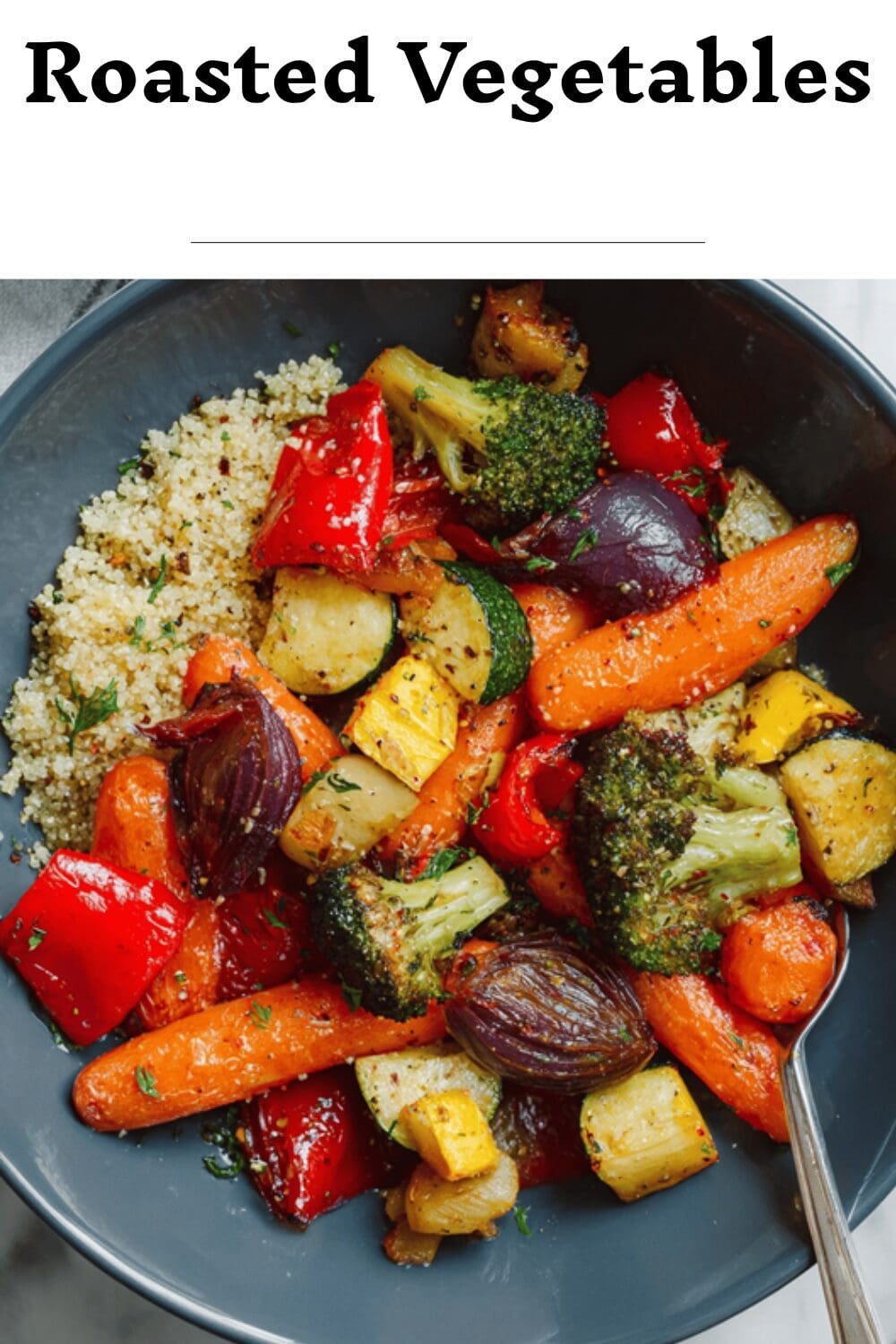
Roasted vegetables are a simple yet delicious way to enjoy healthy meals, and this recipe makes it easy for anyone from busy parents to diet-conscious folks. Imagine popping a tray of fresh veggies into the oven and ending up with something that’s crispy on the outside and tender inside, ready in under 45 minutes. You’ll appreciate how it fits seamlessly into various diets while delivering a burst of flavors that make every bite count.
- Ease of preparation: This roasted vegetables recipe is wonderfully simple, requiring minimal chopping and quick roasting in under 30 minutes, perfect for busy weeknights.
- Health benefits: Packed with vitamins, minerals, and fiber, roasted vegetables provide essential nutrients that support overall wellness and boost your immune system.
- Versatility: Whether you’re vegan, gluten-free, or following a low-calorie diet, this dish adapts seamlessly to meet diverse dietary needs without compromising taste.
- Distinctive flavor: The natural sweetness of the vegetables intensifies during roasting, complemented by aromatic herbs and spices, creating a rich, savory flavor profile that stands out.
This recipe serves 6 people and highlights the use of fresh vegetables seasoned and baked to perfection, making it a go-to side for any occasion. For those interested in more healthy eating ideas, you can check out our post on healthy drink recipes that pair well with these veggies.
Jump to:
- Why You’ll Love This Roasted Vegetables
- Essential Ingredients for Roasted Vegetables
- How to Prepare the Perfect Roasted Vegetables: Step-by-Step Guide
- Dietary Substitutions to Customize Your Roasted Vegetables
- Mastering Roasted Vegetables: Advanced Tips and Variations
- Pro Cooking Techniques
- Flavor Variations
- Presentation Tips
- Make-Ahead Options
- How to Store Roasted Vegetables: Best Practices
- FAQs: Frequently Asked Questions About Roasted Vegetables
- What temperature should I roast vegetables for the best texture?
- Is it better to cover vegetables when roasting them in the oven?
- How can I avoid soggy roasted vegetables?
- Does using the convection oven setting improve roasted vegetables?
- How long should I roast different types of vegetables?
- Roasted Vegetables
- Ingredients
- Instructions
- Last Step:
- Notes
- Nutrition
- Did you make this recipe?
Essential Ingredients for Roasted Vegetables
When you’re putting together this roasted vegetables recipe, the key is using fresh, high-quality ingredients that make the dish both nutritious and tasty. Below is a complete list of everything you need, based on a simple method that delivers crispy and flavorful results. Each item is measured precisely to ensure your recipe turns out just right.
- 2 medium bell peppers (red, yellow, or orange), cut into 1-inch pieces
- 2 medium zucchini, ends trimmed and cut into 1/2-inch pieces
- 1 small sweet potato, scrubbed and cut into 3/4-inch pieces
- 1 small red onion, cut into 1-inch cubes
- 1 small head of broccoli, cut into florets (or substitute with 1 small head of cauliflower or 8 ounces of trimmed Brussels sprouts)
- 3 tablespoons olive oil
- 1 tablespoon Dijon mustard (or an additional 1 tablespoon olive oil)
- 2 teaspoons Italian seasoning
- 1 teaspoon salt
- 1/2 teaspoon garlic powder
- 1/2 teaspoon black pepper
- 3 tablespoons grated Parmesan cheese (optional)
This list covers all the essentials for a dish that’s not only easy to prepare but also packed with nutrients like vitamins A and C. If you want to explore more about the health aspects, take a look at this external resource on roasted vegetables for added insights.
How to Prepare the Perfect Roasted Vegetables: Step-by-Step Guide
Getting roasted vegetables just right is all about following a few straightforward steps, and you’ll be amazed at how simple it can be. Start by setting up your oven properly to achieve that ideal crispy texture without much fuss. This method works wonders for home cooks looking for reliable results every time.
- First Step: Position the oven racks in the upper and lower thirds if using two baking sheets, or in the center if using one. Preheat the oven to 400 degrees Fahrenheit.
- Second Step: Generously coat 2 large, rimmed baking sheets with non-stick spray.
- Third Step: Place the vegetables in a large bowl or directly on the baking sheets.
- Fourth Step: Add the olive oil and mustard, then sprinkle with the Italian seasoning, salt, garlic powder, and black pepper. Toss everything together to ensure even coating, paying special attention to the broccoli florets.
- Fifth Step: Divide the vegetables evenly between the baking sheets, spreading them into a single layer.
- Sixth Step: Roast for 25 to 35 minutes at 400 degrees F, or if using convection, roast at 375 degrees F for 20 to 25 minutes.
- Seventh Step: Halfway through cooking, toss the vegetables, rotate the pans 180 degrees, and switch their positions between the racks.
- Eighth Step: The vegetables are done when they are brown and crispy on the edges and tender inside. Sprinkle with the Parmesan cheese and serve hot or at room temperature, adding extra salt and pepper if desired.
The total preparation time is 20 minutes prep and 25 minutes cooking, making it a quick option for weeknights. This approach ensures even cooking, as highlighted in the tips section below.

Dietary Substitutions to Customize Your Roasted Vegetables
Making this roasted vegetables recipe your own is easy with a few smart swaps, especially if you have specific dietary needs. You can keep things vegan or gluten-free while maintaining that flavorful bite everyone loves. These changes let you adapt the dish for different tastes and requirements without losing its appeal.
- Protein and Main Component Alternatives: Substitute tofu or tempeh for added vegan protein; use chickpeas or lentils for plant-based protein boosts; for non-vegans, small pieces of chicken or fish can be roasted alongside vegetables.
- Vegetable, Sauce, and Seasoning Modifications: Swap root vegetables for seasonal options like sweet potatoes or parsnips; use tahini or cashew-based sauces for creamy vegan toppings; adjust seasoning blends with smoked paprika, cumin, or chili flakes to vary flavor profiles; for gluten-free assurance, use certified gluten-free spice mixes and sauces.
Remember, these substitutions align with the nutritional profile, which includes 164 calories per serving and plenty of vitamins.
Mastering Roasted Vegetables: Advanced Tips and Variations
Once you’re comfortable with the basics, you can take your roasted vegetables to the next level with some pro techniques and fun twists. Roasting in batches helps avoid overcrowding, so your veggies crisp up instead of steaming. Let’s dive into ways to experiment and make this recipe even more exciting.
Pro Cooking Techniques
Roast vegetables in batches to ensure they crisp rather than steam, and always spread them in a single layer for the best results.
Flavor Variations
Experiment with Mediterranean herbs like rosemary and thyme, or try a tangy balsamic glaze finish to add depth and excitement.
Presentation Tips
Arrange colorful vegetables artfully on platters and garnish with fresh microgreens or toasted nuts for a visually appealing dish.
Make-Ahead Options
Prep and marinate vegetables a day ahead, storing them chilled to deepen flavor without sacrificing texture upon roasting. These tips, like using sufficient olive oil for caramelization, come from practical experience and can save you time on busy days.
How to Store Roasted Vegetables: Best Practices
Keeping your roasted vegetables fresh means storing them the right way, so they stay tasty for your next meal. Whether you’re refrigerating or freezing, these steps help maintain that wonderful texture and flavor. This makes it simple for anyone, from students to working professionals, to enjoy leftovers without hassle.
- Refrigeration: Place cooled roasted vegetables in airtight containers and consume within 3-4 days to maintain freshness.
- Freezing: Spread roasted vegetables on a baking sheet to freeze individually before transferring to freezer bags to prevent clumping; use within 2 months.
- Reheating: Reheat in a hot oven or air fryer to recover crispness rather than microwaving which can create sogginess.
- Meal prep considerations: Portion roasted vegetables into single servings for easy grab-and-go meals during busy weeks, ensuring quick access to nutritious side dishes.
The nutritional info per spend serving includes 164 calories and 6 grams of fiber, so it’s a smart choice for meal prep.
FAQs: Frequently Asked Questions About Roasted Vegetables
What temperature should I roast vegetables for the best texture?
Roasting vegetables at 400°F (205°C) generally yields the best texture, creating a crispy exterior while keeping the inside tender. If you need to adjust, roasting between 375°F and 425°F works well. Avoid temperatures as low as 350°F, which can cause vegetables to cook unevenly and become soggy rather than crispy.
Is it better to cover vegetables when roasting them in the oven?
It’s best not to cover vegetables when roasting. Covering traps moisture, causing the vegetables to steam instead of roast. Steaming prevents browning and crispiness, which are key to achieving the classic roasted vegetable flavor and texture.
How can I avoid soggy roasted vegetables?
To prevent soggy vegetables, avoid overcrowding the roasting pan, as this can cause steaming rather than roasting. Spread vegetables in a single layer with space between pieces. Also, use a high enough temperature (around 400°F) and toss vegetables halfway through cooking to promote even roasting and browning.
Does using the convection oven setting improve roasted vegetables?
Yes, the convection setting circulates hot air, roasting vegetables faster and more evenly with a crispier finish. When using convection, lower the temperature to 375°F and rotate the pan halfway through cooking to avoid uneven browning. If your oven doesn’t have this setting, roasting at 400°F still produces great results.
How long should I roast different types of vegetables?
Roasting times vary by vegetable size and type. Root vegetables like carrots and potatoes typically take 30-40 minutes, while softer vegetables like zucchini and bell peppers roast in 15-25 minutes. Cut vegetables into uniform pieces for even cooking, and check for tenderness and browning starting around the shortest estimated time.
Roasted Vegetables
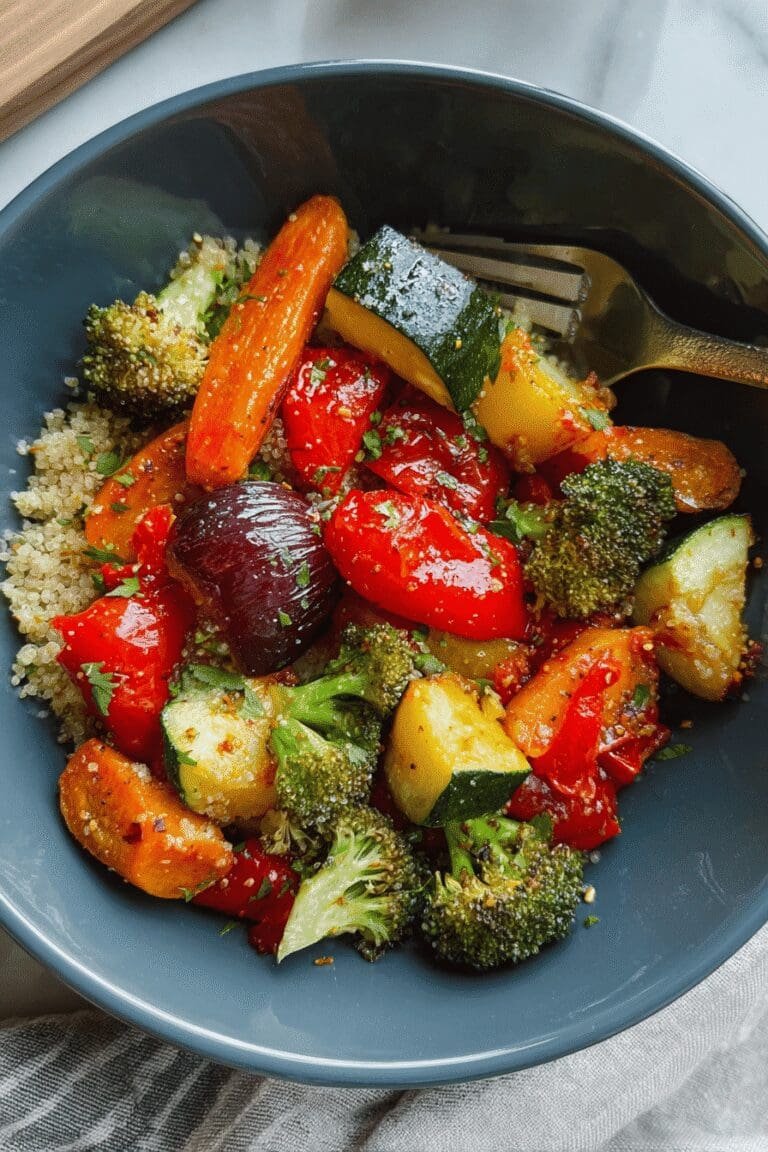
🥕 Oven Roasted Vegetables deliver perfectly tender, caramelized sides full of natural sweetness and vibrant flavors.
🔥 This easy recipe ensures crispy edges and a soft interior, making vegetables the star of any meal.
- Total Time: 45 minutes
- Yield: 6 servings
Ingredients
– 2 medium bell peppers (red, yellow, or orange), cut into 1-inch pieces
– 2 medium zucchini, ends trimmed and cut into 1/2-inch pieces
– 1 small sweet potato, scrubbed and cut into 3/4-inch pieces
– 1 small red onion, cut into 1-inch cubes
– 1 small head of broccoli, cut into florets (or substitute with 1 small head of cauliflower or 8 ounces of trimmed Brussels sprouts)
– 3 tablespoons olive oil
– 1 tablespoon Dijon mustard (or an additional 1 tablespoon olive oil)
– 2 teaspoons Italian seasoning
– 1 teaspoon salt
– 1/2 teaspoon garlic powder
– 1/2 teaspoon black pepper
– 3 tablespoons grated Parmesan cheese (optional)
Instructions
1-First Step: Position the oven racks in the upper and lower thirds if using two baking sheets, or in the center if using one. Preheat the oven to 400 degrees Fahrenheit.
2-Second Step: Generously coat 2 large, rimmed baking sheets with non-stick spray.
3-Third Step: Place the vegetables in a large bowl or directly on the baking sheets.
4-Fourth Step: Add the olive oil and mustard, then sprinkle with the Italian seasoning, salt, garlic powder, and black pepper. Toss everything together to ensure even coating, paying special attention to the broccoli florets.
5-Fifth Step: Divide the vegetables evenly between the baking sheets, spreading them into a single layer.
6-Sixth Step: Roast for 25 to 35 minutes at 400 degrees F, or if using convection, roast at 375 degrees F for 20 to 25 minutes.
7-Seventh Step: Halfway through cooking, toss the vegetables, rotate the pans 180 degrees, and switch their positions between the racks.
8-Eighth Step: The vegetables are done when they are brown and crispy on the edges and tender inside. Sprinkle with the Parmesan cheese and serve hot or at room temperature, adding extra salt and pepper if desired.
Last Step:
Please leave a rating and comment letting us know how you liked this recipe! This helps our business to thrive and continue providing free, high-quality recipes for you.Notes
🔪 Cut vegetables to sizes that ensure even cooking and consider leaving soft veggies whole.
🔥 Avoid overcrowding pans to promote crisping instead of steaming.
🌿 Experiment with seasonings like chipotle, garlic, citrus, herbs, or Mediterranean flavors for variety.
- Prep Time: 20 minutes
- Cook Time: 25 minutes
- Category: Side Dish
- Method: Roasting
- Cuisine: American
Nutrition
- Serving Size: 1 serving
- Calories: 164
- Sugar: 8 g
- Fat: 8 g
- Saturated Fat: 1 g
- Carbohydrates: 21 g
- Fiber: 6 g
- Protein: 5 g