Why You’ll Love This Spring Rolls
When you try this fresh Vietnamese spring rolls recipe, you’ll quickly see why it’s become a favorite for busy home cooks like me. These rolls are super simple to put together, making them perfect for a quick lunch or a light dinner after a long day. With their crisp veggies, tender shrimp, and the sweetness of mango, they burst with flavor that feels like a trip to Vietnam without leaving your kitchen.
One of the best parts is how spring rolls fit into a healthy routine. They’re loaded with vitamins from fresh produce, helping you feel energized and satisfied. Plus, they’re adaptable, so you can tweak them for different tastes or diets, making them a go-to for families with varied preferences.
- Ease of preparation: Spring rolls come together in just 40 minutes, including prep, which is ideal for busy parents or students. You don’t need fancy tools just a bowl, some water, and basic ingredients from your local store. This simplicity means even beginners can whip up a batch without stress, turning meal time into a fun activity rather than a chore.
- Health benefits: Packed with fresh vegetables like carrots, cucumbers, and mangos, these spring rolls offer a nutrient boost with low calories around 80 per serving. They’re rich in vitamin A and C, supporting your immune system and skin health, while the herbs like mint and basil add a refreshing twist that aids digestion. For diet-conscious folks, this recipe keeps things light and balanced, helping you enjoy tasty food without overdoing it.
- Versatility: Spring rolls work for everyone, whether you’re vegan, gluten-free, or just mixing things up. Swap shrimp for chicken or tofu, and you’ve got options for different meals. This flexibility makes them great for food enthusiasts or travelers wanting to recreate global flavors at home.
- Distinctive flavor: The combination of fresh herbs and that homemade peanut sauce sets these spring rolls apart, offering a sweet, savory, and nutty taste in every bite. It’s like capturing the essence of summer in a roll, perfect for parties or casual hangs with friends.
This recipe shines because it’s not just about eating it’s about creating something enjoyable and healthful that fits your lifestyle. Once you make it once, you’ll find yourself returning to it time and again for its straightforward charm.
Jump to:
- Why You’ll Love This Spring Rolls
- Essential Ingredients for Spring Rolls
- Main Ingredients
- For the Peanut Sauce
- Special Dietary Options
- How to Prepare the Perfect Spring Rolls: Step-by-Step Guide
- First Step: Prepare Your Ingredients
- Second Step: Soften the Rice Paper Wrappers
- Third Step: Add the Fillings
- Fourth Step: Roll the Spring Rolls
- Fifth Step: Make the Peanut Sauce
- Final Step: Serve and Enjoy
- Dietary Substitutions to Customize Your Spring Rolls
- Protein and Main Component Alternatives
- Vegetable, Sauce, and Seasoning Modifications
- Mastering Spring Rolls: Advanced Tips and Variations
- How to Store Spring Rolls: Best Practices
- FAQs: Frequently Asked Questions About Spring Rolls
- Are spring rolls fried or fresh?
- How do you keep spring roll wrappers from tearing?
- Can you freeze spring rolls?
- What are the most common spring roll fillings?
- Why are my spring rolls soggy?
- Spring Rolls
- Ingredients
- Instructions
- Last Step:
- Notes
- Nutrition
- Did you make this recipe?
Essential Ingredients for Spring Rolls
Gathering the right ingredients is key to making delicious spring rolls that are fresh and full of flavor. Below is a detailed list of everything you need, including precise measurements where specified. I’ll also add a quick explanation for each to show why it works so well in this recipe.
Main Ingredients
- Rice paper wrappers – These form the base of your rolls, providing a soft, translucent wrap that holds everything together without adding extra calories.
- Rice vermicelli noodles – Add a light, chewy texture and help bulk up the rolls for a more filling meal.
- 2 mangos, peeled and sliced into thin strips – Bring a sweet, tropical twist that balances the savory elements and adds a pop of color and vitamin C.
- 1 large carrot, peeled and shredded or sliced into thin strips – Offers crunch and beta-carotene for eye health, making the rolls more nutritious.
- 1 large English cucumber, peeled and thinly sliced – Provides hydration and a refreshing coolness that contrasts with the other flavors.
- 1 pound small, cooked shrimp, deveined, tails removed (or substitute chicken) – Adds protein and a mild seafood taste; it’s easy to swap for other options if needed.
- 1 bunch fresh mint leaves – Infuses a bright, cooling aroma that elevates the overall freshness of the dish.
- 1 bunch fresh basil – Contributes an herbaceous note that enhances the Vietnamese vibe and aids with digestion.
- 1 bunch fresh cilantro – Delivers a citrusy punch that ties all the flavors together for a truly authentic feel.
For the Peanut Sauce
- 3/4 cup water – Helps blend the sauce to the perfect consistency, making it smooth and dippable.
- 1/3 cup peanut butter (smooth or crunchy) – Forms the creamy base, providing rich nutty flavor and healthy fats.
- 1/2 teaspoon honey – Adds a touch of sweetness to balance the saltiness and make the sauce irresistible.
- 1/2 teaspoon soy sauce – Brings in umami and a bit of salt, enhancing the depth without overwhelming the other tastes.
Special Dietary Options
- Vegan: Swap the shrimp for plant-based options like tofu or sliced avocado to keep things animal-free.
- Gluten-free: All ingredients are naturally gluten-free, so just ensure your soy sauce is the gluten-free variety.
- Low-calorie: Stick to the veggies and herbs, and use less peanut butter in the sauce to cut down on calories while maintaining flavor.
Remember, these ingredients are easy to find and adapt, making spring rolls a versatile choice for any kitchen. For more tips on refreshing mojito recipe ideas that pair well, check out our site.
How to Prepare the Perfect Spring Rolls: Step-by-Step Guide
Making spring rolls at home is a breeze once you get the hang of it, and this guide will walk you through each step. Start by gathering all your ingredients to make the process smooth and enjoyable. We’ll cover everything from cooking the noodles to assembling the rolls, with adaptations for different preferences along the way.
First Step: Prepare Your Ingredients
Begin by cooking the rice vermicelli noodles in boiling water for a few minutes, following the package instructions. Once done, drain and rinse them with cold water to stop the cooking and keep them firm. At the same time, chop your vegetables slice the mangos, shred the carrot, and thinly slice the cucumber so everything is ready to go. This mise en place helps avoid rushing and ensures your spring rolls turn out neat.
Second Step: Soften the Rice Paper Wrappers
Pour about an inch of water into a large, shallow dish, like a pie plate or bowl. Submerge one rice paper wrapper for 10-15 seconds until it feels firm but flexible don’t leave it too long, or it might tear. Lay it flat on a clean surface, such as a plate or cutting board. Working with one at a time keeps them from getting sticky, and for dietary tweaks, you can prepare extra wrappers if you’re adapting for vegan options.
Third Step: Add the Fillings
On the part of the wrapper closest to you, layer 1-2 slices of each vegetable, a few shrimp (or your substitute like chicken), a handful of herbs, and a small amount of noodles. Aim for even distribution to make rolling easier and ensure every bite is balanced. If you’re making this for kids or seniors, go light on the herbs to suit milder tastes, keeping the process adaptable for family meals.
Fourth Step: Roll the Spring Rolls
Fold the sides of the wrapper inward over the fillings, then roll from the bottom up, tucking tightly to seal everything inside, much like making a burrito. Make sure to roll gently to avoid tears, and if you’re new to this, practice with one first. This step works well for all audiences, from working professionals prepping lunch to party hosts making appetizers.
Fifth Step: Make the Peanut Sauce
In a food processor or blender, combine 3/4 cup water, 1/3 cup peanut butter, 1/2 teaspoon honey, and 1/2 teaspoon soy sauce. Pulse until smooth, adjusting as needed for thickness add more water if it’s too thick. This sauce complements the spring rolls perfectly and can be made ahead for busy schedules. For a low-calorie version, reduce the peanut butter slightly while keeping the flavors intact.
Final Step: Serve and Enjoy
Once rolled, serve your spring rolls immediately with the peanut sauce on the side. They take about 40 minutes total to prepare, with 20 minutes prep, 5 minutes cooking, and 15 minutes assembly, yielding around 15 servings. Pair them with a refreshing drink from our site, like our easy summer smoothie recipe, for a complete meal. These spring rolls are best fresh, offering a light, healthy option that everyone can enjoy.
| Preparation Stage | Time Required |
|---|---|
| Prep | 20 minutes |
| Cook | 5 minutes |
| Assembly | 15 minutes |
| Total | 40 minutes |
| Servings | 15 |

Dietary Substitutions to Customize Your Spring Rolls
Protein and Main Component Alternatives
If shrimp isn’t your thing, try swapping it for chopped cooked chicken, which keeps the protein level high and adds a familiar taste. For vegetarians, firm tofu works wonders, soaking up flavors while staying true to the fresh vibe of spring rolls. You can also use sliced avocado for a creamy, nutrient-rich option that fits low-carb diets perfectly.
Vegetable, Sauce, and Seasoning Modifications
Swap out carrots for bell peppers if you want more crunch and color, or add bean sprouts for an extra fresh bite during peak seasons. For the sauce, replace honey with a natural sweetener like agave if you’re watching sugar intake, and adjust soy sauce for lower-sodium versions. These changes make spring rolls adaptable for anyone, from baking enthusiasts to health-focused individuals.
Mastering Spring Rolls: Advanced Tips and Variations
To take your spring rolls to the next level, focus on pro cooking techniques like using a damp cloth under the rice paper to prevent sticking. Flavor variations could include adding a dash of lime juice for zing or incorporating sliced bell peppers for added sweetness. For presentation, arrange them on a platter with extra herbs for a visually appealing display that impresses at gatherings.
Make-ahead options are great for busy weeks prep the fillings in advance and store them in the fridge. Experiment with different herbs or proteins to keep things exciting, and always taste as you go. As per How to Roll Spring Rolls, mastering the roll technique can make all the difference.
How to Store Spring Rolls: Best Practices
Proper storage keeps your spring rolls tasting fresh and safe to eat. For refrigeration, wrap each roll individually in plastic wrap and place them in an airtight container; they’ll stay good for 2-3 days. Freezing works for longer storage lay them out on a tray first, then transfer to a bag once frozen solid.
When reheating, use an oven or air fryer to maintain crispness, avoiding the microwave to prevent sogginess. For meal prep, consider batch cooking and portioning them for easy grab-and-go lunches. As noted in Shrimp Health Benefits, storing properly helps retain nutritional value.
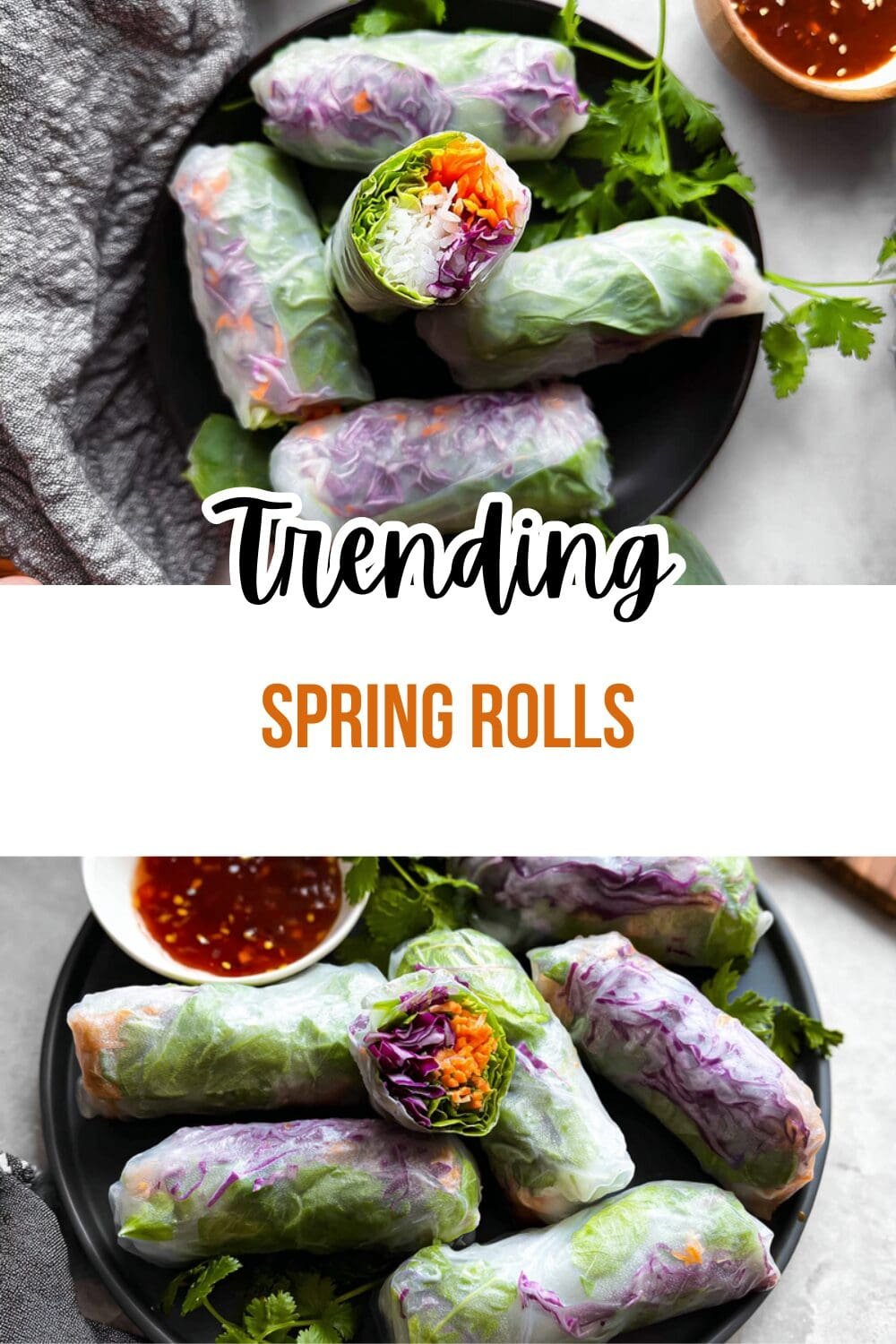
FAQs: Frequently Asked Questions About Spring Rolls
Are spring rolls fried or fresh?
The term “spring roll” can refer to two different types. Fresh spring rolls, also called summer rolls, are made with soft, translucent rice paper wrappers and are not cooked. They are typically filled with fresh vegetables, herbs, rice noodles, and sometimes shrimp or pork. Fried spring rolls use a thicker, wheat-based wrapper that becomes crispy and golden after being deep-fried. The filling for fried rolls is usually cooked beforehand, often containing minced meat and shredded vegetables.
How do you keep spring roll wrappers from tearing?
To prevent tearing, handle rice paper wrappers correctly. Fill a shallow dish with warm—not hot—water. Dip each wrapper into the water for just 1-2 seconds until it softens; it will continue to soften as you work. Lay it on a damp, clean kitchen towel or a silicone mat. Avoid overfilling the roll, as too much pressure can cause the delicate wrapper to split. Work with one wrapper at a time to keep them from getting too soggy.
Can you freeze spring rolls?
Yes, you can freeze spring rolls, but this works best for fried, uncooked rolls. Arrange them in a single layer on a baking sheet and freeze until solid. Once frozen, transfer them to a freezer-safe bag or container. This prevents them from sticking together. To cook, you can fry them straight from frozen for an extra 1-2 minutes, or bake/air fry them until cooked through and crispy. Fresh, rice paper-wrapped rolls do not freeze well as the wrapper becomes tough.
What are the most common spring roll fillings?
Traditional Vietnamese fresh spring rolls often contain a combination of cooked shrimp, boiled pork, thin rice noodles (bún), and fresh herbs like mint and cilantro. They are always served with crisp lettuce or cucumber inside. For fried versions, common fillings include shredded cabbage, carrots, bean sprouts, and ground pork or minced shrimp. Many recipes are adaptable, making them a great way to use up leftover vegetables or proteins like tofu.
Why are my spring rolls soggy?
Sogginess usually happens for two reasons. For fresh rolls, the rice paper was soaked in water for too long, making it too fragile and slimy. A quick dip is all you need. For fried rolls, the oil temperature was too low, causing the wrapper to absorb oil instead of crisping up. Make sure your oil is around 350°F (175°C) before frying. Additionally, packing them while still warm can create steam, leading to a soggy exterior; let them cool slightly on a wire rack.
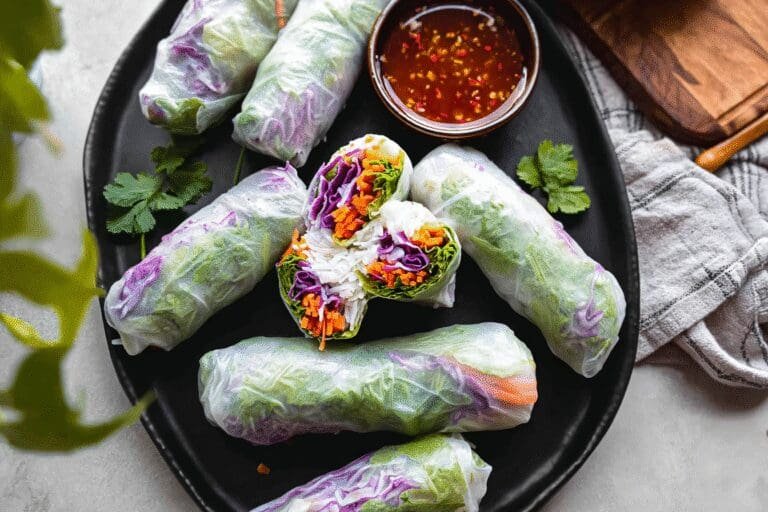
Spring Rolls
🌿 This Fresh Spring Rolls recipe offers a light and healthy way to enjoy vibrant vegetables and herbs wrapped with shrimp.
🥜 The homemade peanut sauce adds a deliciously creamy and tangy flavor, making it a perfect appetizer or light meal to try anytime.
- Total Time: 40 minutes
- Yield: 15 servings 1x
Ingredients
Rice paper wrappers
Rice vermicelli noodles
2 mangos peeled and sliced into thin strips
1 large carrot peeled and shredded or sliced into thin strips
1 large English cucumber peeled and thinly sliced
1 pound small cooked shrimp deveined tails removed (or substitute chicken)
1 bunch fresh mint leaves
1 bunch fresh basil
1 bunch fresh cilantro
3/4 cup water for blending the sauce
1/3 cup peanut butter (smooth or crunchy) for creamy base
1/2 teaspoon honey for sweetness
1/2 teaspoon soy sauce for umami and salt
Instructions
First Step: Prepare Your Ingredients Begin by cooking the rice vermicelli noodles in boiling water for a few minutes, following the package instructions. Once done, drain and rinse them with cold water to stop the cooking and keep them firm. At the same time, chop your vegetables slice the mangos, shred the carrot, and thinly slice the cucumber so everything is ready to go. This mise en place helps avoid rushing and ensures your spring rolls turn out neat.
Second Step: Soften the Rice Paper Wrappers Pour about an inch of water into a large, shallow dish, like a pie plate or bowl. Submerge one rice paper wrapper for 10-15 seconds until it feels firm but flexible don’t leave it too long, or it might tear. Lay it flat on a clean surface, such as a plate or cutting board. Working with one at a time keeps them from getting sticky, and for dietary tweaks, you can prepare extra wrappers if you’re adapting for vegan options.
Third Step: Add the Fillings On the part of the wrapper closest to you, layer 1-2 slices of each vegetable, a few shrimp (or your substitute like chicken), a handful of herbs, and a small amount of noodles. Aim for even distribution to make rolling easier and ensure every bite is balanced. If you’re making this for kids or seniors, go light on the herbs to suit milder tastes, keeping the process adaptable for family meals.
Fourth Step: Roll the Spring Rolls Fold the sides of the wrapper inward over the fillings, then roll from the bottom up, tucking tightly to seal everything inside, much like making a burrito. Make sure to roll gently to avoid tears, and if you’re new to this, practice with one first. This step works well for all audiences, from working professionals prepping lunch to party hosts making appetizers.
Fifth Step: Make the Peanut Sauce In a food processor or blender, combine 3/4 cup water, 1/3 cup peanut butter, 1/2 teaspoon honey, and 1/2 teaspoon soy sauce. Pulse until smooth, adjusting as needed for thickness add more water if it’s too thick. This sauce complements the spring rolls perfectly and can be made ahead for busy schedules. For a low-calorie version, reduce the peanut butter slightly while keeping the flavors intact.
Final Step: Serve and Enjoy Once rolled, serve your spring rolls immediately with the peanut sauce on the side. They take about 40 minutes total to prepare, with 20 minutes prep, 5 minutes cooking, and 15 minutes assembly, yielding around 15 servings. Pair them with a refreshing drink from our site, like our easy summer smoothie recipe, for a complete meal. These spring rolls are best fresh, offering a light, healthy option that everyone can enjoy.
Last Step:
Please leave a rating and comment letting us know how you liked this recipe! This helps our business to thrive and continue providing free, high-quality recipes for you.Notes
🌊 Avoid soaking rice paper wrappers for too long to prevent tearing.
🥗 Try alternative fillings like bean sprouts, avocado, cooked chicken, romaine lettuce, or bell peppers for variety.
🛍️ Wrap rolls individually in plastic wrap and store in an airtight container for up to 2-3 days; best eaten fresh.
- Prep Time: 20 minutes
- Assembly Time: 15 minutes
- Cook Time: 5 minutes
- Category: Appetizer
- Method: No-Cook (except noodles), Rolling
- Cuisine: Vietnamese
- Diet: Gluten-Free, Low-Calorie
Nutrition
- Serving Size: 1 spring roll
- Calories: 80
- Sugar: 4g
- Sodium: 36mg
- Fat: 3g
- Saturated Fat: 0.5g
- Unsaturated Fat: 2g
- Trans Fat: 0g
- Carbohydrates: 18g
- Fiber: 1g
- Protein: 1g
- Cholesterol: 15mg