Why You’ll Love This Kimchi
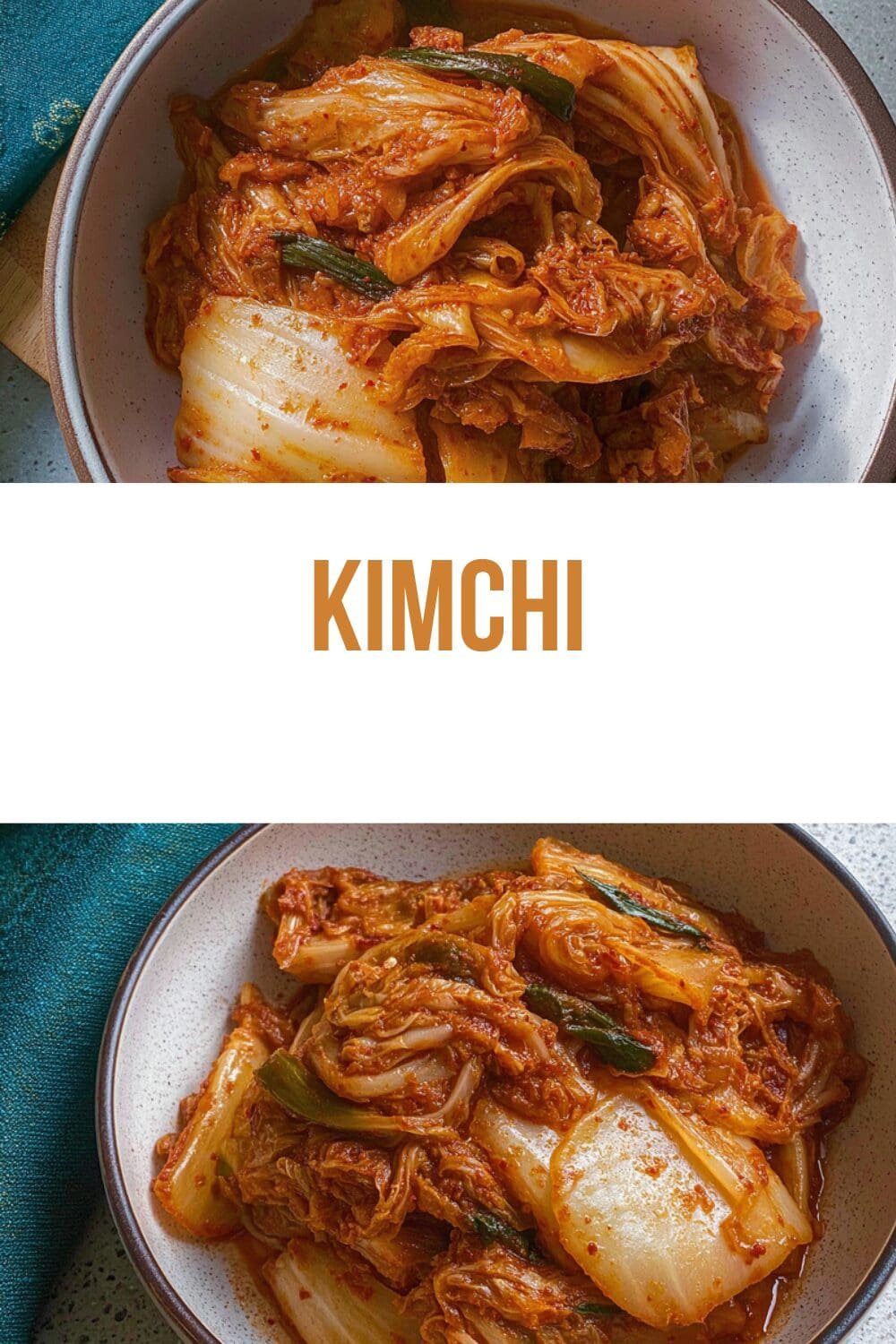
Kimchi stands as a cornerstone of Korean culinary traditions, offering a blend of cultural depth and practical benefits that appeal to home cooks and food enthusiasts alike. Its preparation involves fermenting vegetables like napa cabbage and radish, which results in a dish rich in probiotics and essential nutrients, making it ideal for busy parents and diet-conscious individuals seeking healthy options. Beyond its nutritional value, kimchi’s versatility allows it to enhance everyday meals, from simple sides to complex stews, providing a spicy, sour, and umami flavor that invigorates any dining experience.
The recipe’s ease of preparation stems from straightforward steps that require minimal ingredients, perfect for students or working professionals with limited time. For instance, kimchi supports immune function through vitamins such as A, C, and B vitamins, while also delivering dietary fiber and low-calorie content at about 32 calories per 100 grams. This makes it a flexible choice for various dietary needs, including vegan and gluten-free adaptations, ensuring it’s a staple for anyone exploring flavorful, health-promoting foods.
Key Benefits in Detail
Kimchi’s appeal lies in its probiotic properties from natural lactic acid bacteria, which promote digestive health and overall wellness. A typical serving includes 2 grams of protein and 0.6 grams of fat, making it light yet nutrient-packed with iron and calcium. Whether you’re a traveler seeking familiar tastes or a senior enjoying familiar flavors, kimchi’s adaptability shines through its use in diverse recipes, from spicy napa cabbage versions to milder cucumber variants.
As a fermented dish, kimchi develops complex flavors over time, influenced by fermentation conditions like a temperature of around 10°C and a pH of 4.2 to 4.5. This process not only preserves the vegetables but also enhances their nutritional profile, aligning with the preferences of baking enthusiasts and party hosts looking for unique additions to their gatherings. For a related idea on flavor pairings, check out our guide to making mulled cider recipes that complement fermented dishes.
Jump to:
- Why You’ll Love This Kimchi
- Key Benefits in Detail
- Essential Ingredients for Kimchi
- Main Ingredients List
- Special Dietary Options
- How to Prepare the Perfect Kimchi: Step-by-Step Guide
- Initial Preparation Steps
- Fermentation and Finishing
- Dietary Substitutions to Customize Your Kimchi
- Protein and Main Component Alternatives
- Vegetable and Seasoning Modifications
- Mastering Kimchi: Advanced Tips and Variations
- Pro Cooking Techniques
- Flavor and Presentation Variations
- How to Store Kimchi: Best Practices
- FAQs: Frequently Asked Questions About Kimchi
- What is kimchi and how is it made?
- What vegetables can be used for making kimchi besides cabbage?
- How does fermentation impact the flavor and health benefits of kimchi?
- What is the traditional Korean kimchi-making process called gimjang?
- Why does kimchi have a strong smell and how can it be reduced?
- Kimchi
- Ingredients
- Instructions
- Last Step:
- Notes
- Nutrition
- Did you make this recipe?
Essential Ingredients for Kimchi
Selecting the right ingredients is crucial for achieving the authentic taste and texture of kimchi. This section outlines the main components based on traditional methods, ensuring the recipe is comprehensive and easy to follow. By using precise measurements, you can replicate the balance of flavors and health benefits inherent to this Korean staple.
Main Ingredients List
- 1 medium head Napa cabbage – Provides the crisp texture and base for fermentation.
- 2 tablespoons Korean red pepper flakes – Adds the characteristic spicy kick and color.
- 4 cloves garlic, minced – Enhances flavor and contributes antibacterial properties.
- 1 tablespoon ginger, grated – Offers warmth and aids digestion.
- 3 tablespoons fish sauce – Delivers depth of umami and fermenting agent.
- 4 stalks green onions, chopped – Adds freshness and mild pungency.
Special Dietary Options
For those with specific dietary preferences, modifications ensure kimchi remains accessible. As detailed in traditional practices, rice flour paste helps bind moisture, so consider adding 2 tablespoons rice flour mixed with water to the seasoning.
- Vegan: Substitute fish sauce with 3 tablespoons soy sauce or miso paste as plant-based alternatives.
- Gluten-free: Use 3 tablespoons tamari instead of soy sauce to avoid gluten.
- Low-calorie: Reduce sugar usage or omit, as sugar is often added in small amounts like 1 tablespoon to balance flavors.
| Ingredient Category | Standard Amount | Dietary Substitution |
|---|---|---|
| Base Vegetable | 1 medium head Napa cabbage | Cucumbers or radishes for variety |
| Spice | 2 tablespoons Korean red pepper flakes | Adjust for milder versions |
| Umami Enhancer | 3 tablespoons fish sauce | 3 tablespoons soy sauce for vegan |
How to Prepare the Perfect Kimchi: Step-by-Step Guide
Preparing kimchi involves a precise process that draws on traditional Korean methods to ferment vegetables effectively. Vegetables like napa cabbage and radish are sliced into uniform pieces and salted with 5 7% salt for 12 hours or 15% salt for 3 7 hours to draw out moisture, setting the foundation for its tangy profile. After salting, drain the excess water before applying a seasoning paste made from Korean chili powder, garlic, ginger, scallions, salted seafood, sugar, and rice flour paste to bind moisture.
Initial Preparation Steps
First, prepare the Napa cabbage by chopping it into bite-sized pieces and soaking it in salted water for 1-2 hours to soften and remove bitterness. Tips for success include salting the vegetables twice to maintain appropriate salt levels and prevent spoilage, ensuring a salt concentration near 3% for ideal fermentation.
- While the cabbage soaks, create the kimchi paste by mixing 2 tablespoons Korean red pepper flakes, 4 minced garlic cloves, 1 tablespoon grated ginger, 3 tablespoons fish sauce, 4 chopped green onions, a bit of sugar, and rice flour paste.
- Drain the cabbage thoroughly and rinse it to remove excess salt, then let it sit to drain completely, which helps control the final pH between 4.2 and 4.5.
- Add the chopped green onions and mix the kimchi paste with the cabbage, tossing everything to coat evenly for thorough coverage.
Fermentation and Finishing
Pack the mixture tightly into airtight containers for fermentation at room temperature for 24 to 48 hours, opening the jar daily to release carbon dioxide buildup. Fermentation occurs spontaneously due to natural lactic acid bacteria on the vegetables, with optimal conditions at around 10°C to influence flavor and speed. Once fermented, refrigerate the kimchi to slow the process and enhance flavor development before serving.
For external resources, visit this guide on traditional kimchi making for more cultural context.

Dietary Substitutions to Customize Your Kimchi
Kimchi’s adaptability makes it suitable for various dietary needs, allowing modifications without losing its core benefits. By substituting ingredients, you can maintain the dish’s probiotic properties and nutritional richness, including vitamins A, B1, B2, C, calcium, iron, and fiber. For example, to reduce strong garlic and ginger odors, consider adjustments that preserve the traditional taste while catering to preferences.
Protein and Main Component Alternatives
- Use tofu or tempeh for a plant-based protein boost in vegan kimchi variations, replacing salted seafood such as shrimp or anchovies.
- Substitute traditional fish sauce with seaweed-based or mushroom-based umami enhancers to cater to vegetarian diets, ensuring the seasoning paste remains effective.
Vegetable and Seasoning Modifications
Kimchi varieties include options like cucumber kimchi or green onion kimchi, which alter texture and flavor. Replace Napa cabbage with radishes or cucumbers for seasonal changes, and use gluten-free tamari instead of soy sauce.
- Adjust spice levels by varying the amount of Korean red pepper flakes.
- For low-calorie versions, omit or reduce sugar to keep the recipe light while retaining moisture through rice flour paste.
As noted, these changes help incorporate kimchi into meals for newlyweds or seniors, enhancing its role in Korean cuisine. For a similar customization idea, explore our recipe for cookie cutter cookies that allow for creative adaptations.
Mastering Kimchi: Advanced Tips and Variations
Advancing your kimchi skills involves understanding fermentation science and exploring creative twists on traditional recipes. Fermentation typically produces lactic acid that lowers pH and preserves the dish, with tips like using rice flour paste to retain moisture and help seasoning adhere. Controlling fermentation temperature around 10°C can slow the process for a milder flavor, ideal for different varieties such as white kimchi without chili or watery kimchi like dongchimi.
Pro Cooking Techniques
Utilize fermentation weights to keep the kimchi submerged and prevent spoilage, ensuring even distribution of natural lactic acid bacteria. Experiment with adding fruits like pear or apple for natural sweetness, which complements the spicy and umami notes.
Kimchi’s health-promoting properties, including its low-calorie profile and probiotic benefits, make it a staple for every meal, as seen in its use in soups and stews.
Flavor and Presentation Variations
Garnish with toasted sesame seeds or chopped chives for an appealing finish, and serve in traditional containers for authenticity. Kimchi has many varieties, from fresh unfermented options to spicy napa cabbage, allowing for personalization based on taste and dietary needs.
How to Store Kimchi: Best Practices
Proper storage is essential to maintain kimchi’s flavor and nutritional benefits, such as its vitamins and probiotics. Traditionally, kimchi was stored in earthenware jars underground for slow fermentation, but modern methods use refrigeration for better control. By following these practices, you can extend the shelf life while preserving the tangy, spicy qualities that make kimchi a Korean favorite.
- Refrigeration: Store kimchi in airtight containers in the refrigerator to maintain freshness and slow fermentation.
- Freezing: For long-term storage, freeze kimchi in sealed bags; thaw it gently in the fridge before consumption.
- Reheating: Avoid high heat to preserve probiotics; warm gently or enjoy cold.
- Meal prep: Use portioned containers to facilitate batch cooking, promoting freshness for busy lifestyles.
FAQs: Frequently Asked Questions About Kimchi
What is kimchi and how is it made?
Kimchi is a traditional Korean fermented side dish made primarily from napa cabbage or radishes. The vegetables are salted to draw out moisture, then mixed with seasonings like Korean chili powder (gochugaru), garlic, ginger, fish sauce, and sometimes salted seafood. This mixture ferments over days or weeks in cool conditions, developing its distinctive tangy, spicy flavor and beneficial probiotics.
What vegetables can be used for making kimchi besides cabbage?
While napa cabbage is the most common base, kimchi can also be made with radishes, green onions, cucumbers, garlic scapes, mustard greens, and Korean ponytail radishes. Different vegetables influence the texture and fermentation process, allowing for a variety of kimchi types suited to seasonal availability and taste preferences.
How does fermentation impact the flavor and health benefits of kimchi?
Fermentation involves lactic acid bacteria that lower the kimchi’s pH, preserving it and creating a tangy flavor. These bacteria also produce probiotics that support digestive health. During fermentation, kimchi develops complex flavors, including sour, spicy, and umami notes, while providing vitamins and antioxidants important for nutrition.
What is the traditional Korean kimchi-making process called gimjang?
Gimjang is the seasonal tradition of preparing large batches of kimchi in late autumn for winter storage. Families and communities gather to salt vegetables, season, and ferment kimchi in earthenware jars or containers. This practice helps preserve vegetables through cold months and is recognized by UNESCO as part of Korea’s cultural heritage.
Why does kimchi have a strong smell and how can it be reduced?
Kimchi’s strong odor comes mainly from fermentation and the presence of garlic and ginger, which release sulfur compounds. This pungency is part of its characteristic flavor but can be off-putting to some. To reduce odor, some recipes limit garlic or add odor-neutralizing ingredients, and storing kimchi in airtight containers slows down the release of smell.
Kimchi
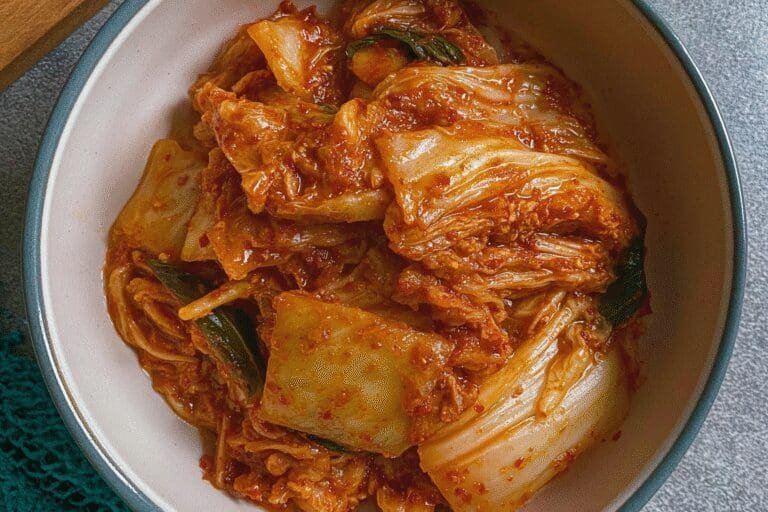
🥬 Kimchi is a traditional Korean fermented side dish packed with probiotics that promote gut health and aid digestion.
🌶️ Rich in vitamins and flavor, Kimchi brings a spicy, sour, and umami taste to every meal, enhancing dishes from soups to stews.
- Total Time: 24 to 48 hours
- Yield: Varies depending on vegetable quantity
Ingredients
– 1 medium head Napa cabbage for crisp texture and base for fermentation
– 2 tablespoons Korean red pepper flakes for spicy kick and color
– 4 cloves garlic, minced for flavor and antibacterial properties
– 1 tablespoon ginger, grated for warmth and digestion aid
– 3 tablespoons fish sauce for umami and fermenting agent
– 4 stalks green onions, chopped for freshness and mild pungency
Instructions
1-While the cabbage soaks, create the kimchi paste by mixing 2 tablespoons Korean red pepper flakes, 4 minced garlic cloves, 1 tablespoon grated ginger, 3 tablespoons fish sauce, 4 chopped green onions, a bit of sugar, and rice flour paste.
2-Drain the cabbage thoroughly and rinse it to remove excess salt, then let it sit to drain completely, which helps control the final pH between 4.2 and 4.5.
3-Add the chopped green onions and mix the kimchi paste with the cabbage, tossing everything to coat evenly for thorough coverage.
Last Step:
Please leave a rating and comment letting us know how you liked this recipe! This helps our business to thrive and continue providing free, high-quality recipes for you.Notes
🧂 Salt vegetables twice to maintain proper salt levels and prevent spoilage.
🍚 Use rice flour paste to retain moisture and help seasoning adhere evenly.
🌡️ Control fermentation temperature carefully to influence flavor and fermentation speed.
- Prep Time: 15 minutes
- Fermentation time: 24 to 48 hours
- Category: Side Dish, Condiment
- Method: Fermentation
- Cuisine: Korean
- Diet: Gluten-Free, Vegan
Nutrition
- Serving Size: 100 grams
- Calories: 32
- Sugar: 1g
- Sodium: 700mg
- Fat: 0.6g
- Saturated Fat: 0.1g
- Unsaturated Fat: 0.5g
- Trans Fat: 0g
- Carbohydrates: 7g
- Fiber: 2g
- Protein: 2g
- Cholesterol: 0mg