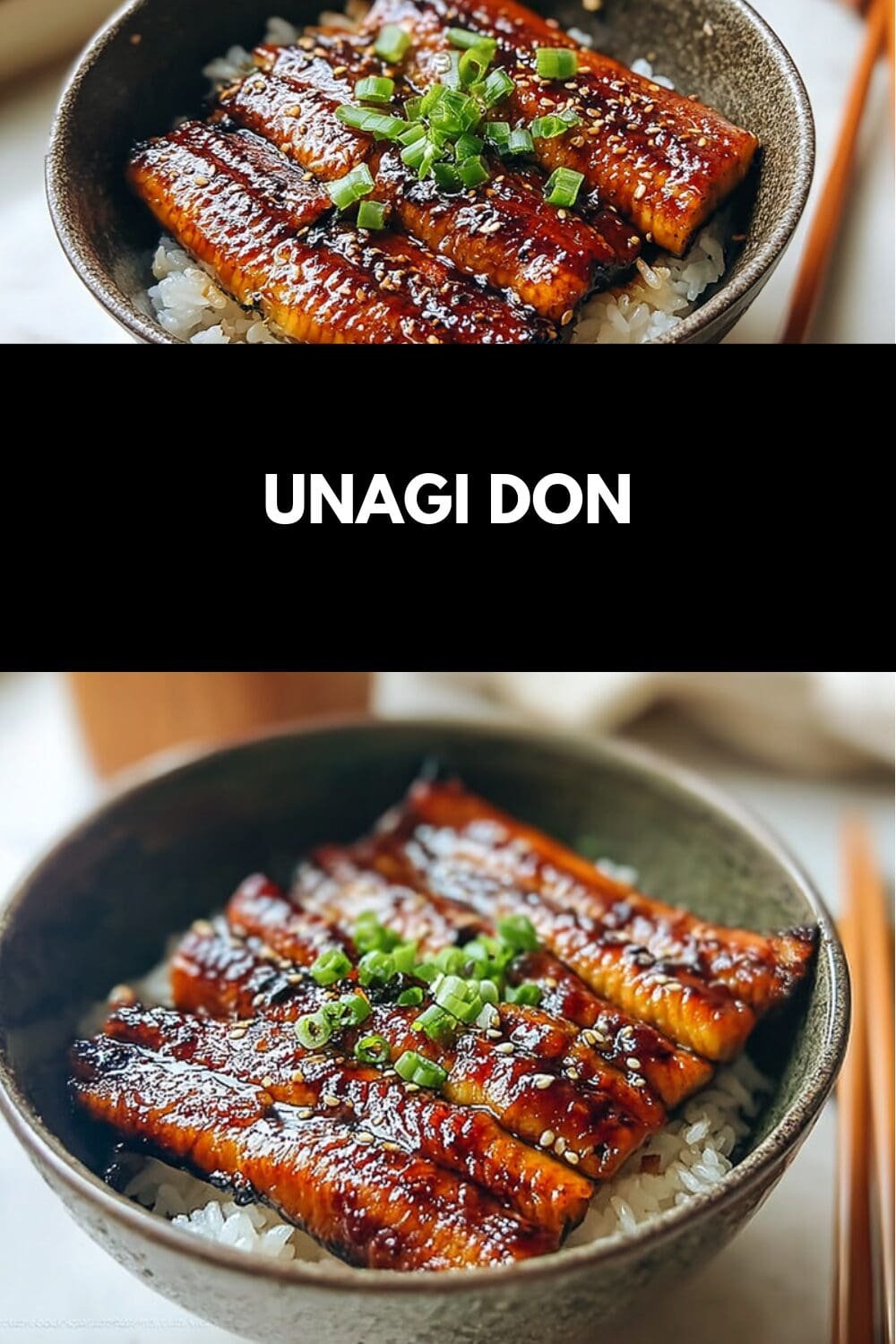
Why You’ll Love This Unagi Don
Unagi Don, a beloved Japanese dish featuring grilled freshwater eel over steamed rice, offers a perfect blend of simplicity and authentic flavors that captivate home cooks and food enthusiasts alike. This recipe emphasizes ease of preparation, making it ideal for busy parents and working professionals who seek nutritious meals without spending hours in the kitchen. Alongside its nutritional benefits, such as high protein and omega-3 fatty acids that support heart health, Unagi Don stands out for its adaptability to various dietary preferences. These qualities make it a versatile choice for students, diet-conscious individuals, and even party hosts looking to impress with minimal effort.
One key aspect of Unagi Don is its health advantages, including the rich omega-3s from the eel that promote overall wellness. This dish balances indulgence with nourishment, making it suitable for seniors and travelers who want comforting yet energizing food. For those interested in exploring complementary recipes, consider enhancing your meal with a festive beverage to round out the experience. Whether you’re new to Japanese cuisine or a seasoned enthusiast, the distinctive smoky and sweet flavors of Unagi Don will leave a lasting impression, encouraging you to try it regularly.
Benefits of the Dish
The preparation of Unagi Don involves grilling eel fillets in the kabayaki style, where they are basted with a sweetened soy-based sauce called tare that caramelizes for a glossy finish. This method ensures the fillets are placed skin-side down, preserving the skin for enhanced texture and flavor. Tare sauce not only coats the eel but also seeps into the rice below, adding depth that makes each bite memorable. Additionally, the dish is finished with a sprinkle of pulverized dried Japanese pepper berries known as sanshō, which provides a subtle, tingling heat.
In terms of versatility, Unagi Don can be adapted for gluten-free diets by swapping soy sauce in the tare with tamari, or made vegan by using alternatives like grilled shiitake mushrooms. Variations such as serving in lacquered boxes (unajū) or separating eel from rice (nagayaki) allow customization based on occasion, appealing to newlyweds and baking enthusiasts. With variations like chopping the eel finely for a hitsumabushi style, this dish remains flexible while maintaining its traditional roots from Japan’s Edo period.
Focusing on key preparation tips, using charcoal grilling achieves optimal caramelization without removing the eel skin, which helps retain moisture and flavor. The Kanto style steams the eel first for tenderness, while the Kansai style grills it directly for a chewier texture, offering choices for different preferences. This adaptability ensures Unagi Don fits into busy schedules, typically ready in minutes after initial prep like steaming rice.
Jump to:
- Why You’ll Love This Unagi Don
- Benefits of the Dish
- Essential Ingredients for Unagi Don
- How to Prepare the Perfect Unagi Don: Step-by-Step Guide
- Grilling Techniques
- Dietary Substitutions to Customize Your Unagi Don
- Mastering Unagi Don: Advanced Tips and Variations
- Regional Styles
- How to Store Unagi Don: Best Practices
- FAQs: Frequently Asked Questions About Unagi Don
- What is Unagi Don and what ingredients are used?
- How is Unagi Don prepared and served?
- What are the differences between Unagi Don and Unajū?
- What are the main regional grilling styles used for eel in Unagi Don?
- When and where was Unagi Don first created?
- Unagi Don
- Ingredients
- Instructions
- Last Step:
- Notes
- Nutrition
- Did you make this recipe?
Essential Ingredients for Unagi Don
- 150 to 200 grams of freshwater eel fillets (the star protein, grilled for a rich, smoky flavor)
- 1 to 1.5 cups of steamed white rice (approximately 150 to 225 grams, serving as the soft and sticky base)
- 3 to 4 tablespoons of tare sauce (a mixture made with soy sauce, mirin, sugar, and sake, used to glaze and flavor both eel and rice)
- A pinch of pulverized sanshō pepper (around 0.1 grams, for garnish to add a traditional spicy note)
- 200g grilled unagi (eel) – an additional option for those preferring pre-grilled fillets
- 1 cup Japanese short-grain rice – ensures the ideal texture for the base
- 1 tbsp mirin – enhances the sweetness and aroma in the tare sauce
- 1 tbsp soy sauce – provides umami depth in the sauce
- 1 tsp sugar – balances the tare sauce with subtle sweetness
- 2 spring onions, sliced – adds freshness and a mild sharpness as a garnish
This structured list covers all necessary ingredients with precise measurements, making it straightforward for readers to gather what they need. Unagi Don’s ingredients highlight the importance of fresh, high-quality components, such as freshwater eel prepared in the kabayaki style by grilling over charcoal and basting with tare sauce. For more on how eel enhances dishes, check out this resource on benefits of eating eel. Special dietary options include vegan substitutes like grilled shiitake mushrooms and gluten-free alternatives such as tamari for soy sauce, allowing low-calorie modifications with options like cauliflower rice.
How to Prepare the Perfect Unagi Don: Step-by-Step Guide
To create an authentic Unagi Don, start by rinsing the rice under cold water until the water runs clear, then cook it using a rice cooker or stove for the perfect fluffy texture. This step ensures the rice provides a solid base that absorbs the flavors of the tare sauce, a sweetened soy-based mixture caramelized over charcoal. Next, prepare the eel fillets by grilling them skin-side down without removing the skin, basting repeatedly with tare sauce until it develops a glossy finish, typically taking several minutes after initial prep.
Once the eel is grilled, place it on top of the steamed rice in a large bowl, allowing the sauce to soak into the rice beneath for enhanced taste. Finish the dish with a sprinkling of pulverized sanshō pepper for a traditional seasoning that adds a unique zing. Variations in preparation, such as the Kanto style where eel is steamed before grilling for tenderness or the Kansai style for a chewier texture, can be explored based on your preference. This method, originating from Japan’s Edo period, emphasizes the use of charcoal for optimal flavor and caramelization.
Grilling Techniques
Key tips include basting the eel frequently to build layers of flavor and using charcoal for that authentic smoky essence. If using fresh eel, grill until tender; for pre-cooked, simply heat and glaze. Fluff the rice, divide into bowls, add the glazed eel slices, and garnish with spring onions for a complete meal. Serve immediately while warm to enjoy the balance of textures, and remember to adjust for dietary needs like using alternative proteins.
In the traditional process, the eel is placed skin-side down and grilled, with tare sauce poured generously to integrate flavors. This step-by-step approach, which generally takes minutes after steaming rice, makes Unagi Don accessible yet impressive. For further ingredient insights, visit unagi ingredients to learn more about sourcing.

Dietary Substitutions to Customize Your Unagi Don
Customizing Unagi Don for different needs starts with protein alternatives, such as substituting grilled shiitake mushrooms or marinated eggplant for a vegan version, while maintaining the dish’s smoky essence through the tare sauce. For those avoiding eel, options like grilled chicken or tofu work well, providing a similar hearty texture when grilled and basted. This adaptability ensures the dish remains true to its roots, with eel prepared in kabayaki style and finished with sanshō pepper.
Vegetable modifications can include swapping spring onions with chives for a milder taste, and sauce adjustments might involve using tamari instead of soy sauce for gluten-free diets. To reduce sweetness in the tare sauce, which is made with soy sauce, mirin, sugar, and sake, consider a sugar substitute for low-calorie preferences. These changes allow variations like unajū or nagayaki while preserving the core elements, such as grilling eel over charcoal without removing the skin.
Preparation tips for these substitutions include steaming eel first in the Kanto style for tenderness or grilling directly in the Kansai style. This flexibility makes Unagi Don suitable for a wide audience, from food enthusiasts to busy parents, ensuring everyone can enjoy its rich flavors.
| Original Ingredient | Substitution | Reason |
|---|---|---|
| freshwater eel fillets | Grilled shiitake mushrooms | Vegan adaptation |
| Soy sauce in tare | Tamari | Gluten-free option |
| Sugar | Honey | Low-calorie balance |
Mastering Unagi Don: Advanced Tips and Variations
To master Unagi Don, focus on pro cooking techniques like using a charcoal grill for the eel, which imparts a smoky flavor and crisp edges while basting with tare sauce for a glossy finish. This method aligns with traditional kabayaki style, where eel is grilled skin-side down and caramelized, allowing the sauce to enhance both the eel and the rice beneath. Variations such as adding yuzu zest for a citrus twist or incorporating wasabi mayo can modernize the dish, while keeping the sanshō pepper garnish for authenticity.
Experimentation with flavors includes using pickled ginger or daikon radish for contrasting textures, building on the dish’s Edo period origins. Presentation tips involve serving in donburi bowls with nori strips and sesame seeds, elevating the visual appeal of this Japanese staple. Make-ahead options, like preparing the tare sauce and rice in advance, ensure freshness when stored separately for up to 24 hours, incorporating key tips like not removing the eel skin for better caramelization.
Regional Styles
The Kanto style steams the eel before grilling for tenderness, whereas the Kansai style grills directly for a chewier texture, both enhancing the overall experience. For those interested in complementary desserts, a rich chocolate treat can pair nicely. By following these advanced steps, home cooks can achieve professional results with minimal effort.
How to Store Unagi Don: Best Practices
Proper storage of Unagi Don begins with refrigerating cooked components separately in airtight containers to maintain freshness, ideally consuming within 1-2 days. This practice prevents the tare sauce from making the rice soggy and keeps the grilled eel, prepared in kabayaki style, from losing its texture. Freezing is possible for up to one month, but note that the eel might change slightly in consistency upon thawing, so reheat gently to preserve flavors.
Reheating methods include using a microwave or steamer to retain moisture, avoiding direct heat that could dry out the dish. For meal prep, portion ingredients individually and assemble just before eating, ensuring the sanshō pepper garnish adds its signature zest. These tips, combined with preparation variations like unajū, help extend the enjoyment of this traditional meal.
FAQs: Frequently Asked Questions About Unagi Don
What is Unagi Don and what ingredients are used?
Unagi Don is a traditional Japanese dish featuring steamed white rice topped with grilled eel fillets. The eel, prepared in the kabayaki style, is glazed with a sweet soy-based sauce known as tare and caramelized over charcoal. The dish is typically garnished with ground sansho pepper for added flavor. It is popular for its rich taste and balanced texture.
How is Unagi Don prepared and served?
To prepare Unagi Don, eel fillets are placed skin-side down and grilled after being coated with tare sauce. The sauce is often poured generously so it seeps into the rice beneath. The dish is served in a large bowl with steamed rice, topped with the eel and sprinkled with sansho pepper. The cooking method results in tender, flavorful eel layered over savory rice.
What are the differences between Unagi Don and Unajū?
While both dishes feature grilled eel on rice, Unagi Don is served in a standard bowl, making it a casual meal. Unajū, on the other hand, is presented in lacquered jubako boxes, offering a more refined and often pricier dining experience. The preparation of the eel and sauce remains similar, but presentation distinguishes the two.
What are the main regional grilling styles used for eel in Unagi Don?
Unagi Don is commonly prepared using two regional styles: Kanto and Kansai. The Kanto style involves steaming the eel before grilling, which makes it tender and reduces fat. The Kansai style skips steaming, grilling the eel directly over charcoal, resulting in a firmer texture and more pronounced smoky flavor.
When and where was Unagi Don first created?
Unagi Don originated in Japan during the late Edo period (1804–1818). The dish was first commercially sold by Nakamura Juzo in Sakai-machi, with the eatery Ōnoya in Fukiyachō considered the first to offer it. It is recognized as the earliest form of donburi, signaling its long-standing cultural significance.
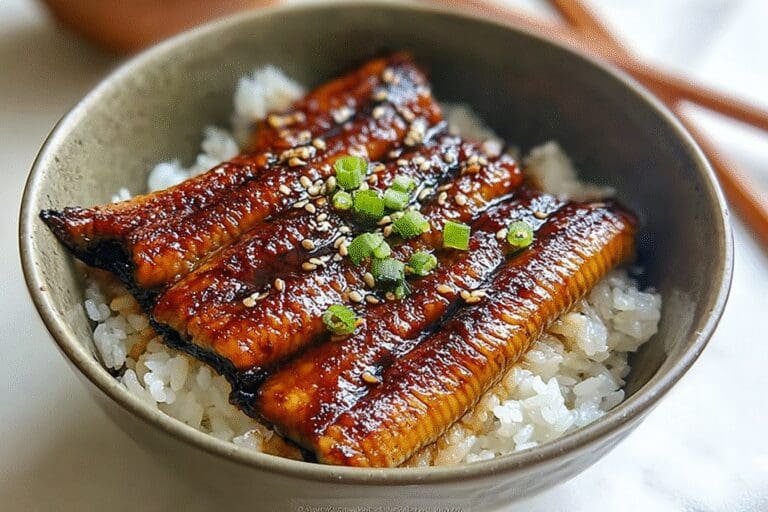
Unagi Don
🍚 Enjoy a traditional Japanese Unadon, where tender grilled eel glazed with sweet soy sauce sits atop steaming rice for a harmonious and satisfying meal.
🔥 Experience authentic flavors with the kabayaki style eel, perfectly caramelized over charcoal to give rich taste and texture.
- Total Time: 25 minutes
- Yield: 1 serving
Ingredients
– 150 to 200 grams freshwater eel fillets for grilling
– 1 to 1.5 cups steamed white rice
– 3 to 4 tablespoons tare sauce for glazing and flavoring eel and rice
– A pinch pulverized sanshō pepper for garnish
– 200g grilled unagi (eel) optional for pre-grilled fillets
– 1 cup Japanese short-grain rice for base texture
– 1 tbsp mirin for sweetness and aroma in tare sauce
– 1 tbsp soy sauce for umami depth in sauce
– 1 tsp sugar for balancing sweetness in tare sauce
– 2 spring onions, sliced for garnish
Instructions
1-To create an authentic Unagi Don: start by rinsing the rice under cold water until the water runs clear, then cook it using a rice cooker or stove for the perfect fluffy texture. This step ensures the rice provides a solid base that absorbs the flavors of the tare sauce, a sweetened soy-based mixture caramelized over charcoal.
2-Prepare the eel fillets: by grilling them skin-side down without removing the skin, basting repeatedly with tare sauce until it develops a glossy finish, typically taking several minutes after initial prep.
3-Once the eel is grilled: place it on top of the steamed rice in a large bowl, allowing the sauce to soak into the rice beneath for enhanced taste.
4-Finish the dish: with a sprinkling of pulverized sanshō pepper for a traditional seasoning that adds a unique zing.
5-Variations in preparation: such as the Kanto style where eel is steamed before grilling for tenderness or the Kansai style for a chewier texture, can be explored based on your preference.
6-Key tips include: basting the eel frequently to build layers of flavor and using charcoal for that authentic smoky essence.
7-If using fresh eel: grill until tender; for pre-cooked, simply heat and glaze.
8-Fluff the rice: divide into bowls, add the glazed eel slices, and garnish with spring onions for a complete meal.
9-Serve immediately: while warm to enjoy the balance of textures, and remember to adjust for dietary needs like using alternative proteins.
10-In the traditional process: the eel is placed skin-side down and grilled, with tare sauce poured generously to integrate flavors.
11-This step-by-step approach: which generally takes minutes after steaming rice, makes Unagi Don accessible yet impressive.
Last Step:
Please leave a rating and comment letting us know how you liked this recipe! This helps our business to thrive and continue providing free, high-quality recipes for you.Notes
🔥 Do not remove the eel skin; it helps keep the fillets intact and adds to the flavor.
🍢 Charcoal grilling is essential to achieve authentic smoky flavor and a perfect caramelized glaze.
🍚 For tenderness, Kanto style involves steaming eel before grilling, while Kansai style grills directly for a firmer texture.
- Prep Time: 15 minutes
- Cook Time: 10 minutes
- Category: Main Dish
- Method: Grilling, Steaming
- Cuisine: Japanese
- Diet: Pescatarian
Nutrition
- Serving Size: 1 bowl
- Calories: 450 kcal
- Sugar: 10 g
- Sodium: 800 mg
- Fat: 8 g
- Saturated Fat: 2 g
- Unsaturated Fat: 5 g
- Trans Fat: 0 g
- Carbohydrates: 70 g
- Fiber: 1 g
- Protein: 30 g
- Cholesterol: 90 mg