Why You’ll Love This Mashed Potatoes
There’s something truly special about a perfect bowl of mashed potatoes. Whether you’re serving them alongside a Sunday roast or enjoying them as comfort food on a quiet evening, these fluffy potatoes never fail to satisfy. This recipe strikes the perfect balance between creamy and light, making it a versatile side dish that complements virtually any main course.
Ease of Preparation
This mashed potatoes recipe is simple and quick, requiring minimal ingredients and straightforward steps, ensuring you can enjoy comfort food without a long cooking time. You don’t need to be a culinary expert to master this dish. The entire process takes just 35 minutes from start to finish, making it perfect for busy weeknights when you need something satisfying without spending hours in the kitchen.
Health Benefits
Packed with essential vitamins and minerals, this dish offers nutritional advantages such as potassium and vitamin C, contributing to overall wellness and a balanced diet. According to healthline.com, potatoes are an excellent source of nutrients and can be part of a healthy diet when prepared properly. They provide energy, support heart health, and contain important antioxidants that help protect your cells from damage.
Versatility
Adaptable to various dietary needs, this mashed potatoes recipe can be modified for vegan, gluten-free, or low-calorie preferences without sacrificing flavor. This flexibility makes it an excellent choice for gatherings where you might have guests with different dietary requirements. The base recipe serves as a canvas for countless variations, allowing you to customize it to your liking.
Distinctive Flavor
Unique ingredients and seasoning combinations give this mashed potatoes dish a rich, creamy texture and a standout taste that elevates any meal. The secret lies in using high-quality ingredients and following the proper technique to achieve that restaurant-quality texture right in your own kitchen.
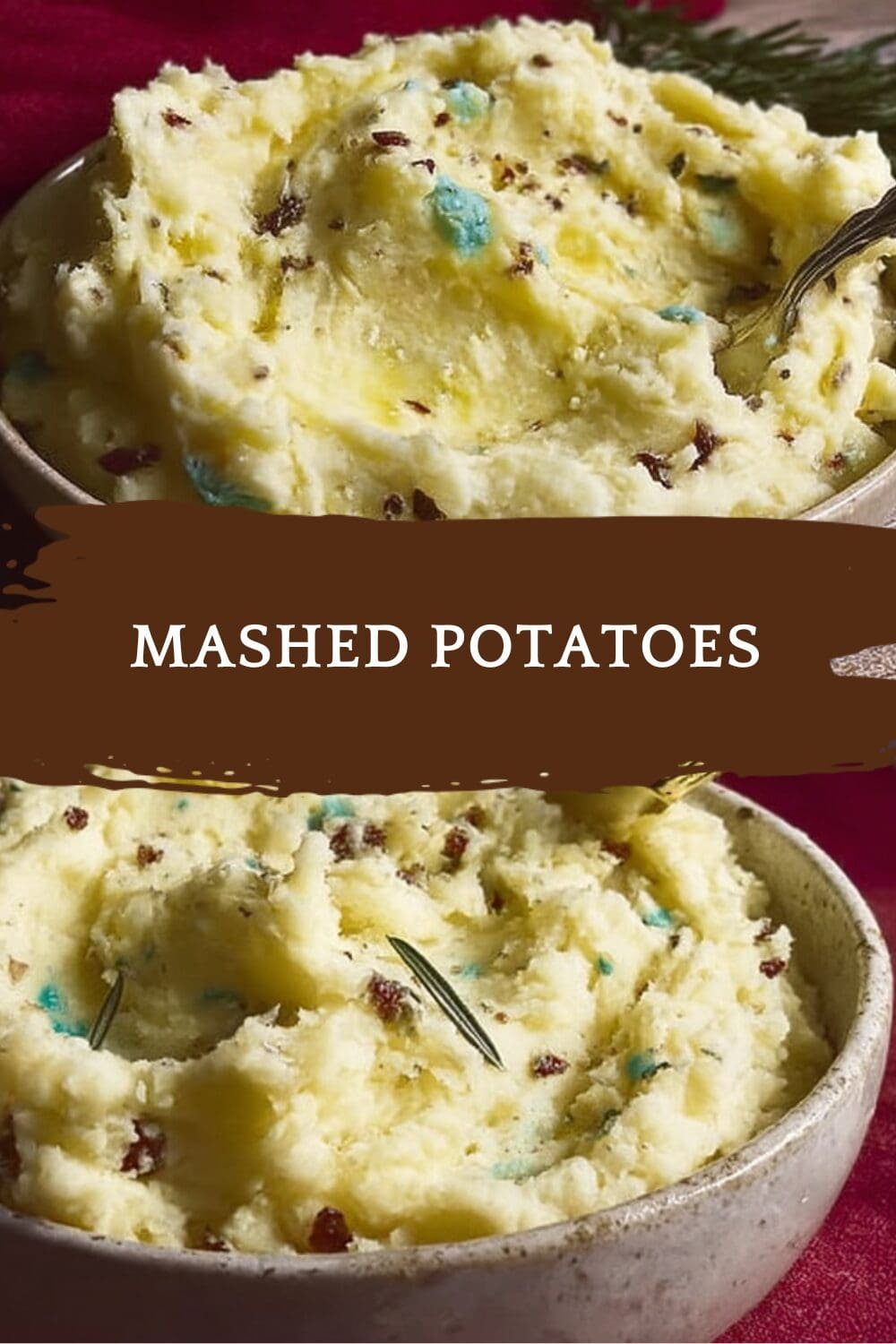
These mashed potatoes are so creamy and rich, anyone can whip them up in no time, whether for a cozy weeknight meal or a big holiday feast.
Jump to:
- Why You’ll Love This Mashed Potatoes
- Ease of Preparation
- Health Benefits
- Versatility
- Distinctive Flavor
- Essential Ingredients for Mashed Potatoes
- Choosing the Right Potatoes
- The Role of Dairy
- Special Dietary Options
- How to Prepare the Perfect Mashed Potatoes: Step-by-Step Guide
- Preparation Phase
- Cooking the Potatoes
- Creating the Creamy Texture
- Dietary Substitutions to Customize Your Mashed Potatoes
- Protein and Main Component Alternatives
- Vegetable, Sauce, and Seasoning Modifications
- Mastering Mashed Potatoes: Advanced Tips and Variations
- Pro Cooking Techniques
- Flavor Variations
- Presentation Tips
- Make-Ahead Options
- How to Store Mashed Potatoes: Best Practices
- Refrigeration
- Freezing
- Reheating
- Meal Prep Considerations
- FAQs: Frequently Asked Questions About Mashed Potatoes
- What type of potatoes make the best mashed potatoes?
- Should I peel my potatoes before making mashed potatoes?
- How can I keep my mashed potatoes creamy and avoid them becoming gummy?
- Can I prepare mashed potatoes ahead of time and reheat them later?
- Is it possible to freeze mashed potatoes without losing quality?
- Mashed Potatoes
- Ingredients
- Instructions
- Last Step:
- Notes
- Nutrition
- Did you make this recipe?
Essential Ingredients for Mashed Potatoes
The secret to perfect mashed potatoes starts with selecting the right ingredients. Here’s everything you’ll need to create this delicious side dish:
- 4 pounds of russet or Yukon gold potatoes
- 3 cloves of garlic (optional)
- ⅓ cup of melted salted butter
- 1 cup of milk or cream
- Salt to taste
- Black pepper to taste
Choosing the Right Potatoes
The type of potato you select makes a significant difference in the final result. Russet potatoes are high in starch and create a fluffier texture, while Yukon Gold potatoes have a naturally creamy consistency and buttery flavor. Both work beautifully in this recipe, so feel free to use whichever you prefer or have on hand.
The Role of Dairy
The combination of butter and milk (or cream) is what gives mashed potatoes their luxurious texture. Whole milk provides a good balance of creaminess without being overly rich, while heavy cream takes it to the next level with an indulgent mouthfeel. The butter adds richness and helps coat the starch molecules for a smoother consistency.
Special Dietary Options
| Dietary Need | Substitutions |
|---|---|
| Vegan | Substitute whole milk with unsweetened almond or oat milk and use vegan butter to keep the dish plant-based |
| Gluten-free | All main ingredients are naturally gluten-free, making this recipe suitable for gluten-sensitive individuals |
| Low-calorie | Use low-fat milk or plant-based milk alternatives and reduce butter quantity to lower calorie content while maintaining taste |
How to Prepare the Perfect Mashed Potatoes: Step-by-Step Guide
Follow these detailed instructions to create mashed potatoes that are perfectly smooth, creamy, and full of flavor every time.
Preparation Phase
To prepare mashed potatoes, you will need 4 pounds of russet or Yukon gold potatoes, 3 cloves of garlic (optional), ⅓ cup of melted salted butter, and 1 cup of milk or cream. Begin by peeling and quartering the potatoes, then place them in a pot of cold salted water. Add the garlic cloves if desired, and bring the water to a boil. This recipe takes approximately 15 minutes to prepare and 20 minutes to cook, totaling about 35 minutes from start to finish.
Cooking the Potatoes
Cook uncovered for about 15 minutes or until the potatoes are fork-tender. It’s important to start with cold water to ensure even cooking throughout the potatoes. Test them by inserting a fork into a large piece; it should slide in easily with no resistance. Drain the potatoes well and let them sit for around 5 minutes to remove excess water, or briefly return them to the warm pot to evaporate moisture. This step is crucial for achieving fluffy rather than watery mashed potatoes.
Creating the Creamy Texture
Warm the milk or cream before use. Add the melted butter to the potatoes and start mashing by hand with a masher or ricer for a creamy texture. Gradually add the warmed milk or cream to reach the desired consistency. Season with salt and black pepper to taste, then serve hot.
- First Step: Peel the Yukon Gold potatoes and cut them into evenly sized chunks to ensure uniform cooking.
- Second Step: Place the potato chunks in a large pot, cover with cold water and add a pinch of salt; bring to a boil over medium heat.
- Third Step: Cook the potatoes for about 15-20 minutes or until they are fork-tender.
- Fourth Step: Drain the potatoes thoroughly and return them to the pot to steam dry for a couple of minutes.
- Fifth Step: Warm the milk and melt the butter together gently on the stove to blend smoothly.
- Sixth Step: Mash the potatoes using a potato masher or ricer, gradually adding the warm milk and melted butter for a creamy consistency.
- Seventh Step: Season with salt to taste and mix thoroughly.
- Final Step: Serve immediately, garnished with fresh herbs or a sprinkle of paprika; for dietary adaptations, use plant-based milk and vegan butter in previous steps.

Dietary Substitutions to Customize Your Mashed Potatoes
One of the wonderful things about mashed potatoes is their adaptability. Whether you’re following a specific diet or simply want to experiment with different flavors, there are numerous ways to customize this classic dish to suit your preferences.
Protein and Main Component Alternatives
For those looking to vary their mashed potato experience, consider these creative substitutions:
- Swap Yukon Gold potatoes with sweet potatoes or cauliflower for variation and nutritional benefits.
- Use nutritional yeast or vegan cheese for a protein boost in vegan mashed potatoes.
- Mix half cauliflower with potatoes for a lower-carb version with more vegetables.
Vegetable, Sauce, and Seasoning Modifications
The flavor profile of your mashed potatoes can easily be transformed with a few simple changes:
- Substitute regular butter with herb-infused olive oil or garlic-infused oil for different flavor profiles.
- Add roasted garlic, chives, or paprika for enhanced seasoning.
- Incorporate low-fat milk or unsweetened plant-based milks to accommodate calorie-conscious diets.
- Seasonal veggies like roasted carrots or parsnips can be blended into the mash for added nutrients and color.
- Try adding sour cream or Greek yogurt for extra tanginess and protein.
Mastering Mashed Potatoes: Advanced Tips and Variations
Once you’ve mastered the basic recipe, there are countless ways to take your mashed potatoes to the next level. These professional techniques and creative ideas will help you create a dish that stands out.
Pro Cooking Techniques
The way you mash your potatoes significantly affects the final texture. Use a potato ricer for ultra-smooth texture or whip with an electric mixer for fluffier results; avoid overmixing to prevent gummy consistency. A food mill also produces excellent results by forcing the potatoes through small holes, creating a uniform texture without releasing excess starch.
For the lightest possible mash, try warming your milk and butter separately before adding them to the potatoes. This ensures the fat molecules distribute evenly throughout the dish, creating that luxurious mouthfeel we all crave.
Flavor Variations
Incorporate roasted garlic, cream cheese, or fresh herbs like rosemary and thyme to add depth to your mashed potatoes. Some other popular additions include:
- Grated Parmesan cheese for a savory umami boost
- Horseradish for a spicy kick
- Caramelized onions for natural sweetness
- Bacon bits or crumbled pancetta for a smoky, salty element
- Truffle oil for an elegant gourmet touch
Presentation Tips
Serve in a bowl with a pat of butter melting on top, garnished with finely chopped parsley or chives for visual appeal. For a special occasion, consider piping the mashed potatoes through a pastry bag to create beautiful swirls on individual plates.
Make-Ahead Options
Prepare mashed potatoes a day in advance, store them covered in the refrigerator, and reheat gently on the stovetop or microwave, adding extra milk or butter as needed to restore creaminess. This is especially helpful for holiday meal planning when oven space is at a premium.
If you’re planning a big gathering, you might also enjoy making other festive dishes that can be prepared ahead of time, allowing you to spend more time with your guests.
How to Store Mashed Potatoes: Best Practices
Proper storage ensures your mashed potatoes remain delicious and safe to eat. Whether you have leftovers or want to meal prep for the week, these storage guidelines will help maintain quality and flavor.
Refrigeration
Store mashed potatoes in an airtight container; they will keep fresh for up to 3-4 days when refrigerated promptly. Allow the potatoes to cool completely before placing them in the refrigerator to prevent condensation from making them watery. Press a piece of plastic wrap directly onto the surface of the potatoes to prevent a skin from forming.
Freezing
For long-term storage, place cooled mashed potatoes in freezer-safe bags or containers; they can be frozen for up to 2 months. When freezing, flatten the potatoes in freezer bags to make thawing quicker and more even. Portion them into sizes you’ll typically use to avoid repeatedly thawing and refreezing.
Reheating
Reheat gently on the stove or microwave, stirring occasionally; add a splash of milk or butter to regain creaminess and prevent drying out. For the stovetop method, place the potatoes in a saucepan over low heat and stir frequently. In the microwave, heat in 30-second intervals, stirring between each to ensure even warming.
Meal Prep Considerations
Portion mashed potatoes before storing to facilitate easy serving sizes and quick reheating. This approach is particularly helpful for those planning weekly meals or portion-controlled diets. Consider pairing your prepped mashed potatoes with other comforting sides for balanced meals throughout the week.
FAQs: Frequently Asked Questions About Mashed Potatoes
What type of potatoes make the best mashed potatoes?
Russet and Idaho potatoes are the top choices for mashed potatoes because their high starch content creates a fluffy, smooth texture. Yukon Gold potatoes are also popular due to their natural buttery flavor and creamier consistency, which adds richness without needing excess butter or cream. For the best results, avoid waxy potatoes like red potatoes or new potatoes, as they tend to produce a gluey or dense mash.
Should I peel my potatoes before making mashed potatoes?
It depends on the potato variety. Russet and Idaho potatoes have thick skins that can be tough and are best peeled for a smooth texture. Yukon Gold potatoes have thinner, tender skins, so you can leave some skin on for added texture and nutrients. Just make sure to scrub them well before cooking if you decide to leave the skin.
How can I keep my mashed potatoes creamy and avoid them becoming gummy?
To maintain a creamy texture, mash potatoes by hand using a potato masher or a potato ricer rather than an electric mixer or food processor, which can overwork the starch and lead to gumminess. Also, warm your butter and milk or cream before adding them to fully absorb into the potatoes and keep them hot.
Can I prepare mashed potatoes ahead of time and reheat them later?
Yes, you can make mashed potatoes ahead. After cooking, let them cool completely, then store in an airtight container in the refrigerator for up to 3 days. To reheat, spread them in a greased casserole dish, dot with extra butter if desired, cover with foil, and bake at 325°F until heated through, about 35-40 minutes. Stir occasionally for even heating.
Is it possible to freeze mashed potatoes without losing quality?
Mashed potatoes freeze well if stored properly. Press them flat into a freezer-safe bag or airtight container to reduce air exposure. They can be frozen for up to two months. When ready to use, thaw overnight in the refrigerator and reheat gently on the stove or oven, adding a splash of milk or cream to restore smoothness and creaminess.
Mashed Potatoes
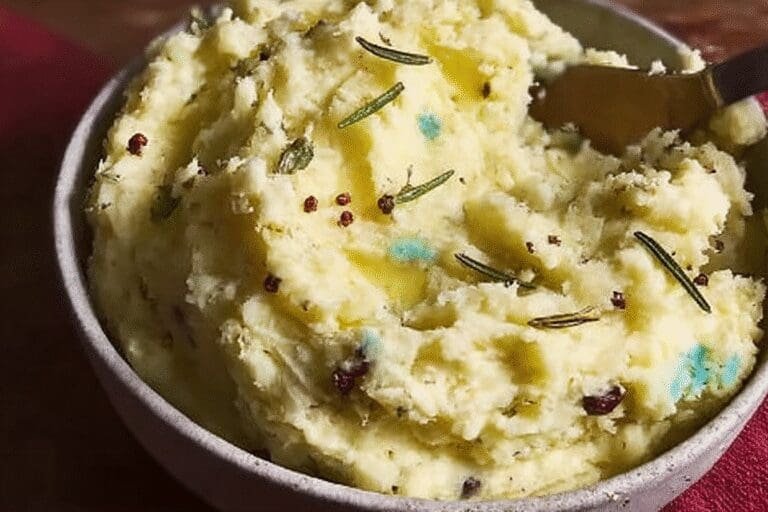
🥔 This Mashed Potatoes recipe yields a creamy and fluffy texture that’s perfect as a comforting side dish for any meal.
🧈 Using melted butter and warmed milk ensures rich flavor and smooth consistency that everyone will love.
- Total Time: 35 minutes
- Yield: 6-8 servings
Ingredients
– 4 pounds russet or Yukon gold potatoes
– 3 cloves garlic (optional)
– ⅓ cup melted salted butter
– 1 cup milk or cream
– Salt to taste
– Black pepper to taste
Instructions
1-First Step: Peel the Yukon Gold potatoes and cut them into evenly sized chunks to ensure uniform cooking.
2-Second Step: Place the potato chunks in a large pot, cover with cold water and add a pinch of salt; bring to a boil over medium heat.
3-Third Step: Cook the potatoes for about 15-20 minutes or until they are fork-tender.
4-Fourth Step: Drain the potatoes thoroughly and return them to the pot to steam dry for a couple of minutes.
5-Fifth Step: Warm the milk and melt the butter together gently on the stove to blend smoothly.
6-Sixth Step: Mash the potatoes using a potato masher or ricer, gradually adding the warm milk and melted butter for a creamy consistency.
7-Seventh Step: Season with salt to taste and mix thoroughly.
8-Final Step: Serve immediately, garnished with fresh herbs or a sprinkle of paprika; for dietary adaptations, use plant-based milk and vegan butter in previous steps.
Last Step:
Please leave a rating and comment letting us know how you liked this recipe! This helps our business to thrive and continue providing free, high-quality recipes for you.Notes
🧄 Adding garlic while boiling infuses subtle flavor; remove before mashing for a milder taste.
🥄 Use a potato ricer for the smoothest, fluffiest texture.
🧈 Warm milk or cream before adding to prevent cooling the potatoes and maintain creaminess.
- Prep Time: 15 minutes
- Cook Time: 20 minutes
- Category: Side Dish
- Method: Boiling, Mashing
- Cuisine: American
Nutrition
- Serving Size: 1/2 cup
- Calories: 180 kcal
- Sugar: 2 g
- Sodium: 180 mg
- Fat: 7 g
- Saturated Fat: 4 g
- Trans Fat: 0 g
- Carbohydrates: 27 g
- Fiber: 3 g
- Protein: 4 g
- Cholesterol: 20 mg