Why You’ll Love This Thai Basil Pesto
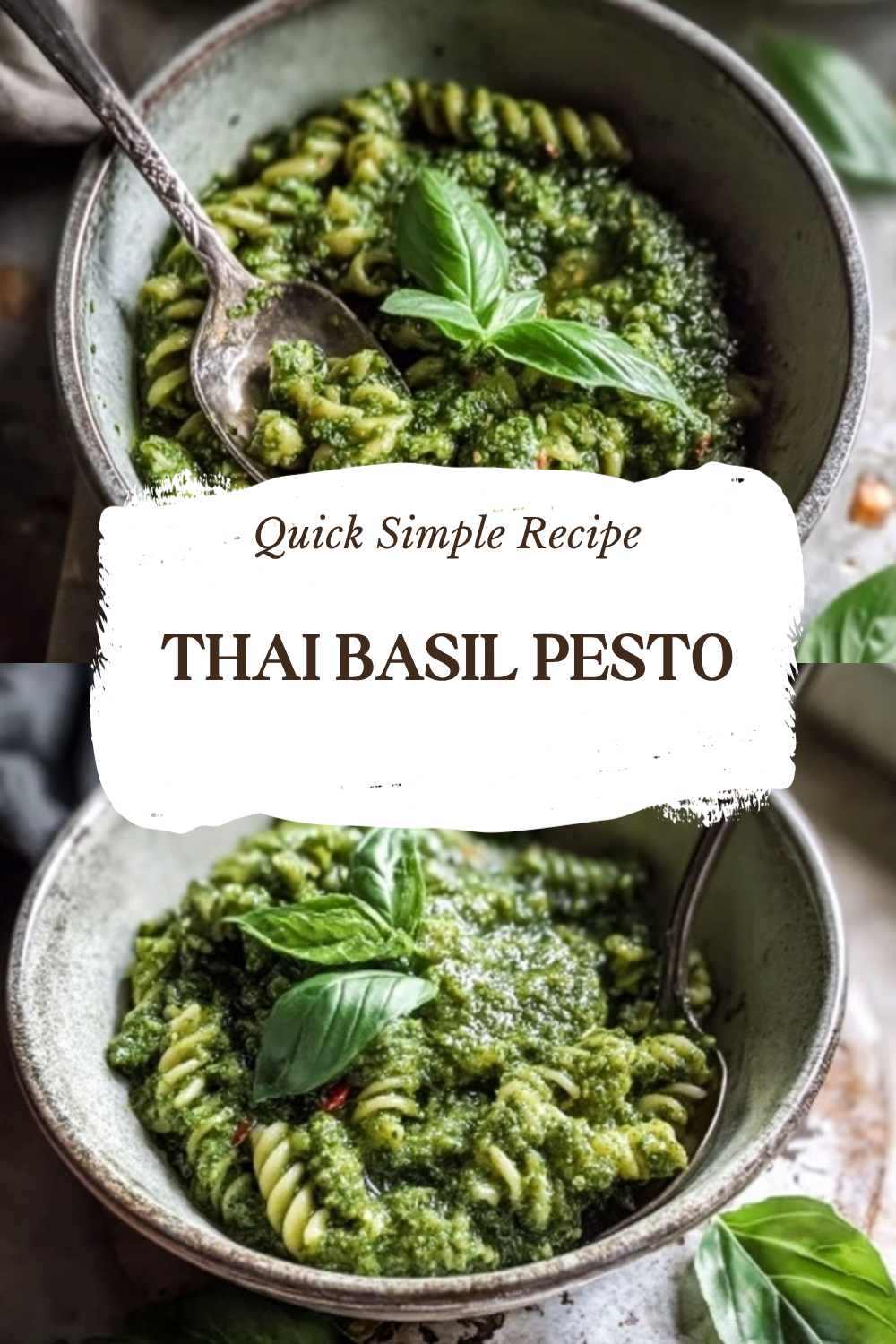
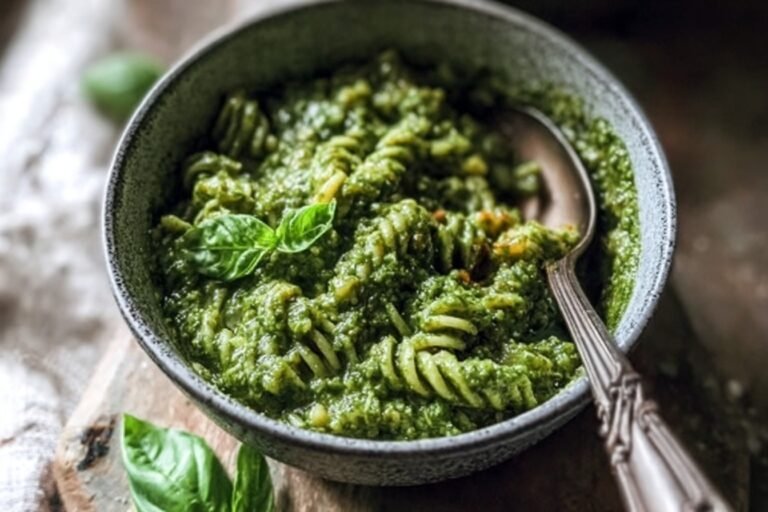
Thai Basil Pesto is one of those sauces that feels fancy, but it is actually super simple to make at home. In just 15 minutes, you can blend up a bright, punchy pesto that works with noodles, rice, toast, grilled meats, and even crackers. If you like fast recipes with big flavor, this one will become a regular in your kitchen.
- Easy to make: You only need a mini food processor and a few pantry-friendly ingredients. Wash the basil, add everything to the bowl, blend, and you are done.
- Fresh and nourishing: Thai basil brings a fragrant, herbal bite, while garlic, lime, and nuts add flavor plus useful nutrients. For more on basil’s wellness perks, see this helpful guide from Cleveland Clinic on basil benefits.
- Flexible for many diets: You can swap cashews for peanuts, use tamari instead of salt, and adjust the heat to fit your tastes. It can also be made vegan and gluten free with simple choices.
- Bold flavor: This sauce tastes different from classic pesto. Thai basil gives it a sweet, anise-like note, while lime, chilli flakes, and rice wine vinegar keep it lively and fresh.
Quick tip: this is the kind of recipe that feels like a shortcut, but still tastes homemade and special.
If you are looking for a sauce that can dress up a plain bowl of rice or make a weeknight dinner feel more exciting, Thai Basil Pesto is a solid pick. It is fast, colorful, and easy to keep on hand for busy days.
Jump to:
- Why You’ll Love This Thai Basil Pesto
- Essential Ingredients for Thai Basil Pesto
- Special dietary options
- Vegan
- Gluten-free
- Low-calorie
- How to Prepare the Perfect Thai Basil Pesto: Step-by-Step Guide
- First step: wash and dry the basil
- Second step: gather and measure everything
- Third step: add the basil and flavor builders to the processor
- Fourth step: blend into a paste
- Fifth step: taste and adjust
- Final step: store or serve
- Dietary Substitutions to Customize Your Thai Basil Pesto
- Protein and main ingredient alternatives
- Vegetable, sauce, and seasoning modifications
- Mastering Thai Basil Pesto: Advanced Tips and Variations
- Pro cooking techniques
- Flavor variations
- Presentation tips
- Make-ahead options
- How to Store Thai Basil Pesto: Best Practices
- Refrigeration
- Freezing
- Reheating
- Meal prep considerations
- Thai Basil Pesto Nutrition
- FAQs: Frequently Asked Questions About Thai Basil Pesto
- What is Thai basil pesto?
- What’s the difference between Thai basil and regular basil?
- How do you make Thai basil pesto at home?
- Can you use regular basil instead of Thai basil in pesto?
- How long does Thai basil pesto last and how do you store it?
- Thai Basil Pesto
- Ingredients
- Instructions
- Last Step:
- Notes
- Nutrition
- Did you make this recipe?
Essential Ingredients for Thai Basil Pesto
Here is the full ingredient list for this Thai Basil Pesto recipe. Every item matters, and the balance of herbs, nuts, acid, and seasoning gives the sauce its signature flavor.
- 2 cups Thai basil leaves, packed, washed, and dried – This is the heart of the pesto and gives it that sweet, peppery, slightly anise flavor.
- 2 tablespoons roasted unsalted cashew nuts – Adds creamy body and a mild, buttery taste.
- 2 tablespoons roasted unsalted peanuts – Brings a deeper nutty flavor and a little extra texture.
- 2 crushed garlic cloves – Gives the pesto its sharp, savory base.
- 1/2 teaspoon chilli flakes – Adds gentle heat, with room to increase if you like more spice.
- 60 milliliters olive oil or sesame oil – Helps blend everything into a smooth paste and gives the pesto richness.
- 1/2 teaspoon sea salt or 1 teaspoon soya sauce or tamari – Adds seasoning and depth. Tamari is a great gluten-free option.
- 1 teaspoon rice wine vinegar – Brings brightness and helps balance the richness of the nuts and oil.
- 1 teaspoon caster sugar – Softens the sharp edges and rounds out the flavor.
- Juice from 1/2 lime, to taste – Adds fresh citrus tang and wakes up the whole sauce.
Special dietary options
Vegan
This recipe is already vegan as written, since it does not use cheese. If you choose soya sauce instead of salt, just make sure the brand fits your diet preferences.
Gluten-free
Use tamari instead of regular soya sauce for a gluten-free version. All the other ingredients are naturally gluten free.
Low-calorie
For a lighter version, use a little less oil and loosen the pesto with a splash of water or extra lime juice. You can also serve smaller portions since the flavor is strong.
| Ingredient | Role in the Pesto | Easy Swap |
|---|---|---|
| Thai basil | Main herb flavor | Italian basil for part of the amount |
| Cashews and peanuts | Texture and richness | Use just one nut type |
| Olive or sesame oil | Creates the paste | Canola or grapeseed oil |
| Sea salt | Seasoning | Soya sauce or tamari |
How to Prepare the Perfect Thai Basil Pesto: Step-by-Step Guide
Making Thai Basil Pesto at home is fast and beginner friendly. You do not need special cooking skills, and there is no stove work at all. The whole recipe takes about 15 minutes from start to finish, which makes it great for busy parents, students, working professionals, and anyone who wants a quick flavor boost.
First step: wash and dry the basil
Start by washing 2 cups of Thai basil leaves well. Shake off the water, then pat them dry or let them air dry until there is no visible moisture. This matters because extra water can make the pesto thin and can shorten its shelf life. Since Thai basil leaves are sturdy, they hold up well once dried and ready for blending.
Second step: gather and measure everything
Before blending, measure out all your ingredients so the process feels smooth. You will need the roasted cashews, roasted peanuts, crushed garlic cloves, chilli flakes, oil, salt or soya sauce or tamari, rice wine vinegar, caster sugar, and lime juice. Having everything ready also helps you taste and adjust faster at the end.
Third step: add the basil and flavor builders to the processor
Place the dried basil leaves into a mini food processor. Add the cashews, peanuts, garlic, chilli flakes, oil, sea salt or soya sauce or tamari, rice wine vinegar, caster sugar, and lime juice. If you are using sesame oil, expect a nuttier finish. If you want a lighter taste, olive oil is a nice choice.
Fourth step: blend into a paste
Pulse the mixture a few times first so the nuts and garlic break down. Then blend until the ingredients form a thick paste. Stop a few times to scrape down the sides of the bowl so every bit gets mixed in. If the blades start struggling, add a tiny splash more oil, just enough to help it move. You can keep the texture chunky if you like a rustic pesto, or blend longer for a smoother sauce.
Fifth step: taste and adjust
Once the pesto looks blended, taste it. This is where you make it yours. Add more lime juice if it needs brightness. If you want more heat, add a little more chilli flakes. If the flavor seems flat, a tiny pinch more salt or a splash of tamari can help. The best Thai Basil Pesto usually has a mix of salty, citrusy, herby, and nutty notes all working together.
Final step: store or serve
Spoon the pesto into a clean jar or airtight container. Drizzle a thin layer of oil over the top to cover the surface, then seal tightly. It can be refrigerated for up to a week or frozen for up to 4 months. Serve it right away on toast with avocado and tomato, stirred into noodles or pasta, spooned over rice, or used as a condiment for steak, chicken, or fish. It is also great spread on crackers for a quick snack.
Best results come from tasting as you go. Thai basil pesto should feel bright, balanced, and bold, not heavy.

Dietary Substitutions to Customize Your Thai Basil Pesto
Protein and main ingredient alternatives
This recipe does not rely on a main protein, which makes it very flexible. If you are serving it with a protein, the pesto pairs well with steak, chicken, fish, tofu, or shrimp. If Thai basil is hard to find, use Italian basil for part or all of the amount. The flavor will be softer, but still very good. You can also use only cashews or only peanuts if that is what you have on hand.
Vegetable, sauce, and seasoning modifications
You can change the seasonings to fit your pantry or your diet. Swap sea salt for soya sauce or tamari for a deeper savory taste. If you want a different oil, olive, canola, or grapeseed oil all work well. For more heat, add extra chilli flakes. For less heat, start with half the amount and build up slowly. If you want a brighter finish, add more lime juice at the end. If you prefer a slightly sweeter edge, keep the caster sugar as written, or reduce it a little for a sharper sauce.
For a lower-fat version, use less oil and a bit more lime juice or a small splash of water to help the blades move. That said, the classic version has a rich texture that works well for dipping and tossing.
Mastering Thai Basil Pesto: Advanced Tips and Variations
Once you make Thai Basil Pesto a few times, it gets easy to tweak it for your own taste. A few small changes can give you a smoother sauce, a chunkier texture, or a bolder flavor depending on how you plan to use it.
Pro cooking techniques
For the best texture, start by pulsing the nuts and garlic first. This helps break them down before the basil goes in. If your pesto tastes a little harsh, let it sit for 5 to 10 minutes after blending. The flavors settle and mellow a bit. Scraping down the sides of the bowl while blending also keeps the paste even and avoids dry patches.
Flavor variations
Try swapping some of the lime juice for a little extra rice wine vinegar if you want more tang. If you like a sweeter sauce, add a touch more caster sugar. If you want a stronger Thai feel, use sesame oil and a little tamari. For a milder version, reduce the chilli flakes and lean more on the basil and nuts. If you enjoy a more classic pesto texture, blend less. If you want a silky spoonable sauce, blend a bit longer.
Presentation tips
For serving, spoon the pesto over warm rice noodles or spread it in a thin layer over toast before topping with avocado and tomato. A few torn basil leaves on top look nice and give a fresh finish. It also looks great in a small bowl with a drizzle of oil and a sprinkle of chilli flakes.
Make-ahead options
This is a smart make-ahead sauce for meal prep. Make a batch on Sunday, divide it into small containers, and keep one in the fridge while freezing the rest. That way, you have a quick flavor booster ready for lunches and dinners all week. If you want more ideas for fun recipes to serve at parties, you might also like this rich and festive Christmas cocktail recipe for your next gathering.
How to Store Thai Basil Pesto: Best Practices
Good storage keeps the color brighter and the flavor fresher. Since this pesto has no cheese, it stores a little better than many classic versions.
Refrigeration
Spoon the pesto into a jar or airtight container, then drizzle oil on top to cover the surface. This helps slow down browning. Keep it in the refrigerator for up to one week. Always use a clean spoon when scooping it out so it stays fresh longer.
Freezing
For longer storage, freeze the pesto for up to 4 months. A small jar, silicone tray, or ice cube tray works well. Once frozen, pop the cubes into a freezer bag so you can grab just what you need later. This is handy for students, busy parents, and meal preppers who want quick flavor without extra work.
Reheating
You usually do not need to heat Thai Basil Pesto. If you add it to hot pasta, soups, or rice, let the heat from the food warm it gently. If frozen, thaw it in the fridge or let a cube sit at room temperature for a short time before using. Avoid overheating it, since that can dull the fresh flavor.
Meal prep considerations
Batch cooking works especially well here. Make one batch and split it into small portions so you can use it on toast, in noodles, or as a quick sauce for grilled protein. If you like bright sauces that travel well, you may also enjoy browsing this Thai basil pesto inspiration for more serving ideas and variations.
Thai Basil Pesto Nutrition
Here is the nutritional information for this Thai Basil Pesto recipe. Keep in mind that exact values can vary depending on the oil, nuts, and brands you use.
| Nutrient | Amount |
|---|---|
| Calories | 794 kilocalories |
| Carbohydrates | 17 grams |
| Protein | 11 grams |
| Fat | 79 grams |
| Saturated Fat | 11 grams |
| Polyunsaturated Fat | 12 grams |
| Monounsaturated Fat | 53 grams |
| Sodium | 1190 milligrams |
| Potassium | 467 milligrams |
| Fiber | 4 grams |
| Sugar | 5 grams |
| Vitamin A | 2829 IU |
| Vitamin C | 11 milligrams |
| Calcium | 129 milligrams |
| Iron | 4 milligrams |
Because the recipe is made with nuts and oil, it is rich and filling, so a little goes a long way. That makes it useful as a sauce, spread, or flavor boost rather than something you need in a huge amount.
FAQs: Frequently Asked Questions About Thai Basil Pesto
What is Thai basil pesto?
Thai basil pesto is an Asian-inspired twist on the classic Italian pesto, swapping sweet Italian basil for pungent Thai basil and incorporating bold Southeast Asian flavors. Key ingredients include fresh Thai basil leaves, garlic, roasted peanuts or cashews (instead of pine nuts), lime juice, fish sauce for umami, and bird’s eye chilies for heat. Blend everything with neutral oil like grapeseed or peanut oil until smooth. This vibrant green sauce delivers a spicy, anise-like taste with citrusy brightness, perfect for stir-fries, noodle dishes, grilled meats, or as a dip. Unlike traditional pesto, it skips Parmesan cheese to keep it vegan-friendly and authentically Thai. Prep time is just 10 minutes, yielding about 1 cup—store in a jar with a thin oil layer on top to preserve freshness. (98 words)
What’s the difference between Thai basil and regular basil?
Thai basil leaves are narrower with serrated edges, purple stems, and sturdier texture compared to the rounded, delicate green leaves and stems of Italian sweet basil. Taste-wise, Thai basil offers a sweet, anise-liquorice flavor with mild spice, while Italian basil is fresh and sweet with black pepper and mint notes. For Thai basil pesto, the bolder profile shines, amplifying Asian ingredients like chilies and fish sauce. You can use Italian basil as a substitute, but it results in a milder, less authentic version—add extra lime or chili to compensate. Grow Thai basil in warm climates; it thrives like regular basil but prefers full sun and well-drained soil. Harvest leaves frequently to encourage bushy growth. (112 words)
How do you make Thai basil pesto at home?
To make Thai basil pesto, gather 2 cups packed Thai basil leaves, 1/4 cup roasted peanuts, 2-3 garlic cloves, 1-2 bird’s eye chilies (seeded for less heat), juice of 1 lime, 1 tbsp fish sauce, and 1/2 cup neutral oil. Pulse garlic, peanuts, and chilies in a food processor until chopped. Add basil, lime juice, and fish sauce; blend while drizzling in oil to emulsify into a smooth paste. Taste and adjust salt or acid. Avoid over-blending to keep texture. This yields 1 cup; use immediately or freeze in ice cube trays for portions. Pro tip: Toast peanuts first for deeper flavor. Total time: 10 minutes. Serve tossed with rice noodles or over grilled chicken. (118 words)
Can you use regular basil instead of Thai basil in pesto?
Yes, you can substitute regular Italian basil for Thai basil in pesto, but expect a sweeter, less spicy result without the signature anise kick. Use the same 2 cups quantity, and boost flavor with 1 tsp star anise powder, extra chili flakes, or a splash of soy sauce to mimic Thai notes. Blend as usual with peanuts, garlic, lime, fish sauce, and oil. This works well if Thai basil is unavailable at markets—check Asian grocers or grow your own from seeds. Test a small batch first. The swap keeps the recipe quick and vegan-adaptable by omitting fish sauce and using tamari. Pair with pad Thai or spring rolls for an easy fusion dish. (104 words)
How long does Thai basil pesto last and how do you store it?
Homemade Thai basil pesto lasts 5-7 days in the fridge or up to 3 months in the freezer. For fridge storage, transfer to an airtight jar, pour a thin layer of oil over the top to block air and prevent browning, and keep below 40°F (4°C). Stir before use. Freeze in ice cube trays for 1-inch portions—pop out cubes into a freezer bag for easy thawing. Avoid refreezing thawed pesto. Signs of spoilage: off smells, mold, or sliminess—discard if noticed. Without cheese, it’s more stable than Italian pesto. Use within days for peak flavor and color. Perfect for meal prep: one cube seasons a single stir-fry serving. (102 words)
Thai Basil Pesto
🌿 Experience the bold, aromatic fusion of Thai basil in this innovative pesto that brings exotic flavors to your table with healthy nuts and fresh lime.
🍜 Elevate everyday meals with this versatile Thai-Italian pesto – perfect for pasta, stir-fries, or as a dip, offering a unique twist on classic Italian sauce!
- Total Time: 15 minutes
- Yield: 1 cup (8 servings)
Ingredients
– 2 cups Thai basil leaves, packed, washed, and dried
– 2 tablespoons roasted unsalted cashew nuts
– 2 tablespoons roasted unsalted peanuts
– 2 crushed garlic cloves
– 1/2 teaspoon chilli flakes
– 60 milliliters olive oil or sesame oil
– 1/2 teaspoon sea salt or 1 teaspoon soya sauce or tamari
– 1 teaspoon rice wine vinegar
– 1 teaspoon caster sugar
– Juice from 1/2 lime, to taste
Instructions
1-First step: wash and dry the basil Start by washing 2 cups of Thai basil leaves well. Shake off the water, then pat them dry or let them air dry until there is no visible moisture. This matters because extra water can make the pesto thin and can shorten its shelf life. Since Thai basil leaves are sturdy, they hold up well once dried and ready for blending.
2-Second step: gather and measure everything Before blending, measure out all your ingredients so the process feels smooth. You will need the roasted cashews, roasted peanuts, crushed garlic cloves, chilli flakes, oil, salt or soya sauce or tamari, rice wine vinegar, caster sugar, and lime juice. Having everything ready also helps you taste and adjust faster at the end.
3-Third step: add the basil and flavor builders to the processor Place the dried basil leaves into a mini food processor. Add the cashews, peanuts, garlic, chilli flakes, oil, sea salt or soya sauce or tamari, rice wine vinegar, caster sugar, and lime juice. If you are using sesame oil, expect a nuttier finish. If you want a lighter taste, olive oil is a nice choice.
4-Fourth step: blend into a paste Pulse the mixture a few times first so the nuts and garlic break down. Then blend until the ingredients form a thick paste. Stop a few times to scrape down the sides of the bowl so every bit gets mixed in. If the blades start struggling, add a tiny splash more oil, just enough to help it move. You can keep the texture chunky if you like a rustic pesto, or blend longer for a smoother sauce.
5-Fifth step: taste and adjust Once the pesto looks blended, taste it. This is where you make it yours. Add more lime juice if it needs brightness. If you want more heat, add a little more chilli flakes. If the flavor seems flat, a tiny pinch more salt or a splash of tamari can help. The best Thai Basil Pesto usually has a mix of salty, citrusy, herby, and nutty notes all working together.
6-Final step: store or serve Spoon the pesto into a clean jar or airtight container. Drizzle a thin layer of oil over the top to cover the surface, then seal tightly. It can be refrigerated for up to a week or frozen for up to 4 months. Serve it right away on toast with avocado and tomato, stirred into noodles or pasta, spooned over rice, or used as a condiment for steak, chicken, or fish. It is also great spread on crackers for a quick snack.
Last Step:
Please leave a rating and comment letting us know how you liked this recipe! This helps our business to thrive and continue providing free, high-quality recipes for you.Notes
💡 If short on Thai basil, supplement with Italian basil leaves for a hybrid flavor.
🥜 Use only cashews or peanuts if you prefer a single nut texture.
🌶️ Start with 1/2 teaspoon chili flakes for mild heat and increase to taste for more spice.
- Prep Time: 15 minutes
- Cook Time: 0 minutes
- Category: Sauces & Condiments
- Method: Food Processor
- Cuisine: Thai-Italian Fusion
- Diet: Vegan
Nutrition
- Serving Size: 2 tablespoons
- Calories: 794 kcal (total)
- Sugar: 5g
- Sodium: 1190mg
- Fat: 79g
- Saturated Fat: 11g
- Unsaturated Fat: 65g
- Trans Fat: 0g
- Carbohydrates: 17g
- Fiber: 4g
- Protein: 11g
- Cholesterol: 0mg