Why You’ll Love These Cuban Sandwiches
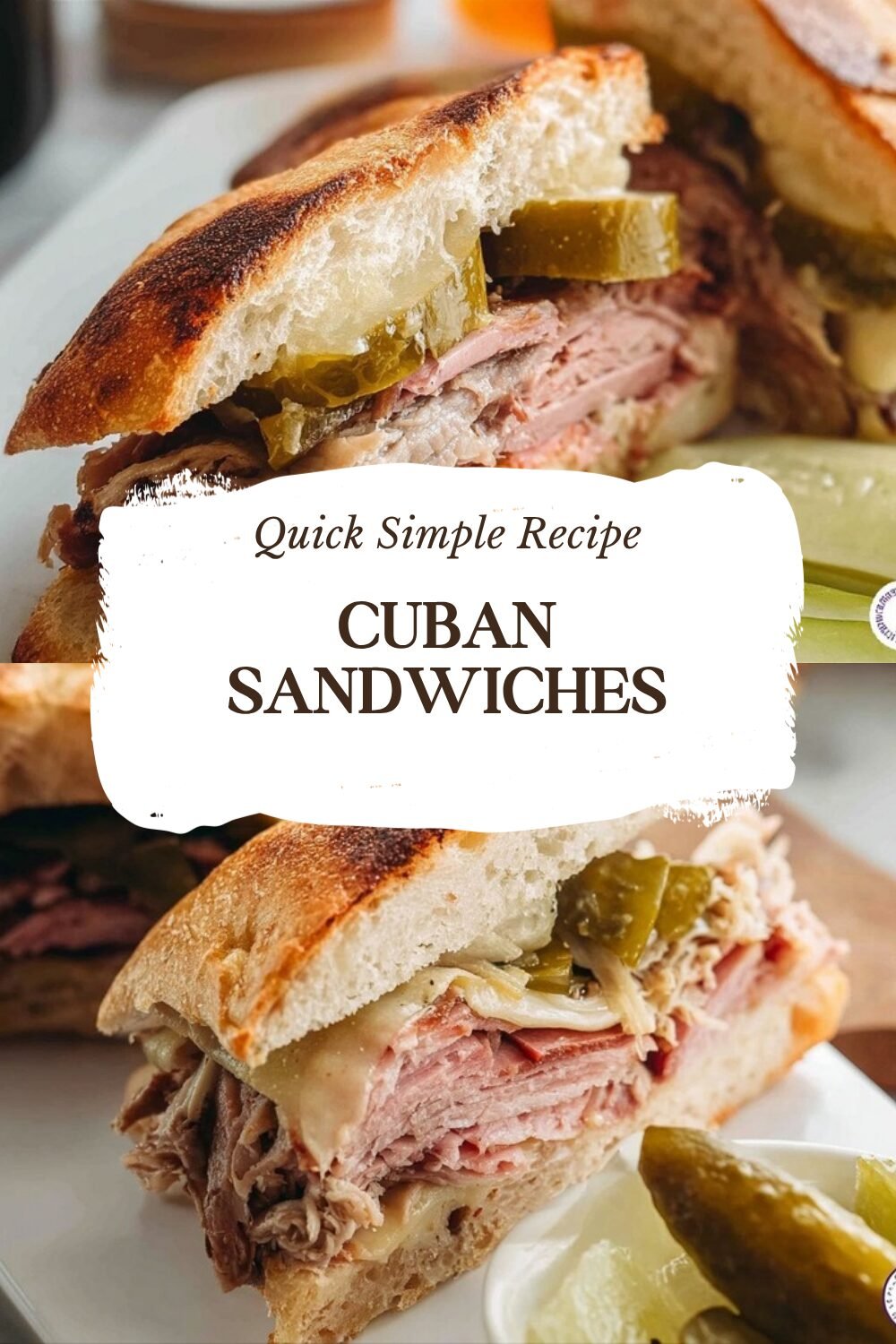
Cuban Sandwiches have stayed popular for good reason. They are simple to assemble, fast to press, and full of savory flavor from ham, roasted pork, Swiss cheese, mustard, and pickles. This classic sandwich also fits well into busy routines because it comes together in about 10 to 15 minutes, which makes it practical for lunch, dinner, or a hearty weekend meal.
- Easy preparation: The steps are direct and beginner friendly. Once the fillings are ready, the sandwich only needs a quick press in a plancha, panini press, or hot skillet.
- Balanced satisfaction: Cuban Sandwiches deliver protein from the meats, carbs from the bread, and rich flavor from the cheese and butter or oil used for brushing.
- Flexible serving: This recipe works for home cooks, students, busy parents, and party hosts because it can be made quickly and served warm with little fuss.
- Distinctive flavor: The mix of salty meats, tangy mustard, melted Swiss cheese, and dill pickles gives Cuban Sandwiches a signature taste that is easy to recognize.
For readers who want a deeper historical note, the Cuban sandwich has long been tied to Cuban communities in Florida and has regional variations that still remain part of food culture today. For background, see the history of the Cuban sandwich.
This recipe is also useful when you want a filling meal that feels traditional without requiring complicated cooking techniques. If you enjoy comforting pork dishes, you may also like this pork roast recipe for another savory family meal.
Jump to:
- Why You’ll Love These Cuban Sandwiches
- Essential Ingredients for Cuban Sandwiches
- Special Dietary Options
- How to Prepare the Perfect Cuban Sandwiches: Step-by-Step Guide
- First Step: Prepare the bread
- Second Step: Add the mustard
- Third Step: Layer the meats
- Fourth Step: Add cheese and pickles
- Fifth Step: Close and press the sandwich
- Final Step: Slice and serve
- Dietary Substitutions to Customize Your Cuban Sandwiches
- Protein and Main Component Alternatives
- Vegetable, Sauce, and Seasoning Modifications
- Mastering Cuban Sandwiches: Advanced Tips and Variations
- Pro cooking techniques
- Flavor variations
- Presentation tips
- Make-ahead options
- How to Store Cuban Sandwiches: Best Practices
- Refrigeration
- Freezing
- Reheating
- Meal prep considerations
- Nutrition Notes for Cuban Sandwiches
- FAQs: Frequently Asked Questions About Cuban Sandwiches
- Cuban Sandwiches
- Ingredients
- Instructions
- Last Step:
- Notes
- Nutrition
- Did you make this recipe?
Essential Ingredients for Cuban Sandwiches
For one sandwich, each ingredient plays a specific role in the final texture and flavor. Fresh Cuban bread gives the sandwich its crisp shell and soft center, while the meats and cheese provide the classic layered filling. The ingredients below should be measured carefully so the sandwich presses evenly and stays balanced.
- 1 loaf Cuban bread sliced into 8 to 12 inch length – The traditional bread used for Cuban Sandwiches. It should be fresh, light, and sturdy enough to hold the fillings while crisping well.
- 4 oz (113g) thinly sliced ham – Adds saltiness and a tender meat layer that blends well with the pork.
- 4 oz (113g) roasted pork – Brings the main savory flavor and makes the sandwich more substantial.
- 3 oz (85g) Swiss cheese slices – Melts smoothly and creates the creamy layer that helps bind the sandwich.
- 4 to 6 dill pickle slices – Add tang and crunch, which balance the rich meats and cheese.
- 1 to 2 tbsp yellow mustard – Provides the classic sharp bite that defines Cuban Sandwiches.
- Optional 2 oz (57g) salami for Tampa style – Used in the Tampa variation, which gives the sandwich a deeper cured meat flavor.
- 1 tbsp butter or olive oil for brushing – Helps the bread brown evenly and develop a crisp exterior.
Special Dietary Options
- Vegan: Use plant-based deli slices, vegan cheese, and a mustard spread on vegan Cuban-style bread if available.
- Gluten-free: Choose gluten-free sandwich bread that can be pressed without falling apart.
- Low-calorie: Use less cheese, a lighter layer of meat, and a smaller amount of butter or oil for brushing.
| Ingredient | Purpose in Cuban Sandwiches |
|---|---|
| Cuban bread | Creates the classic texture and shape |
| Ham and roasted pork | Provide the main savory filling |
| Swiss cheese | Melts and helps hold the sandwich together |
| Pickles and mustard | Add acidity and balance the richness |
| Butter or olive oil | Helps brown the bread during pressing |
How to Prepare the Perfect Cuban Sandwiches: Step-by-Step Guide
Making Cuban Sandwiches is a straightforward process, but the order of the layers and the pressing method matter. The sandwich should be assembled tightly, then cooked under weight so the bread becomes golden and crisp while the cheese melts completely. This method works well for lunch at home, a quick dinner, or food preparation for a gathering.
First Step: Prepare the bread
Slice the Cuban bread lengthwise so you have a top and bottom half. Brush both cut sides with 1 tbsp butter or olive oil. This helps the bread toast evenly and gives the crust a rich, crisp finish.
Second Step: Add the mustard
Spread 1 to 2 tbsp yellow mustard on the bottom half of the bread. Keep the layer even, but not too thick. The mustard should support the flavor without overpowering the meats.
Third Step: Layer the meats
Place 4 oz thinly sliced ham over the mustard, then add 4 oz roasted pork. If you want the Tampa style version, add 2 oz salami at this stage. The meats should be spread evenly so the sandwich presses into a flat, uniform shape.
Fourth Step: Add cheese and pickles
Lay 3 oz Swiss cheese slices over the meat, then add 4 to 6 dill pickle slices. The cheese should sit close to the hot surface when pressed, so it melts into the other layers and holds the filling together.
Fifth Step: Close and press the sandwich
Place the top half of the bread over the fillings. Press the sandwich in a plancha, panini press, or hot skillet with a heavy weight on top. Cook for about 5 to 7 minutes per side until the bread is golden, the crust is crisp, and the cheese has melted.
Final Step: Slice and serve
Remove the sandwich from the heat, let it rest briefly, then cut it diagonally into halves. Serving it this way makes it easier to handle and gives the sandwich a classic presentation.
The best Cuban Sandwiches depend on fresh Cuban bread, even pressure, and a hot cooking surface. Those three details are the difference between a good sandwich and a memorable one.
For another quick protein-rich meal idea, you can pair sandwich planning with air fryer chicken breast on a weekly menu.

Dietary Substitutions to Customize Your Cuban Sandwiches
Although the classic version follows a clear tradition, some cooks need substitutions for dietary reasons or ingredient availability. Small adjustments can keep the sandwich satisfying while fitting different eating styles. The key is to preserve the balance of salty, tangy, and melty components.
Protein and Main Component Alternatives
If ham or pork is unavailable, use sliced roasted turkey, chicken, or plant-based deli slices. For a lighter sandwich, reduce the meat portions while keeping the same bread, mustard, cheese, and pickles. Those who want a Tampa style taste can include the salami, while those following South Florida tradition should leave it out.
Vegetable, Sauce, and Seasoning Modifications
Cuban Sandwiches are traditionally simple and should not include lettuce, tomatoes, or mayo. However, if you are making a modern variation for personal taste, you can add thin cucumber slices, a little hot mustard, or a milder cheese. Vegan versions can use plant-based mustard-friendly fillings, while gluten-free versions need bread that presses well and does not crumble.
For seasoning, the classic profile should stay restrained. The mustard, pickles, and cured meats already provide strong flavor, so extra spices are usually not needed. If you like a stronger savory note, you can serve the sandwich with a small side of extra mustard rather than changing the filling.
Mastering Cuban Sandwiches: Advanced Tips and Variations
Small technique choices can change the result of Cuban Sandwiches in a noticeable way. The correct pressure, bread freshness, and heat level all affect the final texture. Once you understand the basic method, you can adjust the sandwich for texture, serving style, and timing.
Pro cooking techniques
Use a plancha whenever possible because it gives the most authentic pressed finish. If you are using a skillet, place a smaller pan or heavy object on top to apply steady pressure. Keep the heat at medium so the bread browns before the cheese burns. A good press should create a crisp exterior with a soft, hot center.
Flavor variations
The Tampa version includes salami for a richer cured meat taste. The South Florida version leaves it out and stays closer to the standard combination of ham, pork, Swiss cheese, pickles, and mustard. Some cooks also like a slightly sharper mustard layer, while others prefer a lighter spread to keep the pork more prominent.
Presentation tips
Serve Cuban Sandwiches on a warm cutting board or a simple plate with the diagonal cut facing upward. A small pickle spear or a few extra pickle slices on the side can help the sandwich look complete. The pressed grill marks also add visual appeal and signal the crisp texture inside.
Make-ahead options
You can cook the roasted pork ahead of time and keep it chilled until ready to assemble. The bread should be fresh on the day of serving, since stale bread will not press as well. If you are preparing sandwiches for a party, assemble them close to cooking time so the bread does not soften.
How to Store Cuban Sandwiches: Best Practices
Cuban Sandwiches are best when served fresh, but leftovers can still be handled properly with a few simple steps. The main goal is to keep the bread from becoming too soft and to reheat the sandwich without drying out the meats or burning the crust.
Refrigeration
Wrap leftover sandwiches tightly in foil or place them in an airtight container. Refrigerate them for up to 2 days. For the best texture, keep the sandwich whole rather than slicing it until reheating time.
Freezing
Freezing is possible, but the bread texture may change. For better results, freeze the fillings separately if you plan ahead. If you freeze an assembled sandwich, wrap it tightly and use it within 1 month for the best quality.
Reheating
Reheat Cuban Sandwiches in a skillet, panini press, or oven until hot throughout. Avoid the microwave if you want to keep the crust crisp. A skillet over medium heat works well because it brings back the toasted exterior while warming the center.
Meal prep considerations
For batch cooking, prepare the pork, slice the cheese, and portion the pickles ahead of time. Assemble only the sandwiches you plan to cook soon. This keeps the bread fresh and prevents sogginess.
Nutrition Notes for Cuban Sandwiches
The nutrition of Cuban Sandwiches varies by portion size and ingredient choice. A typical sandwich contains protein from the ham, roasted pork, and optional salami, carbs from the bread, and fats from the cheese and butter or oil. Based on the classic ingredients listed here, one sandwich is approximately 800 to 1000 calories.
| Nutrient Aspect | General Contribution |
|---|---|
| Protein | High, from ham, pork, cheese, and optional salami |
| Carbohydrates | Provided mainly by Cuban bread |
| Fats | From Swiss cheese, butter, olive oil, and cured meats |
| Total calories | About 800 to 1000 per sandwich |
If you are watching portions, reducing the cheese, using less butter, or choosing a smaller bread portion can lower the calorie count while keeping the sandwich recognizable.
For broader nutrition reference on similar cured meats, see ham nutrition information.
FAQs: Frequently Asked Questions About Cuban Sandwiches
Print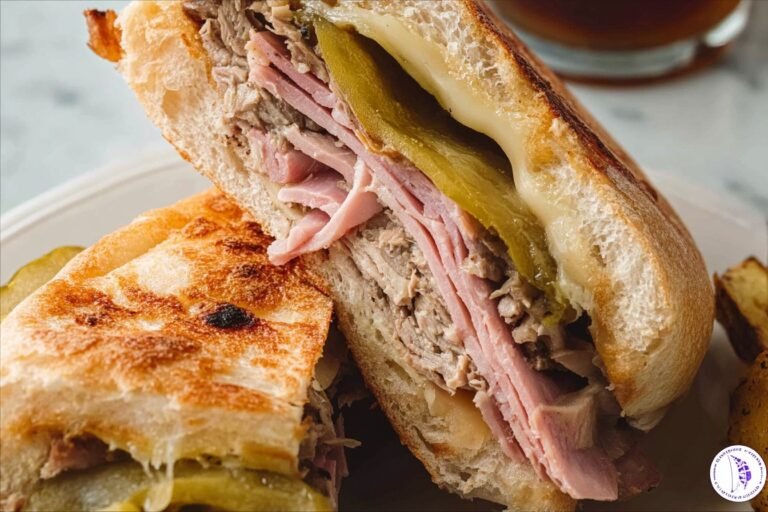
Cuban Sandwiches
🥪 Dive into layers of savory ham, roasted pork, melty Swiss cheese, and tangy pickles pressed between crispy Cuban bread for an irresistible authentic bite.
🇨🇺 Enjoy easy, foolproof steps to recreate Miami’s iconic sandwich at home – perfect for quick lunches with bold flavors and minimal cleanup!
- Total Time: 25-30 minutes
- Yield: 1 sandwich
Ingredients
– 1 loaf Cuban bread sliced into 8 to 12 inch length
– 4 oz (113g) thinly sliced ham
– 4 oz (113g) roasted pork
– 3 oz (85g) Swiss cheese slices
– 4 to 6 dill pickle slices
– 1 to 2 tbsp yellow mustard
– Optional 2 oz (57g) salami for Tampa style
– 1 tbsp butter or olive oil for brushing
Instructions
1-First Step: Prepare the bread Slice the Cuban bread lengthwise so you have a top and bottom half. Brush both cut sides with 1 tbsp butter or olive oil. This helps the bread toast evenly and gives the crust a rich, crisp finish.
2-Second Step: Add the mustard Spread 1 to 2 tbsp yellow mustard on the bottom half of the bread. Keep the layer even, but not too thick. The mustard should support the flavor without overpowering the meats.
3-Third Step: Layer the meats Place 4 oz thinly sliced ham over the mustard, then add 4 oz roasted pork. If you want the Tampa style version, add 2 oz salami at this stage. The meats should be spread evenly so the sandwich presses into a flat, uniform shape.
4-Fourth Step: Add cheese and pickles Lay 3 oz Swiss cheese slices over the meat, then add 4 to 6 dill pickle slices. The cheese should sit close to the hot surface when pressed, so it melts into the other layers and holds the filling together.
5-Fifth Step: Close and press the sandwich Place the top half of the bread over the fillings. Press the sandwich in a plancha, panini press, or hot skillet with a heavy weight on top. Cook for about 5 to 7 minutes per side until the bread is golden, the crust is crisp, and the cheese has melted.
6-Final Step: Slice and serve Remove the sandwich from the heat, let it rest briefly, then cut it diagonally into halves. Serving it this way makes it easier to handle and gives the sandwich a classic presentation.
Last Step:
Please leave a rating and comment letting us know how you liked this recipe! This helps our business to thrive and continue providing free, high-quality recipes for you.Notes
🥖 Fresh Cuban bread is essential for the authentic chewy crust and soft interior.
🔥 Use a plancha or heavy skillet to press for that perfect crispy exterior.
❌ Stick to tradition: no lettuce, tomatoes, or mayo in a classic Cuban sandwich.
- Prep Time: 15 minutes
- Cook Time: 10-14 minutes
- Category: Sandwiches
- Method: Griddled
- Cuisine: Cuban
- Diet: High-Protein
Nutrition
- Serving Size: 1 sandwich
- Calories: 900 kcal
- Sugar: 5g
- Sodium: 2200mg
- Fat: 45g
- Saturated Fat: 15g
- Unsaturated Fat: 25g
- Trans Fat: 0g
- Carbohydrates: 70g
- Fiber: 3g
- Protein: 45g
- Cholesterol: 150mg