Why You’ll Love This Pork Roast
Pork roast is a comforting meal that’s both simple and satisfying, making it a go-to option for busy days. This recipe stands out with its ease of preparation, using just a few steps to deliver tender results every time. You’ll appreciate how it fits into a balanced diet, offering protein and essential nutrients without overwhelming your routine.
Beyond the basics, this pork roast brings health benefits by providing lean protein that supports muscle health and energy levels. Its versatility allows you to tweak flavors for different preferences, whether you’re cooking for family or adapting for special diets. With a blend of herbs and spices, it delivers a rich taste that makes every bite memorable and enjoyable for home cooks like you.
To expand on its appeal, pork roast works well for gatherings or quick weeknight dinners, appealing to busy parents and food enthusiasts alike. This dish can be paired with sides like vegetables or grains to round out a meal, keeping things fresh and exciting. Overall, it’s a reliable choice that brings warmth and flavor to your table without much fuss.
More on Ease and Adaptability
For those new to cooking, this pork roast recipe is forgiving and straightforward, requiring minimal tools and time. It’s perfect for students or working professionals looking for nutritious meals on a budget. The preparation takes about 2 knobethours and 25 minutes, including prep, cooking, and resting, so you can plan around your schedule easily.
A 6-ounce serving packs around 494 calories, with 39 grams of protein to keep you full and satisfied. This makes it ideal for diet-conscious individuals aiming for balanced nutrition while enjoying flavorful food.
Jump to:
- Why You’ll Love This Pork Roast
- More on Ease and Adaptability
- Essential Ingredients for Pork Roast
- Why These Ingredients Work
- How to Prepare the Perfect Pork Roast: Step-by-Step Guide
- Tips for Success
- Dietary Substitutions to Customize Your Pork Roast
- Building Your Own Version
- Mastering Pork Roast: Advanced Tips and Variations
- Pro Enhancements
- How to Store Pork Roast: Best Practices
- FAQs: Frequently Asked Questions About Pork Roast
- How long does it take to cook a pork roast in the oven?
- What is the safe internal temperature for pork roast?
- Should I choose a boneless or bone-in pork roast, and how does it affect cooking?
- How should I rest and store a cooked pork roast?
- What’s the best cut of pork to use for a roast that stays juicy?
- Pork Roast
- Ingredients
- Instructions
- Last Step:
- Notes
- Nutrition
- Did you make this recipe?
Essential Ingredients for Pork Roast
Gathering the right ingredients is key to a great pork roast, and this recipe uses simple items that pack a punch of flavor. Below is a complete list of everything you’ll need, based on precise measurements for success. Each item helps create a tender, juicy result that’s easy to prepare at home.
- Olive oil spray – for coating the rack and roast
- 1 tablespoon kosher salt (or ½ tablespoon if using a different kosher salt) – for seasoning and enhancing flavors
- ½ teaspoon black pepper – to add a bit of heat and balance
- 1 tablespoon garlic powder – for an aromatic boost
- 1 tablespoon paprika (regular or smoked) – to bring warm, smoky notes
- 1 teaspoon dried sage – for a subtle, earthy touch
- 1 teaspoon dried thyme – to round out the herb profile
- 3 pounds (approximately 1.36 kg) boneless pork shoulder butt roast – the star of the show, providing tender meat
This list covers all the essentials, making it straightforward to shop and cook. For special dietary options, you can swap the pork for a large portobello mushroom or seitan if going vegan, or ensure spices are gluten-free for those restrictions. Keeping measurements exact helps achieve the best texture and taste.
Why These Ingredients Work
Each ingredient plays a role in building layers of flavor, from the herbs that add freshness to the spices that create a savory crust. For example, the boneless pork shoulder stays juicy thanks to its fat content, which is why it’s recommended over leaner cuts. Remember, a quick guide to garlic recipes on our site can inspire more ways to use garlic powder effectively.
How to Prepare the Perfect Pork Roast: Step-by-Step Guide
Creating a delicious pork roast starts with simple steps that lead to amazing results. First, line a rimmed baking sheet with foil and place a wire rack on top; spray the wire rack with olive oil to prevent sticking. In a small bowl, mix 1 tablespoon kosher salt, ½ teaspoon black pepper, 1 tablespoon garlic powder, 1 tablespoon paprika, 1 teaspoon dried sage, and 1 teaspoon dried thyme to make the spice rub.
Next, pat the 3 pounds of boneless pork shoulder dry and place it fat side up on the prepared rack. Rub the spice mixture evenly over the roast and spray the top with olive oil for extra crispness. Let the roast sit at room temperature for 30 minutes to absorb the flavors, then preheat your oven to 425°F (220°C).
Roast the pork for 15 minutes to get a nice sear, then lower the oven to 375°F (190°C) and continue cooking until the internal temperature hits 145°F (63°C), which takes about 75 minutes or 25 minutes per pound. Once done, remove it from the oven, loosely tent with foil, and let it rest for 20 minutes before slicing. If the roast is tied with butcher twine, take it off before serving for even slices.
Tips for Success
Allowing the roast to rest for 20 minutes helps juices redistribute, keeping the meat moist and tender. Use an oven-safe meat thermometer to check that the center reaches 145°F, avoiding the bone if present. For dietary tweaks, you can adapt seasonings based on preferences, making this recipe flexible for everyone from beginners to experienced cooks.
The total preparation time is about 2 hours and 25 minutes, including prep and cooking. A guide to pork variations on our blog offers more ideas if you want to experiment.

Dietary Substitutions to Customize Your Pork Roast
Making pork roast work for your needs is easy with a few swaps. For protein options, try turkey breast or chicken instead of pork for a leaner meal, or go plant-based with marinated tofu. These changes keep the dish hearty while fitting different diets.
When it comes to veggies and seasonings, swap in squash or zucchini for variety, and use tamari in place of soy sauce for gluten-free versions. Adjust spices to be milder or bolder based on taste, like reducing salt for low-sodium needs. This way, you can enjoy a customized pork roast that’s both healthy and flavorful.
Building Your Own Version
Experimenting with substitutions adds fun to cooking, especially for party hosts or baking enthusiasts. For instance, a honey glaze can bring sweetness, tying into nutritional benefits like the 36 grams of fat per serving that add richness without overwhelming the plate.
Mastering Pork Roast: Advanced Tips and Variations
Taking your pork roast skills further involves smart techniques and creative twists. Use a meat thermometer for perfect doneness, and consider slow roasting to make the meat even more tender. Flavor variations might include adding cumin for a global flair or a honey glaze for sweetness that complements the herbs.
Presentation matters too, so slice the pork thinly against the grain and serve on warm plates with garnishes like fresh herbs. For make-ahead meals, prepare the spice rub ahead and let the pork marinate overnight to save time on busy days. This approach works great for travelers or seniors looking for easy reheating options.
| Tips Category | Details |
|---|---|
| Cooking Method | Try searing first for a crust, then roast for juiciness |
| Storage | Refrigerate for 3-4 days or freeze for three months |
Pro Enhancements
As you gain confidence, choose pork shoulder for its juiciness over leaner cuts. Leftovers reheat gently, maintaining that 39 grams of protein per serving for nutritious meals ahead.
How to Store Pork Roast: Best Practices
Proper storage keeps your pork roast fresh and tasty. Put leftovers in an airtight container in the fridge for up to 3-4 days to lock in flavor. For longer hold, wrap it tightly and freeze for 2-3 months without losing quality.
When reheating, use a low oven or microwave to keep it moist and avoid drying out. Meal prep by portioning into servings for quick grabs, which helps busy parents or working professionals stay on track. Thaw frozen roasts in the fridge overnight for the freshest taste.
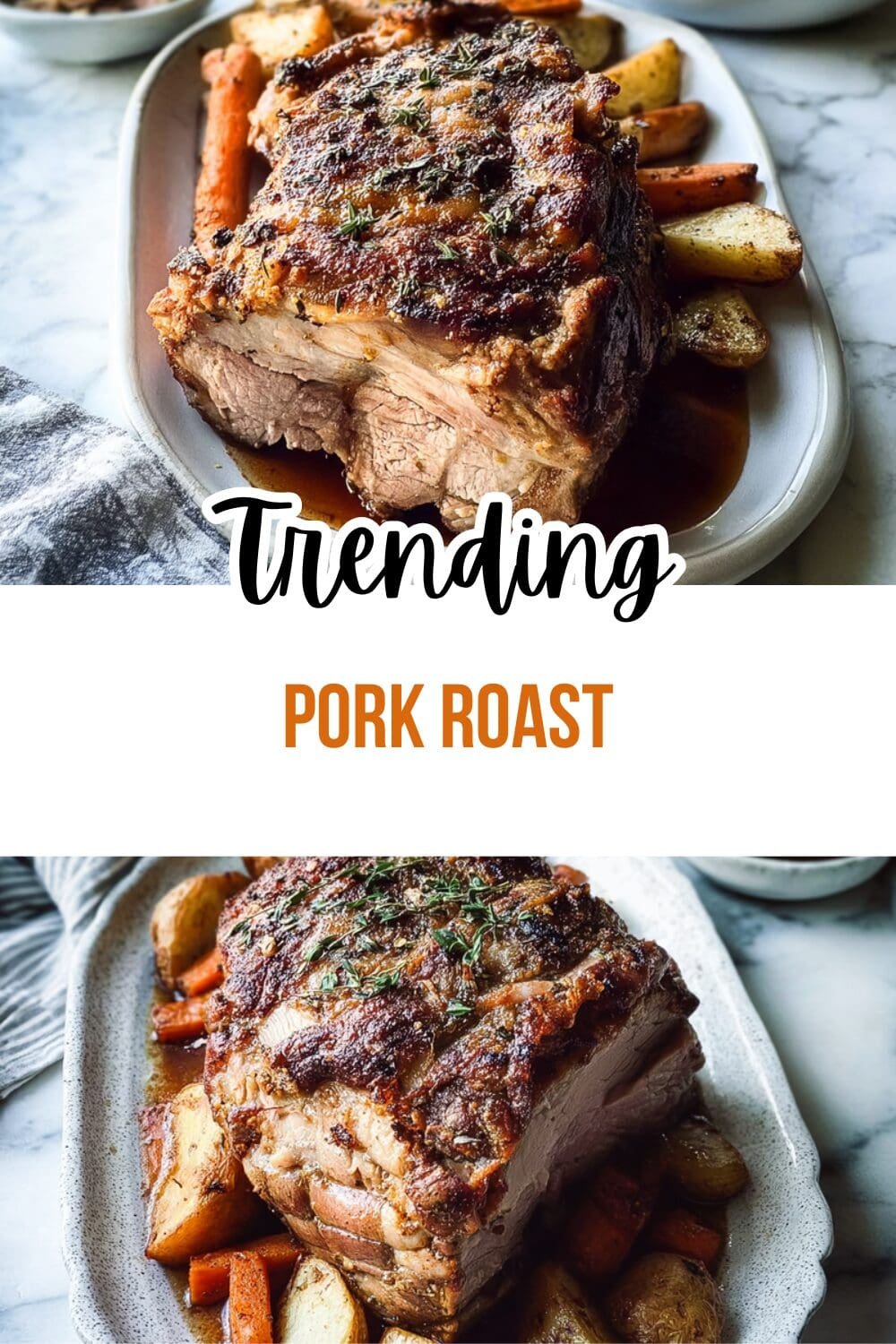
FAQs: Frequently Asked Questions About Pork Roast
How long does it take to cook a pork roast in the oven?
After browning the pork roast for the first 15 minutes in a hot oven, plan to cook it for about 25 minutes per pound. The most accurate way to know when it’s done is by using a meat thermometer. The internal temperature should reach 145°F. Once at this temperature, allow the roast to rest before slicing for the best texture and juiciness.
What is the safe internal temperature for pork roast?
The USDA recommends cooking whole pork roasts to an internal temperature of 145°F, followed by a 3-minute rest. This temperature keeps the pork juicy and may show a slight pink color inside, which is safe to eat. Cooking the pork to higher temperatures like 160°F can dry out the meat.
Should I choose a boneless or bone-in pork roast, and how does it affect cooking?
Boneless pork roasts are easier to slice and serve, making them a popular choice. Bone-in roasts can add flavor and are sometimes preferred for making broth or soup afterward. When using a bone-in roast, place the thermometer probe in the thickest part of the meat, avoiding the bone, to get an accurate temperature reading.
How should I rest and store a cooked pork roast?
After cooking, let the pork roast rest uncovered for at least 20 minutes to allow juices to redistribute, which keeps the meat moist. For leftovers, store them in an airtight container in the refrigerator for 3 to 4 days. To preserve longer, freeze leftovers for up to three months, thawing them overnight in the refrigerator before reheating.
What’s the best cut of pork to use for a roast that stays juicy?
Pork shoulder is ideal for roasting because it contains enough fat to remain tender and juicy during cooking. In contrast, pork loin is much leaner and more likely to dry out if cooked for a long time. Choosing pork shoulder helps achieve a flavorful, moist roast.
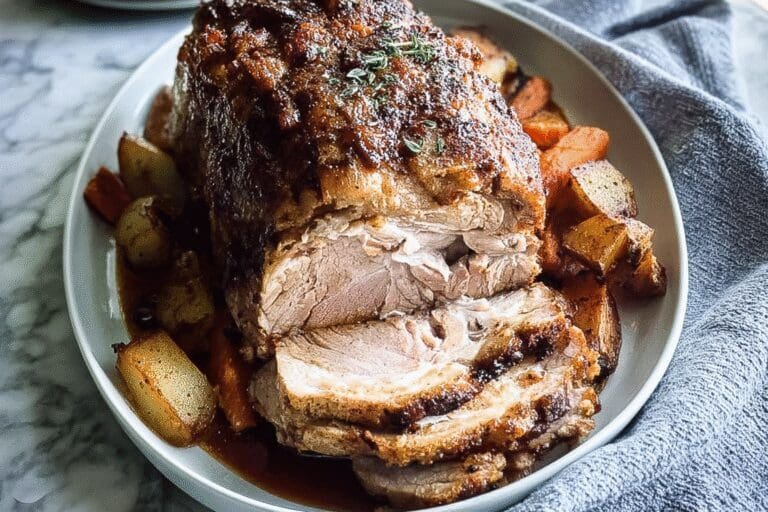
Pork Roast
🐖 Easy Pork Roast Recipes offer tender, juicy meat infused with a flavorful blend of spices, perfect for satisfying family dinners.
🔥 This recipe is simple to follow and ensures a beautifully browned crust with a moist interior every time you cook.
- Total Time: 2 hours 25 minutes
- Yield: 6 servings
Ingredients
– olive oil spray for coating the rack and roast
– 1 tablespoon kosher salt for seasoning and enhancing flavors
– ½ teaspoon black pepper to add a bit of heat and balance
– 1 tablespoon garlic powder for an aromatic boost
– 1 tablespoon paprika to bring warm, smoky notes
– 1 teaspoon dried sage for a subtle, earthy touch
– 1 teaspoon dried thyme to round out the herb profile
– 3 pounds boneless pork shoulder butt roast the star of the show, providing tender meat
Instructions
1-Creating a delicious pork roast starts with simple steps that lead to amazing results. First, line a rimmed baking sheet with foil and place a wire rack on top; spray the wire rack with olive oil to prevent sticking. In a small bowl, mix 1 tablespoon kosher salt, ½ teaspoon black pepper, 1 tablespoon garlic powder, 1 tablespoon paprika, 1 teaspoon dried sage, and 1 teaspoon dried thyme to make the spice rub.
2-Next, pat the 3 pounds of boneless pork shoulder dry and place it fat side up on the prepared rack. Rub the spice mixture evenly over the roast and spray the top with olive oil for extra crispness. Let the roast sit at room temperature for 30 minutes to absorb the flavors, then preheat your oven to 425°F (220°C).
3-Roast the pork for 15 minutes to get a nice sear, then lower the oven to 375°F (190°C) and continue cooking until the internal temperature hits 145°F (63°C), which takes about 75 minutes or 25 minutes per pound. Once done, remove it from the oven, loosely tent with foil, and let it rest for 20 minutes before slicing. If the roast is tied with butcher twine, take it off before serving for even slices.
Last Step:
Please leave a rating and comment letting us know how you liked this recipe! This helps our business to thrive and continue providing free, high-quality recipes for you.Notes
⏲ Allow the roast to rest for 20 minutes after cooking to redistribute juices and avoid dryness.
🔥 Keep the roast uncovered during cooking for proper browning; tent with foil if it darkens too quickly.
🌡 Use an oven-safe meat thermometer to check the internal temperature, avoiding contact with any bone.
🐷 Opt for pork shoulder over leaner cuts like pork loin for better juiciness.
❄️ Leftovers keep for 3-4 days refrigerated or up to three months frozen; thaw in fridge before reheating.
- Prep Time: 40 minutes
- Cook Time: 1 hour 30 minutes
- Cook Time: 1 hour 30 minutes
- Category: Main Dish
- Method: Roasting
- Cuisine: American
- Diet: Gluten-Free
Nutrition
- Serving Size: 6 ounces (170 grams)
- Calories: 494
- Sugar: 0g
- Sodium: 390mg
- Fat: 36g
- Saturated Fat: 13g
- Unsaturated Fat: 20g
- Trans Fat: 0g
- Carbohydrates: 0g
- Fiber: 0g
- Protein: 39g
- Cholesterol: 120mg