Why You’ll Love This Baked Potato Casserole
This baked potato casserole brings together hearty flavors that make it a go-to dish for family meals. Its creamy texture and savory toppings create a comforting experience that feels just right on busy nights. You’ll find it simple to whip up with everyday ingredients that deliver big on taste without much effort.
One reason to try this recipe is its ease of making it quickly, perfect for those hectic weeknights when time is short. The straightforward steps mean even new cooks can handle it in under an hour, turning basic potatoes into a warm, filling meal. Plus, it’s packed with nutrients from the potatoes, offering vitamins and fiber that support your daily energy needs.
Another highlight is how it fits various lifestyles, whether you’re watching calories or avoiding certain foods. You can tweak the ingredients to make it vegan or gluten-free, so everyone at the table enjoys it. The mix of cheese, bacon, and seasonings gives it a rich flavor that stands out, making every bite satisfying and fun to eat.
Benefits for Everyday Life
For busy parents and working professionals, this dish saves time while still feeling special. Home cooks will appreciate how it uses common items from the kitchen, like potatoes and cheese, to build something impressive. Students and seniors might like its simple prep, and food enthusiasts can experiment with twists to keep things exciting.
- It takes just 30 minutes to prepare and another 30 minutes to cook, fitting into tight schedules.
- The natural carbs from potatoes provide steady energy, great for active folks like travelers or party hosts.
- With options for diet tweaks, it appeals to baking enthusiasts and diet-conscious individuals alike.
As you enjoy this casserole, think about how it adapts to your needs, from adding veggies for extra health to keeping it classic for comfort. This makes it a versatile choice that brings people together over shared meals.
Jump to:
- Why You’ll Love This Baked Potato Casserole
- Benefits for Everyday Life
- Essential Ingredients for Baked Potato Casserole
- Main Ingredients List
- Special Dietary Options
- How to Prepare the Perfect Baked Potato Casserole: Step-by-Step Guide
- Detailed Steps for Best Results
- Dietary Substitutions to Customize Your Baked Potato Casserole
- Mastering Baked Potato Casserole: Advanced Tips and Variations
- Creative Ideas and Storage Hacks
- How to Store Baked Potato Casserole: Best Practices
- FAQs: Frequently Asked Questions About Baked Potato Casserole
- How do I store leftover baked potato casserole?
- Can I prepare baked potato casserole ahead of time and freeze it?
- What are some common ingredients to include in a baked potato casserole?
- How can I make baked potato casserole healthier without losing flavor?
- What’s the best way to get a crispy topping on baked potato casserole?
- Baked Potato Casserole
- Ingredients
- Instructions
- Last Step:
- Notes
- Nutrition
- Did you make this recipe?
Essential Ingredients for Baked Potato Casserole
Picking the right ingredients is key to making this baked potato casserole a hit. Each one plays a role in creating that creamy, savory dish you crave. We’ll list them out clearly so you can follow along easily and grab exactly what you need.
Main Ingredients List
Here is the full list of ingredients required for this loaded potato casserole. We’ve pulled together all the details to ensure you have everything measured just right.
- 6 large russet potatoes (about 5 pounds)
- 1/4 cup unsalted butter
- 4 ounces cream cheese
- 2/3 cup sour cream
- 1/2 cup milk (2% or any available type)
- 1/2 teaspoon garlic powder
- Salt and pepper to taste
- 2 cups shredded cheddar cheese
- 1 1/2 cups cooked and crumbled bacon
- 1/4 cup diced green onions
This structured list covers every item you need, making it straightforward to shop and prepare. Each measurement is precise to help you get the best results without any guesswork.
Special Dietary Options
If you have specific needs, you can swap things around. For a vegan version, try plant-based butter, cream cheese alternatives, and non-dairy milk. This keeps the creaminess while fitting your diet. For gluten-free, the recipe is naturally safe as long as you check labels on any add-ins.
This casserole shines with its mix of flavors, and simple swaps like those in our sweet potato casserole can make it even better for your lifestyle.
Nutritional info per serving includes about 334 calories, 35 grams of carbohydrates, 10 grams of protein, 18 grams of fat (with 10 grams saturated fat), 50 mg cholesterol, 195 mg sodium, 845 mg potassium, 2 grams fiber, 2 grams sugar, 550 IU vitamin A, 11.1 mg vitamin C, 197 mg calcium, and 1.8 mg iron. For more on potato benefits, check out this potato nutrition guide.
How to Prepare the Perfect Baked Potato Casserole: Step-by-Step Guide
Getting started with this baked potato casserole is simple and fun. Begin by preheating your oven to 375°F and greasing a 9×13-inch casserole dish to avoid any sticking. This sets the stage for a smooth cooking process that leads to a delicious outcome.
Next, wash, peel, and dice the potatoes before boiling them in water until they turn tender. Once done, drain them and gently return to the pot. Fold in the butter, cream cheese, sour cream, and milk carefully to keep some texture in the mix.
Season the potatoes with garlic powder, salt, and pepper for that extra flavor boost. Stir in 1 1/2 cups of shredded cheese and 1 cup of bacon, then move the mixture to your prepared dish. Top it off with the remaining cheese and bacon before baking for 25 to 30 minutes.
Detailed Steps for Best Results
After baking, sprinkle the diced green onions on top for a fresh finish. This step adds a nice crunch and color, making the dish even more appealing. The total time is about 1 hour, with 30 minutes for prep and 30 for cooking, which fits into most routines.
To make it even easier, cut potatoes into larger chunks to preserve texture and fold ingredients gently to avoid mashing everything. Using precooked bacon saves time, and you can assemble ahead or freeze for up to three months, thawing overnight before baking.
| Step | Action | Tips |
|---|---|---|
| 1 | Preheat oven and prep dish | Grease well for easy removal |
| 2 | Boil and mix potatoes | Use larger chunks for texture |
| 3 | Add seasonings and bake | Fold gently for the best consistency |
For more ideas on easy bakes, try our chocolate eclair cake for a sweet twist on layered dishes.

Dietary Substitutions to Customize Your Baked Potato Casserole
Everyone has different needs, so adapting this baked potato casserole is a smart move. You can swap ingredients to make it fit your diet without losing that creamy goodness. Start with simple changes to keep things tasty and healthy.
For protein boosts, try adding cooked lentils instead of bacon for a vegetarian option. If you’re going vegan, use plant-based cheese and sour cream to maintain the rich flavor. These tweaks help keep the dish enjoyable for all.
- Substitute traditional cheese with plant-based options for vegan diets.
- Use mashed cauliflower in place of potatoes for a low-carb version.
- Add beans to increase protein without changing the base much.
For veggies and seasonings, swap chives for green onions or try herbs like rosemary. This lets you play with flavors based on what you have on hand. Options like dairy-free sour cream work great for those with lactose issues, keeping the casserole creamy and delicious.
Mastering Baked Potato Casserole: Advanced Tips and Variations
Once you get the basics down, you can level up this baked potato casserole with some pro moves. For instance, broiling for the last 2-3 minutes gives a crispy top that adds great texture. Fresh herbs and quality cheese make the flavors pop even more.
Experiment with additions like smoked paprika or garlic powder for a smoky note. Mixing in cooked bacon or sun-dried tomatoes brings extra layers to the dish. These changes keep things interesting for repeat meals.
Creative Ideas and Storage Hacks
Presentation matters, so serve in ramekins for a fancy feel or garnish with herbs for visual appeal. If you’re planning ahead, assemble the casserole and refrigerate for up to 24 hours, then bake with a bit more time. Freezing is easy too just thaw overnight and finish as needed.
- Use high-quality cheese for better melt and taste.
- Add crispy elements like breadcrumbs for crunch.
- Try seasonal herbs to match your menu.
Tips like cutting potatoes larger and using precooked bacon save time, as mentioned earlier. For more on variations, this guide on cheese benefits can inspire your choices.
How to Store Baked Potato Casserole: Best Practices
Keeping your baked potato casserole fresh is important for enjoying leftovers. Put it in the fridge in an airtight container, and it will stay good for 3-4 days. This helps lock in flavors and prevents waste.
For longer storage, freeze portions in freezer-safe wraps for up to 2 months. When you’re ready to eat, reheat in the oven at 350°F covered with foil to keep it moist. Microwaving works for quick servings too.
- Let the casserole cool before storing to avoid condensation.
- Divide into portions for easy meals during the week.
- Always check for freshness before reheating.
You can also prepare it ahead and freeze unbaked for up to three months, as noted in the tips. This makes it a handy option for busy days.
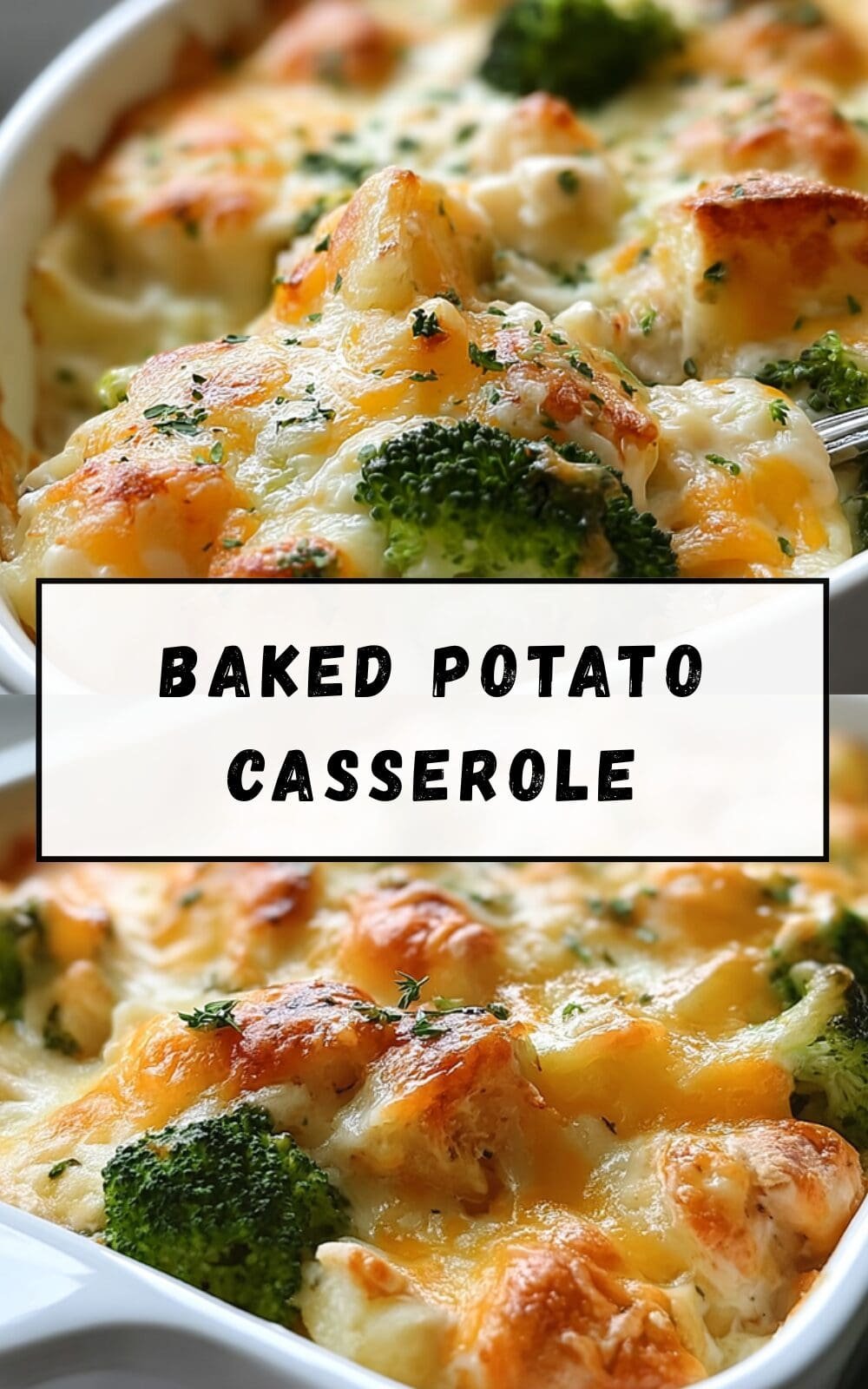
FAQs: Frequently Asked Questions About Baked Potato Casserole
How do I store leftover baked potato casserole?
To store leftover baked potato casserole, allow it to cool to room temperature, then transfer it to an airtight container. Refrigerate for up to 3-4 days. When reheating, cover with foil and bake at 350°F (175°C) for about 20 minutes or until heated through. Alternatively, you can microwave individual servings for 1-2 minutes. Proper storage helps maintain taste and texture while preventing spoilage.
Can I prepare baked potato casserole ahead of time and freeze it?
Yes, baked potato casserole can be prepared ahead and frozen. Assemble the casserole but hold off on adding the topping cheese or crunchy layers. Wrap tightly with plastic wrap and aluminum foil to prevent freezer burn. Freeze for up to 3 months. When ready, thaw overnight in the refrigerator and bake as usual, adding the toppings during the last 10-15 minutes of baking to keep them crisp.
What are some common ingredients to include in a baked potato casserole?
Typical ingredients for baked potato casserole include cooked and mashed or diced potatoes, sour cream, shredded cheese (cheddar is popular), butter, milk or cream, and seasoning like salt and pepper. Optional additions often include cooked bacon, green onions, or sautéed onions for extra flavor. These ingredients combine to create a creamy, comforting dish with a golden, cheesy topping.
How can I make baked potato casserole healthier without losing flavor?
To make baked potato casserole healthier, consider using Greek yogurt instead of sour cream, reduce the amount of cheese, or choose a lower-fat cheese variety. Use olive oil or a small amount of butter instead of heavy cream. Incorporating vegetables such as spinach, broccoli, or cauliflower can add nutrients and fiber. These substitutions maintain delicious flavor while cutting calories and fat.
What’s the best way to get a crispy topping on baked potato casserole?
For a crispy topping, sprinkle the casserole with crushed cornflakes, panko breadcrumbs, or crispy fried onions before baking. Adding a bit of melted butter on top helps achieve a golden color and crunch. Bake at 350°F (175°C) until the topping is bubbly and crisp, typically for the final 15-20 minutes of cooking. This adds texture contrast to the creamy potatoes underneath.

Baked Potato Casserole
🥔 This Loaded Baked Potato Casserole offers a delicious combination of creamy potatoes, melted cheddar, and crispy bacon for a comforting meal.
🧀 It’s easy to prepare and perfect for family dinners or special gatherings with rich, savory flavors in every bite.
- Total Time: 1 hour
- Yield: 8 servings
Ingredients
– 6 large russet potatoes (about 5 pounds)
– 1/4 cup unsalted butter
– 4 ounces cream cheese
– 2/3 cup sour cream
– 1/2 cup milk (2% or any available type)
– 1/2 teaspoon garlic powder
– Salt and pepper to taste
– 2 cups shredded cheddar cheese
– 1 1/2 cups cooked and crumbled bacon
– 1/4 cup diced green onions
Instructions
1-Getting started with this baked potato casserole is simple and fun: Begin by preheating your oven to 375°F and greasing a 9×13-inch casserole dish to avoid any sticking. This sets the stage for a smooth cooking process that leads to a delicious outcome.
2-Next, wash, peel, and dice the potatoes before boiling them in water until they turn tender. Once done, drain them and gently return to the pot. Fold in the butter, cream cheese, sour cream, and milk carefully to keep some texture in the mix.
3-Season the potatoes with garlic powder, salt, and pepper for that extra flavor boost. Stir in 1 1/2 cups of shredded cheese and 1 cup of bacon, then move the mixture to your prepared dish. Top it off with the remaining cheese and bacon before baking for 25 to 30 minutes.
4-After baking, sprinkle the diced green onions on top for a fresh finish. This step adds a nice crunch and color, making the dish even more appealing. The total time is about 1 hour, with 30 minutes for prep and 30 for cooking, which fits into most routines.
5-To make it even easier, cut potatoes into larger chunks to preserve texture and fold ingredients gently to avoid mashing everything. Using precooked bacon saves time, and you can assemble ahead or freeze for up to three months, thawing overnight before baking.
Last Step:
Please leave a rating and comment letting us know how you liked this recipe! This helps our business to thrive and continue providing free, high-quality recipes for you.Notes
🍽️ Cut potatoes into larger chunks to preserve a pleasing texture.
🧈 Fold ingredients gently to avoid over-mashing and keep creaminess.
🥓 Use precooked bacon for convenience and time-saving.
- Prep Time: 30 minutes
- Cook Time: 30 minutes
- Category: Side Dish
- Method: Baking
- Cuisine: American
Nutrition
- Serving Size: 1 serving
- Calories: 334
- Sugar: 2 g
- Sodium: 195 mg
- Fat: 18 g
- Saturated Fat: 10 g
- Carbohydrates: 35 g
- Fiber: 2 g
- Protein: 10 g
- Cholesterol: 50 mg