Why You’ll Love This Baked Salmon
If you’re hunting for a simple yet delicious dish that fits right into your busy schedule, healthy baked salmon is a game-changer. It’s straightforward to whip up, especially on those evenings when you’re juggling work and family time. With its fresh flavors and nutrients, this recipe can become your go-to for quick salmon meals that everyone enjoys.
One reason you’ll adore this baked salmon is its ease of preparation. This baked salmon recipe is straightforward and quick to prepare, making it ideal for busy weeknights. With minimal ingredients and simple steps, you can have a delicious, nutritious meal ready in under 30 minutes. Plus, the health benefits are amazing since baked salmon is packed with omega-3 fatty acids, high-quality protein, and essential vitamins, promoting heart health, brain function, and overall wellness.
This dish shines in its versatility too. The recipe adapts easily to various dietary preferences, including gluten-free, low-calorie, and pescatarian diets, ensuring everyone at the table can enjoy it. Modifications using different herbs and spices personalize the flavor. The natural richness of the salmon pairs beautifully with complementary seasonings and a crispy baked finish, delivering a satisfying and memorable taste experience that makes easy baked salmon recipes a favorite.
To learn more about the advantages of salmon’s health perks, check out reliable sources that break it down clearly.
Jump to:
- Why You’ll Love This Baked Salmon
- Essential Ingredients for Baked Salmon
- How to Prepare the Perfect Baked Salmon: Step-by-Step Guide
- Dietary Substitutions to Customize Your Baked Salmon
- Mastering Baked Salmon: Advanced Tips and Variations
- Tips from Experience
- How to Store Baked Salmon: Best Practices
- FAQs: Frequently Asked Questions About Baked Salmon
- What are the main types of salmon and how do they differ in taste and fat content?
- How can I tell if baked salmon is fully cooked without using a thermometer?
- What temperature and baking time should I use to cook salmon perfectly in the oven?
- What are the best tips for preventing salmon from drying out when baking?
- How should I store leftover baked salmon and reheat it without losing flavor and texture?
- Baked Salmon
- Ingredients
- Instructions
- Last Step:
- Notes
- Nutrition
- Did you make this recipe?
Essential Ingredients for Baked Salmon
Gathering the right ingredients is the first step to creating a tasty healthy baked salmon dish. These items come together to make the recipe simple and flavorful, perfect for beginners. Let’s look at what you’ll need for this easy baked salmon recipes favorite.
- 4 salmon fillets, about 6 ounces each
- 2 tablespoons olive oil
- ½ teaspoon salt
- ¼ teaspoon cracked black pepper
- 2 teaspoons minced garlic
- 1 teaspoon Italian herb seasoning blend (or alternatively, ¼ teaspoon each of dried thyme, parsley, oregano, and basil)
- 1 medium lemon
This list covers everything required for the best easy healthy baked salmon recipes for quick meals, ensuring you have just what you need without extras. Each ingredient plays a key role, like olive oil for moisture and herbs for that fresh pop of taste.
How to Prepare the Perfect Baked Salmon: Step-by-Step Guide
Ready to dive into making healthy baked salmon? Follow these steps for a foolproof result that will have you serving up quick salmon meals in no time. I’ll share a few tips from my own kitchen adventures to keep things fun and simple.
First, preheat your oven to 400 degrees and grease a large baking pan. This sets the stage for that perfect bake without any sticking drama. Next, arrange the salmon fillets on the baking sheet and season generously with salt and pepper to bring out their natural flavors.
Then, mix olive oil, garlic, herbs, and the juice of half the lemon in a small bowl it’s like creating a magic potion for your fish! Spoon this mixture over the salmon, making sure it covers the tops and sides fully for even tastiness. Don’t rush this part; it’s what makes the dish pop.
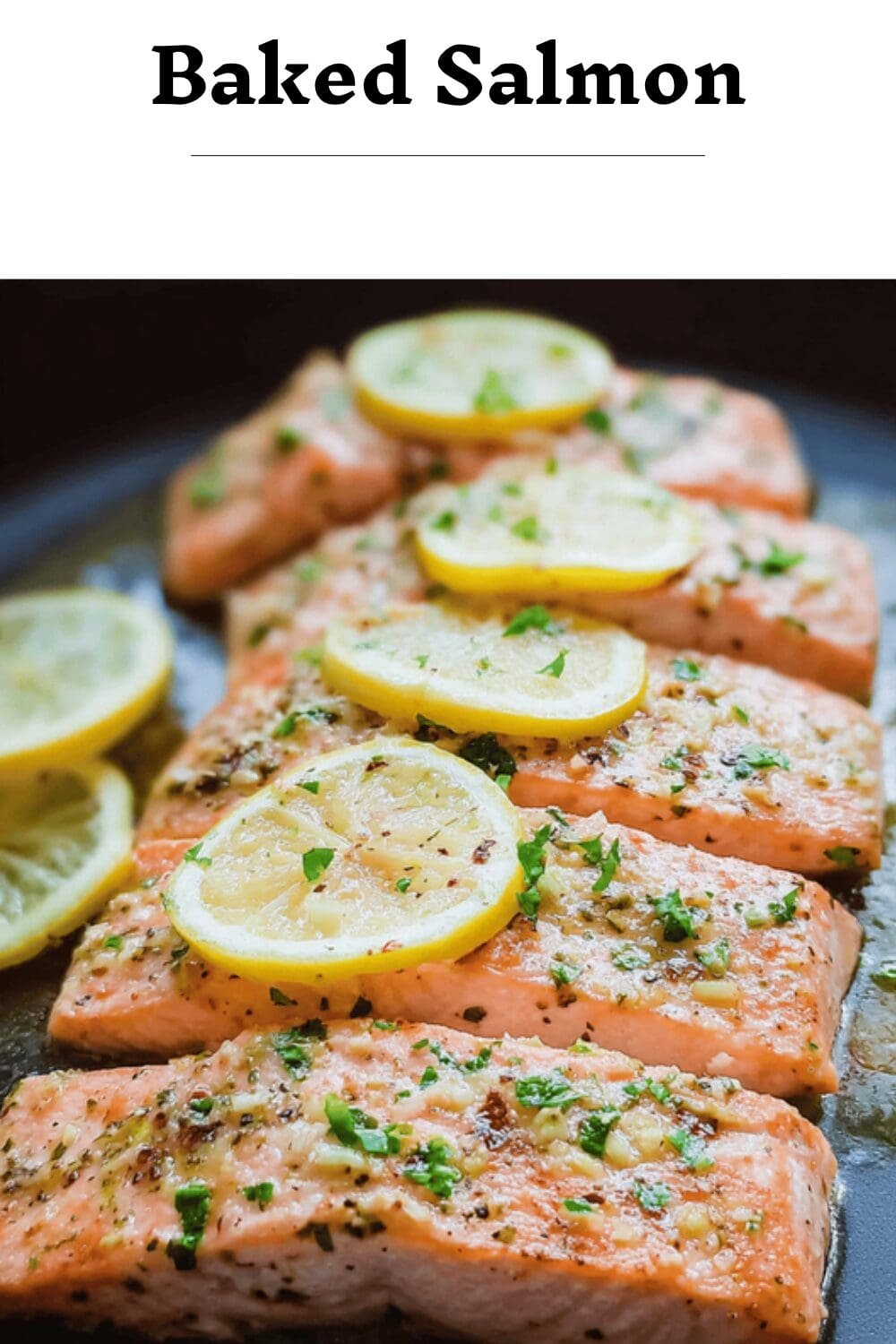
After that, thinly slice the remaining half of the lemon and place a lemon slice on each fillet for a bright, zesty touch. Pop the pan into the oven and bake the salmon for 12-15 minutes until it’s opaque and flaky when tested with a fork; you can broil for the last 1-2 minutes if you want a slight crisp. Once done, garnish with fresh thyme or parsley if desired and serve right away.
The total preparation time is simple: prep takes about 10 minutes, cooking is around 15 minutes, and you’re done in 25 minutes total. For more ideas on simple dishes, check out our simple fish recipes page for more inspiration.

Dietary Substitutions to Customize Your Baked Salmon
Everyone’s got different needs when it comes to food, and that’s okay healthy baked salmon can adapt easily. Whether you’re watching calories or following a special diet, these swaps keep things tasty and fun. I once tried a vegan version for a friend, and it turned out just as yummy!
For protein and main component alternatives, you can replace salmon with marinated tofu or tempeh to keep it vegan while retaining a similar texture and flavor. If you prefer a milder taste, white fish like cod or tilapia works great and offers different nutrients without much fuss.
When it comes to vegetable, sauce, and seasoning modifications, try adding summer squash, asparagus, or green beans based on what’s in season. Swap the lemon garlic vibe with teriyaki or mustard dill sauces for a twist, and always use gluten-free soy sauce or tamari if you’re avoiding gluten. These easy baked salmon recipes adjustments make it versatile for any crowd.
Mastering Baked Salmon: Advanced Tips and Variations
Once you’ve nailed the basics of healthy baked salmon, it’s time to level up with some pro tricks. From my own experiments in the kitchen, I’ve learned that small changes can make a big difference in your quick salmon meals. Let’s explore ways to add flair and keep things exciting.
For enhanced flavor, marinate the salmon for 30 minutes before baking, or use a broiler finish for a crispier top these pro cooking techniques really shine. If you’re in the mood for something new, experiment with spice blends like Cajun or Mediterranean herbs, or even a miso glaze for a unique taste that surprises your taste buds.
Tips from Experience
Avoid cooking at temperatures that are too high or too low to prevent drying out, as keeping the skin on helps retain moisture during cooking. Cooking at a gentle, moderate heat produces tender results, and sticking to 12-15 minutes in the oven works best anything longer leads to dryness. For flavor variations, replace lemon with lime and sprinkle with cilantro before serving; it’s a simple switch that adds a fun twist.
Presentation tips can make your dish stand out too. Serve fillets on a bed of arugula or mixed greens, garnished with lemon wedges and microgreens for that wow factor. And for make-ahead options, prepare seasoned fillets in advance and refrigerate them; just bake before serving to save time on busy days. Remember, these tips ensure your baked salmon stays moist and full of flavor.
How to Store Baked Salmon: Best Practices
After enjoying your healthy baked salmon, proper storage keeps it fresh for later. I always make sure to handle leftovers carefully so they taste just as good the next day. These steps help maintain that wonderful flavor and texture you worked hard for.
For refrigeration, store baked salmon in an airtight container in the refrigerator and consume it within 2-3 days for the best quality. When it comes to freezing, wrap the salmon tightly in plastic wrap and foil or use freezer-safe bags; it can last up to 2 months this way. Reheating is key too do it gently in a low-temperature oven or microwave on medium power to avoid drying out the fish.
Meal prep considerations make life easier; portion the fillets for quick grab-and-go meals, ensuring fresh taste through these storage practices. To store, keep salmon in an airtight container or wrapped tightly in foil in the fridge for 3-4 days, and reheat gently and slowly with a splash of water, preferably in the oven or on the stove rather than the microwave.
FAQs: Frequently Asked Questions About Baked Salmon
What are the main types of salmon and how do they differ in taste and fat content?
The primary types of salmon commonly found are Sockeye, King (Chinook), Pink, Chum, and Coho. Sockeye has a deep red color with a rich flavor and lower fat content. King salmon is high in fat, offering a buttery taste and is often pricier. Pink salmon is smaller, lighter in color, and milder in flavor, frequently used for canning. Chum salmon is known for its roe and has a moderate flavor. Coho has a milder taste and medium fat level. Choosing the type of salmon can affect flavor and texture in your baked dishes.
How can I tell if baked salmon is fully cooked without using a thermometer?
To check if salmon is done, look for a color change from vibrant red or translucent to an opaque pink. Insert a fork or knife into the thickest part and gently twist; the salmon should flake easily but still be moist inside. Avoid overcooking as it can dry out the fish. The center should remain slightly translucent for moistness. This method helps ensure your salmon is tender and not overdone.
What temperature and baking time should I use to cook salmon perfectly in the oven?
For evenly baked salmon, preheat your oven to 350°F (175°C). Bake the salmon for about 12 to 15 minutes per inch of thickness. The fish is fully cooked when the internal temperature reaches 125°F to 140°F, depending on your preference for doneness. Using moderate heat avoids drying the salmon while keeping it tender and flavorful. Adjust baking time slightly based on fillet size.
What are the best tips for preventing salmon from drying out when baking?
To keep baked salmon moist, bake at a moderate temperature and avoid cooking it for too long. Keeping the skin on preserves moisture and acts as a natural barrier. Brushing the salmon with oil or a marinade before baking adds flavor and prevents dryness. Using foil or parchment paper to cover the salmon during baking helps trap steam and maintain juiciness.
How should I store leftover baked salmon and reheat it without losing flavor and texture?
Store leftover baked salmon in an airtight container or tightly wrapped in foil in the refrigerator, and consume it within 3-4 days. To reheat, warm it gently in the oven at 275°F (135°C) or on the stovetop with a splash of water or broth to retain moisture. Avoid using a microwave when possible, as it can dry out the salmon and make the texture rubbery.
Baked Salmon
🐟 Savor the health benefits of easy, baked salmon recipes that come together quickly for your busy lifestyle.
🍋 This dish combines fresh lemon and herbs, delivering a flavorful, moist, and tender meal with minimal effort.
- Total Time: 25 minutes
- Yield: 4 servings
Ingredients
– 4 salmon fillets, about 6 ounces each
– 2 tablespoons olive oil
– ½ teaspoon salt
– ¼ teaspoon cracked black pepper
– 2 teaspoons minced garlic
– 1 teaspoon Italian herb seasoning blend (or alternatively, ¼ teaspoon each of dried thyme, parsley, oregano, and basil)
– 1 medium lemon
Instructions
1-First, preheat your oven to 400 degrees and grease a large baking pan. This sets the stage for that perfect bake without any sticking drama. Next, arrange the salmon fillets on the baking sheet and season generously with salt and pepper to bring out their natural flavors.
2-Then, mix olive oil, garlic, herbs, and the juice of half the lemon in a small bowl it’s like creating a magic potion for your fish! Spoon this mixture over the salmon, making sure it covers the tops and sides fully for even tastiness. Don’t rush this part; it’s what makes the dish pop.
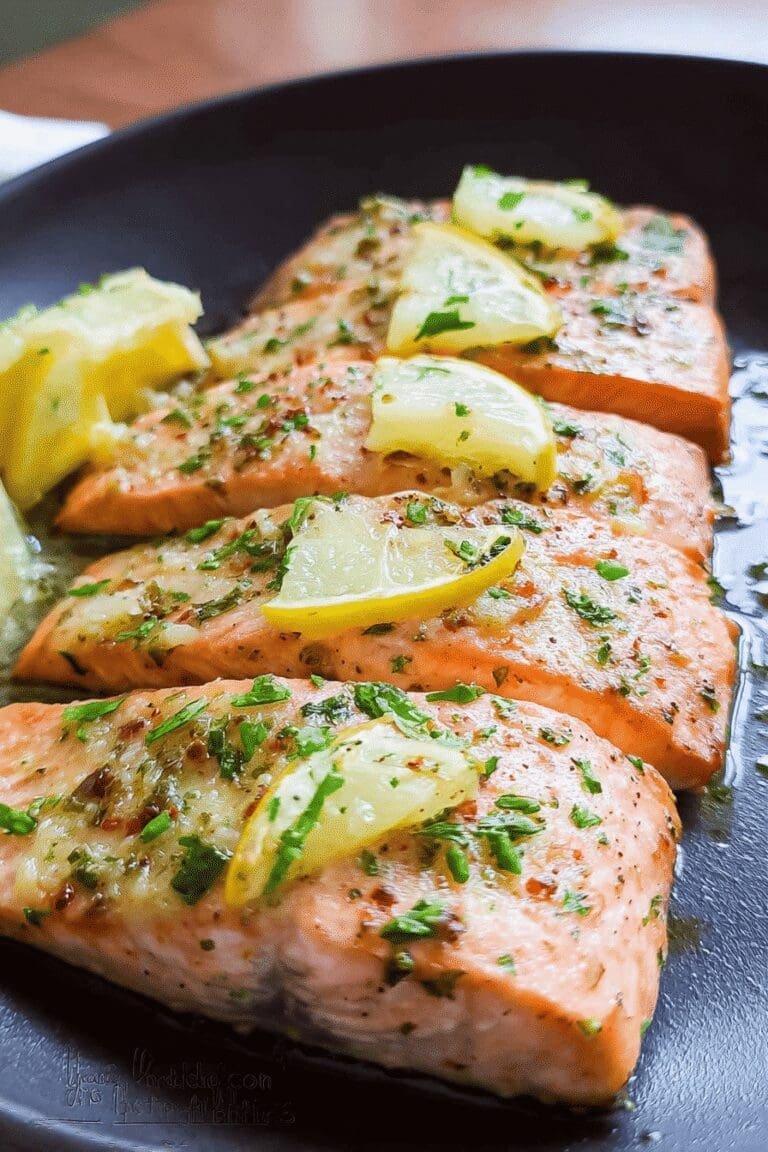
3-After that, thinly slice the remaining half of the lemon and place a lemon slice on each fillet for a bright, zesty touch. Pop the pan into the oven and bake the salmon for 12-15 minutes until it’s opaque and flaky when tested with a fork; you can broil for the last 1-2 minutes if you want a slight crisp. Once done, garnish with fresh thyme or parsley if desired and serve right away.
Last Step:
Please leave a rating and comment letting us know how you liked this recipe! This helps our business to thrive and continue providing free, high-quality recipes for you.Notes
🔥 Avoid cooking too hot or too low to prevent drying out.
🐟 Keeping skin on helps retain moisture.
⏲️ Cook salmon for 12-15 minutes for best tenderness without dryness.
- Prep Time: 10 minutes
- Cook Time: 15 minutes
- Category: Main Dish
- Method: Baking
- Cuisine: American
- Diet: Healthy
Nutrition
- Serving Size: 1 salmon fillet
- Calories: 306 kcal
- Sugar: 1g
- Sodium: 366mg
- Fat: 18g
- Saturated Fat: 3g
- Carbohydrates: 1g
- Fiber: 1g
- Protein: 34g
- Cholesterol: 94mg