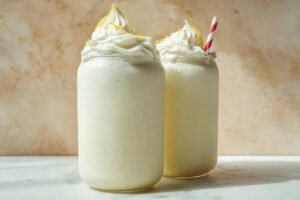
Why You’ll Love This Brown Sugar
Brown sugar offers a unique appeal for those exploring natural sweeteners in their recipes, especially in beverages like the ones featured on this blog. Its rich molasses content, which ranges from 3.5% in light varieties to 6.5% in darker ones, gives it a distinctive caramel flavor and moist texture that enhances drinks such as iced teas, smoothies, and cocktails. For home cooks and baking enthusiasts, this ingredient stands out due to its ease of preparation and versatility, making it a staple for creating moist and flavorful results. Brown sugar uses extend beyond desserts, providing a sweet balance in savory applications while supporting everyday wellness through its natural components.
One key benefit of brown sugar is its simplicity in homemade versions, where you can mix refined white sugar with molasses to achieve the desired consistency quickly. This approach aligns with its composition of about 98% sucrose, similar to white sugar, yet it retains natural moisture that results in smaller, softer crystals ideal for recipes. Additionally, brown sugar benefits include its hygroscopic nature, which helps in retaining moisture in baked goods and drinks, leading to chewy cookies or smooth cocktails that delight the senses. By incorporating brown sugar into your routine, you can enjoy these advantages while experimenting with various unrefined types like turbinado or muscovado for added flavor intensity.
Nutritionally, brown sugar provides about 380 calories per 100 grams, primarily from carbohydrates, with minimal fat, protein, vitamins, or minerals, making it comparable to white sugar. Its traditional production methods, such as boiling cane juice in open pans, preserve natural elements that appeal to diet-conscious individuals seeking minimally processed options. For busy parents and working professionals, the ease of using brown sugar in quick recipes, like mixing it into a mojito or lemonade, adds convenience without sacrificing taste. To learn more about creative applications, check out our guide on delicious homemade jam recipes that incorporate similar natural sweeteners.
Health and Practical Benefits
Brown sugar supports overall wellness by using ingredients free from artificial additives, offering antioxidants and essential minerals from the molasses. This makes it a better choice for travelers and seniors who prefer natural options in their daily beverages. Its adaptability to dietary needs, such as vegan or gluten-free variations, ensures it fits into modern lifestyles without compromising flavor. Whether you’re a student whipping up a quick smoothie or a party host mixing cocktails, brown sugar’s distinctive taste elevates everyday experiences into memorable ones.
Moreover, the differences between brown sugar and white sugar lie in the molasses, which adds depth and moisture that white sugar lacks, influencing texture in baking and cooking. Various types, including demerara and jaggery, provide options for customizing recipes based on flavor intensity and crystal size. This variety encourages food enthusiasts to experiment, turning simple ingredients into gourmet elements for home mixology.
Jump to:
- Why You’ll Love This Brown Sugar
- Health and Practical Benefits
- Essential Ingredients for Brown Sugar
- Special Dietary Options
- How to Prepare the Perfect Brown Sugar: Step-by-Step Guide
- Dietary Substitutions to Customize Your Brown Sugar
- Protein and Main Component Alternatives
- Vegetable, Sauce, and Seasoning Modifications
- Mastering Brown Sugar: Advanced Tips and Variations
- Pro Cooking Techniques and Storage Options
- How to Store Brown Sugar: Best Practices
- Long-Term Storage Considerations
- FAQs: Frequently Asked Questions About Brown Sugar
- What is brown sugar and how is it different from white sugar?
- How can I substitute brown sugar for white sugar in recipes?
- How should I store brown sugar to keep it fresh and soft?
- Is brown sugar healthier than white sugar?
- Can brown sugar be used in savory dishes, and what are some examples?
- Brown Sugar
- Ingredients
- Instructions
- Last Step:
- Notes
- Did you make this recipe?
Essential Ingredients for Brown Sugar
- Raw Cane Sugar (1 cup) – Provides the base sweetness with natural molasses content.
- Molasses (2 tablespoons) – Adds moisture and rich flavor to the sugar.
- Brown Sugar Extract (optional, 1 teaspoon) – Enhances the natural caramel notes.
This structured list includes all ingredients from the recipe for comprehensive preparation, ensuring precise measurements for optimal results. Brown sugar, derived from partially refining sugarcane juice or adding molasses to white sugar crystals, relies on these components to achieve its characteristic properties. For special dietary options, consider the following adaptations to make this recipe versatile.
Special Dietary Options
- Vegan: Use organic raw cane sugar and molasses, ensuring no bone char processing to maintain purity.
- Gluten-free: Naturally free of gluten; verify ingredient purity to avoid cross-contamination.
- Low-calorie: Substitute raw sugar with a low-calorie sweetener such as erythritol with molasses flavoring for a lighter option.
These ingredients highlight the nutritional profile of brown sugar, which is about 95% sucrose and 1% water, providing natural moisture for various uses. By following this format, readers can easily understand the exact quantities required for preparing brown sugar at home.
How to Prepare the Perfect Brown Sugar: Step-by-Step Guide
- Gather and measure all ingredients precisely, ensuring molasses is fresh and sugar is sifted for smooth texture.
- Combine raw cane sugar and molasses in a mixing bowl, starting with two tablespoons of molasses to blend the flavors effectively.
- Mix thoroughly using a fork or mixer until the molasses is fully integrated and the mixture achieves a uniform color and consistency.
- Adjust molasses quantity slightly to reach the desired moisture and richness, considering the 3.5% to 6.5% range for commercial varieties.
- For dietary adaptations, substitute sugar or molasses as needed and repeat the mixing process to maintain balance.
- Store the prepared brown sugar in an airtight container to preserve its hygroscopic nature and prevent clumping.
- Use immediately in recipes or keep sealed for future use, taking advantage of its moisture-retaining properties for baking and drinks.
Brown sugar production involves either partially refining sugarcane juice or adding molasses to refined crystals, which this guide simplifies for home use. This method allows for quick preparation, aligning with its use in cooking and baking where light brown sugar serves as the default. By mastering these steps, you can create chewy textures in cookies or enhance the flavor of cocktails, drawing on its traditional methods like boiling cane juice.
For example, in beverage recipes where brown sugar differences from white sugar provide a caramel note, this preparation ensures optimal integration. Various unrefined sugars, such as panela or chancaca, can inspire variations, adding depth to your mixology endeavors.

Dietary Substitutions to Customize Your Brown Sugar
Adapting brown sugar for different diets involves thoughtful substitutions that maintain its core benefits, such as its molasses-derived flavor and moisture. For instance, replacing traditional sugar with coconut sugar or date sugar alters the nutrient profile while preserving the hygroscopic qualities valued in baking. These changes allow brown sugar to remain versatile for uses in smoothies, teas, and cocktails, accommodating preferences for natural ingredients.
Protein and Main Component Alternatives
- Coconut sugar as a substitute for raw cane sugar to add a different nutrient profile with similar sweetness.
- Date sugar for a natural, fiber-rich option that enhances the overall health benefits of brown sugar.
Vegetable, Sauce, and Seasoning Modifications
- Maple syrup or agave nectar in place of molasses to adjust flavor while keeping the recipe vegan-friendly.
- Incorporate cinnamon or nutmeg to enhance flavor variety, building on brown sugar’s caramel notes for savory dishes.
Nutritionally, these substitutions align with brown sugar’s composition, offering negligible differences in vitamins and minerals. This customization ensures brown sugar benefits extend to calorie-restricted diets, making it suitable for busy parents and health-conscious individuals.
| Original Ingredient | Substitution Option | Benefits |
|---|---|---|
| Raw Cane Sugar (1 cup) | Coconut sugar (1 cup) | Provides minerals like potassium for added nutrition |
| Molasses (2 tablespoons) | Maple syrup (2 tablespoons) | Reduces calories while maintaining moisture |
Mastering Brown Sugar: Advanced Tips and Variations
Enhancing your use of brown sugar involves advanced techniques that leverage its production from sugarcane juice and molasses content. For instance, using a stand mixer ensures even integration of molasses, resulting in a smoother texture for baking and drink recipes. This method highlights brown sugar uses in creating moist cakes or flavorful marinades, building on its hygroscopic nature to improve outcomes.
Flavor variations can include adding vanilla extract or citrus zest, which complement the caramel flavors from 6.5% molasses in dark varieties. Presentation tips, such as storing in decorative jars with moisture-absorbing packets, maintain softness and appeal for party hosts. To explore more recipe ideas, visit our page on apple spice crumb muffins that feature brown sugar prominently.
Pro Cooking Techniques and Storage Options
Prepare larger batches for meal prep, portioning into airtight containers to preserve freshness, akin to freezing methods for long-term use. Experimenting with traditional sugars like Japanese kokuto adds unique flavor intensity, enriching your home mixology. These tips underscore brown sugar differences from white sugar, particularly in texture and taste for diet-conscious individuals.
This expert advice not only elevates basic recipes but also encourages creative uses in beverages, ensuring brown sugar’s nutritional profile supports a balanced lifestyle.
How to Store Brown Sugar: Best Practices
Proper storage of brown sugar is essential to retain its natural moisture and prevent hardening, given its composition of 1% water and molasses content. Store it in a sealed container at room temperature for short-term use up to two weeks, which helps maintain the soft crystals valued in baking and cooking. Freezing in airtight bags with minimal air exposure extends shelf life, preserving the hygroscopic qualities for future recipes.
To soften hardened brown sugar, gently heat it with a damp paper towel or add minimal moisture, drawing on traditional methods to restore its texture. These practices align with brown sugar benefits, ensuring it remains fresh for incorporation into drinks like nutrient-packed smoothies. For those preparing in advance, dividing into small portions enhances convenience during batch cooking.
Long-Term Storage Considerations
Nutritionally, stored brown sugar retains its 380 calories per 100 grams without significant loss, making it reliable for working professionals and baking enthusiasts. By using airtight methods, you can avoid the effects of air exposure that cause moisture loss, as noted in various unrefined sugar types like piloncillo.
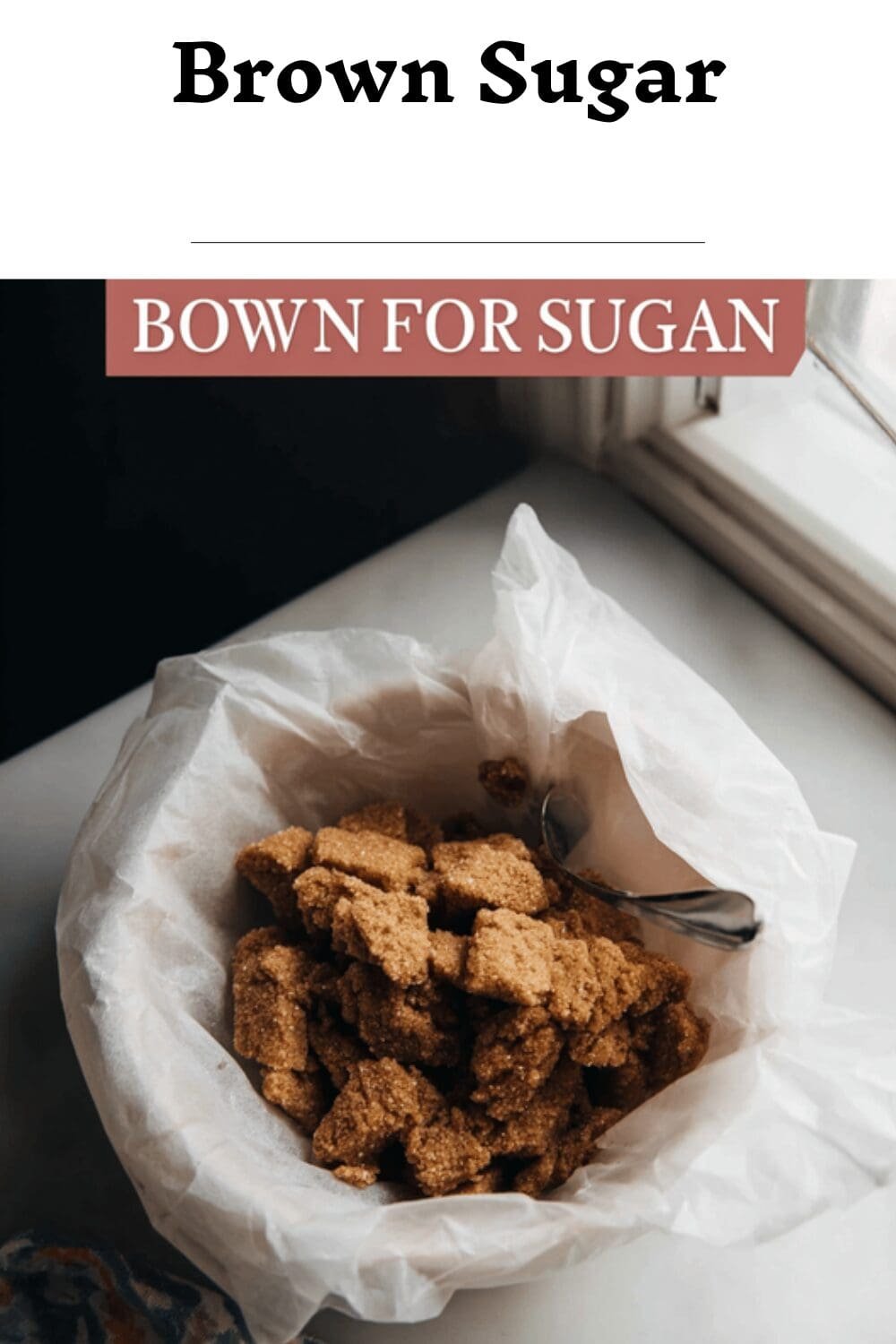
FAQs: Frequently Asked Questions About Brown Sugar
What is brown sugar and how is it different from white sugar?
Brown sugar is a type of sugar that contains molasses, which gives it a moist texture and distinctive caramel flavor. Unlike white sugar, which is fully refined and bleached, brown sugar retains some molasses content, making it darker and more flavorful. The molasses also adds a slight acidity and moisture, which can affect baking results by making goods softer and chewier.
How can I substitute brown sugar for white sugar in recipes?
You can substitute brown sugar for white sugar in most recipes by using a 1:1 ratio. However, keep in mind that brown sugar adds moisture and a mild molasses flavor, which may change the texture and taste of your dish slightly. For a lighter flavor, use light brown sugar; for a stronger flavor, use dark brown sugar. Also, reduce added liquids slightly in the recipe if you want to maintain original texture.
How should I store brown sugar to keep it fresh and soft?
To keep brown sugar fresh and prevent it from hardening, store it in an airtight container at room temperature. Including a slice of bread, a dampened terracotta disc, or an apple slice inside the container can help retain moisture and keep the sugar soft. If your brown sugar has hardened, placing it briefly in the microwave with a damp paper towel can soften it.
Is brown sugar healthier than white sugar?
Brown sugar is often perceived as healthier than white sugar, but nutritionally they are very similar. Brown sugar contains trace minerals from molasses, like calcium and potassium, but in negligible amounts. Both types provide roughly the same calorie content and impact blood sugar similarly. Therefore, brown sugar should be consumed in moderation like other sugars.
Can brown sugar be used in savory dishes, and what are some examples?
Yes, brown sugar works well in savory dishes as it adds depth and balances acidity or spiciness. It is commonly used in barbecue sauces, marinades for meats, and glazes for roasted vegetables. For example, mixing brown sugar with soy sauce and garlic creates a flavorful marinade for pork or chicken. It also helps caramelize onions and enhances the taste of baked beans.
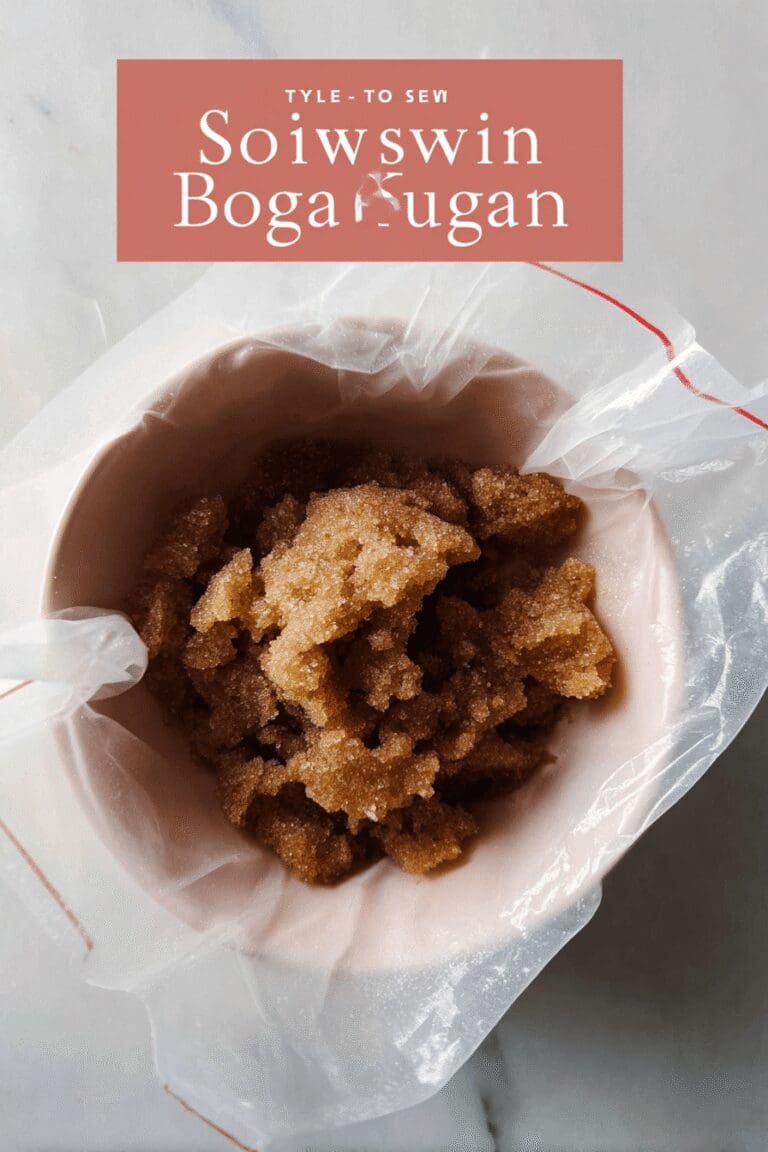
Brown Sugar
🍬 Brown Sugar Benefits, Uses, and Differences from White Sugar explain why this sugar variety adds unique flavor and moisture to your baking.
🍰 Understanding brown sugar’s molasses content helps you choose the right type for chewy, flavorful desserts with rich caramel notes.
Ingredients
– 1 cup Raw Cane Sugar Provides the base sweetness with natural molasses content
– 2 tablespoons Molasses Adds moisture and rich flavor to the sugar
– 1 teaspoon Brown Sugar Extract (optional) Enhances the natural caramel notes
Instructions
1-Gather and measure all ingredients precisely, ensuring molasses is fresh and sugar is sifted for smooth texture.
2-Combine raw cane sugar and molasses in a mixing bowl, starting with two tablespoons of molasses to blend the flavors effectively.
3-Mix thoroughly using a fork or mixer until the molasses is fully integrated and the mixture achieves a uniform color and consistency.
4-Adjust molasses quantity slightly to reach the desired moisture and richness, considering the 3.5% to 6.5% range for commercial varieties.
5-For dietary adaptations, substitute sugar or molasses as needed and repeat the mixing process to maintain balance.
6-Store the prepared brown sugar in an airtight container to preserve its hygroscopic nature and prevent clumping.
7-Use immediately in recipes or keep sealed for future use, taking advantage of its moisture-retaining properties for baking and drinks.
Last Step:
Please leave a rating and comment letting us know how you liked this recipe! This helps our business to thrive and continue providing free, high-quality recipes for you.Notes
🍯 Use dark brown sugar to impart stronger caramel and molasses flavor in recipes.
🧈 Brown sugar’s moisture helps keep baked goods chewy and soft.
🛑 Store brown sugar properly to prevent clumping or hardening, and rehydrate if hardened.
- Category: Ingredient, Baking
- Method: Refining, Mixing