Why You’ll Love This Cake Flour
As a home baker, you might wonder why this cake flour substitute stands out from the rest. This easy-to-make option brings simplicity to your kitchen, letting you whip up delicate baked goods without any fuss. You’ll appreciate how it saves time while delivering soft, fluffy results every time.
One key benefit is the health angle it uses basic ingredients like flour and cornstarch that lower protein content for better digestibility. This makes it a smart choice if you’re watching what you eat or exploring dietary tweaks. Plus, its versatility means it fits various needs, from vegan adjustments to options that feel lighter on calories.
Beyond these perks, the flavor is what really shines, offering a gentle taste that boosts your cakes and cupcakes. Whether you’re a busy parent squeezing in baking or a student experimenting in the dorm kitchen, this substitute adapts effortlessly. It’s perfect for food enthusiasts who love trying new twists without extra hassle.
Jump to:
- Why You’ll Love This Cake Flour
- Essential Ingredients for Cake Flour
- How to Prepare the Perfect Cake Flour: Step-by-Step Guide
- Gathering Your Ingredients
- Mixing and Sifting the Flour
- Incorporating Additional Elements
- Final Touches and Usage
- Dietary Substitutions to Customize Your Cake Flour
- Mastering Cake Flour: Advanced Tips and Variations
- How to Store Cake Flour: Best Practices
- FAQs: Frequently Asked Questions About Cake Flour
- What is cake flour and how is it different from all-purpose flour?
- Can I use cake flour in place of all-purpose flour for baking?
- How do I make a cake flour substitute at home if I don’t have any?
- Why is sifting important when preparing homemade cake flour?
- Which brands of cake flour are recommended for baking?
- Cake Flour
- Ingredients
- Instructions
- Last Step:
- Notes
- Did you make this recipe?
Essential Ingredients for Cake Flour
To create your homemade cake flour substitute, you’ll need just a few simple items that are likely already in your pantry. This mix helps mimic the fine texture ideal for light baked goods. Below is a structured list of all the ingredients, based on the recipe details provided, to ensure you get the exact measurements right for the best results.
- 14 Tablespoons (110g) all-purpose flour
- 2 Tablespoons (16g) cornstarch
These ingredients form the core of the substitute, as mentioned in the instructions. Remember, the all-purpose flour provides the base, while the cornstarch reduces gluten for that soft feel. For special dietary options, consider these additions to customize further:
- 2 cups all-purpose flour – if you need a larger batch for your baking
- 2 tablespoons cornstarch – to lighten the mix as needed
- 1/4 teaspoon baking powder – helps with rising in your final recipe
- 1/2 teaspoon salt – balances flavors in your baked goods
- For vegan options: Use plant-based milk and egg replacers like flaxseed or applesauce
- For gluten-free: Swap with a gluten-free flour blend such as rice flour mixed with potato starch
- For low-calorie: Choose almond flour or oat flour as a lighter alternative
This list covers everything required, making it straightforward for beginners like busy parents or working professionals to measure accurately.
How to Prepare the Perfect Cake Flour: Step-by-Step Guide
Gathering Your Ingredients
First, start by gathering and measuring all ingredients precisely, such as 14 tablespoons of all-purpose flour and 2 tablespoons of cornstarch. This step ensures your mix has the right balance for tender results in cakes and cupcakes. Taking a moment to double-check measurements can make a big difference, especially if you’re new to baking.
Accurate measuring helps avoid common pitfalls like dense bakes. Once you have everything ready, you’re set for the next steps. Think of this as your foundation for creating that fluffy texture everyone loves.
Mixing and Sifting the Flour
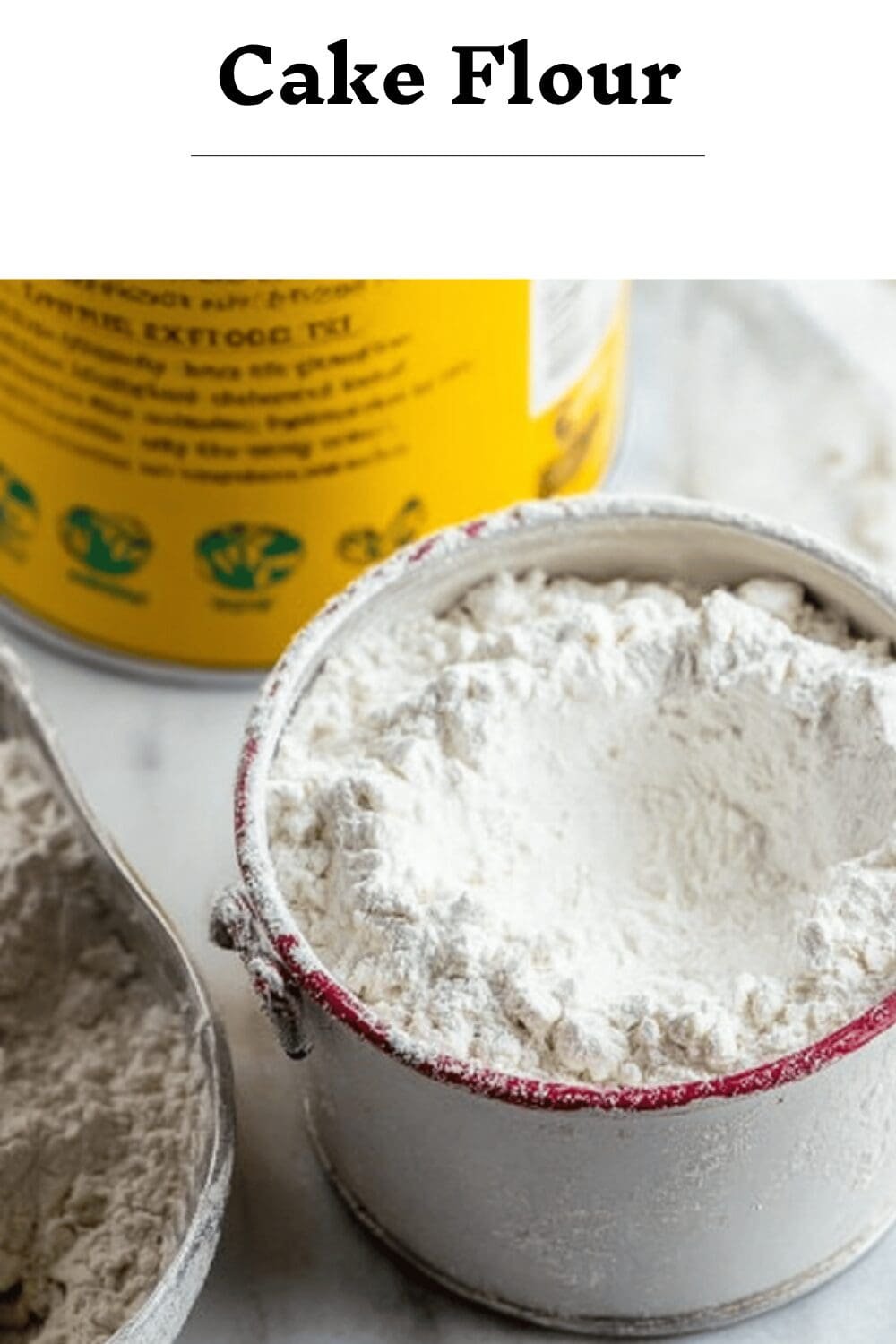
Next, sift the all-purpose flour and cornstarch together twice to mix them thoroughly and add air. This process, which takes just a couple of minutes, creates a texture similar to store-bought cake flour. Sifting is key because it prevents lumps and ensures even distribution, leading to better outcomes in your recipes.
You might notice some added volume after sifting, so measure out exactly 1 cup from the mixture for accuracy. If you need more, simply repeat the process for each cup. For link, if you’re interested in related baking ideas, check out our apple spice crumb muffins recipe for more tips on using flour substitutes.
Incorporating Additional Elements
After sifting, you can add any dietary adaptations, like folding in vegan substitutes gently. Then, store the mixture in an airtight container to keep it fresh until you’re ready to bake. Use this flour in your favorite recipes, adjusting liquids if needed based on the blend.
The full directions include: 1. Sift the all-purpose flour and cornstarch together twice for thorough mixing. 2. Measure 1 cup from the sifted mix. 3. Use it in recipes calling for cake flour. This simple method has a prep time of about 2 minutes and no cook time, making it ideal for quick baking sessions.
Nutritional notes show this substitute has lower protein content than regular flour, promoting reduced gluten formation for softer results. For external insights, learn more about cake flour substitutes from Sally’s Baking Addiction. Remember, sifting is crucial as it aerates the ingredients to replicate cake flour’s fine texture, perfect for items like cakes but not for firmer bakes.
Final Touches and Usage
Once prepared, stir in baking powder and salt if your recipe requires them, then use as directed. For larger quantities, make batches ahead to save time. This approach works well for various diets, including those testing gluten-free options.
Both unbleached and bleached flour can work, and cornstarch is essential don’t swap it for something like cornmeal. If you’re exploring flavors, this flour’s lower protein (7-9%) helps avoid tough textures in delicate goods. Total preparation time is just 2 minutes, making it a go-to for baking enthusiasts on the go.

Dietary Substitutions to Customize Your Cake Flour
Customizing your cake flour can make baking more inclusive for different needs. For instance, swap all-purpose flour with chickpea or almond flour to boost protein in your mix. This is especially helpful for diet-conscious folks or those with specific preferences.
When adapting for vegan diets, use flaxseed meal or chia seeds as egg replacements. For vegetable and seasoning tweaks, try coconut oil instead of butter for a dairy-free twist, or add unsweetened applesauce as a natural sweetener. These changes keep things flexible while maintaining great taste.
You can also adjust spices like cinnamon or ginger based on what you’re in the mood for. Almond flour adds a nutty note, great for travelers seeking portable options. Overall, these substitutions help busy parents and seniors create bakes that fit their lifestyle without much effort.
| Substitution Type | Option | Benefit |
|---|---|---|
| Protein Boost | Chickpea flour | Increases nutrition while keeping texture light |
| Vegan Swap | Flaxseed meal | Provides binding without animal products |
| Seasoning Tweak | Cinnamon addition | Enhances flavor for seasonal bakes |
Mastering Cake Flour: Advanced Tips and Variations
To take your baking to the next level, focus on pro techniques like gentle folding to keep the batter airy. This method helps maintain the lightness that cake flour provides in your treats. Adding flavors such as citrus zest or vanilla can make your bakes more exciting and personalized.
For presentation, dust your finished cakes with powdered sugar or top with fresh fruit to impress your guests. If you’re a party host, preparing the flour mix ahead and storing it properly saves time on busy days. You might also try arrowroot powder as a potential cornstarch replacement, though it’s untested, so experiment carefully.
This lower protein content is best for delicate items, helping you achieve that soft, fluffy texture without extra effort.
Cake flour’s 7-9% protein contrasts with all-purpose flour’s 10-12%, making it ideal for cakes but not for denser items. Avoid using it in recipes with cocoa or fruits that need more structure. For more ideas, our homemade jam recipes can inspire creative fillings in your bakes.
How to Store Cake Flour: Best Practices
Proper storage keeps your cake flour fresh and ready for use. Keep it in an airtight container in the fridge for short-term needs, which helps prevent moisture buildup. For longer storage, freeze it in sealed bags to block out pests and humidity.
Always let the flour warm to room temperature before baking to ensure it mixes well. If you’re into meal prep, divide it into smaller portions for easy access during weekly bakes. This approach works great for baking enthusiasts who bake in batches.
FAQs: Frequently Asked Questions About Cake Flour
What is cake flour and how is it different from all-purpose flour?
Cake flour is a finely milled flour with a lower protein content, typically around 7-9%, compared to all-purpose flour’s 10-12%. This low protein level reduces gluten formation during mixing, resulting in softer, lighter, and more tender baked goods like cakes and cupcakes. All-purpose flour has more protein, which creates stronger gluten networks, making it better suited for bread and denser baked items.
Can I use cake flour in place of all-purpose flour for baking?
Cake flour can be used instead of all-purpose flour in recipes that require a tender, delicate crumb, such as cakes and muffins. However, it is not ideal for recipes needing more structure, like bread or cookies, because the lower protein content produces a softer texture. When substituting, use slightly more cake flour or adjust liquid as cake flour absorbs less moisture.
How do I make a cake flour substitute at home if I don’t have any?
To make a homemade cake flour substitute, measure 1 cup of all-purpose flour, remove 2 tablespoons, and replace them with 2 tablespoons of cornstarch. Sift the mixture 2-3 times to fully combine and aerate it. This blend mimics cake flour’s lower protein content and fine texture, making it suitable for most cake recipes needing soft, tender results.
Why is sifting important when preparing homemade cake flour?
Sifting blends the all-purpose flour and cornstarch evenly while aerating the mixture to achieve a lighter consistency closer to commercial cake flour. This helps produce a finer, fluffier texture in baked goods by reducing clumps and ensuring consistent gluten development, which is essential for delicate cakes and pastries.
Which brands of cake flour are recommended for baking?
Popular and reliable cake flour brands include King Arthur and Softasilk. Both offer bleached and unbleached options suitable for producing soft cakes with fine crumb textures. King Arthur’s cake flour is unbleached and preferred for those avoiding bleaching agents, while Softasilk is widely favored for traditional tender cakes.
Cake Flour
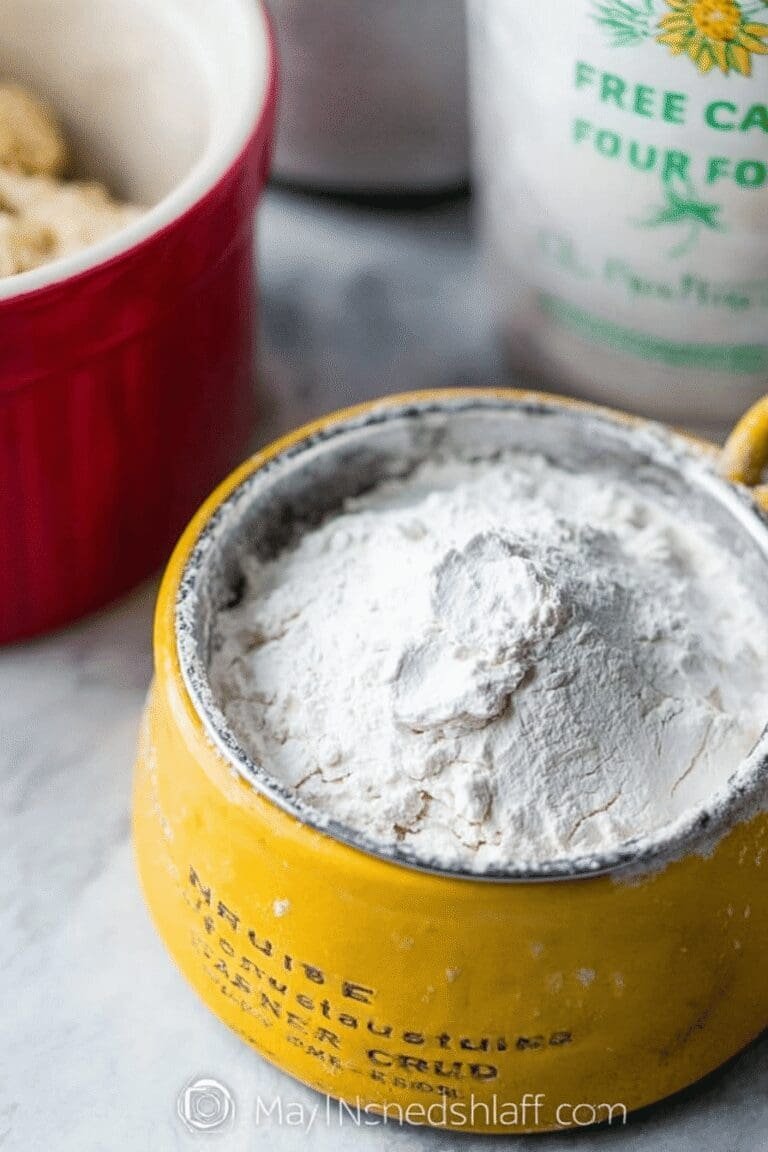
🎂 This Homemade Cake Flour Substitute provides a simple way to achieve the light, tender texture of cake flour using common pantry ingredients.
🥄 Ideal for delicate baked goods like cakes and cupcakes, this substitute ensures perfect baking results without needing specialty flour.
- Total Time: 2 minutes
- Yield: 1 cup substitute 1x
Ingredients
14 Tablespoons (110g) all-purpose flour
2 Tablespoons (16g) cornstarch
2 cups all-purpose flour if you need a larger batch for your baking
2 tablespoons cornstarch to lighten the mix as needed
1/4 teaspoon baking powder helps with rising in your final recipe
1/2 teaspoon salt balances flavors in your baked goods
plant-based milk for vegan options
egg replacers like flaxseed or applesauce for vegan options
gluten-free flour blend such as rice flour mixed with potato starch for gluten-free
almond flour for low-calorie
oat flour as a lighter alternative for low-calorie
Instructions
1-Gathering Your Ingredients: First, start by gathering and measuring all ingredients precisely, such as 14 tablespoons of all-purpose flour and 2 tablespoons of cornstarch. This step ensures your mix has the right balance for tender results in cakes and cupcakes. Taking a moment to double-check measurements can make a big difference, especially if you’re new to baking.
2-Mixing and Sifting the Flour: Next, sift the all-purpose flour and cornstarch together twice to mix them thoroughly and add air. This process, which takes just a couple of minutes, creates a texture similar to store-bought cake flour. Sifting is key because it prevents lumps and ensures even distribution, leading to better outcomes in your recipes.
3-Incorporating Additional Elements: After sifting, you can add any dietary adaptations, like folding in vegan substitutes gently. Then, store the mixture in an airtight container to keep it fresh until you’re ready to bake. Use this flour in your favorite recipes, adjusting liquids if needed based on the blend.
4-Final Touches and Usage: Once prepared, stir in baking powder and salt if your recipe requires them, then use as directed. For larger quantities, make batches ahead to save time. This approach works well for various diets, including those testing gluten-free options.
Last Step:
Please leave a rating and comment letting us know how you liked this recipe! This helps our business to thrive and continue providing free, high-quality recipes for you.Notes
🌾 Cake flour has lower protein content (7-9%) compared to all-purpose flour (10-12%), which helps create softer baked goods.
🥄 Sifting is essential to properly blend and aerate the mix for a fine texture.
❌ Avoid using this substitute in recipes requiring stronger flour like those with cocoa powder or added fruits and vegetables.
- Prep Time: 2 minutes
- Cook Time: 0 minutes
- Category: Ingredient Substitute
- Method: Sifting and Mixing