Why You’ll Love This Crispy Rolled Pork
If you’re looking for a dish that’s as simple as it is satisfying, this crispy rolled pork recipe is just what you need. It comes together with straightforward steps that fit into even the busiest schedules, making it a go-to option for weeknight dinners. You’ll appreciate how the pork turns out packed with protein, helping support muscle growth while keeping an eye on calories for a balanced meal.
The flavors here are bold yet adjustable, letting you tweak spices to suit your taste or dietary preferences. Whether you’re cooking for family or friends, this recipe delivers a crispy texture that makes every bite memorable. It’s no wonder this pork dish stands out for its ease and delicious results, appealing to home cooks and food enthusiasts alike.
Plus, the health perks don’t stop at protein; ingredients like garlic add extra benefits, as explained in this resource on garlic’s advantages. Overall, it’s a versatile choice that can pair with sides like a fruity dessert for a complete meal try our cranberry cheesecake galette for a sweet contrast.
Benefits of Preparation and Nutrition
This recipe minimizes prep time, taking about 15 minutes before you pop it in the oven, and the slow roast ensures tender meat without constant attention. On the nutrition side, each serving clocks in at around 746 calories, making it a hearty option that can be adjusted for lighter eats. The combination of fennel seeds and other spices adds a depth that makes this pork not just food, but a real treat.
As you enjoy the crispy skin, remember it’s more than tasty pork provides essential nutrients, as noted in this guide to pork’s nutritional benefits. This dish truly hits the spot for anyone wanting something flavorful and fuss-free.
Jump to:
- Why You’ll Love This Crispy Rolled Pork
- Benefits of Preparation and Nutrition
- Essential Ingredients for Crispy Rolled Pork
- How to Prepare the Perfect Crispy Rolled Pork: Step-by-Step Guide
- Setting Up the Roast
- Finishing Touches and Gravy
- Dietary Substitutions to Customize Your Crispy Rolled Pork
- Adapting for Specific Diets
- Mastering Crispy Rolled Pork: Advanced Tips and Variations
- Storage and Flavor Hacks
- How to Store Crispy Rolled Pork: Best Practices
- FAQs: Frequently Asked Questions About Crispy Rolled Pork
- What cut of pork is best for making crispy rolled pork crackling?
- How do I prepare the pork skin to get crispy crackling without scoring it?
- Can I cover the pork while roasting if I want crispy crackling?
- What is the best roasting technique to ensure tender meat and crispy crackling?
- How should I rest the pork after cooking to keep the meat juicy and crackling crisp?
- Crispy Rolled Pork
- Ingredients
- Instructions
- Last Step:
- Notes
- Nutrition
- Did you make this recipe?
Essential Ingredients for Crispy Rolled Pork
Gathering the right ingredients is key to nailing this crispy rolled pork recipe. Below is a complete list based on the detailed recipe, ensuring you have everything needed for success. I’ve formatted it as a structured list for clear, easy reference.
- 3 kg (6 lb) boneless skin-on pork shoulder, unscored and unrolled with netting removed
- 3 teaspoons cooking or kosher salt (not salt flakes or table salt)
- 1 1/4 teaspoons black pepper
- 2 teaspoons fennel seeds or other herb/spice of choice
- 1 tablespoon plus 1 teaspoon olive oil
- 1 garlic bulb, halved horizontally
- 2 onions, halved (brown, white, or red)
- 2 cups dry white wine or alcoholic/non-alcoholic cider (alternatively apple juice, chicken broth, or water)
- 1/4 cup flour (for the gravy)
- 2 cups low sodium chicken broth or stock (for the gravy)
- Salt and pepper to taste (for the gravy)
This list covers all components, including the gravy, to make your cooking seamless. For those with special dietary needs, you can swap items as discussed later, but stick to these measurements for the best outcome.
How to Prepare the Perfect Crispy Rolled Pork: Step-by-Step Guide
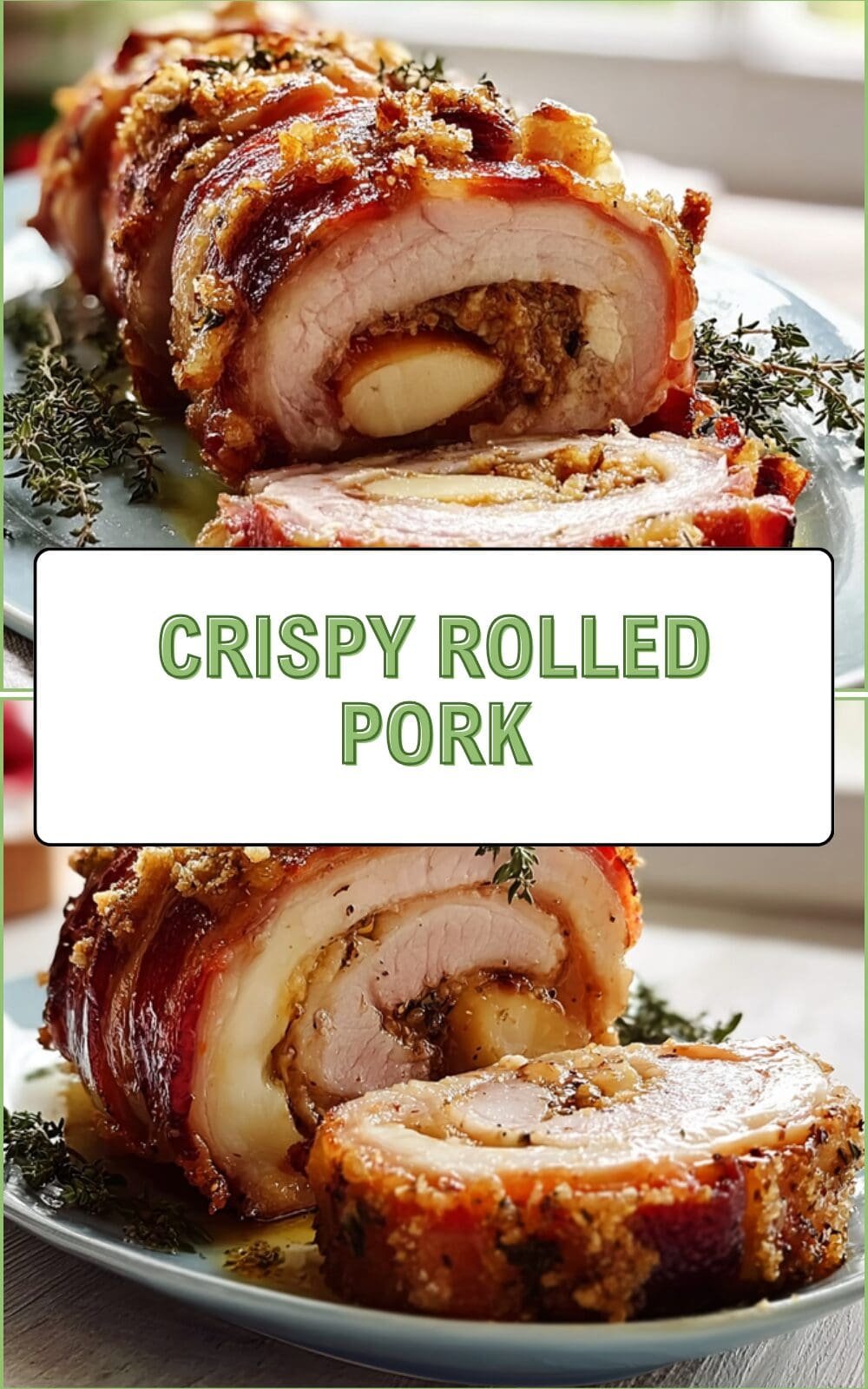
Getting crispy rolled pork right starts with careful prep, and this guide walks you through each part based on proven methods. Begin by patting the pork skin dry with paper towels; for the best results, leave it uncovered in the fridge overnight to remove excess moisture. This step is crucial as it sets the stage for that irresistible crackling texture.
Next, preheat your oven to 220°C (430°F) or 200°C fan to kick things off hot. Season the pork flesh with 1 1/2 teaspoons of the salt, all the black pepper, fennel seeds, and 1 tablespoon of olive oil, making sure to rub it into every nook for even flavor. Then, drizzle the remaining 1 teaspoon of olive oil over the skin and rub on the other 1 1/2 teaspoons of salt for full coverage.
Setting Up the Roast
Place the halved garlic and onions cut side up in a roasting pan, then lay the pork on top with the skin facing up. Pour the 2 cups of liquid whether it’s wine, cider, apple juice, chicken broth, or water into the pan carefully, avoiding the skin to keep it dry. Right away, drop the oven temperature to 160°C (320°F) or 140°C fan for slow roasting.
Roast uncovered for 2 1/2 hours in total. About halfway through, at the 1 1/2-hour mark, check if the skin is uneven; if so, use scrunched foil balls to level it and reposition any loose meat before continuing. Keep an eye on the pan, adding water if it gets dry, and if salt falls off the skin, lightly mist or brush with oil and reapply salt to those spots.
Finishing Touches and Gravy
Once the slow roast is done, crank the oven up to 250°C (485°F) or its highest setting and roast for another 30 minutes, rotating as needed for even crisping. If some areas brown too fast, use foil patches secured by soaked toothpicks to shield them. After roasting, remove the pork, tent it loosely with foil, and let it rest for 15 to 20 minutes so juices redistribute while keeping the crackling crisp.
Slice the pork with a serrated knife and serve it with homemade gravy to complete the meal. For the gravy, skim 3 tablespoons of fat from the roasting pan into a saucepan, then strain the remaining pan juices through a sieve, pressing the onions and garlic for extra flavor before discarding solids. Heat the fat, add the flour to make a roux, and gradually whisk in the chicken stock and strained juices until smooth. Simmer for about 3 minutes until thickened, and season with salt and pepper as needed.
This method ensures tender meat with perfect crackling, and the whole process takes around 3 hours and 20 minutes including prep and rest. If you’re pairing this with a beverage, check out our hibiscus mulled cider for a refreshing side that complements the rich flavors.

Dietary Substitutions to Customize Your Crispy Rolled Pork
Making this crispy rolled pork work for your diet is simple with a few smart swaps. For instance, if you’re aiming for a leaner meal, swap the pork shoulder with turkey breast to cut down on fat while keeping that crispy element. Plant-based eaters can use tofu or tempeh to mimic the texture, turning this into a versatile option for everyone at the table.
When it comes to seasonings, trade garlic for smoked paprika and cumin if you want a smoky vibe, or incorporate roasted vegetables like Brussels sprouts as sides for added nutrition. For gluten-free needs, replace flour in the gravy with a gluten-free alternative and ensure all broths are certified safe.
Adapting for Specific Diets
Vegetable modifications can include using seasonal picks like carrots alongside the onions for extra color and vitamins. If you’re watching calories, reduce the oil slightly or skim more fat from the gravy to lighten things up. These changes keep the dish exciting and inclusive without losing its core appeal.
Mastering Crispy Rolled Pork: Advanced Tips and Variations
To take your crispy rolled pork to the next level, try techniques like starting with sous vide for an ultra-tender interior before the final crisp. Experiment with flavors by adding herbs such as rosemary or thyme alongside the fennel seeds for a fresh twist. Presentation matters too slice thinly and top with fresh parsley for a polished look that impresses guests.
For make-ahead meals, roll and season the pork the night before, then refrigerate it to save time on busy days. Remember tips like ensuring the skin is bone-dry and using kosher salt for that bubbly crackling effect. Slow roasting at low heat keeps the meat juicy, while a quick high-heat finish locks in the crunch.
Storage and Flavor Hacks
Adjust cooking times based on roast size, and for deeper gravy color, add a dash of dark soy sauce. If you’re storing leftovers, keep the crackling separate to maintain its texture when reheating.
How to Store Crispy Rolled Pork: Best Practices
Proper storage keeps your crispy rolled pork tasting great for days. Put it in an airtight container and refrigerate for up to 3 days to maintain freshness. For longer keep, wrap it tightly in foil and freeze for up to 2 months.
When reheating, use an oven at 180°C (350°F) to preserve the crispiness instead of a microwave. This approach works well for meal prep, letting you portion out servings for quick meals during the week.
FAQs: Frequently Asked Questions About Crispy Rolled Pork
What cut of pork is best for making crispy rolled pork crackling?
The ideal cut for crispy rolled pork crackling is boneless pork shoulder with the skin left intact. Freshly butchered pork with dry, flat skin works best, as vacuum-packed meat often retains moisture that hinders crisping. Avoid pork loin or tenderloin since their leaner texture doesn’t produce good crackling and can become dry during cooking.
How do I prepare the pork skin to get crispy crackling without scoring it?
To achieve crispy crackling without scoring, ensure the pork skin is thoroughly dried by patting it with paper towels and then leaving it uncovered in the fridge for several hours or overnight. Rub plenty of salt over the dry skin to draw out moisture and encourage bubbling during roasting, which creates the desired crispy texture.
Can I cover the pork while roasting if I want crispy crackling?
No, the pork should be roasted uncovered. Covering traps steam, increasing moisture, which prevents the skin from crisping up. Roasting the pork skin exposed to dry heat allows it to dry further and bubble into crunchy crackling.
What is the best roasting technique to ensure tender meat and crispy crackling?
Start with a slow roast at a low temperature around 320°F (160°C) for about 2.5 hours to cook the meat evenly and retain juiciness. Then increase the oven temperature to the highest setting (around 485°F or 250°C) for 20 to 30 minutes to blast the skin, causing it to bubble and become crisp.
How should I rest the pork after cooking to keep the meat juicy and crackling crisp?
After roasting, let the pork rest loosely covered with foil for 15 to 20 minutes. This resting period allows the juices to redistribute within the meat, improving tenderness without steaming the crackling, so the skin remains crisp when served.
Crispy Rolled Pork
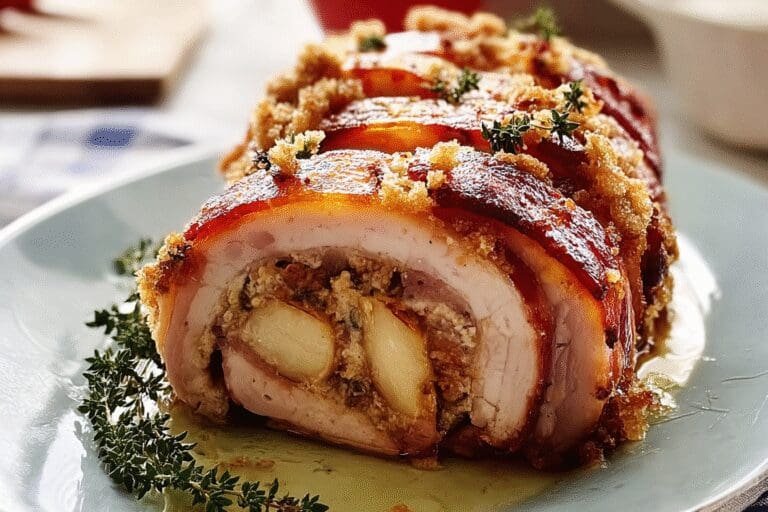
🐖 This Pork Roast Recipe with Crispy Crackling delivers tender, juicy meat paired with irresistible, crunchy crackling that elevates any meal.
🔥 The perfect seasoning blend and slow roasting technique ensure flavorful, moist pork and an impressive golden crust.
- Total Time: 3 hours 35 minutes
- Yield: 10 servings
Ingredients
– 3 kg (6 lb) boneless skin-on pork shoulder, unscored and unrolled with netting removed
– 3 teaspoons cooking or kosher salt (not salt flakes or table salt)
– 1 1/4 teaspoons black pepper
– 2 teaspoons fennel seeds or other herb/spice of choice
– 1 tablespoon plus 1 teaspoon olive oil
– 1 garlic bulb, halved horizontally
– 2 onions, halved (brown, white, or red)
– 2 cups dry white wine or alcoholic/non-alcoholic cider (alternatively apple juice, chicken broth, or water)
– 1/4 cup flour for the gravy
– 2 cups low sodium chicken broth or stock for the gravy
– Salt and pepper to taste for the gravy
Instructions
1-Preparation: Getting crispy rolled pork right starts with careful prep, and this guide walks you through each part based on proven methods. Begin by patting the pork skin dry with paper towels; for the best results, leave it uncovered in the fridge overnight to remove excess moisture. This step is crucial as it sets the stage for that irresistible crackling texture.
2-Preparation: Next, preheat your oven to 220°C (430°F) or 200°C fan to kick things off hot. Season the pork flesh with 1 1/2 teaspoons of the salt, all the black pepper, fennel seeds, and 1 tablespoon of olive oil, making sure to rub it into every nook for even flavor. Then, drizzle the remaining 1 teaspoon of olive oil over the skin and rub on the other 1 1/2 teaspoons of salt for full coverage.
3-Setting Up the Roast: Place the halved garlic and onions cut side up in a roasting pan, then lay the pork on top with the skin facing up. Pour the 2 cups of liquid whether it’s wine, cider, apple juice, chicken broth, or water into the pan carefully, avoiding the skin to keep it dry. Right away, drop the oven temperature to 160°C (320°F) or 140°C fan for slow roasting.
4-Roasting instructions: Roast uncovered for 2 1/2 hours in total. About halfway through, at the 1 1/2-hour mark, check if the skin is uneven; if so, use scrunched foil balls to level it and reposition any loose meat before continuing. Keep an eye on the pan, adding water if it gets dry, and if salt falls off the skin, lightly mist or brush with oil and reapply salt to those spots.
5-Finishing Touches and Gravy: Once the slow roast is done, crank the oven up to 250°C (485°F) or its highest setting and roast for another 30 minutes, rotating as needed for even crisping. If some areas brown too fast, use foil patches secured by soaked toothpicks to shield them. After roasting, remove the pork, tent it loosely with foil, and let it rest for 15 to 20 minutes so juices redistribute while keeping the crackling crisp.
6-Slicing and Making Gravy: Slice the pork with a serrated knife and serve it with homemade gravy to complete the meal. For the gravy, skim 3 tablespoons of fat from the roasting pan into a saucepan, then strain the remaining pan juices through a sieve, pressing the onions and garlic for extra flavor before discarding solids. Heat the fat, add the flour to make a roux, and gradually whisk in the chicken stock and strained juices until smooth. Simmer for about 3 minutes until thickened, and season with salt and pepper as needed.
Last Step:
Please leave a rating and comment letting us know how you liked this recipe! This helps our business to thrive and continue providing free, high-quality recipes for you.Notes
🔪 Use flat boneless pork shoulder with smooth skin for best crackling results.
🌡️ Ensure skin is very dry before cooking; drying overnight in fridge is ideal.
🔥 Slow roast uncovered at low temperature then finish with high heat blast for crispy crackling.
- Prep Time: 15 minutes
- Cooking and resting time: 3 hours 20 minutes
- Cook Time: 3 hours 5 minutes
- Category: Main Dish
- Method: Slow roasting, finishing with high heat, resting
- Cuisine: European
- Diet: Contains meat
Nutrition
- Serving Size: Approximately 300g
- Calories: 746 kcal
- Sugar: 0 g
- Sodium: 900 mg
- Fat: 55 g
- Saturated Fat: 20 g
- Unsaturated Fat: 25 g
- Trans Fat: 0 g
- Carbohydrates: 2 g
- Fiber: 0 g
- Protein: 60 g
- Cholesterol: 210 mg