Why You’ll Love This Croissant Bread Pudding
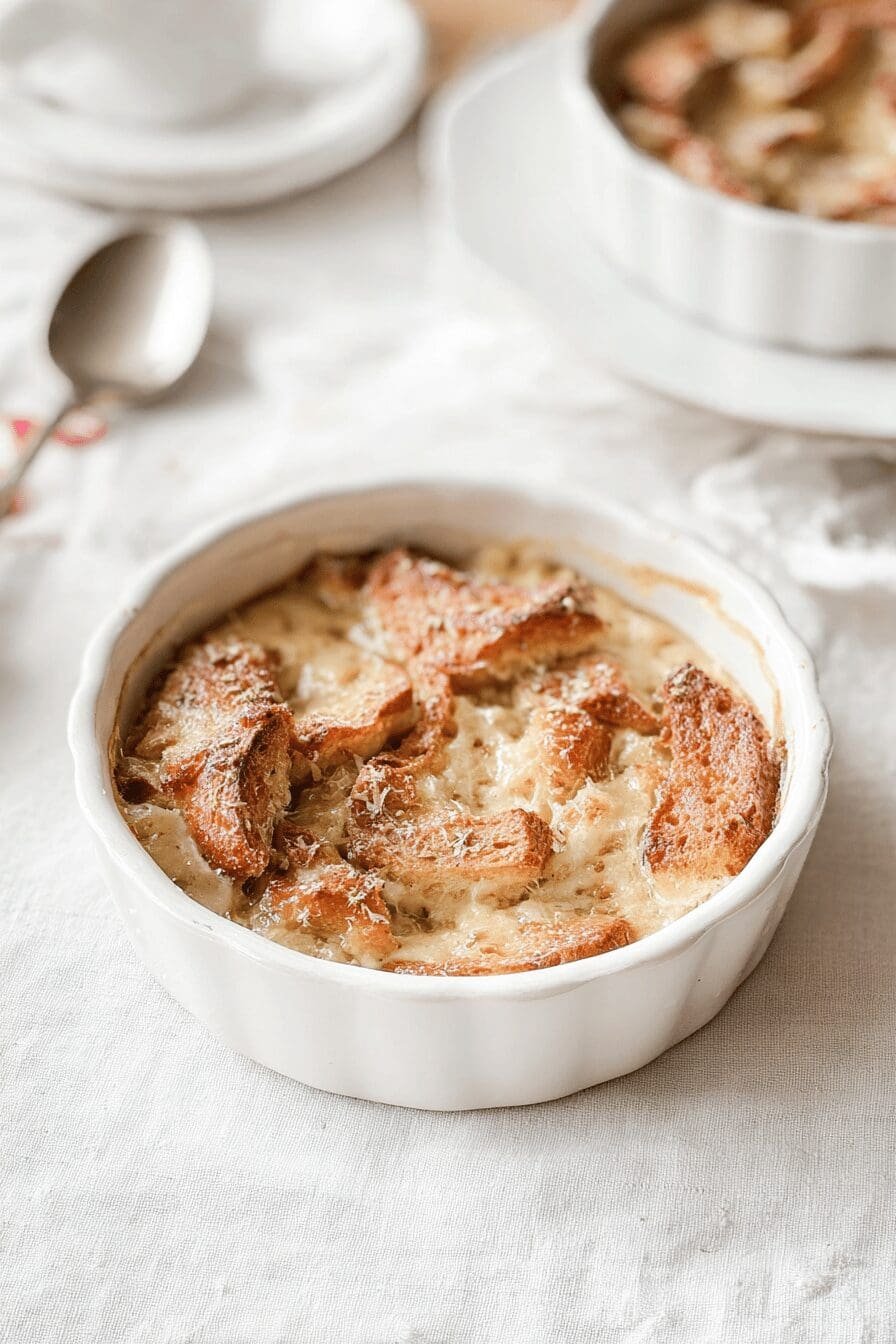
Croissant bread pudding is the perfect way to transform day-old croissants into an indulgent, restaurant-quality dessert that feels both elegant and comforting. This dreamy dessert takes the flaky, buttery goodness of croissants and elevates it with a rich, creamy custard infused with warm vanilla and cinnamon.
What makes this croissant bread pudding so special? First, it’s incredibly simple to prepare with minimal ingredients. In just about an hour from start to finish, you can create a dessert that looks and tastes like it came from a high-end pastry shop. The straightforward method makes it perfect for busy weeknights when you want something special without spending hours in the kitchen.
The magic of croissant bread pudding lies in how the flaky layers absorb the custard, creating a perfect harmony of textures crisp edges, soft interior, and pockets of buttery goodness throughout.
This dessert also offers surprising versatility. While traditionally sweet and rich, you can easily modify the recipe to accommodate various dietary preferences. Whether you need a gluten-free version, a lighter alternative with fewer calories, or a plant-based option, croissant bread pudding adapts beautifully to your needs without sacrificing its signature decadent flavor profile.
Health Benefits of Enjoying in Moderation
While certainly an indulgent dessert, croissant bread pudding does offer some redeeming qualities. The eggs provide protein, and by using high-quality ingredients, you’re creating a dessert with wholesome components rather than processed ones. Additionally, the recipe’s adaptability means you can make adjustments to suit your dietary goals while still enjoying a satisfying treat.
If you’re looking for other delightful dessert recipes, you might enjoy our apple spice crumb muffins, which offer a similar warm spice profile but in a portable breakfast-friendly format.
Jump to:
- Why You’ll Love This Croissant Bread Pudding
- Health Benefits of Enjoying in Moderation
- Essential Ingredients for Croissant Bread Pudding
- Ingredients List
- Understanding Key Ingredients
- Dietary Considerations
- How to Prepare the Perfect Croissant Bread Pudding: Step-by-Step Guide
- Preparation Steps
- Tips for Perfect Texture
- Nutritional Information of Croissant Bread Pudding
- Nutrition per Serving (based on 12 servings)
- Dietary Substitutions to Customize Your Croissant Bread Pudding
- Bread Alternatives for Different Diets
- Custard Modifications
- Flavor Variations
- Mastering Croissant Bread Pudding: Advanced Tips and Variations
- Professional Techniques
- Creative Variations
- How to Store Croissant Bread Pudding: Best Practices
- Refrigeration Guidelines
- Freezing Tips and Techniques
- Thawing and Reheating Instructions
- FAQs: Frequently Asked Questions About Croissant Bread Pudding
- How can I tell when croissant bread pudding is fully baked?
- What toppings work best with croissant bread pudding?
- Should croissant bread pudding be served warm or cold?
- Can I prepare croissant bread pudding in advance?
- What makes croissant bread pudding different from traditional bread pudding?
- Croissant Bread Pudding
- Ingredients
- Instructions
- Last Step:
- Notes
- Nutrition
- Did you make this recipe?
Essential Ingredients for Croissant Bread Pudding
The secret to an outstanding croissant bread pudding lies in using quality ingredients that work in harmony. Each component plays a crucial role in creating the perfect balance of flavor, texture, and richness that makes this dessert so memorable.
Before we proceed with the recipe, let’s gather all the necessary ingredients. Remember that using day-old or slightly stale croissants works best here, as they’ll absorb the custard mixture without becoming overly soggy.
Ingredients List
- 6-8 large croissants, day-old or stale, cut into 1-inch pieces (about 8 cups)
- 1 tablespoon softened butter for greasing the pan
- 6 large eggs at room temperature
- 1 cup whole or 2% milk
- 1 cup heavy whipping cream
- ¼ cup granulated sugar
- 1 teaspoon pure vanilla extract
- ½ teaspoon cinnamon
- ¼ teaspoon salt
- Vanilla sauce or crème anglaise for serving
- Fresh berries for serving (optional)
Understanding Key Ingredients
The croissants form the foundation of this dish, providing that distinctive buttery flavor and flaky texture that sets this bread pudding apart from versions made with ordinary bread. The eggs bind everything together while creating that characteristic custardy consistency we all love.
The combination of milk and heavy whipping cream creates the perfect richness too much cream can make the pudding overly heavy, while too much milk might result in a less luxurious texture. This balanced approach gives you the ideal creamy consistency without weighing you down.
Dietary Considerations
One of the beauties of this croissant bread pudding is how easily it adapts to different dietary needs without compromising on taste or texture. For those with specific dietary requirements, consider these straightforward substitutions:
- Dairy-free: Replace the butter with your preferred plant-based alternative, swap the milk and cream for coconut milk or almond milk, and use vegan croissants.
- Gluten-free: Use gluten-free croissants or substitute with another gluten-free bread option.
- Lower sugar: Reduce the sugar amount to 2 tablespoons or use a natural sweetener like maple syrup or honey.
If you’re interested in other fruit-based recipes that pair beautifully with bread pudding, check out our wild blueberry preserves for a tasty accompaniment.
How to Prepare the Perfect Croissant Bread Pudding: Step-by-Step Guide
Making croissant bread pudding is surprisingly straightforward, but there are a few key techniques that ensure success every time. This step-by-step guide will walk you through the process, whether you’re a beginner or an experienced baker looking to perfect your method.
Preparation Steps
- Preheat the oven to 350°F (180°C), or 160°C for a fan oven. Grease a 9×13 inch baking dish with the softened butter.
- Cut the croissants into 1-inch pieces and place them in the greased baking dish.
- In a bowl, whisk together the 6 large eggs, 1 cup whole or 2% milk, 1 cup heavy whipping cream, ¼ cup granulated sugar, 1 teaspoon pure vanilla extract, ½ teaspoon cinnamon, and ¼ teaspoon salt until fully combined.
- Pour the custard mixture over the croissant pieces and let it sit at room temperature for 20 minutes to soak. Alternatively, cover and refrigerate overnight if preparing ahead.
- Cover the dish with foil and bake for 30 minutes. Remove the foil and bake for another 10-15 minutes until golden brown and the custard reaches an internal temperature of 160°F (70°C).
- Serve warm or at room temperature, topped with vanilla sauce or crème anglaise and fresh berries if desired.
Tips for Perfect Texture
The key to achieving that perfect balance of crispy edges and custardy interior lies in proper soaking time. Be patient during the 20-minute soaking period this allows the croissants to absorb just enough custard without becoming waterlogged.
When baking, starting with the foil on allows the custard to set without the top browning too quickly. Removing the foil for the final 10-15 minutes gives you that beautiful golden-brown crust that’s so appealing. For even more texture variation, you can turn on the broiler for the last minute or two to create caramelized, crispy edges.
For a classic bread pudding version that inspired this recipe, check out this trusted traditional bread pudding recipe that showcases the timeless technique behind this comforting dessert.
| Preparation Time | Details |
|---|---|
| Prep time | 25 minutes |
| Cook time | 40 minutes |
| Total time | 1 hour 5 minutes |
Nutritional Information of Croissant Bread Pudding
While croissant bread pudding is certainly an indulgent dessert, being mindful of its nutritional content can help you enjoy it as part of a balanced diet. This recipe yields 12 servings, allowing for reasonable portion sizes that can satisfy your sweet tooth without excess.
Nutrition per Serving (based on 12 servings)
| Nutrient | Amount |
|---|---|
| Calories | 260 kcal |
| Carbohydrates | 19 g |
| Protein | 7 g |
| Fat | 17 g |
| Saturated Fat | 10 g |
| Cholesterol | 140 mg |
| Sodium | 202 mg |
| Fiber | 1 g |
| Sugar | 9 g |
As with most desserts, croissant bread pudding is best enjoyed in moderation as an occasional treat rather than a daily indulgence. The high-fat content comes primarily from the croissants and heavy cream, which contribute to its rich, satisfying texture. If you’re looking to reduce calories, consider using half-and-half instead of heavy cream and reducing the sugar slightly noting that this will change the classic texture and flavor profile.

Dietary Substitutions to Customize Your Croissant Bread Pudding
One of the beautiful aspects of croissant bread pudding is its adaptability to different dietary preferences and restrictions. With a few simple substitutions, you can create a version that suits your specific needs while still delivering on taste and texture.
Bread Alternatives for Different Diets
While traditional croissants create the classic flavor profile, you can substitute with other bread varieties depending on availability or dietary needs:
- Brioche: Offers a similarly rich, buttery texture and creates a decadent result.
- Challah: Provides a slightly sweeter flavor and softer texture.
- French bread: Creates a more traditional bread pudding taste with a sturdier texture.
- Gluten-free bread: Use a sturdy gluten-free variety to maintain structure.
- Whole grain bread: Adds nutritional value, though the flavor will be different.
Custard Modifications
The custard is what gives bread pudding its signature creamy texture, and it can be modified in several ways:
- Dairy-free: Replace milk and cream with full-fat coconut milk or a combination of almond milk and coconut cream. Use plant-based butter for greasing the pan.
- Lower fat: Substitute half-and-half or whole milk for the heavy cream. Note that this will result in a less rich texture.
- Egg-free: Use a commercial egg replacer or a mixture of 1 tablespoon ground flaxseed combined with 3 tablespoons water per egg.
Flavor Variations
Customizing the flavors of your croissant bread pudding is an easy way to create a dessert that feels uniquely yours:
- Citrus twist: Add the zest of one lemon or orange to the custard mixture.
- Chocolate lovers: Sprinkle chocolate chips between the layers of croissants before adding the custard.
- Nutty delight: Add 1/2 cup toasted pecans, walnuts, or almonds to the croissant pieces.
- Spirited version: Add 2 tablespoons of rum, bourbon, or brandy to the custard for adult gatherings.
- Spice blend: Experiment with adding 1/4 teaspoon nutmeg or cardamom along with the cinnamon.
Mastering Croissant Bread Pudding: Advanced Tips and Variations
Once you’ve mastered the basic croissant bread pudding recipe, you might want to elevate your technique or explore more creative variations. These advanced tips and variations will help you create professional-quality results that will impress friends and family.
Professional Techniques
For a truly exceptional croissant bread pudding, consider these professional techniques:
- Water bath method: Place your baking dish inside a larger pan filled with about an inch of hot water. This gentle cooking method prevents the edges from drying out and ensures a silky, evenly-cooked custard.
- Double-bake technique: After the initial baking, let the pudding cool completely, then refrigerate overnight. The next day, cut into squares and bake briefly at a higher temperature (400°F) to create perfectly crisp edges while maintaining a creamy interior.
- Layering method: Instead of simply pouring the custard over the croissants, layer the croissant pieces and custard in alternating tiers, allowing each layer to absorb some custard before adding the next. This creates distinct textural zones in the finished dessert.
The key to restaurant-quality bread pudding lies in patience allowing the bread to fully absorb the custard, baking slowly to achieve the perfect texture, and giving it a proper resting time before serving.
Creative Variations
Once you’re comfortable with the basic recipe, try these creative variations:
- Savory version: Skip the sugar and vanilla. Instead, add herbs, grated cheese, and perhaps some cooked vegetables or breakfast meat for a delicious brunch dish.
- Bread pudding trifle: Cube the baked bread pudding and layer it in a glass trifle dish with berries, whipped cream, and perhaps a liqueur syrup for an impressive presentation.
- Bread pudding French toast: Cut leftover chilled bread pudding into thick slices and pan-fry in butter until golden on both sides for an ultra-decadent breakfast.
- Bread pudding cupcakes: Bake the pudding in a muffin tin for individual servings with extra crispy edges. Perfect for parties or portion control.
How to Store Croissant Bread Pudding: Best Practices
Enjoying croissant bread pudding doesn’t have to be limited to the day it’s made. With proper storage techniques, you can preserve its quality and enjoy it for days after preparation. Here’s how to store this delightful dessert to maintain its texture and flavor.
Refrigeration Guidelines
Croissant bread pudding should be stored in an airtight container in the refrigerator within two hours of baking. Properly refrigerated, it will maintain its quality for up to 4 days. For the best results when reheating, cover the dish with foil to prevent the top from drying out while warming in a 325°F oven until heated through (about 15-20 minutes).
Freezing Tips and Techniques
Croissant bread pudding freezes surprisingly well, making it an excellent make-ahead dessert for future gatherings:
- Allow the pudding to cool completely before freezing.
- Cut into individual portions or freeze the entire dish.
- Wrap tightly first in plastic wrap, then in aluminum foil to prevent freezer burn.
- Label with the date and contents for easy identification.
- Frozen bread pudding will maintain quality for up to 1 month.
Thawing and Reheating Instructions
When you’re ready to enjoy your frozen croissant bread pudding, the method matters:
- For individual portions: Thaw overnight in the refrigerator, then reheat in the microwave or a 300°F oven until warm throughout.
- For the entire dish: Transfer to the refrigerator for 24 hours to thaw, then reheat covered in a 325°F oven for 20-30 minutes.
- For a quick option: You can bake directly from frozen, but increase the baking time significantly and reduce the temperature to 300°F to avoid burning the outside before the inside is heated through.
Pro tip: When planning for an event, consider that croissant bread pudding actually tastes better a day after baking, as the flavors have more time to meld and mature.
FAQs: Frequently Asked Questions About Croissant Bread Pudding
How can I tell when croissant bread pudding is fully baked?
Croissant bread pudding is done when the top is golden brown and a knife or toothpick inserted in the center comes out clean. Internally, it should reach about 160°F (70°C) to ensure the custard is set and safe to eat. Avoid overbaking, as croissants can dry out quickly.
What toppings work best with croissant bread pudding?
Popular toppings include warm vanilla sauce, caramel drizzle, or a dusting of powdered sugar. Fresh berries or whipped cream also complement the rich, buttery flavor of croissants. Choose toppings that add moisture and contrast to the crispy edges.
Should croissant bread pudding be served warm or cold?
Croissant bread pudding is typically served warm to enjoy its soft, custardy texture and buttery flavor, often fresh from the oven. However, it can also be served chilled, which firms up the pudding and can be especially refreshing on warm days.
Can I prepare croissant bread pudding in advance?
Yes, croissant bread pudding can be assembled a day ahead and refrigerated before baking. This allows the custard to soak into the croissants for richer flavor. Bake shortly before serving for the best texture and taste.
What makes croissant bread pudding different from traditional bread pudding?
Croissant bread pudding uses flaky, buttery croissants instead of regular bread, resulting in a richer, more decadent dish with a tender, layered texture. The croissant’s layers absorb custard differently, creating a custard that’s creamy inside with crisp, caramelized edges.
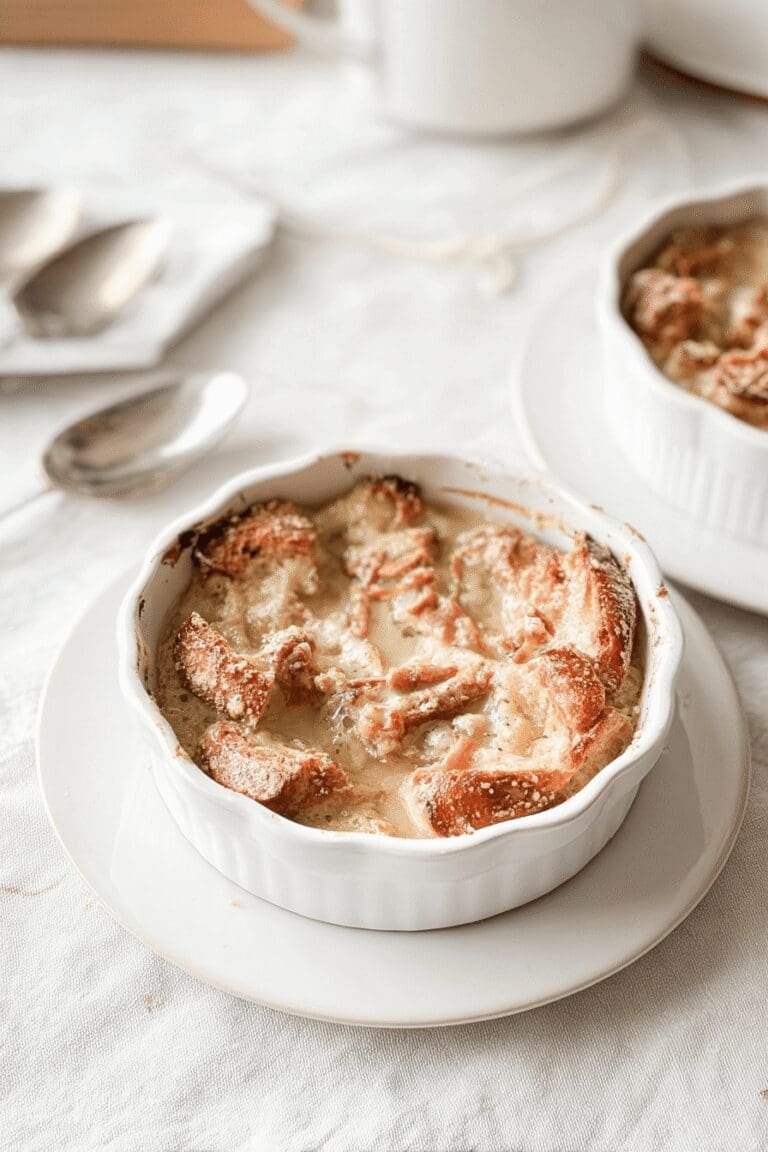
Croissant Bread Pudding
🥐 Savor the rich, buttery flavor of croissants combined with a creamy custard and warm spices in this comforting bread pudding.
🍓 This recipe is simple to prepare and perfect for a cozy dessert or special brunch, enhanced by optional fresh berries and vanilla sauce.
- Total Time: 1 hour 5 minutes
- Yield: 12 servings 1x
Ingredients
6–8 large croissants, day-old or stale, cut into 1-inch pieces (about 8 cups)
1 tablespoon softened butter for greasing the pan
6 large eggs at room temperature
1 cup whole or 2% milk
1 cup heavy whipping cream
¼ cup granulated sugar
1 teaspoon pure vanilla extract
½ teaspoon cinnamon
¼ teaspoon salt
Vanilla sauce or crème anglaise for serving
Fresh berries for serving (optional)
Instructions
1-Preheat the oven to 350°F (180°C), or 160°C for a fan oven. Grease a 9×13 inch baking dish with the softened butter.
2-Cut the croissants into 1-inch pieces and place them in the greased baking dish.
3-In a bowl, whisk together the 6 large eggs, 1 cup whole or 2% milk, 1 cup heavy whipping cream, ¼ cup granulated sugar, 1 teaspoon pure vanilla extract, ½ teaspoon cinnamon, and ¼ teaspoon salt until fully combined.
4-Pour the custard mixture over the croissant pieces and let it sit at room temperature for 20 minutes to soak. Alternatively, cover and refrigerate overnight if preparing ahead.
5-Cover the dish with foil and bake for 30 minutes. Remove the foil and bake for another 10-15 minutes until golden brown and the custard reaches an internal temperature of 160°F (70°C).
6-Serve warm or at room temperature, topped with vanilla sauce or crème anglaise and fresh berries if desired.
Last Step:
Please leave a rating and comment letting us know how you liked this recipe! This helps our business to thrive and continue providing free, high-quality recipes for you.Notes
🍞 Use slightly stale croissants to better absorb custard for optimal texture.
🔥 To quickly stale croissants, dry cubed pieces in a low oven before using.
🍰 Customize by adding fresh berries into the custard or trying different toppings like caramel or chocolate sauce.
- Prep Time: 25 minutes
- Cook time: 40 minutes
- Cook Time: 40 minutes
- Category: Dessert, Breakfast
- Method: Baking
- Cuisine: American
- Diet: Vegetarian
Nutrition
- Serving Size: 1 serving
- Calories: 260 kcal
- Sugar: 9 g
- Sodium: 202 mg
- Fat: 17 g
- Saturated Fat: 10 g
- Unsaturated Fat: 6 g
- Trans Fat: 0.04 g
- Carbohydrates: 19 g
- Fiber: 1 g
- Protein: 7 g
- Cholesterol: 140 mg