Why You’ll Love This Healthy Butternut Squash Muffins
Healthy butternut squash muffins are a simple yet delicious recipe that fits perfectly into busy lifestyles, making them a go-to choice for families and health-minded folks alike. These muffins shine because of their ease of preparation, which involves minimal steps and quick roasting or using ready-made puree, allowing you to whip up a batch in just 40 minutes from start to finish. Whether you’re a working parent or a college student, the one-bowl method keeps things straightforward and mess-free, so you can enjoy fresh muffins without spending all day in the kitchen.
From a health standpoint, these nutritious butternut muffins pack a punch with vitamins A and C, fiber, and lower sugar content, making them an excellent snack for toddlers and adults looking to boost their wellness. Each muffin delivers about 161 calories, with good amounts of protein and healthy fats from ingredients like Greek yogurt and olive oil, promoting satiety and energy. This blend of nutrients supports overall health, turning these squash muffins into a smart option for diet-conscious individuals who want to enjoy treats without guilt.
One of the best aspects of these healthy butternut squash muffins is their versatility, as they adapt effortlessly to various diets and occasions, from a quick breakfast to a lunchbox staple or even a holiday treat. You can swap ingredients like flour for gluten-free options or use plant-based substitutes, making them suitable for vegans and those with dietary restrictions. Plus, the distinctive flavor from warm spices and natural sweetness of the squash creates a moist texture that’s utterly irresistible, setting these muffins apart as a favorite for baking enthusiasts and party hosts.
- They offer ease of preparation with quick prep and cooking time, perfect for one-bowl mixing or using pre-made puree to save effort.
- Health benefits include high levels of vitamins A and C, fiber, and low sugar, making healthy butternut squash muffins a nutritious choice for everyone from babies to seniors.
- Versatility allows for easy swaps to fit different diets and meals, like turning them into gluten-free squash muffins for breakfast or snacks on the go.
- The distinctive flavor comes from natural sweetness and warm spices, giving these nutritious butternut muffins a moist, comforting texture that stands out.
This recipe not only meets your daily needs but also brings joy to your table, as it’s toddler-approved and freezer-friendly for easy meal prep. For more on how these muffins can enhance your routine, check out our guide on healthy blueberry muffins recipe, which shares similar quick and wholesome ideas.
Jump to:
- Why You’ll Love This Healthy Butternut Squash Muffins
- Essential Ingredients for Healthy Butternut Squash Muffins
- Special Dietary Options
- How to Prepare the Perfect Healthy Butternut Squash Muffins: Step-by-Step Guide
- First Step: Preparation and Mise en Place
- Second Step: Combining Dry Ingredients
- Third Step: Mixing Wet Ingredients
- Fourth Step: Combining and Folding
- Fifth Step: Portioning the Batter
- Sixth Step: Baking the Muffins
- Seventh Step: Cooling and Finishing Touches
- Dietary Substitutions to Customize Your Healthy Butternut Squash Muffins
- Protein and Main Component Alternatives
- Vegetable, Sauce, and Seasoning Modifications
- Mastering Healthy Butternut Squash Muffins: Advanced Tips and Variations
- How to Store Healthy Butternut Squash Muffins: Best Practices
- FAQs: Frequently Asked Questions About Healthy Butternut Squash Muffins
- What can I use as a substitute for butternut squash puree in muffins?
- Can I make healthy butternut squash muffins gluten-free?
- How should I store and reheat butternut squash muffins to maintain freshness?
- What are healthy alternatives to sugar or maple syrup for sweetening butternut squash muffins?
- Can I add mix-ins like nuts or chocolate chips to butternut squash muffins?
- Healthy Butternut Squash Muffins
- Ingredients
- Instructions
- Last Step:
- Notes
- Nutrition
- Did you make this recipe?
Essential Ingredients for Healthy Butternut Squash Muffins
Creating the perfect batch of healthy butternut squash muffins starts with selecting the right components, and understanding each one’s role can boost your baking game. Below is a detailed list of all the ingredients needed, drawn directly from the recipe, formatted for clarity. Each item includes its precise measurement and a brief explanation to help Matthews you why it matters.
- 1 cup butternut squash puree (canned or cooked and mashed) – provides moisture, natural sweetness, and key nutrients like vitamin A and C.
- 2 eggs – acts as a binder and adds protein for structure and a light texture.
- 1/4 cup maple syrup – serves as a natural sweetener and adds a hint of flavor while keeping sugar levels low.
- 1/4 cup unsweetened applesauce – contributes moisture and subtle sweetness, helping reduce the need for excessive sugar.
- 1/2 cup plain Greek yogurt – offers creaminess, protein, and tanginess, while also enhancing the muffins’ moistness.
- 1/3 cup extra virgin olive oil – delivers healthy fats for tenderness and a rich mouthfeel in these squash muffins.
- 1 teaspoon vanilla – infuses a warm, aromatic note that complements the spices and overall flavor profile.
- 1 cup all-purpose flour (or gluten-free all-purpose flour as a substitute) – provides the base structure and helps with rising.
- 1 cup old fashioned oats (rolled oats) – adds fiber, texture, and a hearty element to these nutritious butternut muffins.
- 2 teaspoons baking powder – ensures the muffins rise properly for a light and fluffy result.
- 1/2 teaspoon salt – balances flavors and enhances the natural taste of the ingredients.
- 1 tablespoon pumpkin pie spice (or a combination of cinnamon and nutmeg as substitutes) – delivers warm, spicy notes that make healthy butternut squash muffins distinctly flavorful.
Special Dietary Options
For those with specific needs, here are clear swaps to customize your healthy butternut squash muffins. For vegan versions, use flax or chia eggs instead of regular eggs, and opt for plant-based yogurt to keep things dairy-free. Gluten-free options include using gluten-free all-purpose flour blends or oat flour to maintain that perfect texture. If you’re aiming for low-calorie squash muffins, replace oil with applesauce and cut back on sweetener for a lighter treat without losing moisture or taste.
How to Prepare the Perfect Healthy Butternut Squash Muffins: Step-by-Step Guide
Getting ready to bake healthy butternut squash muffins is an exciting process that’s simple and rewarding, perfect for home cooks of all levels. This guide walks you through each step with clear details, ensuring your muffins turn out moist and full of flavor every time. Start by gathering your tools and ingredients to make the process smooth and enjoyable.
First Step: Preparation and Mise en Place
Begin by preheating your oven to 400 degrees F to ensure it’s hot and ready when you are. If you’re using fresh squash, roast or steam it until soft, then mash it into puree; otherwise, open a can for quick convenience. Line your muffin tray with silicone cups or paper liners, and grease them if needed to prevent sticking. Measure out all ingredients in advance so everything is at hand this helps avoid interruptions and makes adapting for dietary needs, like vegan substitutes, easier.
Second Step: Combining Dry Ingredients
In a separate bowl, whisk together the dry components to get an even mix. Combine 1 cup all-purpose flour, 1 cup old fashioned oats, 2 teaspoons baking powder, 1/2 teaspoon salt, and 1 tablespoon pumpkin pie spice for that signature warm flavor in your healthy butternut squash muffins. This step is key for even distribution, and if you’re making gluten-free squash muffins, swap the flour now to keep the batter light and airy.
Third Step: Mixing Wet Ingredients
Now, focus on the wet ingredients by whisking them in a 말 large bowl until smooth. Stir together 1 cup butternut squash puree, 2 eggs (or flax eggs for vegan options), 1/4 cup maple syrup, 1/4 cup unsweetened applesauce, 1/2 cup plain Greek yogurt, 1/3 cup extra virgin olive oil, and 1 teaspoon vanilla. This mixture forms the base that gives your nutritious butternut muffins their moisture and taste, and you can adjust for low-calorie versions by using more applesauce instead of oil.
Fourth Step: Combining and Folding
Gently fold the dry ingredients into the wet ones, stirring just until combined to keep the batter lumpy as overmixing can make your healthy butternut squash muffins dense. If you want to add extras like nuts, fold them in now for added crunch. This technique works well MO for dietary adaptations, ensuring gluten free or low-calorie versions still rise properly use a gentle hand with your whisk or spoon for the best results.
Fifth Step: Portioning the Batter
Use a scoop or spoon to fill the muffin cavities about 3/4 full, which allows room for rising without overflowing. If you’re topping with extras like oats or seeds, add them now for texture. This step is straightforward and adaptable, so for vegan healthy butternut squash muffins, double-check your substitutes to maintain that perfect batter consistency.
Sixth Step: Baking the Muffins
Bake in the center of the oven for 19-23 minutes, or until a toothpick inserted comes out clean and the tops are lightly browned. Keep an eye on the time to avoid over-baking, which can dry out low-calorie squash muffins test at the 18-minute mark if needed. For troubleshooting, if muffins seem soggy, ensure your puree isn’t too watery by draining it first.
Seventh Step: Cooling and Finishing Touches
Let互通 the muffins cool in the tray for a few minutes before transferring to wire racks for complete cooling, which helps them set without collapsing. Once cool, consider pairings like nut butter or Greek yogurt. For serving, enjoy them warm or cold, and remember these nutritious butternut muffins freeze well for meal prep.
As a final note, follow these steps closely, and your healthy butternut squash muffins will be a hit. For more baking inspiration, explore our article on mastering muffin techniques to refine your skills even further.

Dietary Substitutions to Customize Your Healthy Butternut Squash Muffins
Protein and Main Component Alternatives
When adapting healthyServe butternut squash muffins for different diets, start with protein swaps like replacing eggs with flax or chia eggs for vegan options, which maintain binding without altering taste much. For dairy, swap Greek yogurt with almond milk yogurt to keep things plant-based, and use applesauce in place of oil for lower-fat versions that still deliver moisture. Wheat flour can be substituted with gluten-free blends, and adding nut butters or protein powder boosts nutrition while preserving the muffins’ light texture.
Vegetable, Sauce, and Seasoning Modifications
Swap butternut squash puree for pumpkin or sweet potato to vary the veggies, which might slightly change the sweetness and baking time aim for similar moisture levels. For sweeteners, use date paste or mashed bananas instead of maple syrup to cut calories, and experiment with spice blends like ginger or cardamom for new flavors in your squash muffin GLOBAL variations. These changes help with allergies and keep the muffins adaptable, ensuring everyone can enjoy a moist, delicious result.
Mastering Healthy Butternut Squash Muffins: Advanced Tips and Variations
To take your healthy butternut squash muffins to the next level, focus on pro techniques like roasting the squash for caramelized flavors that enhance the natural sweetness. Use a kitchen scale for precise measurements to avoid dense muffins, and fold the batter gently to keep it airy, adapting for gluten-free by choosing the right flour blend. Testing doneness with a toothpick ensures perfect results, and adjusting hydration based on your puree keeps things moist.
For flavor variations, try adding citrus zest or chocolate chips to these nutritious butternut muffins for a fun twist, or go savory with herbs for a unique take. Presentation ideas include garnishwith seeds or toasting nuts for added crunch, making them ideal for breakfast spreads or gifts. Make-ahead options like freezing batter portions help with batch cooking, and you can tune these for vegan or low-calorie by swapping ingredients seamlessly.
How to Store Healthy Butternut Squash Muffins: Best Practices
Proper storage keeps your healthy butternut squash muffins fresh and tasty, starting with refrigeration for short-term needs. Keep them in an airtight container for up to 5 days, using parchment to separate layers and prevent sogginess in these squash muffins. For longer holds, freezing works great wrap individually and store in a bag for up to 3 months to maintain flavor and texture.
When reheating, use the oven at low temps for a crisp top or microwave briefly to keep things safe. Consider meal prep by portioning for weekly snacks, as this impacts how well your nutritious butternut muffins hold up during transport.
FAQs: Frequently Asked Questions About Healthy Butternut Squash Muffins
What can I use as a substitute for butternut squash puree in muffins?
If you don’t have butternut squash puree on hand, you can replace it with canned pumpkin puree or sweet potato puree. Both provide a similar texture and natural sweetness. Alternatively, roast or steam your preferred squash and puree it yourself to get fresh, homemade puree that works well in muffin recipes.
Can I make healthy butternut squash muffins gluten-free?
Yes, to make gluten-free muffins, substitute the all-purpose flour with a gluten-free 1-to-1 baking flour blend. These blends are designed to mimic regular flour and usually include xanthan gum or other binders to keep the muffins moist and tender, resulting in a similar texture and rise.
How should I store and reheat butternut squash muffins to maintain freshness?
Store muffins in an airtight container at room temperature for 2 to 3 days. For longer freshness, refrigerate them for up to a week or freeze in a sealed container or bag for up to 3 months. To reheat frozen muffins, thaw overnight in the fridge and warm in the microwave for about 20 seconds, removing any wrapping before heating.
What are healthy alternatives to sugar or maple syrup for sweetening butternut squash muffins?
Instead of maple syrup or refined sugar, you can use unsweetened applesauce or very ripe mashed bananas to naturally sweeten the muffins. These options add moisture and subtle sweetness while reducing added sugars, making the muffins more nutritious, especially for kids or those monitoring sugar intake.
Can I add mix-ins like nuts or chocolate chips to butternut squash muffins?
Absolutely! Adding ¼ to ½ cup of chopped nuts such as pecans or walnuts adds crunch and nutrition. Chocolate chips are also a tasty addition that complements the natural sweetness of the squash. Simply fold your chosen mix-ins into the batter before baking for extra flavor and texture.
Healthy Butternut Squash Muffins
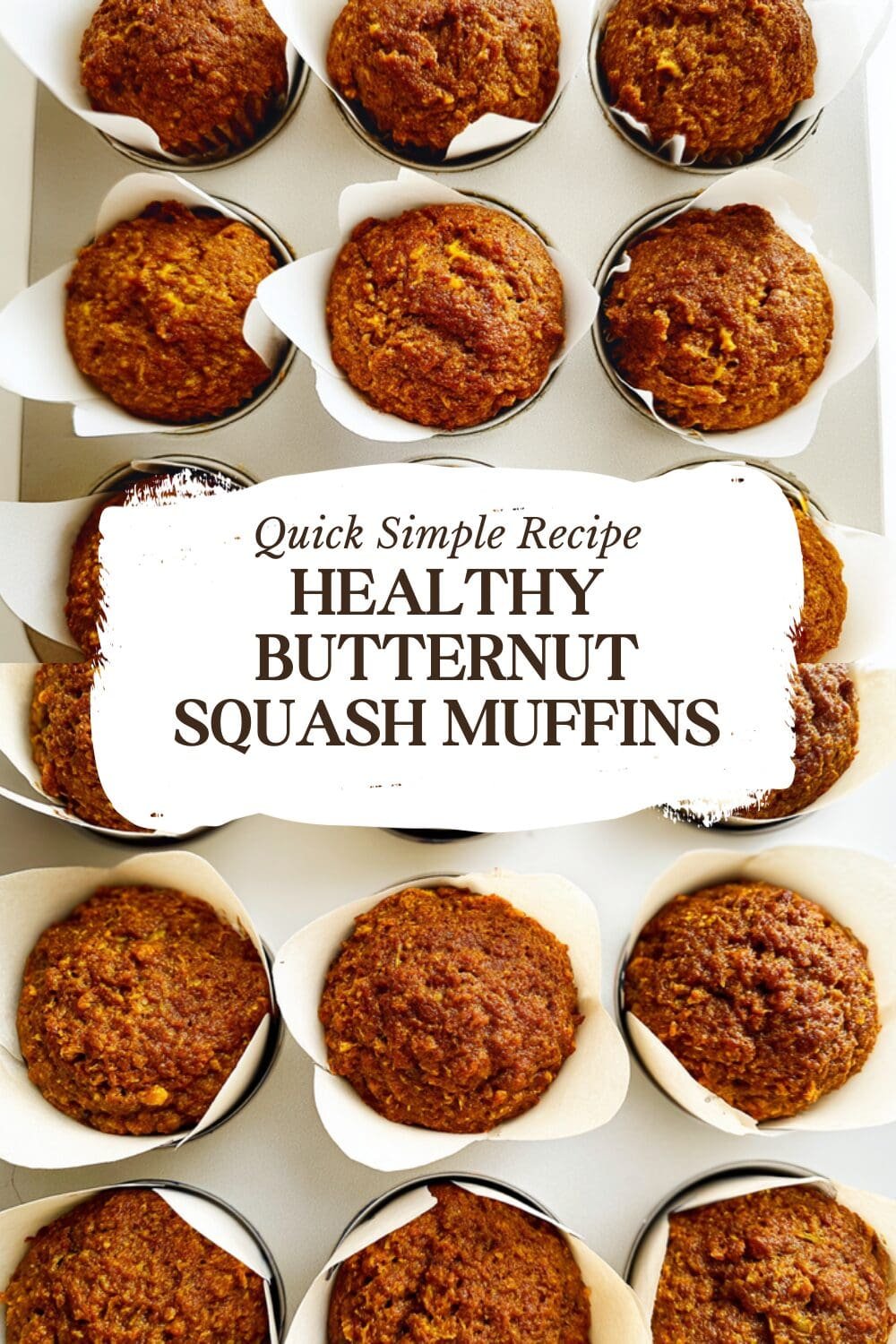
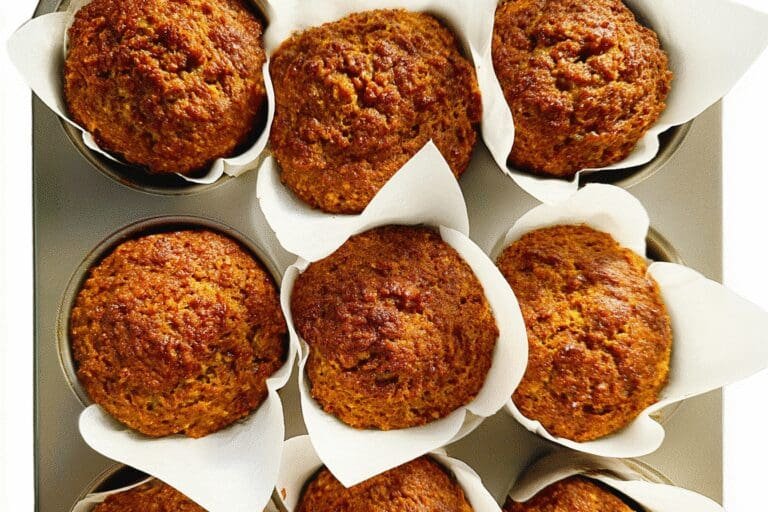
🎃 These butternut squash muffins offer a moist texture bursting with warm spices, perfect for a wholesome snack or breakfast.
🌿 Made with nutritious ingredients like oats and Greek yogurt, they are healthy and toddler-approved, fitting for the whole family to enjoy.
- Total Time: 40 minutes
- Yield: About 12 muffins
Ingredients
– 1 cup butternut squash puree (canned or cooked and mashed) provides moisture, natural sweetness, and key nutrients like vitamin A and C.
– 2 eggs acts as a binder and adds protein for structure and a light texture.
– 1/4 cup maple syrup serves as a natural sweetener and adds a hint of flavor while keeping sugar levels low.
– 1/4 cup unsweetened applesauce contributes moisture and subtle sweetness, helping reduce the need for excessive sugar.
– 1/2 cup plain Greek yogurt offers creaminess, protein, and tanginess, while also enhancing the muffins’ moistness.
– 1/3 cup extra virgin olive oil delivers healthy fats for tenderness and a rich mouthfeel in these squash muffins.
– 1 teaspoon vanilla infuses a warm, aromatic note that complements the spices and overall flavor profile.
– 1 cup all-purpose flour (or gluten-free all-purpose flour as a substitute) provides the base structure and helps with rising.
– 1 cup old fashioned oats (rolled oats) adds fiber, texture, and a hearty element to these nutritious butternut muffins.
– 2 teaspoons baking powder ensures the muffins rise properly for a light and fluffy result.
– 1/2 teaspoon salt balances flavors and enhances the natural taste of the ingredients.
– 1 tablespoon pumpkin pie spice (or a combination of cinnamon and nutmeg as substitutes) delivers warm, spicy notes that make healthy butternut squash muffins distinctly flavorful.
Instructions
1-First Step: Preparation and Mise en Place: Begin by preheating your oven to 400 degrees F to ensure it’s hot and ready when you are. If you’re using fresh squash, roast or steam it until soft, then mash it into puree; otherwise, open a can for quick convenience. Line your muffin tray with silicone cups or paper liners, and grease them if needed to prevent sticking. Measure out all ingredients in advance so everything is at hand this helps avoid interruptions and makes adapting for dietary needs, like vegan substitutes, easier.
2-Second Step: Combining Dry Ingredients: In a separate bowl, whisk together the dry components to get an even mix. Combine 1 cup all-purpose flour, 1 cup old fashioned oats, 2 teaspoons baking powder, 1/2 teaspoon salt, and 1 tablespoon pumpkin pie spice for that signature warm flavor in your healthy butternut squash muffins. This step is key for even distribution, and if you’re making gluten-free squash muffins, swap the flour now to keep the batter light and airy.
3-Third Step: Mixing Wet Ingredients: Now, focus on the wet ingredients by whisking them in a 말 large bowl until smooth. Stir together 1 cup butternut squash puree, 2 eggs (or flax eggs for vegan options), 1/4 cup maple syrup, 1/4 cup unsweetened applesauce, 1/2 cup plain Greek yogurt, 1/3 cup extra virgin olive oil, and 1 teaspoon vanilla. This mixture forms the base that gives your nutritious butternut muffins their moisture and taste, and you can adjust for low-calorie versions by using more applesauce instead of oil.
4-Fourth Step: Combining and Folding: Gently fold the dry ingredients into the wet ones, stirring just until combined to keep the batter lumpy as overmixing can make your healthy butternut squash muffins dense. If you want to add extras like nuts, fold them in now for added crunch. This technique works well MO for dietary adaptations, ensuring gluten free or low-calorie versions still rise properly use a gentle hand with your whisk or spoon for the best results.
5-Fifth Step: Portioning the Batter: Use a scoop or spoon to fill the muffin cavities about 3/4 full, which allows room for rising without overflowing. If you’re topping with extras like oats or seeds, add them now for texture. This step is straightforward and adaptable, so for vegan healthy butternut squash muffins, double-check your substitutes to maintain that perfect batter consistency.
6-Sixth Step: Baking the Muffins: Bake in the center of the oven for 19-23 minutes, or until a toothpick inserted comes out clean and the tops are lightly browned. Keep an eye on the time to avoid over-baking, which can dry out low-calorie squash muffins test at the 18-minute mark if needed. For troubleshooting, if muffins seem soggy, ensure your puree isn’t too watery by draining it first.
7-Seventh Step: Cooling and Finishing Touches: Let互通 the muffins cool in the tray for a few minutes before transferring to wire racks for complete cooling, which helps them set without collapsing. Once cool, consider pairings like nut butter or Greek yogurt. For serving, enjoy them warm or cold, and remember these nutritious butternut muffins freeze well for meal prep.
Last Step:
Please leave a rating and comment letting us know how you liked this recipe! This helps our business to thrive and continue providing free, high-quality recipes for you.Notes
🎃 Use canned puree or roast/steam fresh squash; pumpkin or sweet potato puree works too.
🍌 Substitute maple syrup with extra applesauce or mashed bananas to avoid refined sugars.
🥄 Olive oil can be swapped with canola, avocado oil, melted butter, or coconut oil for variety.
- Prep Time: 15 minutes
- Cook Time: 25 minutes
- Category: Breakfast
- Method: Baking
- Cuisine: American
Nutrition
- Serving Size: 1 muffin
- Calories: 161 kcal
- Sugar: 5 g
- Sodium: 113 mg
- Fat: 7 g
- Saturated Fat: 1 g
- Carbohydrates: 20 g
- Fiber: 1 g
- Protein: 4 g
- Cholesterol: 28 mg