Why You’ll Love This Jambalaya Recipe
This jambalaya recipe is a go-to for busy families looking for a simple yet filling meal. It combines sausage, chicken, and rice in one pan, making it ideal for weeknights when time is short. Imagine a dish that’s not only tasty but also easy to make with ingredients you might already have on hand.
First off, the ease of preparation stands out. You can whip up this jambalaya recipe in just 55 minutes total, with only 20 minutes of prep time, which makes it perfect for busy parents or students who need something quick. Everything cooks in a single skillet, cutting down on cleanup and letting you focus on family time rather than kitchen mess. This one pan jambalaya recipe with sausage chicken and rice simplifies cooking without sacrificing flavor.
- Health benefits: Packed with protein from the chicken and sausage, this recipe offers about 45 grams per serving, helping you feel full and energized. It’s loaded with veggies like onion, celery, and bell pepper, which provide vitamins C and A, supporting your immune system and overall wellness. Plus, the rice adds fiber, making this a balanced meal that fits diets for those watching their nutrition.
- Versatility: This jambalaya recipe adapts to various needs, whether you’re making it milder with different sausage or going gluten-free by swapping flour. It’s great for food enthusiasts or travelers wanting a taste of Cajun spices at home, and you can tweak it for vegetarians by using vegetable broth and skipping the meat. That flexibility means it works for everyone from newlyweds to seniors hosting casual dinners.
- Distinctive flavor: The blend of Cajun seasoning, basil, and a hint of cayenne pepper gives this sausage and chicken jambalaya its bold, authentic taste. Rice soaks up all the savory juices from the meats and veggies, creating a hearty, comforting dish that’s hard to resist. It’s like bringing a bit of New Orleans to your table with every bite.
This recipe really shines for its straightforward approach, turning basic ingredients into a family favorite. Whether you’re a working professional grabbing a quick dinner or a party host impressing guests, this jambalaya with rice will become your new staple. Give it a try, and you’ll see why it’s so popular among home cooks seeking delicious, reliable meals.
Jump to:
- Why You’ll Love This Jambalaya Recipe
- Essential Ingredients for Jambalaya Recipe
- Special Dietary Options
- How to Prepare the Perfect Jambalaya Recipe: Step-by-Step Guide
- First Step: Prepare Your Ingredients
- Second Step: Brown the Meats
- Third Step: Make the Roux
- Fourth Step: Sauté the Vegetables
- Fifth Step: Combine and Simmer
- Sixth Step: Rest and Serve
- Dietary Substitutions to Customize Your Jambalaya Recipe
- Protein and Main Component Alternatives
- Vegetable, Sauce, and Seasoning Modifications
- Mastering Jambalaya Recipe: Advanced Tips and Variations
- Pro Cooking Techniques
- Flavor Variations
- Presentation Tips
- Make-Ahead Options
- How to Store Jambalaya Recipe: Best Practices
- FAQs: Frequently Asked Questions About Jambalaya Recipe
- What ingredients do I need to make a traditional jambalaya?
- Can I prepare jambalaya in advance and reheat it later?
- How long does it take to cook jambalaya from start to finish?
- Is jambalaya spicy, and how can I adjust the heat level?
- Can I make jambalaya gluten-free?
- Jambalaya Recipe
- Ingredients
- Instructions
- Last Step:
- Notes
- Nutrition
- Did you make this recipe?
Essential Ingredients for Jambalaya Recipe
Gathering the right ingredients is key to nailing this jambalaya recipe. Below, you’ll find a detailed list of everything needed, with exact measurements and a quick explanation of each one’s role. This helps you understand how they contribute to the final dish’s flavor and texture.
- 1 tablespoon vegetable or canola oil – Provides the base for browning meats and prevents sticking, ensuring even cooking.
- 1 pound andouille sausage, cut into ¼ inch thick slices (substitute with mild sausage for a milder flavor) – Adds smoky, spicy depth; it’s the heart of the protein in this sausage chicken rice jambalaya.
- 1 1/2 pounds boneless skinless chicken breasts, cut into bite-size pieces – Offers lean protein that browns nicely and absorbs the Cajun flavors.
- 2 tablespoons butter – Helps create a roux for thickening and adds a rich, creamy note to the dish.
- 2 tablespoons flour – Thickens the sauce; use gluten-free flour for those avoiding gluten in this jambalaya recipe.
- 1 yellow or white onion, chopped – Forms the base of the “holy trinity” of Cajun cooking, providing sweetness and aroma.
- 4 green onions, chopped – Brings a fresh, mild onion flavor and a bit of crunch for added texture.
- 4 cloves garlic, finely minced – Infuses a pungent, savory taste that enhances the overall seasoning of the chicken and rice jambalaya.
- 3 ribs celery, chopped – Part of the classic trio, it adds a crisp element and subtle earthiness to balance the spices.
- 1 green bell pepper, chopped – Completes the holy trinity, offering a sweet, vegetal contrast to the meats and rice.
- 1 1/2 teaspoons basil – Adds herbal notes that brighten the dish and complement the Cajun seasoning.
- 1 1/2 teaspoons Cajun seasoning – Delivers the signature spicy kick, making this a true jambalaya recipe with bold flavors.
- 1 teaspoon salt – Enhances all the tastes, ensuring the sausage, chicken, and rice blend harmoniously.
- ½ teaspoon fresh ground black pepper – Provides a sharp, peppery bite that rounds out the seasoning profile.
- 1/4 teaspoon cayenne pepper (optional, add more for increased spice) – Controls the heat level, letting you customize the spiciness in this one pan jambalaya recipe.
- 14.5 ounce can diced tomatoes – Adds acidity and moisture, helping to create a flavorful sauce with the rice.
- 2 1/2 cups chicken broth – Cook the rice and infuse it with savory liquid, making the dish hearty and moist.
- 1 1/4 cups rice – Absorbs all the flavors, turning into a fluffy base for the sausage and chicken.
Special Dietary Options
- Vegan: Swap meats with plant-based sausage or tofu, and use vegetable broth instead of chicken broth for a meat-free version of this jambalaya recipe.
- Gluten-free: Simply use gluten-free flour in the roux step to keep the entire dish safe for gluten-sensitive eaters.
- Low-calorie: Opt for leaner meats or reduce oil to lower fat content while maintaining the nutritional balance of this chicken and rice jambalaya.
How to Prepare the Perfect Jambalaya Recipe: Step-by-Step Guide
Follow this easy guide to make a delicious jambalaya recipe that everyone will love. We’ll go through each step, keeping it simple for home cooks. This one pan approach with sausage, chicken, and rice makes meal prep a breeze.
First Step: Prepare Your Ingredients
Start by chopping all your veggies and meats to make cooking smoother. Cut the 1 1/2 pounds of chicken into bite-size pieces and slice the 1 pound of andouille sausage into 1/4 inch thick slices. For a milder version, swap the andouille with mild sausage. Having everything ready helps adapt for dietary needs, like using gluten-free flour if needed.
Second Step: Brown the Meats
Heat 1 tablespoon of vegetable or canola oil in a large skillet over medium-high heat. Add the chicken and cook it, flipping once or twice, until it’s browned on all sides but not fully cooked through. This takes about 5 minutes. Then, remove the chicken to a bowl. Next, add the sausage to the skillet and cook until browned on both sides, about 3-4 minutes, and add it to the bowl with the chicken. If you’re adding shrimp for a variation, you can include it here or later to adjust for preferences.
Third Step: Make the Roux
Reduce the heat to medium and add 2 tablespoons of butter and 2 tablespoons of flour to the skillet. Stir well to scrape up any browned bits from the pan, creating a simple roux. This step thickens the dish and adds flavor, but for gluten-free options, use gluten-free flour. Keep stirring for about 1-2 minutes until it forms a paste.
Fourth Step: Sauté the Vegetables
Add the chopped onion, garlic, celery, and green bell pepper to the skillet. Sauté them for 3 minutes until they soften and release their aromas. This builds the base flavor. If you’re watching sodium, you can reduce the salt here. Once done, stir in 1 1/2 teaspoons of basil, 1 1/2 teaspoons of Cajun seasoning, 1 teaspoon of salt, 1/2 teaspoon of black pepper, and 1/4 teaspoon of cayenne if you want spice.
Fifth Step: Combine and Simmer
Stir in the 14.5 ounce can of diced tomatoes, then add 2 1/2 cups of chicken broth and 1 1/4 cups of rice. Bring the mixture to a gentle boil. For low-FODMAP adaptations, swap onions for alternatives like leeks. Once boiling, add back the reserved chicken and sausage. Reduce heat, cover with a lid, and cook for 20 minutes. This allows the rice to absorb flavors while being versatile for different proteins.
Sixth Step: Rest and Serve
Remove the skillet from heat and keep the lid on for 10 minutes to let everything rest. Gently fluff the rice with a fork, then let it sit for another 5 minutes. This step ensures the textures are just right. For reheating or meal prep, consider how this fits your schedule. Serve hot, and it’s ready for the whole family, with adjustments for spice levels as needed.
This method keeps the jambalaya recipe straightforward and adaptable. With a total cook time of 35 minutes, it’s perfect for busy lifestyles, delivering a flavorful sausage chicken rice dish every time.

Dietary Substitutions to Customize Your Jambalaya Recipe
Protein and Main Component Alternatives
Swap proteins to fit your needs in this jambalaya recipe. For plant-fofbased options, replace sausage and chicken with tofu or tempeh, adjusting portions to 1 pound to keep cooking times similar. Seafood lovers can add jumbo uncooked shrimp, about 1/2 pound, when adding the rice, but cook it separately to avoid overcooking and potential allergens. Portion adjustments might add 5 minutes to cooking, and always check for cross-contamination if allergies are a concern. This makes the recipe versatile for different diets while maintaining its core flavors.
Vegetable, Sauce, and Seasoning Modifications
Try different veggies like red bell pepper instead of green for a sweeter twist, keeping the quantity at 1 for balance. For low-sodium versions, use low-salt broth and cut back on added salt, which might slightly change the cooking time by reducing the need for simmering. Experiment with seasonings, such as swapping cayenne for paprika to lessen heat, and adjust measurements to 1/2 teaspoon for milder tastes. These changes impact texture and flavor, making your jambalaya recipe adaptable to seasons or restrictions.
Mastering Jambalaya Recipe: Advanced Tips and Variations
To take your jambalaya recipe to the next level, try these expert suggestions. First, focus on pro cooking techniques like properly searing the meats to lock in juices, which enhances the overall taste of this sausage chicken rice dish.
Pro Cooking Techniques
Use a heavy-bottomed skillet for even heat distribution, helping the rice cook uniformly. Gently stir with a fork at the end to keep the grains fluffy, avoiding mushy results common in rice-based recipes.
Flavor Variations
- Add herbs like thyme for a fresh twist on the classic Cajun blend in this jambalaya recipe.
- Incorporate leftover pork for a smoky variation, adjusting quantities to match the 1 pound of sausage.
Presentation Tips
Garnish with chopped green onions for a pop of color, making your dish more appealing for family meals. Serve in bowls to highlight the layers of sausage, chicken, and rice.
Make-Ahead Options
Prep veggies in advance to save time, ideal for working professionals. This one pan jambalaya recipe reheats well, maintaining flavors for up to 3 days. Explore more one-pan meals on our site for similar ideas.
How to Store Jambalaya Recipe: Best Practices
Proper storage keeps your jambalaya recipe fresh and tasty. Let’s cover the basics for refrigeration and more.
- Refrigeration: Store leftovers in an airtight container in the fridge for up to 3-4 days to preserve flavors.
- Freezing: Freeze in portions for up to 2 months; thaw overnight in the fridge before reheating this sausage chicken rice jambalaya.
- Reheating: Warm on the stovetop with a splash of broth to keep rice moist, ensuring safety and quality.
- Meal Prep Considerations: Batch cook and divide into containers for easy weeknight meals, adapting for dietary needs.
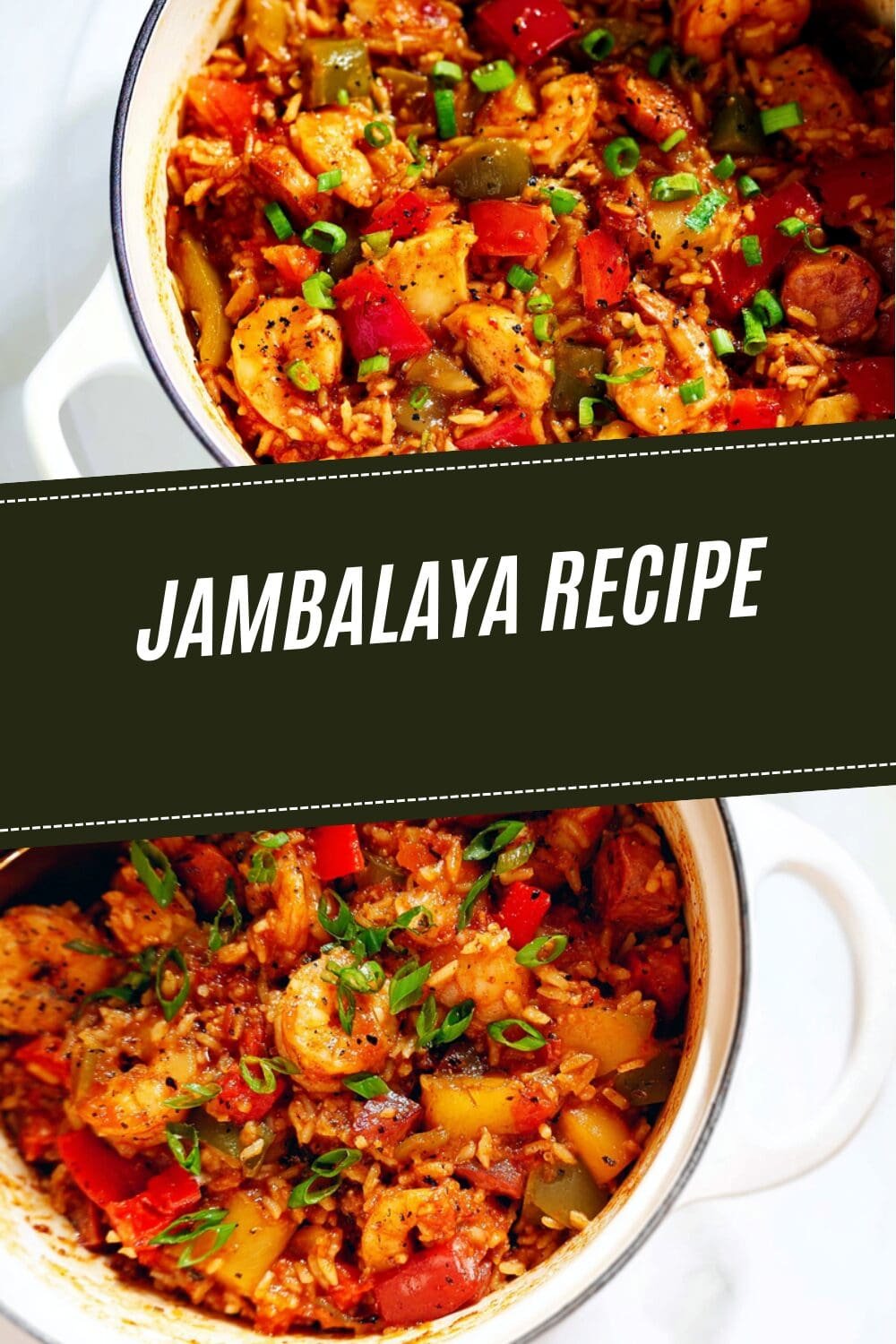
FAQs: Frequently Asked Questions About Jambalaya Recipe
What ingredients do I need to make a traditional jambalaya?
A traditional jambalaya typically includes long-grain rice, smoked sausage (like Andouille), chicken, and shrimp. Key vegetables are onions, bell peppers, and celery — often called the “holy trinity” of Cajun cooking. You’ll also need garlic, diced tomatoes, chicken broth, and spices such as paprika, thyme, cayenne pepper, and bay leaves. Using these ingredients will give your jambalaya its distinctive, hearty flavor.
Can I prepare jambalaya in advance and reheat it later?
Yes, jambalaya can be made ahead of time and reheated. Store leftovers in an airtight container in the refrigerator for up to 3-4 days. When reheating, add a splash of water or broth to keep the rice moist and heat gently on the stovetop or in the microwave until warmed through. This dish often tastes better the next day, as the flavors have more time to blend.
How long does it take to cook jambalaya from start to finish?
Cooking jambalaya usually takes about 45 to 60 minutes. This includes sautéing the vegetables and meats, simmering the rice with broth and seasonings, and allowing the flavors to meld. Preparation time can vary depending on ingredient chopping and whether you’re using pre-cooked proteins like smoked sausage.
Is jambalaya spicy, and how can I adjust the heat level?
Jambalaya can range from mild to spicy depending on the amount and type of spices used. Traditional recipes often include cayenne pepper and hot sausage, which add heat. To reduce spiciness, use milder sausage, decrease or omit cayenne, and avoid hot sauce. For more heat, add red pepper flakes or extra cayenne gradually, tasting as you go.
Can I make jambalaya gluten-free?
Yes, jambalaya can easily be gluten-free if you use gluten-free sausage and check that any broth or seasoning blends contain no gluten ingredients. The main components—rice, meat, vegetables, and spices—are naturally gluten-free. Always verify labels to ensure all processed ingredients meet gluten-free standards to avoid cross-contamination.
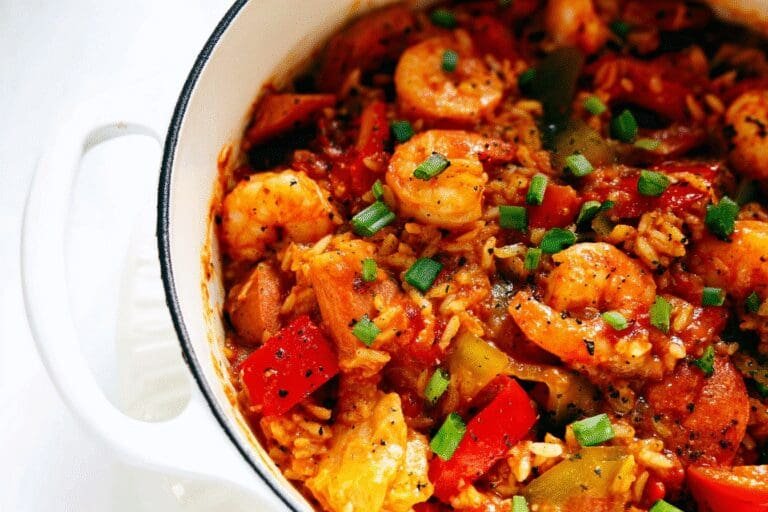
Jambalaya Recipe
🍛 Savor the rich, bold flavors of this one-pan jambalaya featuring sausage, chicken, and perfectly cooked rice.
🔥 This recipe is a convenient and hearty meal that combines Cajun spice with easy preparation for a satisfying dinner.
- Total Time: 55 minutes
- Yield: 6 servings 1x
Ingredients
1 tablespoon vegetable or canola oil Provides the base for browning meats and prevents sticking, ensuring even cooking.
1 pound andouille sausage, cut into ¼ inch thick slices (substitute with mild sausage for a milder flavor) Adds smoky, spicy depth; it’s the heart of the protein in this sausage chicken rice jambalaya.
1 1/2 pounds boneless skinless chicken breasts, cut into bite-size pieces Offers lean protein that browns nicely and absorbs the Cajun flavors.
2 tablespoons butter Helps create a roux for thickening and adds a rich, creamy note to the dish.
2 tablespoons flour Thickens the sauce; use gluten-free flour for those avoiding gluten in this jambalaya recipe.
1 yellow or white onion, chopped Forms the base of the “holy trinity” of Cajun cooking, providing sweetness and aroma.
4 green onions, chopped Brings a fresh, mild onion flavor and a bit of crunch for added texture.
4 cloves garlic, finely minced Infuses a pungent, savory taste that enhances the overall seasoning of the chicken and rice jambalaya.
3 ribs celery, chopped Part of the classic trio, it adds a crisp element and subtle earthiness to balance the spices.
1 green bell pepper, chopped Completes the holy trinity, offering a sweet, vegetal contrast to the meats and rice.
1 1/2 teaspoons basil Adds herbal notes that brighten the dish and complement the Cajun seasoning.
1 1/2 teaspoons Cajun seasoning Delivers the signature spicy kick, making this a true jambalaya recipe with bold flavors.
1 teaspoon salt Enhances all the tastes, ensuring the sausage, chicken, and rice blend harmoniously.
½ teaspoon fresh ground black pepper Provides a sharp, peppery bite that rounds out the seasoning profile.
1/4 teaspoon cayenne pepper (optional, add more for increased spice) Controls the heat level, letting you customize the spiciness in this one pan jambalaya recipe.
14.5 ounce can diced tomatoes Adds acidity and moisture, helping to create a flavorful sauce with the rice.
2 1/2 cups chicken broth Cook the rice and infuse it with savory liquid, making the dish hearty and moist.
1 1/4 cups rice Absorbs all the flavors, turning into a fluffy base for the sausage and chicken.
Instructions
1-First Step: Prepare Your Ingredients Start by chopping all your veggies and meats to make cooking smoother. Cut the 1 1/2 pounds of chicken into bite-size pieces and slice the 1 pound of andouille sausage into 1/4 inch thick slices. For a milder version, swap the andouille with mild sausage. Having everything ready helps adapt for dietary needs, like using gluten-free flour if needed.
2-Second Step: Brown the Meats Heat 1 tablespoon of vegetable or canola oil in a large skillet over medium-high heat. Add the chicken and cook it, flipping once or twice, until it’s browned on all sides but not fully cooked through. This takes about 5 minutes. Then, remove the chicken to a bowl. Next, add the sausage to the skillet and cook until browned on both sides, about 3-4 minutes, and add it to the bowl with the chicken. If you’re adding shrimp for a variation, you can include it here or later to adjust for preferences.
3-Third Step: Make the Roux Reduce the heat to medium and add 2 tablespoons of butter and 2 tablespoons of flour to the skillet. Stir well to scrape up any browned bits from the pan, creating a simple roux. This step thickens the dish and adds flavor, but for gluten-free options, use gluten-free flour. Keep stirring for about 1-2 minutes until it forms a paste.
4-Fourth Step: Sauté the Vegetables Add the chopped onion, garlic, celery, and green bell pepper to the skillet. Sauté them for 3 minutes until they soften and release their aromas. This builds the base flavor. If you’re watching sodium, you can reduce the salt here. Once done, stir in 1 1/2 teaspoons of basil, 1 1/2 teaspoons of Cajun seasoning, 1 teaspoon of salt, 1/2 teaspoon of black pepper, and 1/4 teaspoon of cayenne if you want spice.
5-Fifth Step: Combine and Simmer Stir in the 14.5 ounce can of diced tomatoes, then add 2 1/2 cups of chicken broth and 1 1/4 cups of rice. Bring the mixture to a gentle boil. For low-FODMAP adaptations, swap onions for alternatives like leeks. Once boiling, add back the reserved chicken and sausage. Reduce heat, cover with a lid, and cook for 20 minutes. This allows the rice to absorb flavors while being versatile for different proteins.
6-Sixth Step: Rest and Serve Remove the skillet from heat and keep the lid on for 10 minutes to let everything rest. Gently fluff the rice with a fork, then let it sit for another 5 minutes. This step ensures the textures are just right. For reheating or meal prep, consider how this fits your schedule. Serve hot, and it’s ready for the whole family, with adjustments for spice levels as needed.
Last Step:
Please leave a rating and comment letting us know how you liked this recipe! This helps our business to thrive and continue providing free, high-quality recipes for you.Notes
🌶️ For a milder flavor, use mild sausage as a substitute.
🦐 Add jumbo uncooked shrimp when adding the rice, or cook shrimp separately and add at the end.
🌱 To make it vegetarian, omit the meat and use vegetable broth.
- Prep Time: 20 minutes
- Cook Time: 35 minutes
- Category: Main Course
- Method: Sautéing and Simmering
- Cuisine: Cajun
- Diet: Gluten-Free Option Available
Nutrition
- Serving Size: 1 serving
- Calories: 628
- Sugar: 4g
- Sodium: 1222mg
- Fat: 31g
- Saturated Fat: 10g
- Unsaturated Fat: 17g
- Trans Fat: 0.4g
- Carbohydrates: 43g
- Fiber: 3g
- Protein: 45g
- Cholesterol: 148mg