Why You’ll Love This Lemon Vinaigrette
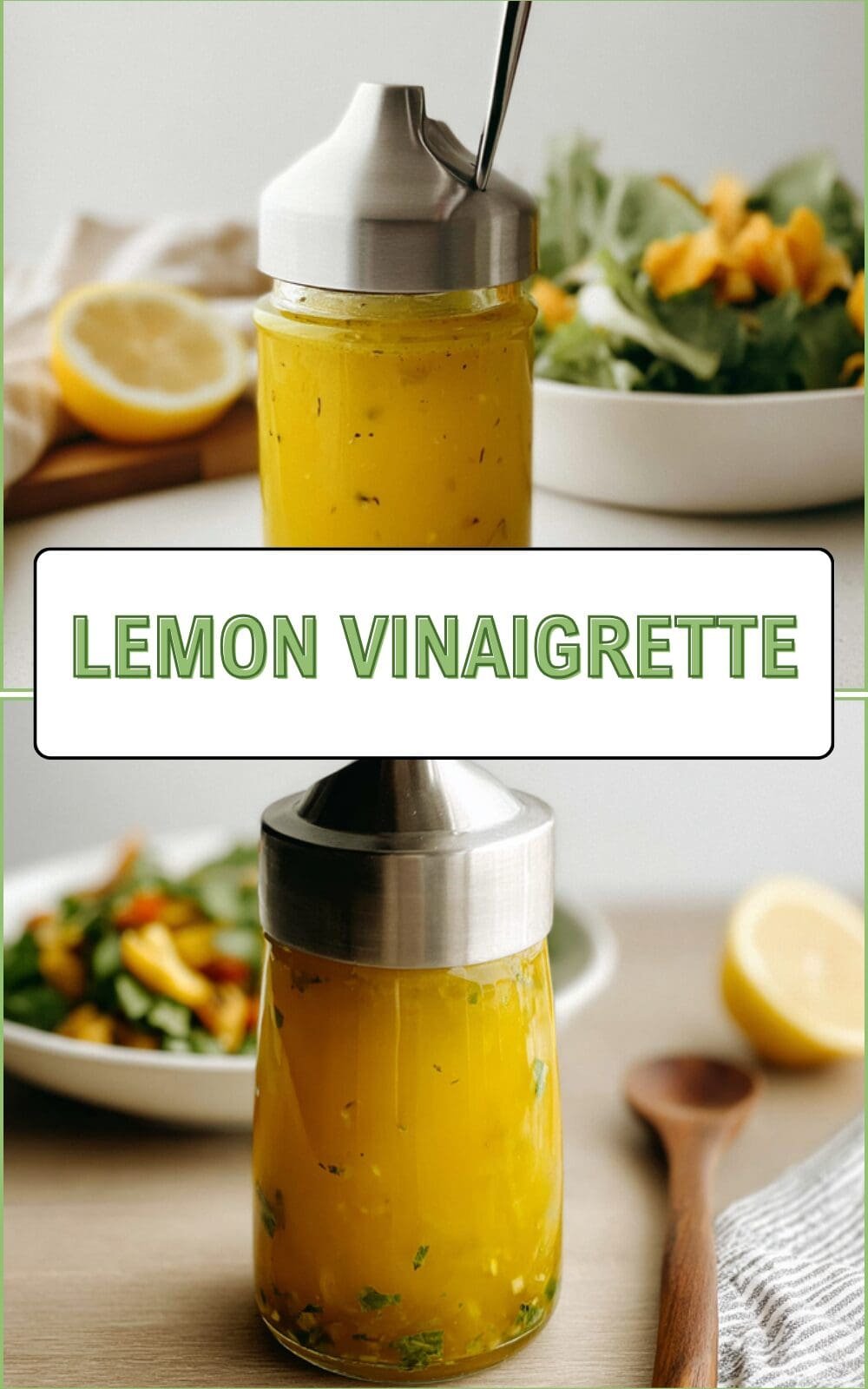
Imagine turning a simple meal into something truly special with just a few quick whisks. This lemon vinaigrette brings bright, zesty flavors that can liven up your salads, marinades, or even roasted veggies. It’s quick to make and uses ingredients you likely have on hand, making it perfect for anyone from busy parents to food enthusiasts looking for a homemade touch.
One big plus is how easy it comes together. You can whip up this dressing in under 5 minutes, which is a game-changer for quick weeknight dinners or packing lunches on the go. Plus, it packs health benefits that make it a smart choice for diet-conscious folks, loaded with vitamin C from fresh lemons and heart-healthy olive oil.
- Ease of preparation: With only a handful of ingredients and no cooking required, this recipe fits into even the busiest schedules. You’ll appreciate how it skips complex steps, letting you focus on enjoying your meal instead of slaving in the kitchen.
- Health benefits: Fresh lemon juice provides a boost of antioxidants and vitamin C, which support your immune system and skin health. The olive oil adds healthy fats that promote heart health, while garlic and mustard offer anti-inflammatory properties for overall wellness.
- Versatility: This dressing adapts to various diets, whether you’re vegan, gluten-free, or watching calories. Use it on raw greens for a light salad or mix it into marinades for proteins, making it a go-to for different meals and tastes.
- Distinctive flavor: The zing of lemon combined with garlic and a hint of mustard creates a fresh, tangy taste that’s hard to beat. It’s that perfect balance of sour and savory that elevates everyday dishes without overwhelming them.
This vinaigrette stands out because it’s not just tasty it’s customizable too. For instance, adding a touch of honey can make it sweeter for those who prefer less tartness. Whether you’re a student grabbing a fast lunch or a party host impressing guests, this recipe will become your new favorite for its simplicity and flavor punch. For more ideas on how to use dressings in your daily meals, check out our best salad recipes on the blog.
Jump to:
- Why You’ll Love This Lemon Vinaigrette
- Essential Ingredients for Lemon Vinaigrette
- How to Prepare the Perfect Lemon Vinaigrette: Step-by-Step Guide
- Gathering Your Tools and Ingredients
- Mixing the Base Flavors
- Final Touches and Storage
- Dietary Substitutions to Customize Your Lemon Vinaigrette
- Mastering Lemon Vinaigrette: Advanced Tips and Variations
- Pro Cooking Techniques
- Make-Ahead Options
- How to Store Lemon Vinaigrette: Best Practices
- FAQs: Frequently Asked Questions About Lemon Vinaigrette
- How do you make a basic lemon vinaigrette?
- How long does homemade lemon vinaigrette last?
- What foods go well with lemon vinaigrette?
- Can you make lemon vinaigrette without Dijon mustard?
- How do you fix a lemon vinaigrette that’s too tart?
- Lemon Vinaigrette
- Ingredients
- Instructions
- Last Step:
- Notes
- Nutrition
- Did you make this recipe?
Essential Ingredients for Lemon Vinaigrette
Gathering the right ingredients is the first step to creating a fantastic lemon vinaigrette. Each one plays a key role in building that bright, tangy flavor. Below, you’ll find a structured list of all the ingredients from the recipe, complete with precise measurements and a quick explanation of their purpose.
- 1/4 cup fresh lemon juice – This provides the base acidity and fresh citrus taste that brightens the dressing.
- 1 grated garlic clove – Adds a pungent, aromatic depth that enhances the overall flavor profile.
- 1 teaspoon Dijon mustard – Acts as an emulsifier to help mix the oil and lemon juice smoothly.
- 1/4 teaspoon salt (plus more to taste) – Balances the flavors and enhances the natural tastes of the other ingredients.
- 1/4 teaspoon pepper – Brings a subtle heat and complexity to the dressing.
- Optional: 1/2 teaspoon honey or maple syrup – Helps sweeten the mix if you want to cut the tartness.
- Optional: 1/2 teaspoon fresh or dried thyme – Infuses a herbal note for added freshness and aroma.
- 1/4 to 1/3 cup extra-virgin olive oil – Provides richness and helps create a creamy texture when emulsified.
For special dietary options, this recipe is naturally vegan and gluten-free. If you’re aiming for a low-calorie version, reduce the oil to 1/4 cup and skip the honey. These swaps keep the dressing light while maintaining its appeal for various lifestyles, like busy parents or health-focused travelers.
How to Prepare the Perfect Lemon Vinaigrette: Step-by-Step Guide
Gathering Your Tools and Ingredients
Before you start, make sure you have a small bowl and a whisk ready this recipe is all about simplicity. Begin by pulling together your ingredients on the counter for easy access; this mise en place step takes just a minute and sets you up for success. Fresh lemons make a big difference, so squeeze them right before you begin to capture that vibrant essence.
Mixing the Base Flavors
Now, let’s get into the fun part. In a small bowl, whisk together the lemon juice, grated garlic clove, Dijon mustard, salt, pepper, and honey or maple syrup if you’re using it. This step blends the acids and seasonings, creating a strong base that will hold the dressing together. Keep whisking until everything is well combined, which should take about 30 seconds, ensuring the flavors mingle perfectly.
While whisking continuously, slowly drizzle in the olive oil. This gradual addition helps the mixture emulsify, turning it into a smooth, creamy dressing rather than a separated one. If the dressing feels too tangy at this point, add a bit more olive oil to balance it out, adjusting as you go to hit that ideal taste.
Final Touches and Storage
Once emulsified, stir in the thyme if you choose to use it, which adds a lovely herbal twist. Taste the dressing and season with extra salt and pepper as needed everyone’s palate is different, so trust your instincts here. The whole process clocks in at about 5 minutes, making it ideal for working professionals or seniors who want something quick yet delicious. For deeper insights into healthy oils, check out this olive oil health benefits guide.
After preparing, store the dressing in an airtight container in the fridge for up to a week. Before serving, let it sit at room temperature for a few minutes and give it a good stir to recombine any separated parts. This vinaigrette shines on salads, but don’t stop there it’s great drizzled over roasted veggies or as a marinade. To explore more vinaigrette ideas, visit our other vinaigrette recipes page.
One more tip: the oil ratio matters a lot. For raw greens, go with a 3 parts lemon juice to 4 parts oil mix, but for roasted items, a 1:1 ratio works wonders. This flexibility lets you adapt it for everything from light lunches to hearty dinners, perfect for newlyweds experimenting in the kitchen or baking enthusiasts tweaking recipes.

Dietary Substitutions to Customize Your Lemon Vinaigrette
Making this lemon vinaigrette fit your needs is easy with a few smart swaps. Start with protein and main component alternatives to keep things fresh for instance, if you’re marinading chicken or fish, consider swapping olive oil for avocado oil for a nuttier taste. These changes help cater to different tastes or restrictions without losing the core appeal.
When it comes to vegetable, sauce, and seasoning modifications, think seasonal. In summer, add fresh herbs like basil instead of thyme for a brighter vibe. For dietary needs, spicy brown mustard can replace Dijon if you want less bite, and a splash of champagne vinegar can mellow it out. These options make it accessible for diet-conscious individuals or travelers with limited ingredients.
| Original Ingredient | Substitution | Why It Works |
|---|---|---|
| Extra-virgin olive oil | Avocado oil | Offers a similar healthy fat profile and creamy texture. |
| Dijon mustard | Spicy brown mustard | Provides emulsification with a different heat level. |
| Thyme | Ground rosemary | Adds a woody flavor that complements the lemon. |
This approach ensures your vinaigrette stays versatile for everyone from party hosts to food enthusiasts.
Mastering Lemon Vinaigrette: Advanced Tips and Variations
Pro Cooking Techniques
To take your vinaigrette to the next level, focus on emulsification techniques like using a blender for a smoother result. Flavor variations can include experimenting with different herbs or adding a splash of balsamic for depth. Presentation tips, such as garnishing with lemon zest, make it look as good as it tastes.
Make-Ahead Options
For busy schedules, prep a batch ahead and store it for quick use. Try these creative twists, like mixing in honey for sweetness or using it as a base for other dressings. This keeps things exciting for baking enthusiasts or seniors planning meals in advance. As noted in various tips, freezing in small jars works great for long-term storage without needing to shake first.
How to Store Lemon Vinaigrette: Best Practices
Proper storage keeps your vinaigrette fresh and flavorful. For refrigeration, use an airtight container and keep it in the fridge for up to a week to maintain its zing. Freezing options include pouring it into ice cube trays for easy portions that last months just thaw as needed.
When reheating, let it sit at room temperature and stir well to recombine. For meal prep, make larger batches and portion them out, which helps working professionals save time during the week.
FAQs: Frequently Asked Questions About Lemon Vinaigrette
How do you make a basic lemon vinaigrette?
A basic lemon vinaigrette requires just a few simple ingredients: 1/4 cup fresh lemon juice, 3/4 cup olive oil, 1 teaspoon Dijon mustard, 1 small minced garlic clove, salt, and pepper to taste. Whisk the lemon juice, mustard, and garlic together, then slowly drizzle in the olive oil while whisking continuously until emulsified. Season with salt and pepper. For best results, use room temperature ingredients and serve immediately or refrigerate for up to a week.
How long does homemade lemon vinaigrette last?
Homemade lemon vinaigrette can be stored in an airtight container in the refrigerator for up to one week. The acidity from the lemon juice acts as a natural preservative. Before using, let it sit at room temperature for about 15 minutes, then shake or whisk well to recombine any separated ingredients. If you notice any off smells or mold, discard it immediately. For longer storage, consider freezing individual portions in ice cube trays, which can last up to 3 months.
What foods go well with lemon vinaigrette?
Lemon vinaigrette is incredibly versatile and pairs wonderfully with many foods. It’s excellent on mixed green salads, especially those containing bitter greens like arugula or kale. It complements grilled vegetables, roasted asparagus, and steamed broccoli. The dressing also works well as a marinade for chicken, fish, or shrimp. Try drizzling it over grain bowls with quinoa or farro, or use it to brighten up pasta salads with fresh vegetables and herbs.
Can you make lemon vinaigrette without Dijon mustard?
Yes, you can make lemon vinaigrette without Dijon mustard. The mustard acts as an emulsifier to help the oil and vinegar combine, but there are several alternatives. Try using 1 teaspoon of honey or maple syrup instead, which will help with emulsification while adding sweetness. You can also substitute with 1/2 teaspoon of mayonnaise or a pinch of xanthan gum. For a different flavor profile, 1/2 teaspoon of miso paste can work well as both an emulsifier and flavor enhancer.
How do you fix a lemon vinaigrette that’s too tart?
If your lemon vinaigrette is too tart, there are several ways to balance the flavor. First, add a small amount of sweetness—1 teaspoon of honey, maple syrup, or agave nectar can counteract the acidity. You can also add more olive oil in small increments to dilute the lemon flavor. A pinch of salt or a dash of soy sauce can also help balance the tartness. If the vinaigrette is still too sharp, add 1/4 teaspoon of baking soda to neutralize some of the acid, but use this sparingly to avoid affecting the overall flavor.
Lemon Vinaigrette
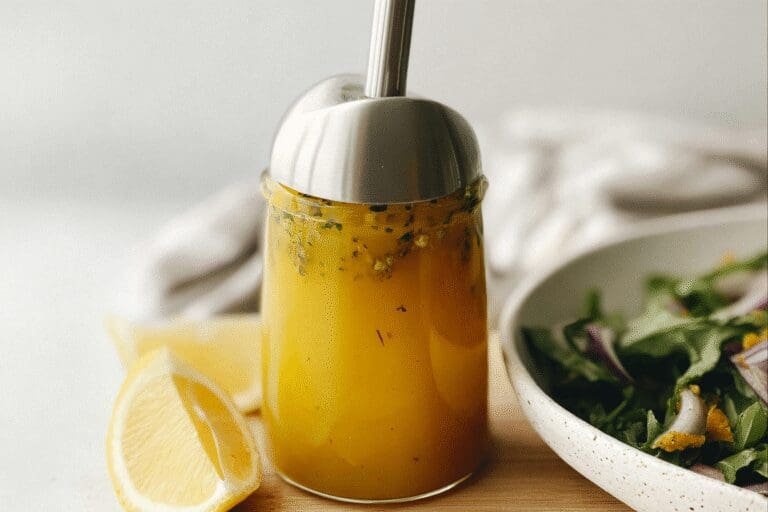
🍋 This Lemon Vinaigrette recipe is quick and easy, making it perfect for adding fresh, zesty flavor to salads or as a versatile marinade.
🌿 It’s made with simple ingredients you likely have on hand, delivering a bright and balanced dressing in just minutes.
- Total Time: 5 minutes
- Yield: About 3/4 cup 1x
Ingredients
1/4 cup fresh lemon juice This provides the base acidity and fresh citrus taste that brightens the dressing.
1 grated garlic clove Adds a pungent, aromatic depth that enhances the overall flavor profile.
1 teaspoon Dijon mustard Acts as an emulsifier to help mix the oil and lemon juice smoothly.
1/4 teaspoon salt (plus more to taste) Balances the flavors and enhances the natural tastes of the other ingredients.
1/4 teaspoon pepper Brings a subtle heat and complexity to the dressing.
1/2 teaspoon honey or maple syrup Helps sweeten the mix if you want to cut the tartness.
1/2 teaspoon fresh or dried thyme Infuses a herbal note for added freshness and aroma.
1/4 to 1/3 cup extra-virgin olive oil Provides richness and helps create a creamy texture when emulsified.
Instructions
1-Gathering Your Tools and Ingredients: Before you start, make sure you have a small bowl and a whisk ready this recipe is all about simplicity. Begin by pulling together your ingredients on the counter for easy access; this mise en place step takes just a minute and sets you up for success. Fresh lemons make a big difference, so squeeze them right before you begin to capture that vibrant essence.
2-Mixing the Base Flavors: Now, let’s get into the fun part. In a small bowl, whisk together the lemon juice, grated garlic clove, Dijon mustard, salt, pepper, and honey or maple syrup if you’re using it. This step blends the acids and seasonings, creating a strong base that will hold the dressing together. Keep whisking until everything is well combined, which should take about 30 seconds, ensuring the flavors mingle perfectly.
While whisking continuously, slowly drizzle in the olive oil. This gradual addition helps the mixture emulsify, turning it into a smooth, creamy dressing rather than a separated one. If the dressing feels too tangy at this point, add a bit more olive oil to balance it out, adjusting as you go to hit that ideal taste.
3-Final Touches and Storage: Once emulsified, stir in the thyme if you choose to use it, which adds a lovely herbal twist. Taste the dressing and season with extra salt and pepper as needed everyone’s palate is different, so trust your instincts here. The whole process clocks in at about 5 minutes, making it ideal for working professionals or seniors who want something quick yet delicious. For deeper insights into healthy oils, check out this olive oil health benefits guide.
After preparing, store the dressing in an airtight container in the fridge for up to a week. Before serving, let it sit at room temperature for a few minutes and give it a good stir to recombine any separated parts. This vinaigrette shines on salads, but don’t stop there it’s great drizzled over roasted veggies or as a marinade. To explore more vinaigrette ideas, visit our other vinaigrette recipes page.
One more tip: the oil ratio matters a lot. For raw greens, go with a 3 parts lemon juice to 4 parts oil mix, but for roasted items, a 1:1 ratio works wonders. This flexibility lets you adapt it for everything from light lunches to hearty dinners, perfect for newlyweds experimenting in the kitchen or baking enthusiasts tweaking recipes.
Last Step:
Please leave a rating and comment letting us know how you liked this recipe! This helps our business to thrive and continue providing free, high-quality recipes for you.Notes
🍶 Use a 3:4 ratio of lemon juice to oil for raw greens, or 1:1 for roasted vegetables or potatoes.
🥗 This vinaigrette works well as a salad dressing, marinade for chicken or fish, or drizzle for roasted veggies.
🌿 Substitute avocado oil for olive oil, or adjust herbs and mustard to modify flavor profiles.
- Prep Time: 5 minutes
- Cook Time: 0 minutes
- Category: Dressing
- Method: Whisking
- Cuisine: Universal
- Diet: Vegan, Gluten-Free
Nutrition
- Serving Size: 2 tablespoons
- Calories: 80 kcal
- Sugar: 1 g
- Sodium: 150 mg
- Fat: 8 g
- Saturated Fat: 1 g
- Unsaturated Fat: 7 g
- Trans Fat: 0 g
- Carbohydrates: 2 g
- Fiber: 0 g
- Protein: 0 g
- Cholesterol: 0 mg