Why You’ll Love This Miso Ramen
This recipe for miso ramen brings together simple ingredients to create a bowl of comfort that’s both satisfying and full of flavor. It’s perfect for anyone wanting a quick meal that feels special without much effort. With its creamy broth and tender noodles, it’s easy to see why this dish has become a favorite among home cooks.
One of the best parts about this miso ramen is how simple it is to prepare, taking just about 30 minutes from start to finish. That makes it ideal for busy weeknights when you need something nutritious but don’t have hours to spend in the kitchen. Plus, you can tweak it to fit different tastes or diets, which adds to its appeal for families and anyone watching their health.
The rich, umami flavor comes from the miso paste, which gives a savory depth that pairs well with fresh veggies and soft-boiled eggs. This means you’re not just eating a soup you’re enjoying a balanced meal packed with vitamins and minerals. Whether you’re new to Japanese noodles or a longtime fan, this version offers something for everyone with its adaptable nature and hearty taste.
Health Benefits and Versatility
This miso ramen is loaded with good-for-you elements like baby spinach and eggs, which provide vitamins such as 8408 IU of Vitamin A and 22 mg of Vitamin C per serving. It delivers about 14 grams of protein, helping you feel full longer, while the fiber from the veggies supports digestion. At around 277 calories per bowl, it’s a smart choice for those keeping an eye on their diet without missing out on flavor.
What’s more, you can make it vegan by skipping the eggs and choosing vegetable stock, making it versatile for different needs. The dish also includes 5 mg of Iron and 125 mg of Calcium, which can help boost energy and bone health. Tips like adding aromatics such as garlic enhance the flavor while keeping things light and customizable for leftovers or extra veggies.
Overall, this recipe stands out for its ease and adaptability, letting you create a meal that’s both comforting and good for you. From busy parents to food enthusiasts, it’s a go-to option that saves time and delivers on taste. Adding your own twists, like extra greens, makes it even better for everyday enjoyment.
Jump to:
- Why You’ll Love This Miso Ramen
- Health Benefits and Versatility
- Essential Ingredients for Miso Ramen
- How to Prepare the Perfect Miso Ramen: Step-by-Step Guide
- Building the Broth and Cooking the Eggs
- Adding Noodles and Finishing Touches
- Dietary Substitutions to Customize Your Miso Ramen
- Mastering Miso Ramen: Advanced Tips and Variations
- How to Store Miso Ramen: Best Practices
- FAQs: Frequently Asked Questions About Miso Ramen
- What is miso ramen and how is it different from other types of ramen?
- Can I make miso ramen at home without authentic miso paste?
- Are the noodles used in miso ramen typically fried or fresh?
- What toppings work best with miso ramen for an authentic experience?
- Is miso ramen healthy compared to other ramen varieties?
- Miso Ramen
- Ingredients
- Instructions
- Last Step:
- Notes
- Nutrition
- Did you make this recipe?
Essential Ingredients for Miso Ramen
Getting the right ingredients is key to making a tasty miso ramen at home. This section lists everything you need to whip up a flavorful bowl, based on a simple yet effective recipe. We’ll focus on precise measurements to help you shop and prepare with ease.
- 1 tablespoon cooking oil
- 3 tablespoons white miso paste
- 2 cloves garlic minced
- 6 cups low-sodium chicken or vegetable stock
- 1/3 cup canned regular coconut milk
- 2 tablespoons soy sauce
- 2 packets (4 ounces each) instant ramen noodles (discard seasoning packets)
- 5 ounces baby spinach
- 2 large eggs
- Thinly sliced green onions
- Optional white or black sesame seeds
- Optional Sriracha
- Optional toasted sesame oil
- Optional chili oil
This structured list ensures you have all the items for a complete recipe. For instance, the miso paste adds that signature umami, while the stock and coconut milk create a creamy base. Using low-sodium options helps manage the 4922 mg of sodium per serving, making it easier to adjust for a healthier twist.
If you’re aiming for specific diets, note that you can swap in vegan-friendly noodles or omit the eggs. Each ingredient plays a role in the final dish’s 23 grams of carbohydrates and 16 grams of fat, including 10 grams saturated. Keeping measurements exact, like 5 ounces of baby spinach, helps balance the nutrients without overwhelming the flavors.
How to Prepare the Perfect Miso Ramen: Step-by-Step Guide
Making miso ramen at home is straightforward and fun, especially with these easy steps. Start by gathering all your ingredients to keep things organized and smooth. This guide uses the provided recipe to ensure you get rich, flavorful results every time.
First, bring a pot of water to a boil for the eggs, as they need to cook just right for that creamy texture. In a separate heavy-bottomed pot, heat 1 tablespoon of cooking oil over medium heat, then add 3 tablespoons of white miso paste and 2 minced garlic cloves. Stir this mix for about one minute to release the aromas and build a strong base.
Building the Broth and Cooking the Eggs
Next, slowly whisk in 6 cups of low-sodium chicken or vegetable stock and 1/3 cup of canned regular coconut milk to fully dissolve the miso paste. This step is crucial to avoid lumps and keep the broth smooth and creamy. Stir in 2 tablespoons of soy sauce and bring everything to a simmer, letting the flavors meld together.
While the broth simmers, gently lower the 2 large eggs into the boiling water. Cook them for 7 minutes if they’re at room temperature or 8 minutes if refrigerated, then cool and peel them carefully. This timing gives you soft-boiled eggs that add authenticity and a nice texture to your ramen.
Adding Noodles and Finishing Touches
Now, add the 2 packets of instant ramen noodles (discarding the seasoning packets) and 5 ounces of baby spinach to the simmering broth. Cook until the noodles are tender, following the package instructions, which usually takes just a few minutes. Be sure to taste the broth and adjust flavors as needed, like adding a dash of soy sauce if it needs more depth.
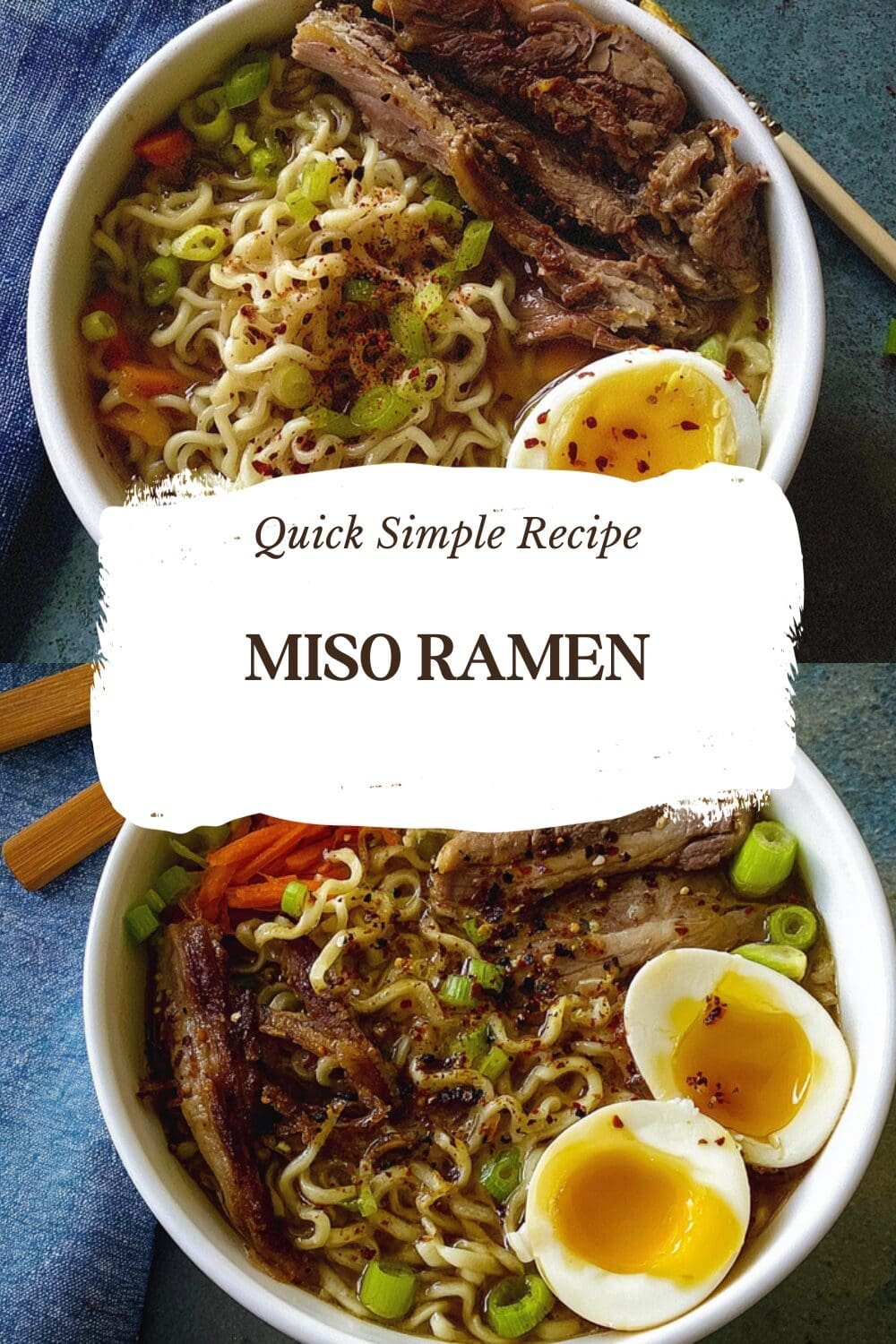
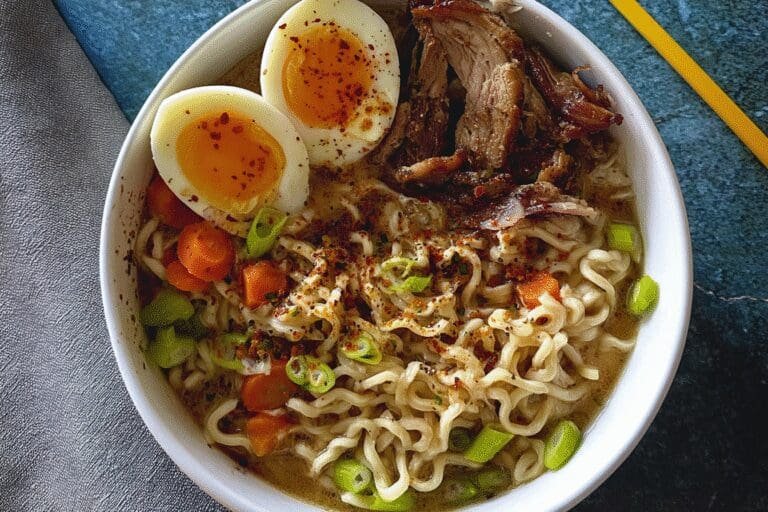
Once everything is ready, divide the noodles and broth into bowls, then halve the eggs and place them on top. Garnish with thinly sliced green onions and optional items like white or black sesame seeds, Sriracha, toasted sesame oil, or chili oil for extra kick. The total preparation time is about 30 minutes, with 10 minutes for prep and 20 for cooking, making it perfect for a quick meal. Explore more quick recipes like this one on our site.
To avoid sogginess, cook noodles just until tender and consider boiling them separately before adding hot broth. For a vegan version, skip the eggs and use vegetable stock tips like these help customize the dish while keeping it healthy. This method ensures you capture the 16 grams of fat and 14 grams of protein per serving without much fuss.

Dietary Substitutions to Customize Your Miso Ramen
One of the great things about miso ramen is how easy it is to tweak for different needs. Whether you’re vegan or watching your gluten intake, simple swaps can make this dish work for you. Let’s look at some options to keep things flexible and delicious.
For protein, you might replace the eggs with firm tofu or tempeh to create a vegan-friendly version. If you’re not into eggs, adding shrimp or pork slices can change up the flavors while keeping the meal hearty. Another idea is to swap traditional ramen noodles with rice noodles for a gluten-free option that still feels satisfying.
When it comes to veggies and seasonings, try using oyster or button mushrooms in place of any spinach if you have them on hand. For a gluten-free twist, opt for tamari instead of soy sauce to maintain that salty balance. You can also mix in seasonal greens like bok choy or corn to boost nutrition and add variety to the 4 grams of fiber per serving.
Adjusting spice is simple too just add chili garlic sauce or more sesame oil based on your taste. These changes help control the 4922 mg of sodium and make the recipe fit for diet-conscious folks. By following these tips, you can enjoy a customized bowl that’s both healthy and full of rich flavor.
Mastering Miso Ramen: Advanced Tips and Variations
Once you’re comfortable with the basics, you can take your miso ramen to the next level with some pro techniques. Toasting the miso paste lightly before adding it to the broth can deepen its flavor and make the soup even more complex. Experimenting with different types of miso, like red or mixed varieties, lets you play with bold or mild profiles to suit your mood.
For better presentation, serve your ramen in large bowls and top it with fresh herbs or even edible flowers for a visually appealing touch. If you’re prepping ahead, make the broth and toppings separately so everything stays fresh when you assemble it later. Adding extras like garlic and ginger, as mentioned in the tips, can enhance the overall taste without much extra work.
Consider cooking noodles separately to keep them from getting too soft, and think about including leftovers or more vegetables for customization. For a healthier spin, try making your own broth to cut down on sodium from those instant packets. These ideas make miso ramen a fun dish to master, perfect for food enthusiasts looking to explore. Check out similar customization tips in other recipes on our blog.
| Tip Category | Specific Advice |
|---|---|
| Flavor Boost | Add ginger for warmth and depth in the broth. |
| Diet Adaptations | Use vegan noodles to keep it plant-based. |
| Storage Hack | Freeze broth for up to a month for quick meals. |
How to Store Miso Ramen: Best Practices
Proper storage helps keep your miso ramen fresh and tasty for later. Start by putting the cooked broth and other parts in airtight containers before chilling them. This way, you can enjoy leftovers without losing that rich flavor we all love.
In the fridge, store everything for up to 3 days to maintain quality. If you want to keep it longer, freeze the broth separately from the noodles and toppings, as this preserves the texture for up to a month. When reheating, warm the broth gently on the stove to protect its delicate taste avoid boiling it to keep things just right.
For meal prep, make a big batch of broth and divide it into portions for easy weeknight dinners. Remember to add fresh noodles each time to avoid sogginess, making this a practical option for busy schedules. Following these steps ensures your miso ramen stays delicious and ready when you need it.
FAQs: Frequently Asked Questions About Miso Ramen
What is miso ramen and how is it different from other types of ramen?
Miso ramen is a Japanese noodle soup flavored primarily with miso paste, a fermented soybean product that adds a rich, savory, and slightly tangy taste. Unlike shoyu (soy sauce) or shio (salt) ramen, miso ramen has a deeper, creamier broth and often comes with hearty toppings like corn, butter, and ground pork. This variety originated in Hokkaido and is popular for its warming, umami-packed flavor.
Can I make miso ramen at home without authentic miso paste?
If you don’t have authentic miso paste, you can create a similar flavor by using substitutes like tahini, sesame paste, or a small amount of peanut or almond butter to add creaminess and depth. While these won’t replicate the exact fermented taste, combining them with soy sauce and a bit of garlic can help mimic miso’s savory profile in your broth.
Are the noodles used in miso ramen typically fried or fresh?
Miso ramen traditionally uses fresh, chewy wheat noodles that are not fried. However, instant ramen packets often contain fried noodles for longer shelf life. For the best texture and taste, choose fresh or steamed noodles from an Asian market or make your own noodles at home when preparing miso ramen.
What toppings work best with miso ramen for an authentic experience?
Common toppings for miso ramen include corn, butter, bean sprouts, green onions, and ground or sliced pork. Soft-boiled eggs, bamboo shoots, and seaweed (nori) also complement the rich broth. These toppings add textures and sweetness that balance the salty, savory miso flavor.
Is miso ramen healthy compared to other ramen varieties?
Miso ramen can be a nutritious option since miso paste contains probiotics and is rich in protein and vitamins. However, the healthiness depends on the sodium content and toppings used. To make it healthier, opt for low-sodium miso paste, include plenty of vegetables, and limit high-fat meats and added butter.
Miso Ramen
🍜 This Easy Miso Ramen recipe delivers rich and savory flavors with simple ingredients, making it perfect for a comforting meal at home.
🥢 Quick to prepare, it combines wholesome broth, soft-boiled eggs, and fresh veggies for a nourishing and satisfying bowl of ramen.
- Total Time: 30 minutes
- Yield: 2 servings
Ingredients
– 1 tablespoon cooking oil
– 3 tablespoons white miso paste
– 2 cloves garlic minced
– 6 cups low-sodium chicken or vegetable stock
– 1/3 cup canned regular coconut milk
– 2 tablespoons soy sauce
– 2 packets (4 ounces each) instant ramen noodles (discard seasoning packets)
– 5 ounces baby spinach
– 2 large eggs
– Thinly sliced green onions
– Optional white or black sesame seeds
– Optional Sriracha
– Optional toasted sesame oil
– Optional chili oil
Instructions
1-First, bring a pot of water to a boil for the eggs, as they need to cook just right for that creamy texture. In a separate heavy-bottomed pot, heat 1 tablespoon of cooking oil over medium heat, then add 3 tablespoons of white miso paste and 2 minced garlic cloves. Stir this mix for about one minute to release the aromas and build a strong base.
2-Building the Broth and Cooking the Eggs: Next, slowly whisk in 6 cups of low-sodium chicken or vegetable stock and 1/3 cup of canned regular coconut milk to fully dissolve the miso paste. This step is crucial to avoid lumps and keep the broth smooth and creamy. Stir in 2 tablespoons of soy sauce and bring everything to a simmer, letting the flavors meld together.
3-While the broth simmers, gently lower the 2 large eggs into the boiling water. Cook them for 7 minutes if they’re at room temperature or 8 minutes if refrigerated, then cool and peel them carefully. This timing gives you soft-boiled eggs that add authenticity and a nice texture to your ramen.
4-Adding Noodles and Finishing Touches: Now, add the 2 packets of instant ramen noodles (discarding the seasoning packets) and 5 ounces of baby spinach to the simmering broth. Cook until the noodles are tender, following the package instructions, which usually takes just a few minutes. Be sure to taste the broth and adjust flavors as needed, like adding a dash of soy sauce if it needs more depth.
5-Once everything is ready, divide the noodles and broth into bowls, then halve the eggs and place them on top. Garnish with thinly sliced green onions and optional items like white or black sesame seeds, Sriracha, toasted sesame oil, or chili oil for extra kick. The total preparation time is about 30 minutes, with 10 minutes for prep and 20 for cooking, making it perfect for a quick meal.
Last Step:
Please leave a rating and comment letting us know how you liked this recipe! This helps our business to thrive and continue providing free, high-quality recipes for you.Notes
🍜 Cook noodles just until tender to avoid sogginess.
🧂 Taste the broth and adjust seasoning as needed for balance.
🥚 For vegan options, omit eggs and use vegan-friendly noodles.
- Prep Time: 10 minutes
- Cook Time: 20 minutes
- Category: Main Dish, Soup
- Method: Simmering and boiling
- Cuisine: Japanese
- Diet: Dairy-Free option, Vegetarian option
Nutrition
- Serving Size: 1 bowl
- Calories: 277
- Sugar: 10g
- Sodium: 4922mg
- Fat: 16g
- Saturated Fat: 10g
- Carbohydrates: 23g
- Fiber: 4g
- Protein: 14g
- Cholesterol: 164mg