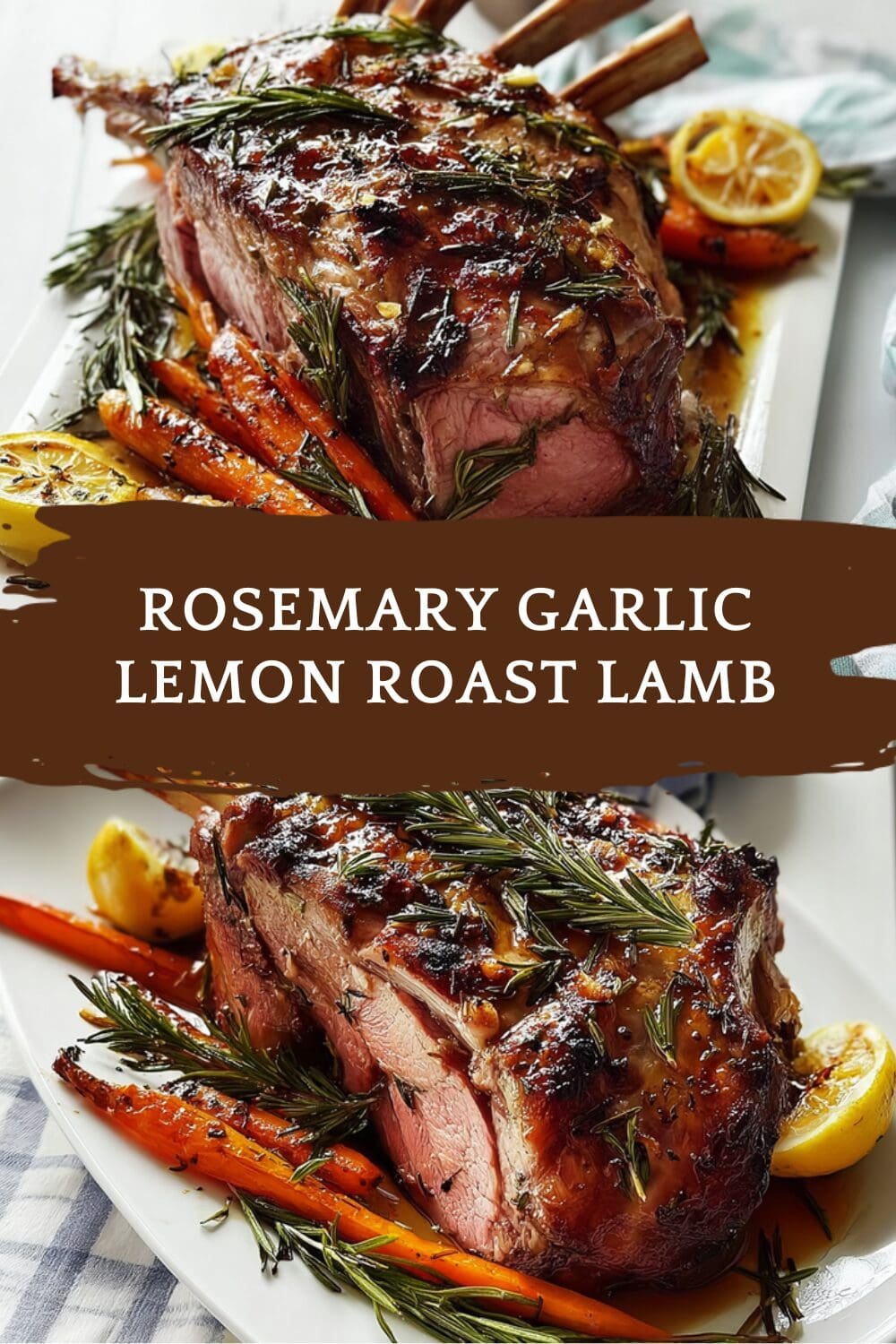
Why You’ll Love This Rosemary Garlic Lemon Roast Lamb
This rosemary garlic lemon roast lamb brings together simple flavors that make it a hit for family dinners. It’s easy to prepare, taking just basic ingredients and a few steps to create a meal that feels special without much effort. You’ll enjoy how the fresh herbs and citrus brighten up the lamb, making it both tasty and nutritious for everyday eating or gatherings.
One of its biggest draws is the minimal prep time, letting you focus on other things while it cooks slowly in the oven. This dish offers lean protein that supports muscle health and meals that feel satisfying yet light. Plus, it’s versatile enough to fit various diets, from gluten-free to low-calorie tweaks, while still delivering that unforgettable herb-kissed taste.
The mix of rosemary, garlic, and lemon creates a fresh, zesty profile that pairs well with sides like roasted veggies. You’ll find it simple to adapt for what you have on hand, making it a go-to recipe for busy nights or weekend feasts. Whether you’re cooking for two or a crowd, this lamb dish adds a touch of elegance to any table without overwhelming your schedule.
Jump to:
- Why You’ll Love This Rosemary Garlic Lemon Roast Lamb
- Essential Ingredients for Rosemary Garlic Lemon Roast Lamb
- How to Prepare the Perfect Rosemary Garlic Lemon Roast Lamb: Step-by-Step Guide
- Tips for Even Better Results
- Dietary Substitutions to Customize Your Rosemary Garlic Lemon Roast Lamb
- Mastering Rosemary Garlic Lemon Roast Lamb: Advanced Tips and Variations
- Pro Techniques for Home Cooks
- How to Store Rosemary Garlic Lemon Roast Lamb: Best Practices
- FAQs: Frequently Asked Questions About Rosemary Garlic Lemon Roast Lamb
- Can I use different cuts of lamb for Rosemary Garlic Lemon Roast Lamb?
- Do I need to marinate the lamb before roasting it?
- What side dishes pair best with Rosemary Garlic Lemon Roast Lamb?
- How do I make sure the lamb stays juicy and tender while roasting?
- Can I prepare the marinade and vegetables ahead of time?
- Rosemary Garlic Lemon Roast Lamb
- Ingredients
- Instructions
- Last Step:
- Notes
- Nutrition
- Did you make this recipe?
Essential Ingredients for Rosemary Garlic Lemon Roast Lamb
Putting together this rosemary garlic lemon roast lamb starts with the right ingredients for a flavorful result. Here’s a complete list based on the classic slow-roasted version, ensuring you have everything needed for a tender and tasty meal. I’ll break it down clearly so you can shop and prepare with ease.
- 2.5 kg bone-in leg of lamb (or substitute with lamb shoulder for similar tenderness)
- 8 all-purpose potatoes, peeled and cut into thick wedges
- 2 onions, peeled and cut into thick wedges
- 1 tablespoon olive oil (used for tossing the potatoes and onions)
- 2 tablespoons sea salt flakes, plus extra for seasoning
- ½ teaspoon sea salt flakes (specifically for the potatoes and onions)
- 1 teaspoon freshly cracked black pepper, plus ¼ teaspoon for the potatoes and onions
- 2 tablespoons finely chopped garlic
- 2 rosemary sprigs, leaves picked and finely chopped
- 1 tablespoon dried oregano
- ⅓ cup extra-virgin olive oil
- 2 cups chicken stock (make sure to check for gluten-free options if needed)
- Juice of 1 large lemon, plus extra wedges for serving
- ¼ cup white wine (this is optional but adds depth)
These ingredients make the dish come alive with earthy herbs, bright citrus, and savory notes. Fresh garlic and rosemary bring out the lamb’s natural flavors, while lemon adds a refreshing twist. Remember, using bone-in cuts helps keep the meat juicy and full of flavor.
For special dietary options like vegan swaps, try marinated seitan or jackfruit in place of lamb. If you’re aiming for gluten-free, ensure your chicken stock is certified, and lamb itself fits the bill naturally. For a lower-calorie take, trim excess fat from the lamb or use less oil to lighten things up without losing that signature taste.
How to Prepare the Perfect Rosemary Garlic Lemon Roast Lamb: Step-by-Step Guide
Getting this rosemary garlic lemon roast lamb just right takes a straight-forward approach that anyone can follow. Start by preheating your oven to 170°C (350°F) or 150°C (300°F) if using a fan-forced setting, then grab a large baking dish. This method ensures the lamb turns out tender and packed with flavor from the herbs and lemon.
First, place the potatoes and onions in the baking dish and toss them with 1 tablespoon olive oil, ½ teaspoon sea salt flakes, and ¼ teaspoon black pepper. This step creates a flavorful base that soaks up the lamb’s juices as it roasts.
Next, position the lamb on top of the veggies and season it with 2 tablespoons sea salt flakes and 1 teaspoon black pepper. Add the chopped garlic, rosemary, oregano, and ⅓ cup extra-virgin olive oil, then massage it all over the meat for even coverage.
Pour 2 cups chicken stock, the juice of 1 large lemon, and ¼ cup white wine around the lamb, making sure not to pour directly on it. Cover the dish with a lid, baking paper, or foil and roast for about 4½ hours, checking every 30 minutes if needed until the lamb pulls apart easily.
After that, crank the oven up to 240°C (475°F) or 220°C (425°F) fan-forced, baste the lamb with the pan juices, and roast uncovered for 20 minutes to get a nice golden crust. If the juices start to dry up, add a bit of water. Let the lamb rest for at least 10 minutes under loose foil before serving with the potatoes and pan juices. For extra crisp potatoes, remove the lamb and roast them another 20 minutes.
Tips for Even Better Results
Keep in mind that covering the lamb during most of the cooking helps lock in moisture for that fall-apart texture. If you have time, marinate overnight with garlic and herbs to boost the flavors even more. Using bone-in lamb ensures the best tenderness, and leftovers work great in dishes like wraps or salads for quick meals later.
Preparation only takes about 15 minutes, with cooking and resting around 4 hours and 45 minutes, making the total time roughly 5 hours. For more ideas on pairing, check out our cinnamon apple cake recipe which complements hearty mains with a sweet side.

Dietary Substitutions to Customize Your Rosemary Garlic Lemon Roast Lamb
This rosemary garlic lemon roast lamb is flexible, letting you tweak it for different needs without losing its appeal. Swap out proteins or seasonings to fit vegan, gluten-free, or low-calorie diets, keeping the dish just as delicious. Below are simple ways to make these changes work in your kitchen.
- Protein alternatives: Instead of lamb, try seitan or tempeh for a vegan option, or go with turkey breast for a leaner choice.
- Seasoning tweaks: Use fresh herbs like thyme if oregano isn’t on hand, and opt for a dairy-free sauce such as lemon tahini to keep things allergen-friendly.
- Veggie swaps: Replace potatoes with seasonal veggies like carrots for a lower-carb version, ensuring everything stays gluten-free.
These adjustments help maintain the bright, herbaceous flavors while accommodating preferences. For instance, a low-calorie version might mean reducing oil or choosing leaner cuts, yet the lemon and garlic still shine through. Our blog has more tips, such as in the Christmas cocktail page, which shows how to adapt recipes for fun gatherings.
| Original Ingredient | Substitution Option | Why It Works |
|---|---|---|
| Lamb leg | Seitan or turkey | Keeps protein high while fitting dietary restrictions |
| Olive oil | Less oil or avocado oil | Reduces calories without drying out the dish |
| Potatoes | Carrots or squash | Offers a fresh twist for gluten-free or low-carb needs |
Mastering Rosemary Garlic Lemon Roast Lamb: Advanced Tips and Variations
Taking your rosemary garlic lemon roast lamb to the next level involves some smart techniques and creative twists. Use a meat thermometer to hit the perfect doneness, aiming for tender results every time. Flavors can get even better with additions like smoked paprika or fresh mint for a unique spin.
Consider marinating overnight to let the garlic, rosemary, and lemon really sink in, making the meat extra juicy. For presentation, top it with lemon slices and herb sprigs to make your plate look inviting. If you’re planning ahead, prepare the veggies and marinade in advance to streamline your cooking day.
Pro Techniques for Home Cooks
Experimenting with methods like slow cooking can enhance tenderness, especially for tougher cuts. Try variations by adding cumin for a warm note or serving with a simple sauce. These tips make the recipe adaptable for any occasion, from family dinners to holiday feasts.
How to Store Rosemary Garlic Lemon Roast Lamb: Best Practices
Proper storage keeps your rosemary garlic lemon roast lamb fresh and safe to eat later. After cooking, let it cool a bit before putting it away to avoid spoilage. Refrigerate in an airtight container within 2 hours, and it should last 3-4 days in the fridge.
- Freezing: Wrap portions in foil or bags to avoid freezer burn, and they can last up to 3 months great for meal prep.
- Reheating: Warm it gently in the oven at 325°F or in the microwave with a cover to keep it moist.
- Meal ideas: Slice it up before storing for easy use in salads or pasta, extending its versatility.
This approach helps reduce waste and makes leftovers tasty, whether you’re reheating for lunch or freezing for busy weeks.
FAQs: Frequently Asked Questions About Rosemary Garlic Lemon Roast Lamb
Can I use different cuts of lamb for Rosemary Garlic Lemon Roast Lamb?
Yes, while lamb leg is commonly used, cuts like lamb shoulder also work well. Lamb shoulder has more fat, which can add extra tenderness and flavor to the roast. Cooking times may vary slightly depending on the cut, so adjust accordingly—longer slow cooking is ideal for tougher cuts to make them tender.
Do I need to marinate the lamb before roasting it?
Marinating is optional but recommended. Marinating the lamb overnight with garlic, rosemary, lemon juice, and olive oil deepens the flavor and helps tenderize the meat. If short on time, even a couple of hours will improve the aroma; otherwise, seasoning just before cooking still yields tasty results.
What side dishes pair best with Rosemary Garlic Lemon Roast Lamb?
Roasted vegetables like carrots, potatoes, or Brussels sprouts complement the lamb well. You can also serve steamed greens such as broccoli, green beans tossed in lemon juice and olive oil, or a fresh green salad. Traditional mint sauce is another classic pairing that balances the lamb’s richness.
How do I make sure the lamb stays juicy and tender while roasting?
To keep the lamb moist, cover it tightly with foil or a lid during part of the cooking process to trap steam. Rest the lamb for at least 10 minutes after roasting so the juices redistribute throughout the meat. Using a roasting pan that collects drippings also allows you to baste the lamb occasionally.
Can I prepare the marinade and vegetables ahead of time?
Yes, you can marinate the lamb up to 24 hours in advance and keep it refrigerated. Vegetables like potatoes and onions can be peeled and chopped earlier, then stored in water or airtight containers in the fridge to prevent discoloration. This prep saves time on the day of cooking.
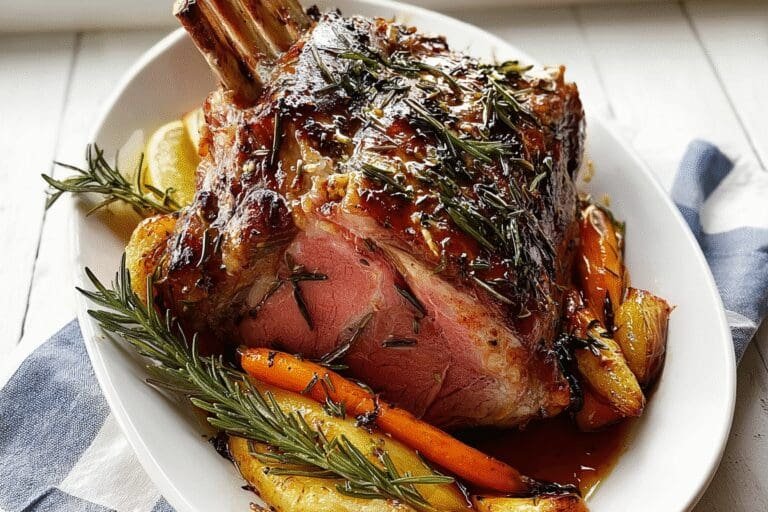
Rosemary Garlic Lemon Roast Lamb
🍖 This Rosemary Garlic Lamb Leg recipe features tender, slow-roasted lamb infused with simple yet fragrant herb seasoning for a flavorful main dish.
🥔 Paired with soft, flavorful potatoes and onions, this comforting meal is perfect for family dinners or special occasions.
- Total Time: 5 hours
- Yield: 6 to 8 servings
Ingredients
– 2.5 kg bone-in leg of lamb (or substitute with lamb shoulder for similar tenderness)
– 8 all-purpose potatoes, peeled and cut into thick wedges
– 2 onions, peeled and cut into thick wedges
– 1 tablespoon olive oil for tossing the potatoes and onions
– 2 tablespoons sea salt flakes, plus extra for seasoning
– ½ teaspoon sea salt flakes specifically for the potatoes and onions
– 1 teaspoon freshly cracked black pepper, plus ¼ teaspoon for the potatoes and onions
– 2 tablespoons finely chopped garlic
– 2 rosemary sprigs, leaves picked and finely chopped
– 1 tablespoon dried oregano
– ⅓ cup extra-virgin olive oil
– 2 cups chicken stock
– Juice of 1 large lemon, plus extra wedges for serving
– ¼ cup white wine (optional)
Instructions
1-Getting this rosemary garlic lemon roast lamb just right takes a straight-forward approach that anyone can follow. Start by preheating your oven to 170°C (350°F) or 150°C (300°F) if using a fan-forced setting, then grab a large baking dish. This method ensures the lamb turns out tender and packed with flavor from the herbs and lemon.
2-First, place the potatoes and onions in the baking dish and toss them with 1 tablespoon olive oil, ½ teaspoon sea salt flakes, and ¼ teaspoon black pepper. This step creates a flavorful base that soaks up the lamb’s juices as it roasts.
3-Next, position the lamb on top of the veggies and season it with 2 tablespoons sea salt flakes and 1 teaspoon black pepper. Add the chopped garlic, rosemary, oregano, and ⅓ cup extra-virgin olive oil, then massage it all over the meat for even coverage.
4-Pour 2 cups chicken stock, the juice of 1 large lemon, and ¼ cup white wine around the lamb, making sure not to pour directly on it. Cover the dish with a lid, baking paper, or foil and roast for about 4½ hours, checking every 30 minutes if needed until the lamb pulls apart easily.
5-After that, crank the oven up to 240°C (475°F) or 220°C (425°F) fan-forced, baste the lamb with the pan juices, and roast uncovered for 20 minutes to get a nice golden crust. If the juices start to dry up, add a bit of water. Let the lamb rest for at least 10 minutes under loose foil before serving with the potatoes and pan juices. For extra crisp potatoes, remove the lamb and roast them another 20 minutes.
Last Step:
Please leave a rating and comment letting us know how you liked this recipe! This helps our business to thrive and continue providing free, high-quality recipes for you.Notes
🥔 Potatoes are traditionally soft and soaked in pan juices but can be crisped separately if preferred.
🧡 Covering during roasting retains moisture for tender lamb.
⏳ Resting the lamb after cooking ensures juicy, tender meat that’s easier to carve.
- Prep Time: 15 minutes
- Cooking and resting time: 4 hours 45 minutes
- Cook Time: 4 hours 30 minutes
- Category: Main Dish
- Method: Slow roasting, basting, resting
- Cuisine: Mediterranean
- Diet: Gluten-free
Nutrition
- Serving Size: 1 serving
- Calories: 650 kcal
- Sugar: 4 g
- Sodium: 900 mg
- Fat: 40 g
- Saturated Fat: 12 g
- Unsaturated Fat: 22 g
- Trans Fat: 0 g
- Carbohydrates: 30 g
- Fiber: 5 g
- Protein: 45 g
- Cholesterol: 140 mg