Why You’ll Love This Runza Casserole
If you’re looking for a comforting meal that brings the family together, Runza Casserole is your answer. This delicious dish combines all the flavors of the famous Nebraska sandwich in an easy-to-make casserole form that feeds a hungry crowd. Let me share why this recipe deserves a permanent spot in your meal rotation.
Ease of Preparation
This Runza casserole recipe is designed for simplicity and quick cooking, making it perfect for busy weeknights or when you want a comforting dish without the hassle. Its straightforward steps and minimal ingredients save time in the kitchen. Even beginner cooks will find this recipe approachable, with clear instructions that lead to consistent results every time.
What makes this recipe especially convenient is how it transforms traditional Runza flavors into a family-style dish that serves eight people. Instead of hand-filling individual dough pockets, you’ll layer ingredients in a single pan and let the oven do the work. This hands-off approach gives you more time to spend with family or tackle other household tasks while dinner cooks.
Health Benefits
Packed with nutritious ingredients, this casserole offers a balanced blend of proteins, vegetables, and wholesome carbs. It supports wellness by providing essential vitamins and minerals while being adaptable to include healthier, low-calorie options. Cabbage is often overlooked as a superfood, but it brings fiber, vitamin K, and vitamin C to this dish. Combined with protein from the beef, this meal provides balanced nutrition in a tasty package.
The crescent roll crust, while indulgent, can be balanced with the generous vegetable filling. You can feel good about serving your family a meal that includes fresh vegetables alongside comforting elements. For those watching their nutrition, the protein content helps keep you satisfied longer, making this a filling choice that prevents mid-evening snacking.
Versatility
The recipe is highly adaptable to different dietary needs, including vegan, gluten-free, and low-calorie diets. You can easily swap ingredients to fit your preferences while still enjoying the delicious essence of this Runza casserole. This flexibility makes it a go-to recipe when hosting dinner parties with diverse guests or when your family’s dietary preferences change over time.
Whether you need to accommodate a vegetarian guest or reduce sodium for health reasons, this recipe adapts without losing its comforting appeal. The core concept savory filling enveloped in tender dough remains satisfying regardless of ingredient substitutions. You might find yourself creating variations for different occasions, from game day gatherings to holiday potlucks. If you enjoy this casserole format, you might also love our sweet potato casserole for another comforting family meal option.
Distinctive Flavor
What sets this dish apart is its unique blend of savory fillings and melted cheese, combined with a soft, golden crust. The distinctive taste makes it a standout comfort food that satisfies cravings and keeps you coming back for more. The combination of slightly sweet cabbage, savory beef, and buttery crescent rolls creates a flavor profile that’s both familiar and special.
This casserole captures the essence of the classic Runza sandwich while making it accessible for home cooking. The rich, satisfying flavors develop beautifully as the casserole bakes, with the crescent dough becoming golden and flaky while the filling becomes infused with savory goodness. Each bite delivers a perfect balance of textures and tastes that feels like a warm hug on a plate.
Jump to:
- Why You’ll Love This Runza Casserole
- Ease of Preparation
- Health Benefits
- Versatility
- Distinctive Flavor
- Essential Ingredients for Runza Casserole
- Main Ingredients Explained
- Special Dietary Options
- How to Prepare the Perfect Runza Casserole: Step-by-Step Guide
- Preparation Phase
- Creating the Bottom Crust
- Preparing the Savory Filling
- Assembling the Casserole
- Baking to Perfection
- Nutritional Information for Runza Casserole
- Dietary Substitutions to Customize Your Runza Casserole
- Protein and Main Component Alternatives
- Vegetable, Sauce, and Seasoning Modifications
- Mastering Runza Casserole: Advanced Tips and Variations
- Pro Cooking Techniques
- Flavor Variations
- Presentation Tips
- Make-Ahead Options
- How to Store Runza Casserole: Best Practices
- Refrigeration Guidelines
- Freezing Instructions
- Reheating Methods
- Meal Prep Considerations
- FAQs: Frequently Asked Questions About Runza Casserole
- What temperature and time should I bake Runza casserole for the best results?
- How do I prepare the hamburger and cabbage filling for Runza casserole?
- Can I change the cheese type in a Runza casserole recipe?
- What’s the best way to use crescent roll dough for Runza casserole?
- Is it possible to add a gravy or thickener to the Runza filling?
- Runza Casserole
- Ingredients
- Instructions
- Last Step:
- Notes
- Nutrition
- Did you make this recipe?
Essential Ingredients for Runza Casserole
Before diving into the cooking process, let’s gather everything you need for this delicious Runza Casserole. The ingredient list is straightforward, relying on pantry staples and fresh produce that you can easily find at any grocery store. Here’s what you’ll need:
- 2 packages refrigerated crescent rolls (8 oz each)
- 2 pounds (907 g) hamburger
- 2 finely chopped onions
- 4 cups (about 340 g) fresh chopped cabbage
- Salt and pepper to taste
- 1 pound (454 g) shredded mozzarella cheese
- Optional thickener for a gravy texture
Main Ingredients Explained
The crescent roll dough forms the golden, flaky crust that encases the filling. Using two packages ensures you have enough dough for both the bottom crust and top layer, creating that classic enclosed sandwich feel. The hamburger provides rich flavor and serves as the protein base for the casserole. When browned properly, it develops a savory depth that pairs perfectly with the vegetables.
Onions add sweetness and complexity to the filling, while cabbage offers texture and nutritional value. Ground beef and cabbage might seem like an unlikely pairing, but they’ve been enjoyed together in various cultures for generations. The cabbage softens as it cooks, taking on the flavors of the beef and seasonings while maintaining a slight crunch that adds interest to each bite.
Mozzarella cheese melts beautifully, creating pockets of creamy, savory goodness throughout the casserole. The salt and pepper enhance the natural flavors of the ingredients without overpowering them. The optional thickener gives you the flexibility to create a gravy-like consistency if you prefer a moister filling.
Special Dietary Options
This Runza Casserole can be easily adapted to suit various dietary needs without sacrificing taste or texture:
- Vegan: Use plant-based ground meat alternatives and vegan cheese substitutes. These products have improved significantly in recent years and create a convincing plant-based version of this classic dish.
- Gluten-free: Replace the crescent roll dough with gluten-free pastry shells or crusts. Many grocery stores now carry quality gluten-free dough options that work well in this recipe.
- Low-calorie: Opt for lean ground turkey or chicken and reduced-fat cheese to lighten the dish. You can also increase the proportion of vegetables to create a more nutrient-dense version with fewer calories per serving.
How to Prepare the Perfect Runza Casserole: Step-by-Step Guide
Now that we have all our ingredients ready, let’s walk through the preparation process step by step. Follow these instructions carefully for the best results, and don’t worry if you’re new to cooking this recipe is designed to be foolproof!
Preparation Phase
First, preheat your oven to 350°F (175°C). This temperature ensures the casserole cooks evenly without burning the crust before the filling is hot. While the oven heats, prepare your ingredients by finely chopping the onions and cabbage. Uniform chopping helps everything cook at the same rate, resulting in consistent texture throughout the filling.
Next, prepare your baking dish. A 9×13 inch pan works perfectly for this recipe. Lightly grease it to prevent sticking, or line it with parchment paper for easy cleanup. Having everything prepped and ready before you start cooking makes the process smoother and more enjoyable.
Creating the Bottom Crust
Take one package of crescent roll dough and spread it into the bottom of your prepared pan. Press the seams together to create a solid, even layer without gaps. This will serve as the foundation for your casserole. Place the pan in the preheated oven and bake for about 7 minutes, or until the dough is lightly browned but not fully cooked.
This partial baking prevents the bottom crust from becoming soggy when you add the moist filling. It should be set and slightly golden but still pale enough to continue cooking without burning during the final bake. While the crust is in the oven, you can start preparing the filling.
Preparing the Savory Filling
In a large skillet over medium heat, begin browning your hamburger. Break it up as it cooks to ensure even browning and to prevent large clumps. Once the meat is browned, add the chopped onions and continue cooking until they become translucent and fragrant. This combination creates a flavorful base for the casserole.
Drain the excess grease from the skillet to prevent the final dish from becoming too oily. Then, add the chopped cabbage to the meat and onion mixture. Steam the cabbage with the meat for a few minutes until it’s slightly softened but still retains some texture. Season generously with salt and pepper to taste, adjusting as needed based on your preferences.
Pro tip: If you prefer a creamier filling, this is the time to add your optional thickener. A spoonful of flour or cornstarch mixed with water, or even a small can of cream soup, can transform the texture into more of a gravy consistency. This step is completely optional and depends on your personal preference for how “saucy” you like your casserole.
Assembling the Casserole
Once your bottom crust is partially baked and your filling is ready, it’s time to assemble. Spread the meat and cabbage mixture evenly over the partially baked crust, making sure to distribute it right to the edges. This ensures every bite contains a good balance of crust and filling.
Next, sprinkle the shredded mozzarella cheese generously over the meat mixture. One pound might seem like a lot, but this cheese creates the delicious, gooey layer that makes this casserole so irresistible. Make sure the cheese covers the filling evenly for consistent flavor throughout.
Finally, unroll the second package of crescent roll dough and carefully place it over the cheese layer. Pinch the edges to seal the casserole, creating a neat package that will hold in all the delicious juices as it bakes. You can use a fork to crimp the edges for a decorative touch if you like.
Baking to Perfection
Place your assembled casserole in the oven and bake for 35 to 40 minutes. About 10 minutes before the baking time is up, loosely cover the casserole with foil. This prevents the top crust from becoming too dark while ensuring the filling heats through completely. The foil also helps soften the top crust slightly, creating a pleasant texture contrast with the more crispy bottom.
Your casserole is done when the top crust is golden brown and you can see the filling bubbling around the edges. Let it cool for about 10 minutes before slicing. This resting period allows the filling to set slightly, making it easier to cut clean portions that hold their shape on the plate.
Nutritional Information for Runza Casserole
Understanding the nutritional content of your meals helps you make informed choices for yourself and your family. Here’s the breakdown for this Runza Casserole recipe based on 8 servings:
| Nutrient | Amount Per Serving |
|---|---|
| Calories | 676 |
| Carbohydrates | 29 g |
| Fat | 48 g |
| Cholesterol | 125 mg |
| Protein | 35 g |
| Sodium | 1078 mg |
This recipe yields 8 servings with the approximate nutritional profile shown above. The rich combination of buttery dough, savory seasoned filling, and melted mozzarella creates a comforting and flavorful casserole that provides substantial protein and energy. As noted throughout the article, you can adjust ingredients to reduce calories, fat, or sodium according to your dietary needs while maintaining the delicious taste that makes this recipe special.

Dietary Substitutions to Customize Your Runza Casserole
One of the beautiful aspects of this Runza Casserole recipe is its flexibility. Whether you’re accommodating dietary restrictions, health goals, or personal preferences, you can customize this dish without losing its comforting appeal. Let’s explore various substitution options that work well with this recipe.
Protein and Main Component Alternatives
The classic recipe calls for hamburger, but you can easily substitute ground turkey, chicken, or plant-based meat alternatives for varied protein options. Ground turkey creates a leaner version with slightly less fat, while chicken offers a milder flavor profile that lets the vegetables shine. Both options work beautifully in this recipe and reduce the overall calorie count.
For a vegetarian option, consider using lentils or mushrooms as protein-rich substitutes. Lentils provide a hearty texture similar to ground beef and absorb flavors well. Mushrooms, especially meaty varieties like portobello, can add umami richness that satisfies even carnivores. You might also combine several vegetarian proteins to create a more complex flavor profile.
Vegetable, Sauce, and Seasoning Modifications
While cabbage is traditional in Runza Casserole, you can swap it for kale, spinach, or zucchini depending on availability and preference. Kale holds up well to cooking and adds a nutritional boost, while spinach wilts nicely and integrates seamlessly into the filling. Zucchini adds moisture and a mild flavor that complements the beef without overpowering it.
For sauce variations, consider incorporating different sauces such as tomato-based or vegan cream sauces to enhance flavor profiles. A splash of Worcestershire sauce adds depth, while a bit of Dijon mustard can provide a subtle tang. These small additions transform the basic recipe into something uniquely yours.
Seasonings can be adjusted to suit dietary restrictions or taste preferences. For those watching sodium intake, use low-sodium soy sauce or fresh herbs instead of relying solely on salt. Garlic powder, onion powder, and paprika add flavor without salt. Fresh herbs like thyme or rosemary bring brightness and complexity to the filling.
Mastering Runza Casserole: Advanced Tips and Variations
Once you’ve mastered the basic recipe, you might want to experiment with techniques and variations that take your Runza Casserole to the next level. These tips from experienced home cooks will help you create impressive results every time.
Pro Cooking Techniques
For a crispier crust, brush the pastry dough with an egg wash before baking. Mix one egg with a tablespoon of water and gently brush it over the top crescent roll layer. This simple step creates a beautiful golden color and slightly crunchier texture that looks professionally made. You can also sprinkle sesame seeds or poppy seeds on top of the egg wash for added flavor and visual appeal.
Pre-cooking vegetables to reduce moisture is crucial for preventing sogginess. After cooking your meat and vegetables, consider draining any excess liquid before assembling the casserole. This extra step ensures your crust stays crisp even after baking. You can also pat cooked vegetables with paper towels to remove additional moisture if needed.
Flavor Variations
Experiment by adding spices like smoked paprika or garlic powder to your filling. Smoked paprika adds a depth that complements the beef beautifully, while garlic powder enhances the savory notes without the sharpness of fresh garlic. A pinch of red pepper flakes can introduce subtle heat that balances the richness of the cheese and dough.
Incorporating different cheese blends or adding caramelized onions creates extra richness. While mozzarella provides excellent melting properties, mixing in some sharp cheddar adds tanginess, or provolone contributes nutty notes. Caramelized onions, made by cooking onions slowly until deeply browned and sweet, add a gourmet touch that elevates the entire dish.
Presentation Tips
Garnish with fresh parsley or chives for a pop of color that makes your casserole look as good as it tastes. These herbs add freshness that balances the richness of the dish. Simply sprinkle chopped herbs over the casserole just before serving for maximum visual impact.
Slice into neat squares using a sharp knife, cleaning the blade between cuts for clean edges. Serving with dipping sauces like ranch, honey mustard, or marinara adds an interactive element that guests love. These sauces complement the casserole flavors and make each bite more exciting. If you enjoy this style of layered comfort food, our chocolate eclair cake offers a delightful dessert version with a similar concept.
Make-Ahead Options
Prepare the filling a day ahead and store it in the refrigerator to save time on busy days. The flavors often develop and improve overnight, making this a great meal prep strategy. When ready to bake, simply assemble the casserole with fresh dough and bake as directed. This approach breaks the work into manageable chunks and reduces stress at dinnertime.
You can also fully assemble the casserole and freeze it before baking. Wrap it tightly in plastic wrap and aluminum foil, then freeze for up to 2 months. Thaw overnight in the refrigerator before baking as directed. This make-ahead option is perfect for hectic weeknights or when taking dinner to a friend in need.
How to Store Runza Casserole: Best Practices
Leftovers from this Runza Casserole are just as delicious as the fresh dish, if not more so, as the flavors have time to meld together. Proper storage ensures you can enjoy your casserole for days after making it. Here are the best practices for storing your leftovers.
Refrigeration Guidelines
Store leftover Runza casserole in an airtight container in the refrigerator for up to 3-4 days to maintain freshness. Allow the casserole to cool completely before covering it to prevent condensation, which can make the crust soggy. If you don’t have a container large enough for the entire casserole, individual portions can be wrapped in plastic wrap or foil.
When refrigerating, place the casserole on a middle shelf where the temperature is most consistent. Avoid storing it in the refrigerator door, as temperature fluctuations there can affect food quality and safety. Properly stored, your casserole will remain safe to eat and maintain its appealing texture for several days.
Freezing Instructions
For long-term storage, wrap casserole portions tightly in foil or plastic wrap and freeze for up to 2 months. Portioning before freezing makes thawing faster and gives you flexibility to reheat just what you need. Double wrapping prevents freezer burn and protects the flavor and texture of your casserole.
Label each package with the date and contents using a permanent marker. This simple step helps you keep track of what’s in your freezer and ensures you use items while they’re at their best quality. When stored properly, frozen Runza Casserole maintains its quality for several months, giving you a convenient homemade meal option on busy days.
Reheating Methods
Reheat in the oven at 350°F (175°C) to retain crust crispness, or use a microwave for convenience. Oven reheating takes longer but produces results closest to the freshly baked dish. Place the casserole in an oven-safe dish and cover with foil to prevent over-browning. Heat for about 20-30 minutes, or until heated through.
For a quicker option, microwave individual portions for 2-3 minutes, depending on your microwave’s power. To prevent the crust from becoming tough, place a damp paper towel over the portion or microwave at 50% power for longer. While microwaving is faster, note that the crust will be softer than with oven reheating.
Meal Prep Considerations
Portion the casserole before freezing to simplify batch cooking and encourage easy meal planning throughout the week. Having pre-portioned meals ready to go makes healthy eating convenient even on your busiest days. Consider pairing portions with a simple side salad or vegetable for a complete, balanced meal.
This casserole also travels well for potlucks and gatherings. Keep it hot during transport by wrapping it in towels and placing it in an insulated carrier. Alternatively, bring it chilled and reheat at your destination if facilities allow. This versatility makes Runza Casserole an excellent option for sharing with others.
FAQs: Frequently Asked Questions About Runza Casserole
What temperature and time should I bake Runza casserole for the best results?
Preheat your oven to 350°F (175°C). Bake the Runza casserole for 35 to 40 minutes. To keep the crust tender, cover the casserole with foil during the last 10 minutes of baking. This method ensures the crescent roll crust is fully cooked and the filling is heated through without drying out.
How do I prepare the hamburger and cabbage filling for Runza casserole?
Start by browning ground hamburger and chopped onions in a skillet over medium heat. Drain any excess grease, then add chopped cabbage and steam it with the meat for a few minutes until slightly softened. Season with salt and pepper to taste. This mixture creates the savory base that defines a Runza casserole.
Can I change the cheese type in a Runza casserole recipe?
Yes, while shredded mozzarella is commonly used, you can substitute it with cheddar, Monterey Jack, or a blend of your favorite cheeses. Choose a cheese that melts well to keep the casserole creamy and gooey. Adjust the quantity according to your preference, typically around one pound for a standard recipe.
What’s the best way to use crescent roll dough for Runza casserole?
Using crescent roll dough sheets instead of traditional rolls can save preparation time because they are easier to spread in the pan evenly. Bake the dough alone for about 7 minutes before adding the filling to achieve a lightly browned and firm crust that won’t become soggy during baking.
Is it possible to add a gravy or thickener to the Runza filling?
Yes, if you want a gravy-like texture, add an undiluted canned cream soup or a small amount of flour or cornstarch mixed with water to the browned hamburger and cabbage mixture. This step is optional but can add moisture and a richer consistency to the casserole filling.
Runza Casserole
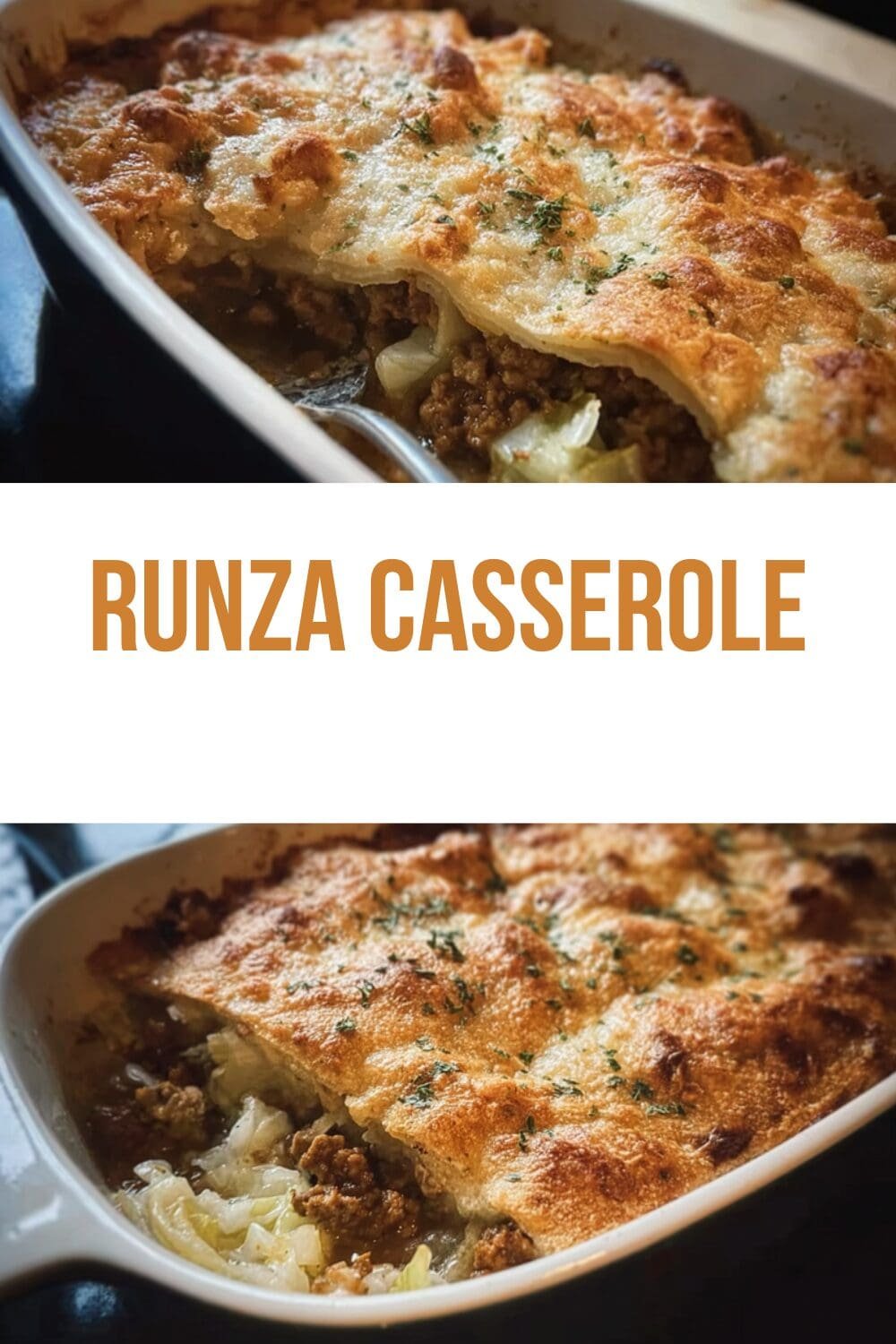
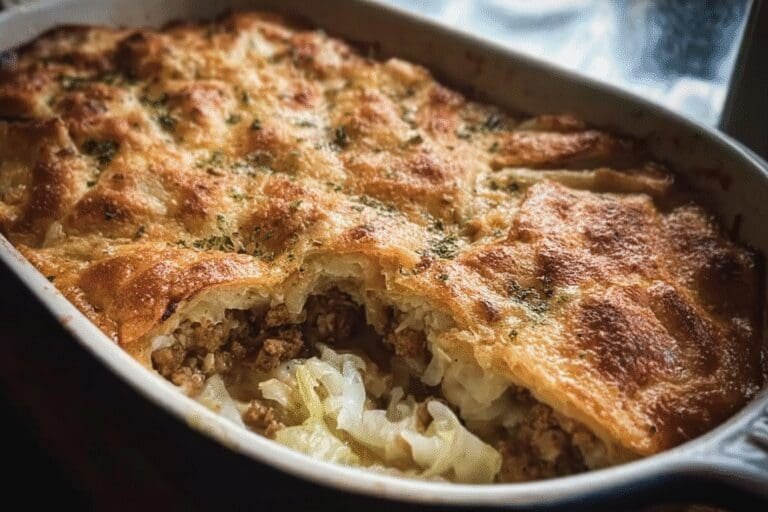
🥧 This Runza Casserole combines a buttery crescent roll crust with a savory beef, onion, and cabbage filling for a comforting meal.
🧀 Layered with melted mozzarella cheese, it offers rich flavors and cheesy goodness in every bite.
- Total Time: 1 hour
- Yield: 8 servings 1x
Ingredients
2 packages refrigerated crescent rolls (8 oz each)
2 pounds (907 g) hamburger
2 finely chopped onions
4 cups (about 340 g) fresh chopped cabbage
Salt and pepper to taste
1 pound (454 g) shredded mozzarella cheese
Optional thickener for a gravy texture
Instructions
1-Preparation Phase: First, preheat your oven to 350°F (175°C). This temperature ensures the casserole cooks evenly without burning the crust before the filling is hot. While the oven heats, prepare your ingredients by finely chopping the onions and cabbage. Uniform chopping helps everything cook at the same rate, resulting in consistent texture throughout the filling.
2-Preparation Phase: Next, prepare your baking dish. A 9×13 inch pan works perfectly for this recipe. Lightly grease it to prevent sticking, or line it with parchment paper for easy cleanup. Having everything prepped and ready before you start cooking makes the process smoother and more enjoyable.
3-Creating the Bottom Crust: Take one package of crescent roll dough and spread it into the bottom of your prepared pan. Press the seams together to create a solid, even layer without gaps. This will serve as the foundation for your casserole. Place the pan in the preheated oven and bake for about 7 minutes, or until the dough is lightly browned but not fully cooked.
4-Creating the Bottom Crust: This partial baking prevents the bottom crust from becoming soggy when you add the moist filling. It should be set and slightly golden but still pale enough to continue cooking without burning during the final bake. While the crust is in the oven, you can start preparing the filling.
5-Preparing the Savory Filling: In a large skillet over medium heat, begin browning your hamburger. Break it up as it cooks to ensure even browning and to prevent large clumps. Once the meat is browned, add the chopped onions and continue cooking until they become translucent and fragrant. This combination creates a flavorful base for the casserole.
6-Preparing the Savory Filling: Drain the excess grease from the skillet to prevent the final dish from becoming too oily. Then, add the chopped cabbage to the meat and onion mixture. Steam the cabbage with the meat for a few minutes until it’s slightly softened but still retains some texture. Season generously with salt and pepper to taste, adjusting as needed based on your preferences.
7-Preparing the Savory Filling: Pro tip: If you prefer a creamier filling, this is the time to add your optional thickener. A spoonful of flour or cornstarch mixed with water, or even a small can of cream soup, can transform the texture into more of a gravy consistency. This step is completely optional and depends on your personal preference for how “saucy” you like your casserole.
8-Assembling the Casserole: Once your bottom crust is partially baked and your filling is ready, it’s time to assemble. Spread the meat and cabbage mixture evenly over the partially baked crust, making sure to distribute it right to the edges. This ensures every bite contains a good balance of crust and filling.
9-Assembling the Casserole: Next, sprinkle the shredded mozzarella cheese generously over the meat mixture. One pound might seem like a lot, but this cheese creates the delicious, gooey layer that makes this casserole so irresistible. Make sure the cheese covers the filling evenly for consistent flavor throughout.
10-Assembling the Casserole: Finally, unroll the second package of crescent roll dough and carefully place it over the cheese layer. Pinch the edges to seal the casserole, creating a neat package that will hold in all the delicious juices as it bakes. You can use a fork to crimp the edges for a decorative touch if you like.
11-Baking to Perfection: Place your assembled casserole in the oven and bake for 35 to 40 minutes. About 10 minutes before the baking time is up, loosely cover the casserole with foil. This prevents the top crust from becoming too dark while ensuring the filling heats through completely. The foil also helps soften the top crust slightly, creating a pleasant texture contrast with the more crispy bottom.
12-Baking to Perfection: Your casserole is done when the top crust is golden brown and you can see the filling bubbling around the edges. Let it cool for about 10 minutes before slicing. This resting period allows the filling to set slightly, making it easier to cut clean portions that hold their shape on the plate.
Last Step:
Please leave a rating and comment letting us know how you liked this recipe! This helps our business to thrive and continue providing free, high-quality recipes for you.Notes
🍴 Partially baking the bottom crust prevents it from becoming soggy once the filling is added.
🧅 Sauté onions properly to bring out their sweetness and enhance flavor.
🧀 Adding a creamy soup or thickener creates a richer, more cohesive filling.
- Prep Time: 15 minutes
- Cook Time: 45 minutes
- Category: Casserole, Main Dish
- Method: Baking, Sautéing
- Cuisine: American
Nutrition
- Serving Size: 1 slice
- Calories: 676 kcal
- Sugar: 5 g
- Sodium: 1078 mg
- Fat: 48 g
- Saturated Fat: 19 g
- Trans Fat: 0 g
- Carbohydrates: 29 g
- Fiber: 3 g
- Protein: 35 g
- Cholesterol: 125 mg