Why You’ll Love This Soy Sauce Eggs
If you’re looking for a simple yet flavorful dish to add to your recipe collection, soy sauce eggs are absolutely perfect. These marinated eggs bring a burst of umami flavor to your plate while being incredibly easy to prepare. The combination of savory soy sauce with aromatic ingredients creates a taste sensation that transforms ordinary boiled eggs into something extraordinary. What makes this recipe truly special is its versatility. You can enjoy these eggs as a protein-packed snack, add them to your morning breakfast, or use them as a topping for noodles and rice bowls. The preparation is straightforward, and most of the work happens while the eggs marinate in the refrigerator, making this an ideal recipe for busy home cooks who want delicious results without spending hours in the kitchen.The Health Benefits of Soy Sauce Eggs
Not only are these soy sauce eggs delicious, but they’re also packed with nutritional benefits. Eggs are an excellent source of high-quality protein, containing all essential amino acids your body needs. According to research, eggs offer numerous health benefits, including supporting eye health and providing important vitamins and minerals. When marinated with wholesome ingredients, these eggs become a nutritious addition to your diet that can help you feel satisfied and energized throughout the day.Perfect for Any Occasion
Whether you’re meal prepping for the week ahead, hosting a casual gathering, or simply want to upgrade your daily lunch, soy sauce eggs fit the bill perfectly. They’re budget-friendly, require minimal cooking skills, and can be customized to suit your taste preferences. The beautiful amber color the eggs develop during marinating makes them visually appealing, while the complex flavor profile keeps everyone coming back for more.Jump to:
- Why You’ll Love This Soy Sauce Eggs
- The Health Benefits of Soy Sauce Eggs
- Perfect for Any Occasion
- Essential Ingredients for Soy Sauce Eggs
- Marinated Eggs Ingredients
- Understanding Each Ingredient
- How to Prepare the Perfect Soy Sauce Eggs: Step-by-Step Guide
- Boiling the Eggs
- Preparing the Marinade
- Marinating Process
- Dietary Substitutions to Customize Your Soy Sauce Eggs
- Gluten-Free Options
- Vegan Alternatives
- Adjusting Spice Levels
- Mastering Soy Sauce Eggs: Advanced Tips and Variations
- Flavor Enhancement Techniques
- Marinade Management
- Presentation Ideas
- How to Store Soy Sauce Eggs: Best Practices
- Refrigeration Guidelines
- Meal Prep Tips
- Freezing Considerations
- Nutritional Information and Serving Suggestions
- Nutritional Breakdown per Serving
- Delicious Serving Ideas
- FAQs: Frequently Asked Questions About Soy Sauce Eggs
- How long should I soak eggs in soy sauce marinade for the best flavor?
- Can I change the ingredients in the soy sauce marinade?
- Should I use soft boiled or hard boiled eggs for soy sauce eggs?
- How do I store soy sauce eggs after marinating, and how long do they last?
- Can I reuse the soy sauce marinade for another batch of eggs?
- Soy Sauce Eggs
- Ingredients
- Instructions
- Last Step:
- Notes
- Nutrition
- Did you make this recipe?
Essential Ingredients for Soy Sauce Eggs
To create these delicious marinated eggs, you’ll need simple ingredients that are easy to find at any grocery store. The magic happens when these basic components come together to create a flavorful marinade that transforms plain eggs into a savory delicacy.Marinated Eggs Ingredients
- 1 cup low-sodium soy sauce
- 6 tablespoons water
- 3 tablespoons rice vinegar
- 2 tablespoons brown sugar
- 1 teaspoon chili garlic sauce
- 2 diced scallions
- 6 large peeled eggs (either soft boiled or hard boiled)
Understanding Each Ingredient
The low-sodium soy sauce provides the rich, savory base for our marinade while allowing you to control the saltiness. Water helps dilute the soy sauce slightly, creating a more balanced flavor profile. Rice vinegar adds a pleasant tanginess that cuts through the richness, while brown sugar brings a subtle sweetness that perfectly balances the salt and acid. The chili garlic sauce contributes both heat and garlic flavor, adding depth to the overall taste. Fresh scallions provide a mild onion flavor and a pop of color to the final dish. If you’re interested in learning more about the nutritional aspects of soy sauce, you can find detailed information about soy sauce nutrition facts and health benefits.How to Prepare the Perfect Soy Sauce Eggs: Step-by-Step Guide
Creating delicious soy sauce eggs is a simple process that requires minimal active cooking time. The key to success lies in properly boiling the eggs and allowing enough marinating time for the flavors to develop. Follow these steps for perfect results every time.Boiling the Eggs
Start by bringing a pot of water to a full boil. Gently lower the eggs into the boiling water using a spoon to prevent cracking. For soft-boiled eggs with a jammy center, boil for exactly 6-7 minutes. For hard-boiled eggs with firm yolks, cook for 9-12 minutes depending on your preference. Once the time is up, immediately transfer the eggs to an ice water bath to stop the cooking process and make peeling easier.Preparing the Marinade
While the eggs are cooling, prepare the flavorful marinade. In a quart-sized jar or container with a tight-fitting lid, combine the low-sodium soy sauce, water, rice vinegar, brown sugar, chili garlic sauce, and diced scallions. Stir or shake well until the brown sugar has completely dissolved. This aromatic mixture is what will give your eggs their incredible flavor and beautiful amber color.Marinating Process
Once the eggs have cooled, carefully peel them, trying to keep the surface intact. Place the peeled eggs into the jar with the marinade, ensuring they are completely submerged. Seal the container tightly and refrigerate for at least 8 hours for optimal flavor development. If you’re short on time, a minimum of 4 hours will work, but the flavor will be subtler. For the best results, let the eggs marinate overnight to allow the flavors to penetrate fully.
Dietary Substitutions to Customize Your Soy Sauce Eggs
One of the wonderful things about this recipe is its adaptability to various dietary needs and flavor preferences. With just a few simple substitutions, you can customize these marinated eggs to suit your specific requirements while still enjoying delicious results.Gluten-Free Options
For those with gluten sensitivities, regular soy sauce can be replaced with tamari or coconut aminos. Both alternatives provide similar umami flavor without the gluten content found in traditional soy sauce. Coconut aminos tend to be slightly sweeter, so you might want to adjust the amount of brown sugar accordingly.Vegan Alternatives
While eggs are the star of this recipe, you can create a vegan version by using firm tofu cubes instead. Press the tofu to remove excess moisture, cut into bite-sized cubes, and follow the same marinating process. The tofu will absorb the flavors beautifully and provide a protein-rich alternative that everyone can enjoy.Adjusting Spice Levels
The heat level in this recipe comes from the chili garlic sauce. If you prefer a milder version, reduce the amount of chili garlic sauce or omit it entirely. For those who love extra heat, add sliced jalapeños or red pepper flakes to the marinade. Remember that the longer the eggs marinate with spicy ingredients, the more intense the heat will become.Mastering Soy Sauce Eggs: Advanced Tips and Variations
Once you’ve mastered the basic recipe, there are countless ways to customize your soy sauce eggs and take them to the next level. These advanced tips and variations will help you create personalized versions that suit your taste perfectly.Flavor Enhancement Techniques
Using dark soy sauce instead of regular light soy sauce will give your eggs a deeper color and richer flavor. The marinade can be further customized by adding ingredients like mirin for additional sweetness, fresh ginger for warmth, extra garlic for intensity, or red onion for color and mild bite. Some cooks even add a splash of sesame oil for a nutty aroma that pairs wonderfully with the soy base.Pro tip: Gently tap the boiled eggs against the counter to create small cracks in the shell before peeling. This technique allows the marinade to penetrate slightly into the egg white, creating a beautiful marbled effect on the surface.
Marinade Management
The marinade can be reused once, though the flavor intensity will be reduced in the second batch. If you plan to reuse it, bring the marinade to a boil first to ensure food safety. For the freshest taste and strongest flavor, prepare a new batch of marinade each time you make soy sauce eggs.Presentation Ideas
Serving your soy sauce eggs beautifully adds to the overall dining experience. Try slicing the eggs in half and arranging them on a platter with a drizzle of sesame oil, a sprinkle of cracked black pepper, and extra diced scallions. Pickled red onion makes an excellent accompaniment, adding color and a tangy contrast to the rich, savory eggs.How to Store Soy Sauce Eggs: Best Practices
Proper storage is essential for maintaining the quality and safety of your soy sauce eggs. Following these storage guidelines will ensure your eggs stay fresh and delicious for as long as possible.Refrigeration Guidelines
Store your marinated eggs in an airtight container submerged in the marinade. They can be kept safely in the refrigerator for up to 2 weeks. However, for the best texture and flavor, it’s recommended to consume them within 3 to 5 days. Storing them longer may result in the egg whites becoming rubbery and less enjoyable.Meal Prep Tips
Soy sauce eggs are excellent for meal prepping. Prepare a batch at the beginning of the week and you’ll have a convenient protein source ready for quick meals. They work wonderfully in Korean ground beef stir-fry, over steamed rice, or simply as a satisfying snack. Keep them refrigerated until ready to eat, and avoid leaving them at room temperature for extended periods.Freezing Considerations
Freezing soy sauce eggs is not recommended as the texture changes significantly when thawed. The egg whites can become rubbery and watery, negatively affecting the eating experience. Since these eggs are quick and easy to prepare, it’s best to make fresh batches as needed rather than freezing them for later use.Nutritional Information and Serving Suggestions
Understanding the nutritional content of your food helps you make informed choices about your diet. Soy sauce eggs offer a balanced profile of macronutrients along with several essential vitamins and minerals.Nutritional Breakdown per Serving
| Nutrient | Amount |
|---|---|
| Calories | 121 |
| Carbohydrates | 7 grams |
| Protein | 10 grams |
| Total Fat | 5 grams (2 grams saturated) |
| Cholesterol | 187 mg |
| Sodium | 1636 mg |
| Potassium | 229 mg |
| Fiber | 0.4 g |
| Sugar | 5 g |
| Vitamin A | 300 IU |
| Vitamin C | 1 mg |
| Calcium | 45 mg |
| Iron | 1 mg |
Delicious Serving Ideas
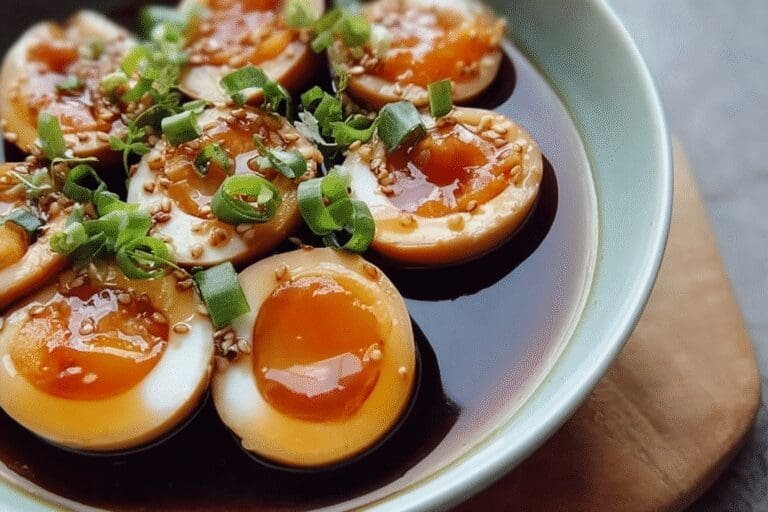
Soy sauce eggs are incredibly versatile and can be incorporated into various dishes. They make an excellent topping for ramen, adding protein and flavor to the broth. Place them over a bowl of steaming rice with some vegetables for a simple yet satisfying meal. They also work beautifully in salads, providing a protein boost that turns a side dish into a complete meal.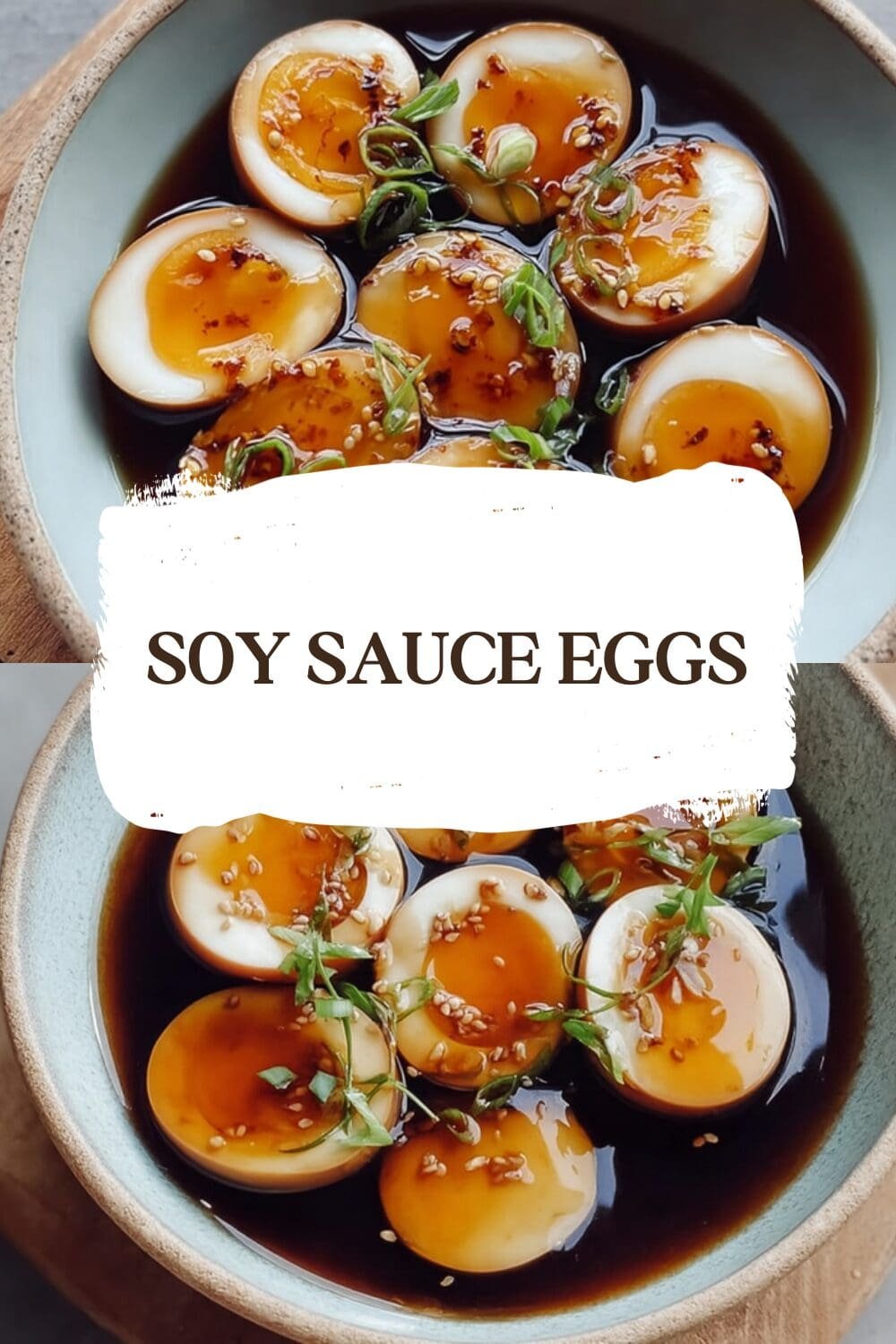
FAQs: Frequently Asked Questions About Soy Sauce Eggs
How long should I soak eggs in soy sauce marinade for the best flavor?
For the best flavor and color, soak peeled boiled eggs in the soy sauce marinade for at least 8 hours or preferably overnight. If you’re short on time, a minimum of 4 hours will still impart noticeable taste. Longer soaking allows the eggs to absorb the savory marinade fully, creating a richer umami flavor and a darker exterior.
Can I change the ingredients in the soy sauce marinade?
Yes, the marinade is flexible and can be customized to your preferences. Common additions include mirin for sweetness, garlic or ginger for warmth, and chili peppers for spice. Just adjust the quantities to balance the flavors without overpowering the eggs.
Should I use soft boiled or hard boiled eggs for soy sauce eggs?
Both soft boiled and hard boiled eggs work well, depending on your preference. Soft boiled eggs have a creamy yolk that pairs nicely with the salty marinade, while hard boiled eggs offer a firmer texture. Make sure to peel the eggs before soaking them in the marinade.
How do I store soy sauce eggs after marinating, and how long do they last?
Store marinated eggs in an airtight container in the refrigerator. They can be kept safely for up to 2 weeks, but for the best texture and flavor, consume them within 3 to 5 days. Storing them longer may result in a rubbery egg white.
Can I reuse the soy sauce marinade for another batch of eggs?
You can reuse the marinade once more, but the flavor will be less intense in the second batch since some seasoning is absorbed by the eggs. Make sure to boil the marinade before reuse to avoid any contamination. For the freshest taste, prepare a new batch of marinade whenever possible.
Soy Sauce Eggs
🥚 Mayak Soy Sauce Eggs bring rich flavor and a perfect balance of savory, sweet, and spicy with just a few simple ingredients.
🍜 These marinated eggs are a fantastic addition to ramen, rice bowls, or salads, enhancing your meals with minimal effort.
- Total Time: 8 hours 5 minutes
- Yield: 6 servings
Ingredients
– 1 cup low-sodium soy sauce
– 6 tablespoons water
– 3 tablespoons rice vinegar
– 2 tablespoons brown sugar
– 1 teaspoon chili garlic sauce
– 2 diced scallions
– 6 large peeled eggs (either soft boiled or hard boiled)
Instructions
1-Boiling the Eggs: Start by bringing a pot of water to a full boil. Gently lower the eggs into the boiling water using a spoon to prevent cracking. For soft-boiled eggs with a jammy center, boil for exactly 6-7 minutes. For hard-boiled eggs with firm yolks, cook for 9-12 minutes depending on your preference. Once the time is up, immediately transfer the eggs to an ice water bath to stop the cooking process and make peeling easier.
2-Preparing the Marinade: While the eggs are cooling, prepare the flavorful marinade. In a quart-sized jar or container with a tight-fitting lid, combine the low-sodium soy sauce, water, rice vinegar, brown sugar, chili garlic sauce, and diced scallions. Stir or shake well until the brown sugar has completely dissolved. This aromatic mixture is what will give your eggs their incredible flavor and beautiful amber color.
3-Marinating Process: Once the eggs have cooled, carefully peel them, trying to keep the surface intact. Place the peeled eggs into the jar with the marinade, ensuring they are completely submerged. Seal the container tightly and refrigerate for at least 8 hours for optimal flavor development. If you’re short on time, a minimum of 4 hours will work, but the flavor will be subtler. For the best results, let the eggs marinate overnight to allow the flavors to penetrate fully.
Last Step:
Please leave a rating and comment letting us know how you liked this recipe! This helps our business to thrive and continue providing free, high-quality recipes for you.Notes
🧂 Use low sodium soy sauce to control saltiness better.
🌶️ Add chili garlic sauce for a spicy garlic kick and balance with brown sugar.
⏲️ Marinate for at least 8 hours for optimal flavor and color; marinade can be reused once but with less intensity.
- Prep Time: 5 minutes
- Marinating Time: 8 hours
- Category: Appetizer, Side Dish
- Method: Marinating
- Cuisine: Korean
Nutrition
- Serving Size: 1 egg
- Calories: 121 kcal
- Sugar: 5 g
- Sodium: 1636 mg
- Fat: 5 g
- Saturated Fat: 2 g
- Trans Fat: 0 g
- Carbohydrates: 7 g
- Fiber: 0.4 g
- Protein: 10 g
- Cholesterol: 187 mg