Why You’ll Love This Spaghetti Squash
As a home cook who’s tried countless ways to keep meals simple yet tasty, I always turn to spaghetti squash for its easy prep and health perks. It’s one of those veggies that feels like a treat without the guilt, perfect for busy parents or anyone watching what they eat. Let me share why this roasted spaghetti squash recipe has become a staple in my kitchen, offering quick wins for weeknight dinners or lively get-togethers.
The ease of preparation stands out first it’s straightforward and fast, ready in under an hour with basic steps that anyone can handle, even if you’re juggling a full day. Health benefits make it a smart choice, as spaghetti squash brims with nutrients like vitamins A and C, fiber, and antioxidants that support digestion and help manage weight. Plus, its versatility lets you tweak it for different diets, from vegan to gluten-free, while its nutty flavor adds a fresh twist that keeps things exciting.
Whether you’re a student grabbing a quick meal or a party host impressing guests, this dish adapts beautifully. For instance, I love how it pairs with various seasonings to turn ordinary nights into something special. That subtle, satisfying taste really makes every bite count, proving that healthy eating doesn’t have to feel like a chore.
Jump to:
- Why You’ll Love This Spaghetti Squash
- Essential Ingredients for Spaghetti Squash
- How to Prepare the Perfect Spaghetti Squash: Step-by-Step Guide
- Dietary Substitutions to Customize Your Spaghetti Squash
- Mastering Spaghetti Squash: Advanced Tips and Variations
- How to Store Spaghetti Squash: Best Practices
- FAQs: Frequently Asked Questions About Spaghetti Squash
- What is the best way to cook spaghetti squash so it turns into noodles?
- How can I tell if a spaghetti squash is ripe and ready to eat?
- How should I store spaghetti squash to keep it fresh longer?
- What are the main health benefits of eating spaghetti squash?
- Can spaghetti squash be used as a substitute for pasta in recipes?
- Spaghetti Squash
- Ingredients
- Instructions
- Last Step:
- Notes
- Nutrition
- Did you make this recipe?
Essential Ingredients for Spaghetti Squash
Let’s talk about what makes this recipe shine the ingredients. I’ll break them down into a clear list so you can grab everything you need without any fuss. Remember, using fresh, quality items helps bring out the best flavors, especially for folks who are always on the go like working professionals or busy parents.
- 1 large spaghetti squash (3 to 4 pounds) – This forms the base, giving you those tender, noodle-like strands that make the dish fun.
- 2 tablespoons olive oil – It adds healthy fats and helps with roasting to get that nice caramelized edge.
- 3/4 teaspoon kosher salt, plus additional to taste – This seasons the squash just right for a balanced flavor.
- 1/4 teaspoon freshly ground black pepper, plus additional to taste – It brings a subtle kick that enhances the natural sweetness.
These ingredients keep things simple and flexible. If you’re aiming for special dietary tweaks, like making it vegan, just stick with the olive oil as is. For more ideas on adjustments, check out our section on Dietary Substitutions to Customize Your Spaghetti Squash for easy swaps.
How to Prepare the Perfect Spaghetti Squash: Step-by-Step Guide
Getting started with this recipe is a breeze, and I’ll walk you through each step so you feel confident from the start. Preheat your oven to 450°F (230°C) and position the rack in the middle for even cooking that high heat really brings out the best texture. Once that’s set, carefully cut the spaghetti squash lengthwise in half and scoop out the seeds to prepare it for roasting.
Next, brush the cut sides generously with olive oil and sprinkle evenly with 3/4 teaspoon kosher salt and 1/4 teaspoon black pepper for that perfect seasoning. Place the halves cut-side down on a baking sheet and slide them into the oven. Roast for 35 to 40 minutes until the flesh is tender when pierced with a fork, giving you those golden, caramelized edges.
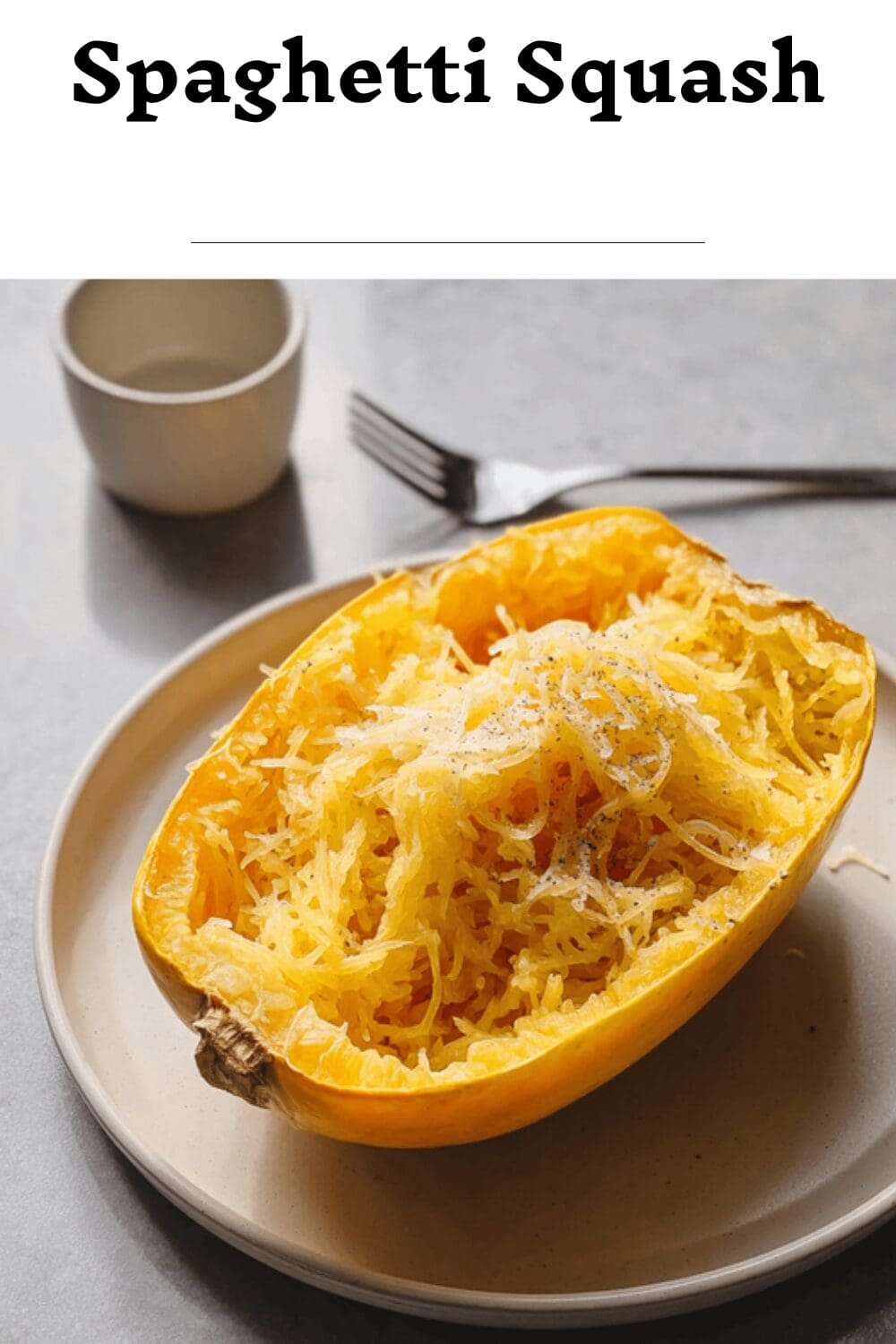
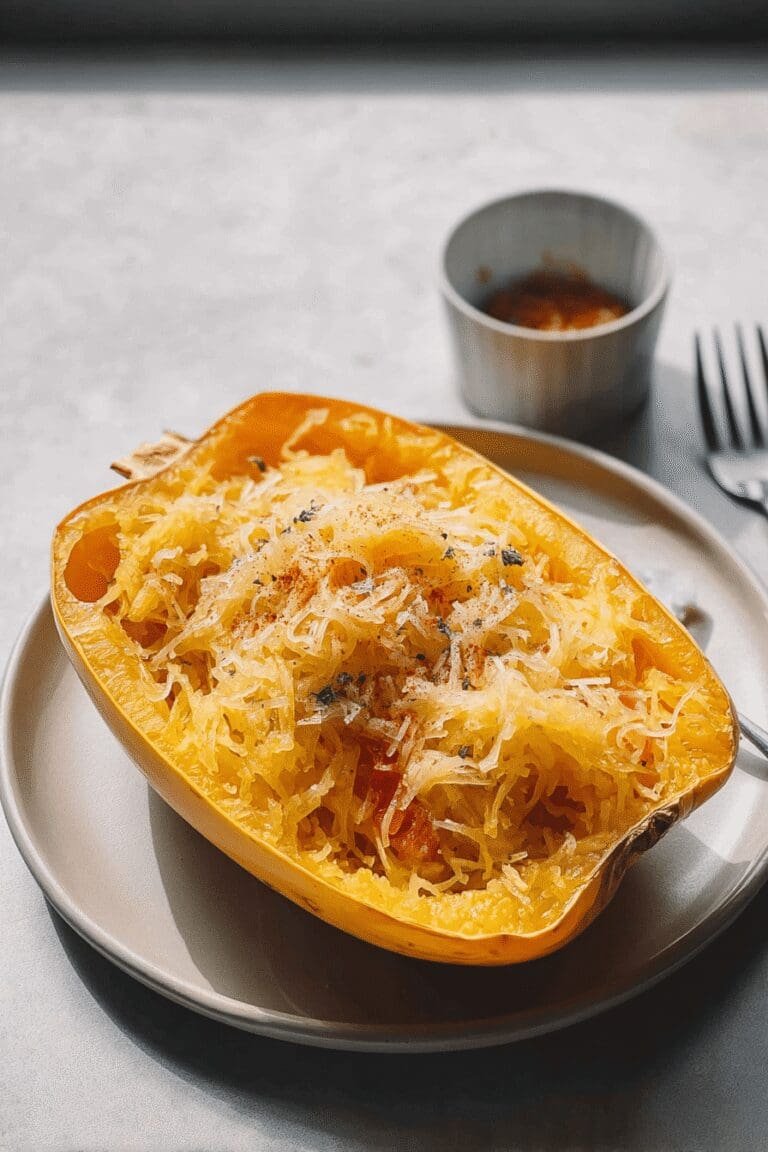
After roasting, carefully flip the squash halves over with a spatula and let them cool just a bit. Use a fork to scrape the flesh lengthwise into noodle-like strands, then season with a little more salt and pepper to taste. This method not only saves time but also keeps the dish light and flavorful, ideal for diet-conscious folks or anyone exploring new recipes.

Dietary Substitutions to Customize Your Spaghetti Squash
One of the best parts about this spaghetti squash is how easy it is to tweak for different needs, whether you’re vegan or just mixing things up. For protein boosts, you could swap in chickpeas or lentils to add heartiness without much effort. If you’re into plant-based options, a vegan pesto works great in place of traditional sauces to keep it fresh and light.
Another fun twist is using grilled chicken or tofu as a main add-in for those who prefer a bit more substance. When it comes to veggies, toss in spinach or mushrooms to amp up the nutrition and taste. Herbs like basil or oregano can change the flavor profile, making it feel new each time you cook.
- Protein alternatives: Try lentils or tempeh for a vegan-friendly option.
- Sauce swaps: Go for a spicy arrabbiata if you like heat, or keep it mild with avocado sauce.
- Seasoning ideas: Add red pepper flakes for a kick or stick with basic herbs for subtlety.
Mastering Spaghetti Squash: Advanced Tips and Variations
Once you’re comfortable with the basics, let’s level up your spaghetti squash game with some pro tips. For a fluffier texture, steam the squash briefly before roasting, or pop it in the microwave to cut down on oven time it makes separating the strands easier and safer. Experimenting with flavors is key, so try mixing in Italian herbs or smoked paprika to add depth without overwhelming the dish.
Don’t forget about presentation; serving it right in the shell adds a rustic vibe that’s great for entertaining. If you’re prepping ahead, roast a batch and store it for quick meals later this works wonders for busy schedules. For more storage advice, jump to How to Store Spaghetti Squash: Best Practices to keep things fresh.
| Tips | Benefits |
|---|---|
| Microwave before cutting | Eases the process and reduces risk |
| Roast at high heat | Creates firmer texture and better flavor |
| Add seasonings | Boosts taste with options like garlic powder |
How to Store Spaghetti Squash: Best Practices
Storing your spaghetti squash properly helps it stay fresh, which is a big win for meal preppers. Pop cooked strands into an airtight container and refrigerate them for up to 5 days to keep that great texture. If you want to stock up, freezing in portioned bags works well just label them with the date and use within 3 months.
When it’s time to reheat, do it gently on the stovetop with a bit of water to avoid drying out. For meal prep, cook a big batch and add toppings fresh each time to mix things up. This approach is perfect for travelers or seniors looking for easy, make-ahead options that save time without losing flavor.
FAQs: Frequently Asked Questions About Spaghetti Squash
What is the best way to cook spaghetti squash so it turns into noodles?
To cook spaghetti squash into noodle-like strands, start by cutting the squash in half lengthwise and scooping out the seeds. Place the halves cut-side down on a baking sheet and roast in a preheated oven at 400°F (200°C) for about 40 minutes, or until the flesh is tender. Once cooled, use a fork to scrape along the flesh, which will separate into spaghetti-like strands. For a quicker method, you can microwave the halved squash for 10-12 minutes before shredding. Roasting enhances flavor and texture, making it the preferred method for most recipes.
How can I tell if a spaghetti squash is ripe and ready to eat?
A ripe spaghetti squash typically has a uniform creamy yellow or pale orange color on the skin, depending on the variety. Avoid squash with green patches, soft spots, or bruises, as these may indicate underripe or damaged fruit. The skin should be firm and hard to pierce with your fingernail. Choosing a medium to large-sized squash will often yield more flesh for cooking. Properly selecting ripe squash ensures optimal flavor and stringy texture after cooking.
How should I store spaghetti squash to keep it fresh longer?
Store whole, uncooked spaghetti squash in a cool, dark, and well-ventilated place, such as a pantry or cellar, ideally between 50-55°F (10-13°C). Under these conditions, spaghetti squash can last up to one month. Once cut, tightly wrap the unused portions in plastic wrap or place them in an airtight container, then refrigerate for up to 5 days. Proper storage maintains freshness and prevents spoilage.
What are the main health benefits of eating spaghetti squash?
Spaghetti squash is low in calories and carbohydrates, making it a popular choice for weight management and low-carb diets. It is a good source of dietary fiber, which aids digestion and helps maintain steady blood sugar levels. Additionally, it provides important vitamins and minerals, such as vitamin C, vitamin B6, potassium, and manganese. Including spaghetti squash in meals supports heart health, immune function, and overall nutrient intake without adding excess calories.
Can spaghetti squash be used as a substitute for pasta in recipes?
Yes, spaghetti squash works well as a pasta substitute because its flesh naturally forms long, noodle-like strands when cooked. It pairs nicely with sauces typically used on traditional pasta, such as marinara, pesto, or Alfredo. However, its texture is more delicate and less chewy, providing a lighter alternative. When replacing pasta with spaghetti squash, adjust cooking times for sauces and toppings, and consider adding protein or extra vegetables for a balanced meal.
Spaghetti Squash
🎃 This Roasted Spaghetti Squash Recipe creates an easy and nutritious base perfect for a variety of flavorful meals.
🔥 Roasting locks in natural sweetness and gives the squash a satisfying texture that’s great as a low-carb pasta alternative.
- Total Time: 40 to 45 minutes
- Yield: 4 servings
Ingredients
– 1 large spaghetti squash (3 to 4 pounds) This forms the base, giving you those tender, noodle-like strands that make the dish fun.
– 2 tablespoons olive oil It adds healthy fats and helps with roasting to get that nice caramelized edge.
– 3/4 teaspoon kosher salt, plus additional to taste This seasons the squash just right for a balanced flavor.
– 1/4 teaspoon freshly ground black pepper, plus additional to taste It brings a subtle kick that enhances the natural sweetness.
Instructions
1-Getting started with this recipe is a breeze, and I’ll walk you through each step so you feel confident from the start. Preheat your oven to 450°F (230°C) and position the rack in the middle for even cooking that high heat really brings out the best texture. Once that’s set, carefully cut the spaghetti squash lengthwise in half and scoop out the seeds to prepare it for roasting.
2-Next, brush the cut sides generously with olive oil and sprinkle evenly with 3/4 teaspoon kosher salt and 1/4 teaspoon black pepper for that perfect seasoning. Place the halves cut-side down on a baking sheet and slide them into the oven. Roast for 35 to 40 minutes until the flesh is tender when pierced with a fork, giving you those golden, caramelized edges.
3-After roasting, carefully flip the squash halves over with a spatula and let them cool just a bit. Use a fork to scrape the flesh lengthwise into noodle-like strands, then season with a little more salt and pepper to taste. This method not only saves time but also keeps the dish light and flavorful, ideal for diet-conscious folks or anyone exploring new recipes.
Last Step:
Please leave a rating and comment letting us know how you liked this recipe! This helps our business to thrive and continue providing free, high-quality recipes for you.Notes
🔪 To ease cutting, make shallow cuts around the squash then microwave for 4-6 minutes before halving.
🔥 Roasting at high heat caramelizes edges and gives a firmer texture compared to steaming.
🌿 Experiment with flavors by adding paprika, garlic powder, smoky chili powder, Italian seasoning, or miso paste to the oil before brushing.
- Prep Time: 5 minutes
- Cook Time: 35 to 40 minutes
- Category: Side Dish
- Method: Roasting
- Cuisine: American
- Diet: Gluten-Free, Vegetarian, Vegan
Nutrition
- Serving Size: 1 cup cooked squash
- Calories: 147
- Sugar: 7.8g
- Sodium: 401.2mg
- Fat: 8.4g
- Saturated Fat: 1.3g
- Unsaturated Fat: 6.6g
- Trans Fat: 0g
- Carbohydrates: 19.6g
- Fiber: 4.3g
- Protein: 1.8g
- Cholesterol: 0mg