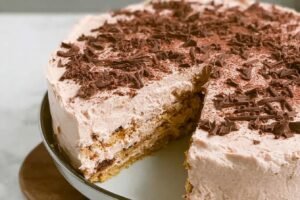
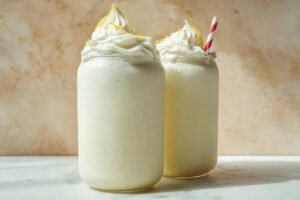
Why You’ll Love This Swiss Meringue Buttercream
Imagine achieving a silky, fluffy frosting that transforms your cakes and desserts without much fuss. This Swiss meringue buttercream is a favorite for its ease of preparation, taking only about 30 minutes from start to finish, making it perfect for busy home cooks and baking enthusiasts. Its lighter texture from whipped egg whites offers a healthier alternative to traditional frostings, while still delivering that rich, buttery taste everyone craves. Whether you’re a beginner baker or looking to impress at a party, this recipe brings a touch of elegance to your creations.
One of the best parts is how versatile it can be, adapting to different dietary needs like vegan options or low-calorie tweaks. You’ll appreciate the balanced sweetness that doesn’t overpower your dessert, setting it apart from overly sugary alternatives. For those new to baking, this recipe provides quick results with professional-looking outcomes, boosting your confidence in the kitchen.
Health benefits come into play too, as this version reduces fat compared to classic buttercream while maintaining a delightful mouthfeel. It’s ideal for diet-conscious individuals seeking tasty treats without guilt. Plus, the custom flavors and simple ingredients make it a go-to for family gatherings or personal indulgences, turning everyday moments into special occasions.
Key Benefits Breakdown
| Benefit | Description |
|---|---|
| Ease of Preparation | Simple steps with basic ingredients, ready in 30 minutes. |
| Healthier Option | Lower fat from whipped egg whites, suitable for wellness-focused diets. |
| Versatility | Easily customized for vegan, gluten-free, or low-calorie needs. |
For more fun recipe ideas that pair well with this frosting, check out our delicious muffin recipes on the blog.
Jump to:
- Why You’ll Love This Swiss Meringue Buttercream
- Key Benefits Breakdown
- Essential Ingredients for Swiss Meringue Buttercream
- How to Prepare the Perfect Swiss Meringue Buttercream: Step-by-Step Guide
- Troubleshooting Common Problems
- Dietary Substitutions to Customize Your Swiss Meringue Buttercream
- Mastering Swiss Meringue Buttercream: Advanced Tips and Variations
- How to Store Swiss Meringue Buttercream: Best Practices
- FAQs: Frequently Asked Questions About Swiss Meringue Buttercream
- What is Swiss meringue buttercream made of and how is it different from other buttercreams?
- Is Swiss meringue buttercream safe to eat raw eggs?
- How should I store Swiss meringue buttercream and can I freeze it?
- Can I add food coloring and flavors to Swiss meringue buttercream?
- Why does Swiss meringue buttercream not crust like other frostings?
- Swiss Meringue Buttercream
- Ingredients
- Instructions
- Last Step:
- Notes
- Nutrition
- Did you make this recipe?
Essential Ingredients for Swiss Meringue Buttercream
Gathering the right ingredients is the first step to success with this recipe. Let’s break down what you’ll need to create that perfect, smooth frosting. Each item plays a key role, from providing structure to adding flavor, so using precise measurements ensures consistent results.
Below is a comprehensive list of all the ingredients required for this Swiss meringue buttercream. I’ve formatted it as a clear, structured list to make it easy to follow when you’re shopping or prepping.
- 6 large egg whites (about 180g)
- 2 cups (400g) granulated sugar
- 1 and 1/2 cups (340g) unsalted butter, softened but cool, cut into tablespoon size pieces
- 2 teaspoons pure vanilla extract
- 1/8 teaspoon salt
These ingredients form the base, and they’re simple to find in most kitchens. Remember, fresh eggs are crucial for the meringue to whip up properly. For more on egg safety, visit egg safety information from reliable sources.
Special dietary options can enhance this recipe further. For a vegan twist, swap egg whites with aquafaba and use plant-based butter instead. If you’re aiming for gluten-free, the base ingredients are naturally so, just double-check your vanilla extract. For low-calorie versions, try natural sweeteners like erythritol in place of sugar to keep things light.
How to Prepare the Perfect Swiss Meringue Buttercream: Step-by-Step Guide
Ready to dive in? This step-by-step guide will walk you through making Swiss meringue buttercream with ease. Start by preparing your workspace and tools to ensure everything goes smoothly. The process is straightforward, but attention to detail, like using an instant-read thermometer, makes all the difference.
First, thoroughly clean all tools with lemon juice or white vinegar to remove any grease, as this can ruin your meringue. Carefully separate the eggs, adding one egg white at a time to a heatproof mixing bowl. Next, whisk the egg whites and sugar together until well combined.
Then, cook the mixture over simmering water, making sure the bowl doesn’t touch the water, and whisk constantly until the sugar dissolves completely and the mixture reaches 160°F. This step ensures safety and stability. After that, transfer the mixture to a mixer with a whisk attachment and beat on medium-high speed until stiff, glossy peaks form and it cools, which takes about 10-15 minutes.
Once cooled, switch to a paddle attachment and add the butter one tablespoon piece at a time, mixing fully after each addition. Beat in the vanilla extract and salt at medium speed until smooth and creamy. If issues arise, like a curdled texture, gently warm the bowl edges over simmering water and re-whip, or chill and re-whip if it’s too thin.
Troubleshooting Common Problems
- Curdled or too thick: Warm the edges gently and re-whip.
- Too thin or soupy: Chill for 20 minutes then re-whip.
This method adapts easily for dietary variations, such as using aquafaba for vegan options. The total preparation takes about 25 minutes plus 5 minutes of cook time, making it quick for busy parents and working professionals.

Dietary Substitutions to Customize Your Swiss Meringue Buttercream
Everyone has different needs, so customizing this recipe is a great way to make it your own. Whether you’re vegan, gluten-free, or watching calories, simple swaps can keep the frosting delicious. Let’s explore these options to fit various lifestyles.
For protein and main components, substitute egg whites with aquafaba to create a stable meringue base for vegan versions. Use coconut cream or vegan butter in place of dairy butter to maintain that creamy texture. These changes ensure the frosting remains light and airy while accommodating plant-based diets.
When it comes to vegetables, sauces, and seasonings, add natural flavor extracts like almond or lemon for a fresh twist. Incorporate seasonal fruit purees or spices such as cinnamon to tailor the taste. For low-sugar diets, replace granulated sugar with erythritol or stevia to cut calories without losing sweetness.
These modifications make the recipe accessible for food enthusiasts and travelers alike. Remember, the goal is to enjoy baking without restrictions, so experiment and find what works best for you.
Mastering Swiss Meringue Buttercream: Advanced Tips and Variations
Taking your Swiss meringue buttercream to the next level involves some pro techniques and creative ideas. Use an instant-read thermometer for precise temperature control when heating the egg mixture, ensuring safety and perfect results. Whip in a metal or glass bowl for better aeration, which helps achieve those stiff peaks.
Flavor variations are endless try adding citrus zests, flavored liqueurs, or infused herbs for unique profiles that excite your taste buds. For presentation, pipe the buttercream with textured nozzles to create elegant designs, and garnish with edible flowers or sprinkles for a visually appealing finish. Gel food coloring is recommended if you want to add color without thinning the mixture.
Make-ahead options are ideal for busy schedules; prepare the buttercream in advance and refrigerate for up to 3 days, then rewhip to restore its fluffiness. You can also freeze it for up to one month in airtight containers. Remember not to double the recipe make separate batches for the best outcome, especially on humid days when mixing might take longer.
This frosting doesn’t form a crust, staying soft and perfect for detailed work, which sets it apart from other types.
For butter’s role in baking, check out health benefits of butter to understand its nutritional value.
How to Store Swiss Meringue Buttercream: Best Practices
Proper storage keeps your Swiss meringue buttercream fresh and ready for use. Refrigerate it in an airtight container for up to one week, allowing it to come to room temperature and rewhip before applying. Freezing is another great option, preserving texture and flavor for up to 3 months in sealed containers.
To reheat or soften, avoid direct heat and let it thaw at room temperature, then beat gently to regain smoothness. For meal prep, portion the batches for easy access, which is helpful for seniors or newlyweds planning ahead. This buttercream remains stable at room temperature but should be chilled on humid days to maintain quality.
By following these steps, you’ll extend the life of your frosting and reduce waste, making it a practical choice for everyday baking.
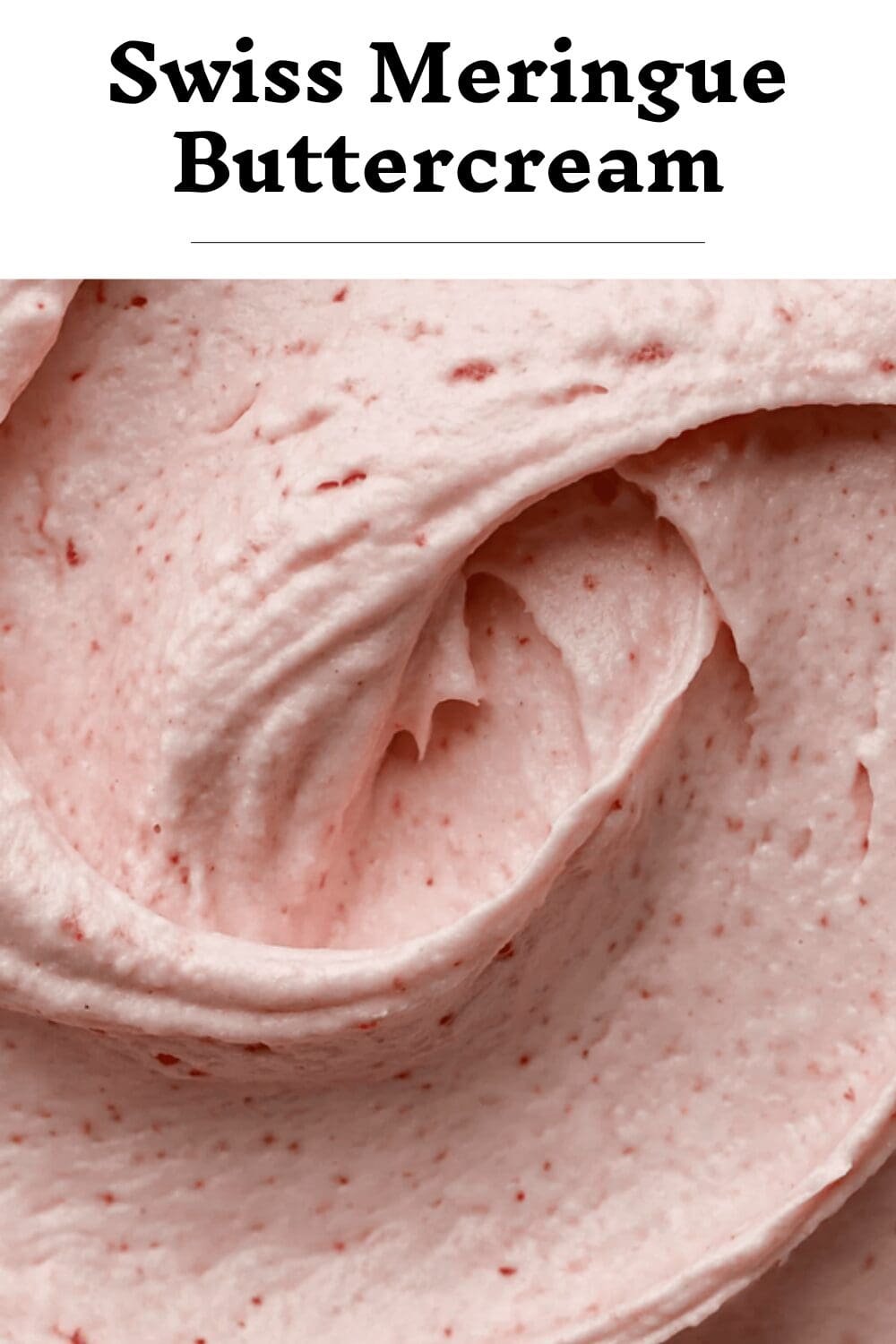
FAQs: Frequently Asked Questions About Swiss Meringue Buttercream
What is Swiss meringue buttercream made of and how is it different from other buttercreams?
Swiss meringue buttercream is made by whipping cooked egg whites and sugar into stiff peaks, then gradually adding butter and flavorings like vanilla and salt. Unlike traditional American buttercream, it’s less sweet, silky smooth, and holds its shape well without crusting. Its texture is light and creamy due to the meringue base, making it ideal for piping and decorating cakes.
Is Swiss meringue buttercream safe to eat raw eggs?
Yes, Swiss meringue buttercream is safe because the egg whites are heated to 160°F (71°C), which kills harmful bacteria. This makes it safe for most people, including pregnant women and children. However, always ensure the buttercream is made with fresh eggs and reheated properly to maintain safety.
How should I store Swiss meringue buttercream and can I freeze it?
Swiss meringue buttercream can be stored at room temperature for 1-2 days if covered. For longer storage, refrigerate it for up to 5 days or freeze for up to 3 months in an airtight container. When thawing frozen buttercream, bring it to room temperature, then rewhip to restore its creamy texture before use.
Can I add food coloring and flavors to Swiss meringue buttercream?
Yes, gel food coloring works best as it won’t thin the buttercream. Add it on low speed after vanilla and salt are mixed in. You can also substitute some vanilla extract with other flavors like lemon, coconut, or espresso. For chocolate variations, fold in melted, cooled pure baking chocolate to achieve a smooth chocolate buttercream.
Why does Swiss meringue buttercream not crust like other frostings?
Swiss meringue buttercream does not crust because it lacks powdered sugar thickening, relying instead on the cooked meringue and butter for stability. This creates a soft, smooth surface that stays fluffy and perfect for detailed piping, unlike American buttercream which can dry out and form a crust.
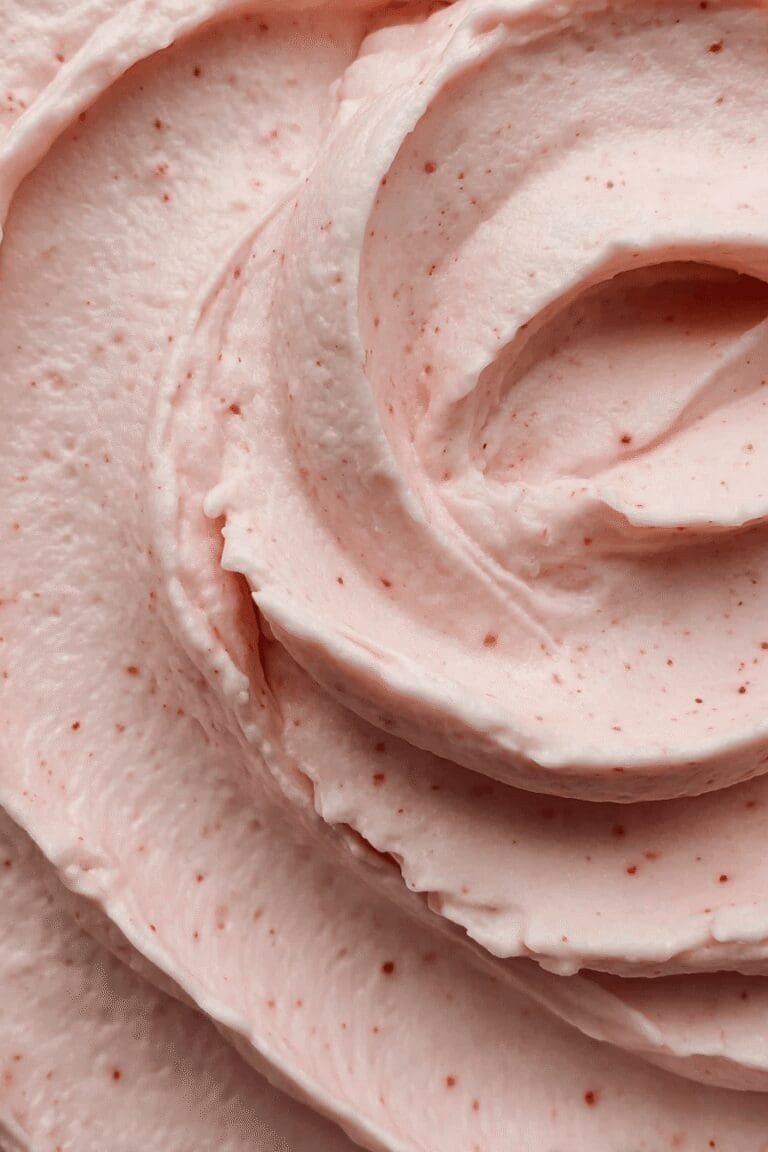
Swiss Meringue Buttercream
🌟 This Swiss Meringue Buttercream recipe offers a smooth, fluffy texture that’s perfect for decorating cakes and cupcakes with a professional finish.
🍰 It provides a stable frosting that is less sweet than traditional buttercreams, delivering a balanced flavor and light mouthfeel.
- Total Time: 30 minutes
- Yield: Enough frosting to frost a 9-inch two-layer cake or about 24 cupcakes
Ingredients
– 6 large egg whites (about 180g)
– 2 cups (400g) granulated sugar
– 1 and 1/2 cups (340g) unsalted butter, softened but cool, cut into tablespoon size pieces
– 2 teaspoons pure vanilla extract
– 1/8 teaspoon salt
Instructions
1-Prepare your workspace and tools: Start by preparing your workspace and tools to ensure everything goes smoothly. The process is straightforward, but attention to detail, like using an instant-read thermometer, makes all the difference.
2-Clean all tools: Thoroughly clean all tools with lemon juice or white vinegar to remove any grease, as this can ruin your meringue.
3-Separate the eggs: Carefully separate the eggs, adding one egg white at a time to a heatproof mixing bowl.
4-Whisk egg whites and sugar: Whisk the egg whites and sugar together until well combined.
5-Cook the mixture: Cook the mixture over simmering water, making sure the bowl doesn’t touch the water, and whisk constantly until the sugar dissolves completely and the mixture reaches 160°F. This step ensures safety and stability.
6-Beat the mixture: Transfer the mixture to a mixer with a whisk attachment and beat on medium-high speed until stiff, glossy peaks form and it cools, which takes about 10-15 minutes.
7-Add butter: Once cooled, switch to a paddle attachment and add the butter one tablespoon piece at a time, mixing fully after each addition.
8-Beat in vanilla and salt: Beat in the vanilla extract and salt at medium speed until smooth and creamy.
9-Handle texture issues: If issues arise, like a curdled texture, gently warm the bowl edges over simmering water and re-whip, or chill and re-whip if it’s too thin.
Last Step:
Please leave a rating and comment letting us know how you liked this recipe! This helps our business to thrive and continue providing free, high-quality recipes for you.Notes
🥚 Use fresh, cold eggs; any grease will prevent the meringue from forming correctly.
🧈 Butter should be slightly cooler than room temperature (around 60°F) for best results.
🌡️ Use an instant-read thermometer to accurately monitor the temperature when heating the egg mixture.
- Prep Time: 25 minutes
- Cooking Time: 5 minutes
- Cook Time: 5 minutes
- Category: Dessert
- Method: Whisking and Mixing over Heat
- Cuisine: American
- Diet: Vegetarian
Nutrition
- Serving Size: 2 tablespoons
- Calories: 110 kcal
- Sugar: 16 g
- Sodium: 10 mg
- Fat: 5 g
- Saturated Fat: 3 g
- Unsaturated Fat: 1.5 g
- Trans Fat: 0 g
- Carbohydrates: 16 g
- Fiber: 0 g
- Protein: 1 g
- Cholesterol: 0 mg