Why You’ll Love This Thai Green Curry
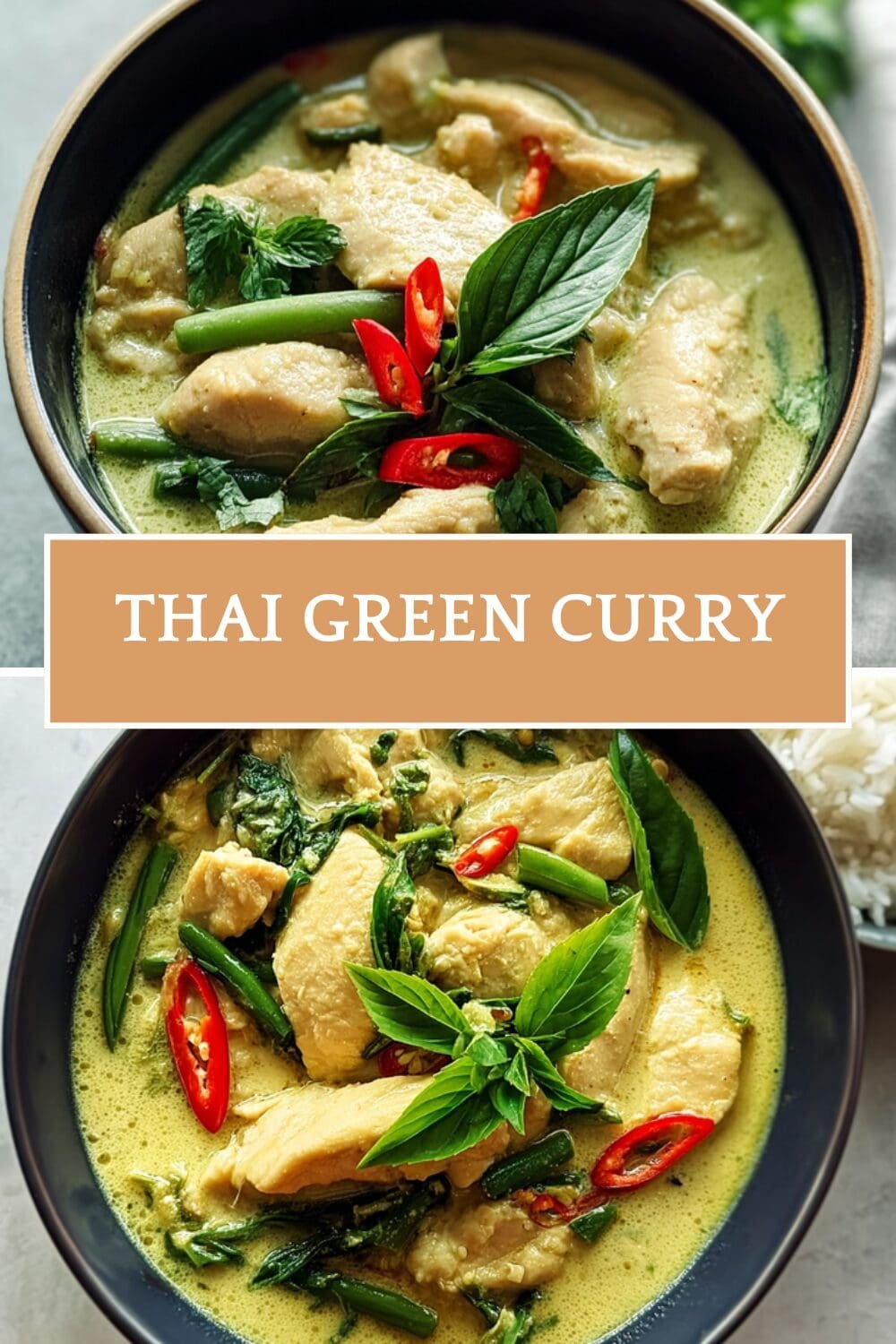
This Thai green curry is a fantastic choice for anyone craving a flavorful, easy meal that brightens up your dinner table without much fuss. Imagine tossing together fresh ingredients in just minutes to create something nutritious and delicious that’s ready in under 35 minutes total. Whether you’re a busy parent juggling schedules or a food enthusiast experimenting with new flavors, this recipe fits right in.
One of the best parts is how healthy it is, loaded with veggies like Japanese eggplants and snow peas that pack in vitamins and antioxidants, while the lean chicken provides protein to keep you satisfied. It’s versatile too, easily adapted for vegan eaters by swapping the chicken for tofu, or adjusting spices for a milder taste. Plus, the creamy coconut milk and aromatic herbs deliver a burst of genuine Thai flavors that make every bite exciting and memorable.
Key Benefits of This Recipe
Let’s break down why this curry stands out. First, ease of preparation makes it ideal for busy days with prep time at just 15 minutes and cook time at 20 minutes, you’ll have a hot meal on the table fast. Health benefits shine through with fresh herbs and veggies that support your wellness goals, like boosting immunity with antioxidants from the green chilies and basil.
Versatility allows everyone to enjoy it, from students tweaking it for quick dorm meals to seniors seeking lighter options. And don’t forget that distinctive flavor from ingredients like kaffir lime leaves and Thai basil, which give it an authentic edge. If you’re into trying new things, this curry is a fun way to explore Thai cuisine at home without needing fancy tools or skills.
For more on how ingredients like coconut milk contribute to a nutritious meal, check out this guide to coconut milk’s health benefits. It’s packed with info that can enhance your cooking adventures.
Jump to:
- Why You’ll Love This Thai Green Curry
- Key Benefits of This Recipe
- Essential Ingredients for Thai Green Curry
- Main Ingredients List
- Garnishes (Optional)
- How to Prepare the Perfect Thai Green Curry: Step-by-Step Guide
- Step-by-Step Directions
- Dietary Substitutions to Customize Your Thai Green Curry
- Mastering Thai Green Curry: Advanced Tips and Variations
- Pro Tips for Better Results
- How to Store Thai Green Curry: Best Practices
- FAQs: Frequently Asked Questions About Thai Green Curry
- How do I make authentic Thai green curry from store-bought paste?
- What are good vegetable substitutes in Thai green curry if I don’t have Japanese eggplant?
- Why is Thai green curry typically spicier than other Thai curries?
- Is fish sauce necessary in green curry, and can I omit it?
- How should I store leftover kaffir lime leaves for green curry?
- Thai Green Curry
- Ingredients
- Instructions
- Last Step:
- Notes
- Nutrition
- Did you make this recipe?
Essential Ingredients for Thai Green Curry
Gathering the right ingredients is the first step to nailing this Thai green curry, and it’s all about fresh, vibrant elements that bring out the dish’s signature flavors. This recipe uses a mix of pantry staples and easy-to-find veggies, making it accessible for home cooks of all levels. Below, you’ll find a comprehensive list of everything needed, formatted clearly for easy shopping and prep.
Main Ingredients List
- Thai green curry paste (amount as per taste) or homemade green curry paste
- 3 fresh garlic cloves, minced (if using jar curry paste)
- 1 teaspoon fresh ginger, finely grated (if using jar curry paste)
- 1 teaspoon lemongrass paste (as a convenience substitute for fresh lemongrass, if using jar curry paste)
- 1 tablespoon vegetable oil
- 240 ml chicken or vegetable broth, low sodium
- 400 ml full fat coconut milk (can substitute coconut cream for richer sauce)
- Fish sauce: 1 teaspoon if using jar curry paste, 3 teaspoons if homemade paste
- White sugar: 1 teaspoon if using jar curry paste, 3 teaspoons if homemade paste
- Salt: 1/8 teaspoon if homemade paste, omit if using jar paste
- 3 torn kaffir lime leaves (can substitute lemongrass stalk or lime peel if unavailable)
- 500 grams skinless boneless chicken thighs, sliced (can substitute other proteins or make vegetarian)
- 2 Japanese eggplants, sliced about 1 cm thick (can substitute small eggplants or zucchini)
- 100 grams snow peas, trimmed
- 15 grams Thai basil leaves (can substitute regular basil)
- Juice of half a lime
Garnishes (Optional)
- Crispy fried Asian shallots
- Additional Thai basil or cilantro/coriander
- Green or red chili slices
This structured list ensures you have precise measurements for each item, making it straightforward to follow. Special dietary options include swapping chicken for tofu to make it vegan, or using gluten-free broth if needed, which keeps things inclusive for everyone from working professionals to diet-conscious folks.
How to Prepare the Perfect Thai Green Curry: Step-by-Step Guide
Diving into making Thai green curry is simpler than you might think, and following these steps will have you serving up a tasty dish in no time. Start by getting all your ingredients ready to keep things organized and fun. This method focuses on building flavors layer by layer for the best results.
Step-by-Step Directions
- Heat 1 tablespoon vegetable oil in a heavy skillet or pot over medium-high heat.
- Add the curry paste and, if using jar paste, add 3 fresh garlic cloves (minced), 1 teaspoon fresh ginger (finely grated), and 1 teaspoon lemongrass paste. Cook for 2 to 3 minutes until mostly dry.
- Add 240 ml chicken or vegetable broth and 400 ml full fat coconut milk; stir to dissolve the paste.
- Add fish sauce (1 teaspoon if using jar paste, 3 teaspoons if homemade), white sugar (1 teaspoon if using jar paste, 3 teaspoons if homemade), and salt (1/8 teaspoon if homemade paste, omit if using jar paste).
- Add 3 torn kaffir lime leaves and bring to a simmer.
- Add 500 grams sliced skinless boneless chicken thighs, reduce heat to medium, and simmer gently for 7 minutes.
- Add 2 Japanese eggplants (sliced about 1 cm thick) and cook for 5 minutes until soft.
- Taste and adjust seasoning with fish sauce or salt for saltiness and sugar for sweetness.
- Add 100 grams trimmed snow peas; cook 2 minutes until slightly softened.
- Stir in 15 grams Thai basil leaves and the juice of half a lime. Avoid over-simmering to maintain color and flavor.
- Serve the curry over rice with preferred garnishes.
For dietary adaptations, swap proteins like chicken for tofu and use soy sauce instead of fish sauce. If you’re looking for more recipe ideas that pair well with this curry, check out our cinnamon apple cake recipe for a sweet side that complements spicy flavors.

Dietary Substitutions to Customize Your Thai Green Curry
Making Thai green curry work for your needs is all about smart swaps, and this section covers how to do it easily. Whether you’re vegan, gluten-free, or watching calories, these changes keep the dish delicious and adaptable.
| Category | Original Ingredient | Substitution |
|---|---|---|
| Protein | Chicken thighs | Tofu or tempeh for vegan options |
| Veggies | Japanese eggplants | Zucchini or bell peppers |
| Sauce | Fish sauce | Soy sauce for gluten-free |
These modifications help busy parents or students keep meals quick and healthy. Remember, adjusting spice levels with less curry paste can make it milder for kids or seniors.
Mastering Thai Green Curry: Advanced Tips and Variations
Once you’re comfortable with the basics, elevating your Thai green curry becomes exciting. Toasting the curry paste in oil is key to unlocking deeper flavors, as it releases the essential oils from ingredients like garlic and ginger.
Pro Tips for Better Results
- Fry the curry paste first to develop its full taste.
- Opt for full fat coconut milk for a richer sauce, but you can mix in vegetable broth to lighten it up.
- Freeze extra kaffir lime leaves for future use they retain their aroma well.
- Chicken thighs stay juicy during simmering compared to breasts.
- Japanese eggplants absorb sauce perfectly, but zucchini works in a pinch.
For flavor variations, add lemongrass or pineapple for a twist. If you’re hosting a party, serve it with rice and pair it with a refreshing drink from our site, like the Christmas cocktail recipe, to make your meal even more special.
How to Store Thai Green Curry: Best Practices
Storing your Thai green curry properly keeps it tasty for leftovers, which is great for meal prep. Refrigerate it in an airtight container to preserve those fresh flavors for up to 3 days.
Freezing is ideal for longer storage; portion it out and thaw overnight in the fridge before reheating. Always reheat gently on the stove to avoid separating the sauce, and add a bit of coconut milk if it thickens.
FAQs: Frequently Asked Questions About Thai Green Curry
How do I make authentic Thai green curry from store-bought paste?
To make authentic Thai green curry using store-bought paste, start by frying the paste in a little oil until fragrant to release its flavors fully. Add coconut milk gradually while stirring, then include your choice of protein and vegetables. Fresh ingredients like garlic, ginger, and lemongrass paste can be added to improve the taste. Finish with kaffir lime leaves, Thai basil, fish sauce, and a bit of sugar to balance flavors. Simmer gently without thickening the sauce too much to keep its vibrant green color and fresh taste.
What are good vegetable substitutes in Thai green curry if I don’t have Japanese eggplant?
If Japanese eggplant isn’t available, you can substitute with small regular eggplants or mild vegetables like zucchini or green beans. Other vegetables that hold up well in simmered curries include broccoli, cauliflower, sweet potatoes, and mushrooms. Choose vegetables that absorb the curry sauce while maintaining their texture for best results.
Why is Thai green curry typically spicier than other Thai curries?
Thai green curry’s spiciness comes from fresh green chilies, especially small Thai bird’s eye chilies used in the curry paste. While the large green chilies provide color and mild heat, the smaller chilies deliver a sharp, intense spice. The overall spice level can vary depending on the brand of curry paste and personal adjustments, such as using less paste or adding coconut milk to mellow heat.
Is fish sauce necessary in green curry, and can I omit it?
Fish sauce is important for authentic Thai green curry flavor as it adds savory depth and umami. Even though it smells strong raw, the taste becomes balanced once cooked. If your curry paste already contains fish sauce, use less or none to avoid overpowering the dish. Vegetarians or those avoiding fish sauce can substitute with soy sauce or tamari, but this will slightly change the traditional flavor profile.
How should I store leftover kaffir lime leaves for green curry?
Kaffir lime leaves keep best when frozen. Simply wash and dry the leaves thoroughly, then store them in an airtight bag or container in the freezer. This method preserves their vibrant aroma and flavor for several months, allowing you to use fresh-tasting leaves anytime for your green curry and other Thai dishes.
Thai Green Curry
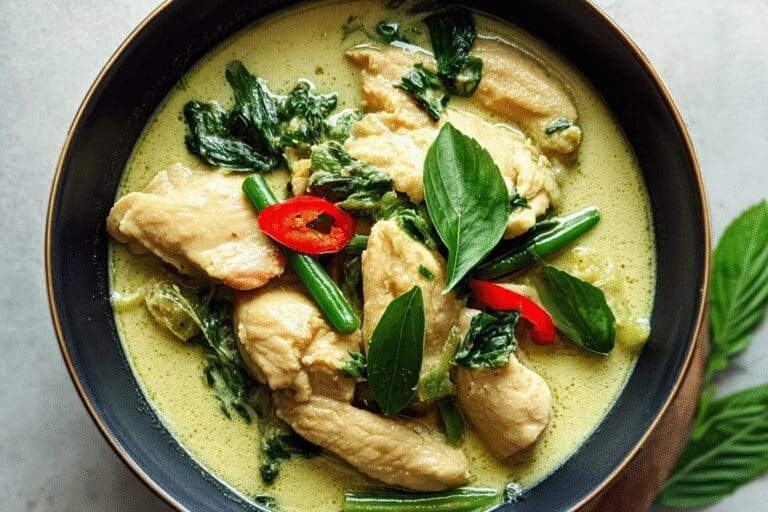
🌿 This Thai Green Curry Recipe is simple to prepare yet packed with authentic, bold flavors that bring the essence of Thai cuisine to your kitchen.
🥥 Rich coconut milk and fresh herbs create a creamy, aromatic curry that’s comforting and satisfying for any meal.
- Total Time: 35 minutes
- Yield: 4 servings 1x
Ingredients
Thai green curry paste (amount as per taste) or homemade green curry paste
3 fresh garlic cloves, minced (if using jar curry paste)
1 teaspoon fresh ginger, finely grated (if using jar curry paste)
1 teaspoon lemongrass paste (as a convenience substitute for fresh lemongrass, if using jar curry paste)
1 tablespoon vegetable oil
240 ml chicken or vegetable broth, low sodium
400 ml full fat coconut milk (can substitute coconut cream for richer sauce)
Fish sauce: 1 teaspoon if using jar curry paste, 3 teaspoons if homemade paste
White sugar: 1 teaspoon if using jar curry paste, 3 teaspoons if homemade paste
Salt: 1/8 teaspoon if homemade paste, omit if using jar paste
3 torn kaffir lime leaves (can substitute lemongrass stalk or lime peel if unavailable)
500 grams skinless boneless chicken thighs, sliced (can substitute other proteins or make vegetarian)
2 Japanese eggplants, sliced about 1 cm thick (can substitute small eggplants or zucchini)
100 grams snow peas, trimmed
15 grams Thai basil leaves (can substitute regular basil)
Juice of half a lime
Crispy fried Asian shallots
Additional Thai basil or cilantro/coriander
Green or red chili slices
Instructions
1-Heat 1 tablespoon vegetable oil in a heavy skillet or pot over medium-high heat.
2-Add the curry paste and, if using jar paste, add 3 fresh garlic cloves (minced), 1 teaspoon fresh ginger (finely grated), and 1 teaspoon lemongrass paste. Cook for 2 to 3 minutes until mostly dry.
3-Add 240 ml chicken or vegetable broth and 400 ml full fat coconut milk; stir to dissolve the paste.
4-Add fish sauce (1 teaspoon if using jar paste, 3 teaspoons if homemade), white sugar (1 teaspoon if using jar paste, 3 teaspoons if homemade), and salt (1/8 teaspoon if homemade paste, omit if using jar paste).
5-Add 3 torn kaffir lime leaves and bring to a simmer.
6-Add 500 grams sliced skinless boneless chicken thighs, reduce heat to medium, and simmer gently for 7 minutes.
7-Add 2 Japanese eggplants (sliced about 1 cm thick) and cook for 5 minutes until soft.
8-Taste and adjust seasoning with fish sauce or salt for saltiness and sugar for sweetness.
9-Add 100 grams trimmed snow peas; cook 2 minutes until slightly softened.
10-Stir in 15 grams Thai basil leaves and the juice of half a lime. Avoid over-simmering to maintain color and flavor.
11-Serve the curry over rice with preferred garnishes.
Last Step:
Please leave a rating and comment letting us know how you liked this recipe! This helps our business to thrive and continue providing free, high-quality recipes for you.Notes
🔥 Fry curry paste to unlock rich flavors.
🥥 Use full-fat coconut milk for creamy texture.
🍃 Kaffir lime leaves deliver essential aroma—freeze extras for future use.
- Prep Time: 15 minutes
- Cook Time: 20 minutes
- Category: Main Dish
- Method: Sautéing, simmering
- Cuisine: Thai
- Diet: Gluten-free
Nutrition
- Serving Size: 1 serving
- Calories: 450 kcal
- Sugar: 6 g
- Sodium: 900 mg
- Fat: 30 g
- Saturated Fat: 25 g
- Unsaturated Fat: 3 g
- Trans Fat: 0 g
- Carbohydrates: 15 g
- Fiber: 5 g
- Protein: 30 g
- Cholesterol: 75 mg