Why You’ll Love This Beef And Vegetable Korma
This beef and vegetable korma stands out as a go-to meal for anyone wanting something hearty yet simple to make. It’s packed with fresh veggies and tender beef that cook together to create a dish full of rich flavors. You’ll find it easy to prepare on busy nights while still feeling like a special treat.
The recipe draws from traditional spices that make every bite satisfying and comforting. Health-conscious eaters will appreciate the balance of nutrients from the ingredients, including plenty of vitamins and protein. Whether you’re cooking for family or yourself, this korma offers a flexible base that adapts to what you have on hand.
One of the best parts is how it brings people together around the table. The creamy sauce and mix of textures make it a hit for all ages, from kids to adults. For more ideas on pairing meals, check out our festive drink recipes that complement hearty dishes like this one.
Beyond taste, this korma supports a well-rounded diet with its blend of proteins and veggies. It’s a smart choice for those watching their intake without giving up flavor. Many home cooks praise how leftovers taste even better the next day, making it perfect for meal prep.
Key Benefits of the Ingredients
Starting with the beef, it’s a great source of iron and protein that helps keep energy levels steady. Vegetables like cauliflower and carrots add fiber and essential vitamins, promoting overall health. The spices not only flavor the dish but also offer anti-inflammatory effects, as noted in reliable sources like benefits of beef.
This combination makes the recipe both delicious and nourishing. It’s adaptable, so you can tweak it for different tastes or diets. All in all, this beef and vegetable korma is more than just food; it’s a simple way to enjoy wholesome eating every day.
Jump to:
- Why You’ll Love This Beef And Vegetable Korma
- Key Benefits of the Ingredients
- Essential Ingredients for Beef And Vegetable Korma
- Why These Ingredients Work Well
- How to Prepare the Perfect Beef And Vegetable Korma: Step-by-Step Guide
- Tips for Better Results
- Dietary Substitutions to Customize Your Beef And Vegetable Korma
- Adapting for Special Diets
- Mastering Beef And Vegetable Korma: Advanced Tips and Variations
- Enhancing Flavor and Texture
- How to Store Beef And Vegetable Korma: Best Practices
- Meal Prep Ideas
- FAQs: Frequently Asked Questions About Beef And Vegetable Korma
- What ingredients are typically used in Beef and Vegetable Korma?
- How can I make Beef and Vegetable Korma healthier?
- How long does it take to cook Beef and Vegetable Korma?
- Can I prepare Beef and Vegetable Korma in advance?
- What side dishes pair well with Beef and Vegetable Korma?
- Beef And Vegetable Korma
- Ingredients
- Instructions
- Last Step:
- Notes
- Nutrition
- Did you make this recipe?
Essential Ingredients for Beef And Vegetable Korma
Gathering the right ingredients is key to making a tasty beef and vegetable korma. Each item plays a role in building the dish’s rich flavors and textures. Start with fresh, quality picks to ensure the best results in your kitchen.
Here’s a complete list of everything you need, based on a reliable recipe that focuses on balance and ease. I’ve pulled together the exact measurements to help you shop and prepare without any guesswork. Remember, using these in the right amounts will make your korma turn out just right every time.
- 2 tablespoons extra virgin olive oil
- 600 grams gravy beef or chuck steak, cut into cubes with fat trimmed
- 1 large brown onion, chopped
- 2 tablespoons korma curry paste
- 3 medium potatoes, cut into cubes
- 1 small cauliflower head, cut into florets
- 3 peeled and sliced carrots
- 400 grams canned diced tomatoes
- 500 milliliters reduced salt vegetable stock
- 100 milliliters water
- 150 grams frozen peas
- Cooked brown rice, to serve
These ingredients come together to create a hearty meal that’s both flavorful and nutritious. For instance, the olive oil helps sauté the beef for better taste, while the vegetables add color and crunch. If you’re exploring other recipes, our hibiscus mulled cider could pair nicely as a refreshing side.
Why These Ingredients Work Well
Each component brings something unique to the table, like the korma paste for its warm spices and the beef for its protein punch. The veggies provide essential nutrients, making this a balanced option. Don’t forget the brown rice, which serves as a wholesome base to soak up the sauce.
| Ingredient Category | Role in Recipe | Nutritional Highlight |
|---|---|---|
| Proteins | Provides structure and heartiness | High in iron and protein |
| Veggies | Adds freshness and variety | Rich in vitamins and fiber |
| Spices and Liquids | Builds flavor and sauce | Offers anti-inflammatory benefits |
This table shows how each part contributes to the overall dish. With these on hand, you’re set for a successful cook. For more health insights, check out health benefits of curry to see why spices matter.
How to Prepare the Perfect Beef And Vegetable Korma: Step-by-Step Guide
Getting started with beef and vegetable korma is straightforward and fun. Begin by pulling together all your ingredients to make the process smooth. This step-by-step guide will walk you through each part, ensuring your meal turns out great.
First, heat 1 tablespoon of the olive oil in a frying pan over medium heat. Brown half the beef cubes until they’re nicely seared, then set them aside. Repeat this with the remaining oil and beef to lock in that flavor.
Next, add the seared beef and all other ingredients except the peas to your slow cooker. Mix everything well to combine the flavors. Cover the cooker and set it to high for 30 minutes, then switch to low for 7.5 hours, stirring halfway through for even cooking.
- Prepare your ingredients ahead: Chop the onion, cube the potatoes, and slice the carrots to save time later.
- Monitor the cooking: Check the mixture during the long simmer to ensure it’s not sticking.
- Add the peas: About 10 to 20 minutes before serving, stir in the frozen peas for a fresh pop of color and taste.
Once done, serve your beef and vegetable korma hot with cooked brown rice. This method makes the beef tender and infuses the veggies with spice. It’s a simple way to create a comforting meal that everyone enjoys.
Tips for Better Results
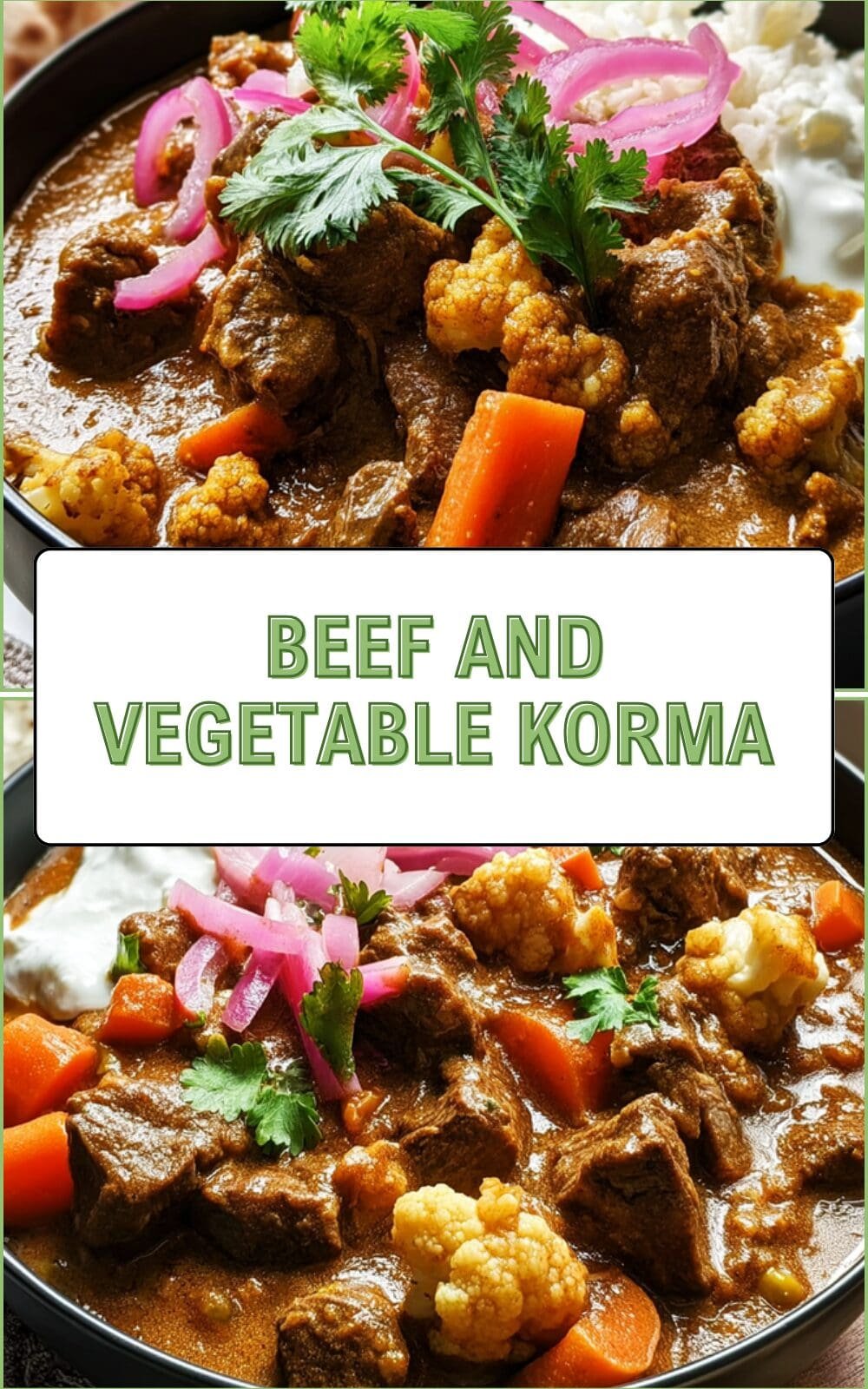
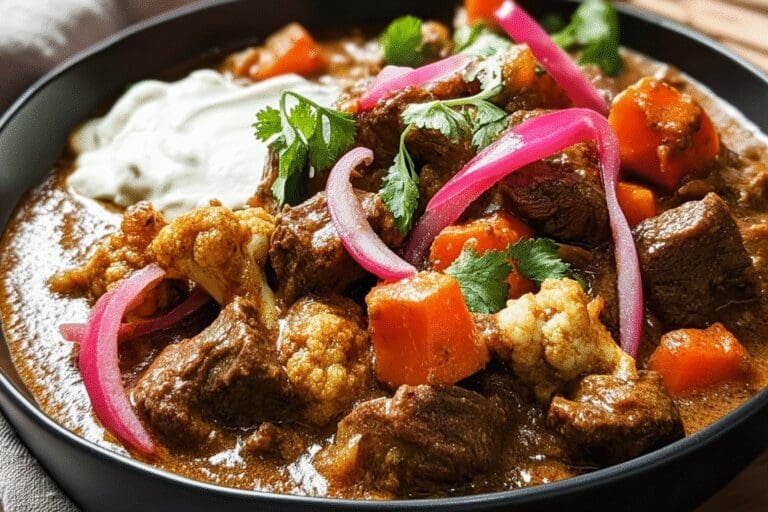
To enhance the flavor, serve with natural yogurt and chopped coriander on top. If you want a stronger taste, sauté the onion with the korma paste before adding it to the slow cooker. Keep in mind that using raw beef directly can alter the texture, so searing is key for the best outcome.
Nutritional info per serving includes: Energy 2,180 kJ, Protein 32.7 g, Total Fat 13.8 g, Saturated Fat 3.9 g, Carbohydrate 62.2 g, Dietary Fibre 7.8 g, Sodium 512 mg, and Iron 4.6 mg. This makes it a solid choice for balanced eating. With practice, you’ll master beef and vegetable korma in no time.

Dietary Substitutions to Customize Your Beef And Vegetable Korma
Making beef and vegetable korma your own is easy with a few swaps. These changes let you fit the recipe to different needs while keeping the core taste intact. Start by thinking about what you or your family prefers.
For protein, replace beef with chicken breast or even lamb for a fresh twist. If you’re going plant-based, firm tofu or chickpeas work wonders as substitutes. Adding lentils can boost the protein and give extra texture without much effort.
When it comes to veggies, swap in seasonal options like zucchini or sweet potatoes. For the sauce, try dairy-free yogurt instead of other bases to keep it creamy. Adjust spices by adding more curry powder if you like it bold or less for a milder version.
Adapting for Special Diets
These tweaks make the dish versatile for everyone. For example, vegan versions use plant proteins to maintain heartiness. Gluten-free adjustments ensure the curry powder is safe, making it accessible for more people. As per expert advice, these substitutions help keep meals both tasty and tailored.
Always taste as you go to get the balance right. This way, your beef and vegetable korma stays delicious no matter the changes. It’s all about making cooking fun and flexible for your lifestyle.
Mastering Beef And Vegetable Korma: Advanced Tips and Variations
Taking your beef and vegetable korma to the next level involves some smart techniques. Use a heavy-bottomed pan for even cooking and to avoid sticking. Brown the beef in batches so it gets that perfect caramelized edge without steaming.
Experiment with flavors by adding nuts like cashews for crunch or dried fruits for a touch of sweetness. Try swapping korma powder with garam masala to change things up. Presentation matters too, so serve in bowls with fresh herbs on top for a nice look.
For make-ahead meals, prepare the sauce and veggies separately from the beef. Store them in the fridge and reheat gently later. These tips help turn a simple recipe into something special that feels restaurant-quality.
Enhancing Flavor and Texture
Adding a cooling side like cucumber salad can balance the spices perfectly. With these ideas, your beef and vegetable korma becomes a canvas for creativity. It’s a great way to impress guests or just treat yourself on a regular night.
When you focus on the details, even everyday dishes like this korma can become memorable family favorites.
Keep practicing these methods, and you’ll see how versatile beef and vegetable korma can be. It’s all about building confidence in the kitchen.
How to Store Beef And Vegetable Korma: Best Practices
Proper storage keeps your beef and vegetable korma fresh and safe to eat. Put leftovers in an airtight container and chill in the fridge within two hours. This helps it stay good for up to 3-4 days, maintaining that great taste.
For longer storage, freeze in portions using freezer-safe bags. Remove air to avoid freezer burn, and it can last up to 3 months. Thaw overnight in the fridge before reheating for the best results.
When reheating, use low heat on the stove and stir often to keep everything even. In the microwave, cover it to hold in moisture. Avoid overheating to preserve the texture and flavors you worked hard for.
Meal Prep Ideas
Cooking in bigger batches makes this recipe ideal for weekly plans. Divide into single servings for easy grab-and-go meals. Following these steps ensures your beef and vegetable korma remains nutritious and delicious over time.
FAQs: Frequently Asked Questions About Beef And Vegetable Korma
What ingredients are typically used in Beef and Vegetable Korma?
Beef and Vegetable Korma usually includes tender beef pieces, a mix of vegetables like carrots, peas, and potatoes, and a creamy sauce made from yogurt, cream, or coconut milk. The dish is flavored with aromatic spices such as cumin, coriander, turmeric, garam masala, and cardamom. Onions, garlic, and ginger are often used to build a rich base, while nuts like cashews or almonds may be added to enhance the texture and flavor.
How can I make Beef and Vegetable Korma healthier?
To make Beef and Vegetable Korma healthier, choose lean cuts of beef to reduce saturated fat. Increase the variety and amount of vegetables to boost fiber and vitamins. Use low-fat yogurt or light coconut milk instead of cream to lower calories. Limit added oil and salt by using non-stick cookware and fresh spices. Serving the dish with whole grain rice or whole wheat naan adds additional fiber and nutrients.
How long does it take to cook Beef and Vegetable Korma?
Cooking Beef and Vegetable Korma typically takes around 45 to 60 minutes. This includes 10 to 15 minutes of preparation, such as chopping vegetables and marinating beef, and 30 to 45 minutes of simmering to allow the beef to become tender and the flavors to meld. Slow cooking or pressure cooking can reduce the time needed for tenderizing tougher cuts of beef.
Can I prepare Beef and Vegetable Korma in advance?
Yes, Beef and Vegetable Korma can be prepared in advance. It often tastes better the next day as the spices have more time to develop. Store the dish in an airtight container in the refrigerator for up to 3 days. When reheating, warm it gently on the stove or in the microwave, adding a splash of water or broth if needed to maintain the sauce’s consistency.
What side dishes pair well with Beef and Vegetable Korma?
Beef and Vegetable Korma pairs well with a variety of sides such as basmati rice, naan bread, or roti. A simple cucumber raita or fresh salad can provide a cooling contrast to the creamy and spiced curry. You can also serve it with lentil dal or sautéed greens to add more texture and nutrients to the meal.
Beef And Vegetable Korma
🍛 Experience the ultimate comfort food with tender beef and vegetables swimming in a rich, aromatic curry sauce that will transport your taste buds to India
🥘 This slow-cooked korma develops deep, complex flavors while making your kitchen smell incredible – perfect for cozy family dinners
- Total Time: 8 hours 20 minutes
- Yield: 6 servings
Ingredients
– 2 tablespoons extra virgin olive oil
– 600 grams gravy beef or chuck steak, cut into cubes with fat trimmed
– 1 large brown onion, chopped
– 2 tablespoons korma curry paste
– 3 medium potatoes, cut into cubes
– 1 small cauliflower head, cut into florets
– 3 peeled and sliced carrots
– 400 grams canned diced tomatoes
– 500 milliliters reduced salt vegetable stock
– 100 milliliters water
– 150 grams frozen peas
– Cooked brown rice, to serve
Instructions
1-Getting started with beef and vegetable korma is straightforward and fun. Begin by pulling together all your ingredients to make the process smooth. This step-by-step guide will walk you through each part, ensuring your meal turns out great.
2-First, heat 1 tablespoon of the olive oil in a frying pan over medium heat. Brown half the beef cubes until they’re nicely seared, then set them aside. Repeat this with the remaining oil and beef to lock in that flavor.
3-Next, add the seared beef and all other ingredients except the peas to your slow cooker. Mix everything well to combine the flavors. Cover the cooker and set it to high for 30 minutes, then switch to low for 7.5 hours, stirring halfway through for even cooking.
4-Prepare your ingredients ahead: Chop the onion, cube the potatoes, and slice the carrots to save time later.
5-Monitor the cooking: Check the mixture during the long simmer to ensure it’s not sticking.
6-Add the peas: About 10 to 20 minutes before serving, stir in the frozen peas for a fresh pop of color and taste.
7-Once done, serve your beef and vegetable korma hot with cooked brown rice. This method makes the beef tender and infuses the veggies with spice. It’s a simple way to create a comforting meal that everyone enjoys.
Last Step:
Please leave a rating and comment letting us know how you liked this recipe! This helps our business to thrive and continue providing free, high-quality recipes for you.Notes
🥛 Serve with natural yogurt and chopped coriander to enhance flavor and add creaminess
🧅 For a stronger taste, sauté onion with the korma paste before adding to the slow cooker
🥩 Using properly seared beef makes a significant difference in flavor and texture compared to adding raw meat directly
- Prep Time: 20 minutes
- Cook Time: 8 hours
- Category: Main Dish
- Method: Slow Cooking
- Cuisine: Indian
- Diet: None
Nutrition
- Serving Size: 1 bowl with rice
- Calories: 521
- Sugar: 12g
- Sodium: 512mg
- Fat: 13.8g
- Saturated Fat: 3.9g
- Unsaturated Fat: 8.5g
- Trans Fat: 0g
- Carbohydrates: 62.2g
- Fiber: 7.8g
- Protein: 32.7g
- Cholesterol: 75mg