Why You’ll Love This Miso Soup
Miso soup is a staple in Japanese cuisine, offering a simple yet satisfying way to enjoy a nutritious meal any time of day. With its quick preparation and hearty flavors, it’s no wonder it’s a favorite among home cooks like you. This recipe fits perfectly into busy schedules, taking only about 20 minutes from start to finish, including 8 minutes for preparation and 12 minutes for cooking.
One of the best things about this miso soup is its ease of preparation. It requires minimal ingredients and comes together in just around 15 minutes, making it ideal for busy weekdays or as a quick, comforting snack. You’ll appreciate how it fills your kitchen with cozy aromas that brighten your day, especially if you’re new to making Japanese-inspired dishes at home.
Then there’s the health benefits that make this soup shine. Packed with nutrients like probiotics from fermented miso paste, it’s great for supporting digestive health and boosting your immune system. Plus, the tofu adds protein, while the seaweed provides essential minerals and fiber, helping you maintain balanced nutrition without much effort.
Don’t forget its versatility for different dietary needs. This recipe adapts easily to vegan, gluten-free, or low-calorie preferences, so you can customize it with proteins or vegetables as you like. The umami-rich taste from the dashi base and white miso paste creates a unique, soothing flavor that sets it apart from other soups and keeps you coming back for more.
Jump to:
- Why You’ll Love This Miso Soup
- Essential Ingredients for Miso Soup
- Special Dietary Options
- How to Prepare the Perfect Miso Soup: Step-by-Step Guide
- Dietary Substitutions to Customize Your Miso Soup
- Mastering Miso Soup: Advanced Tips and Variations
- Pro Cooking Techniques
- Make-Ahead Options
- How to Store Miso Soup: Best Practices
- FAQs: Frequently Asked Questions About Miso Soup
- What is miso soup made of?
- How do I prepare dashi broth for miso soup at home?
- Can I make miso soup without animal products?
- Why shouldn’t I boil miso soup after adding the miso paste?
- What are some good vegetables or proteins to add to miso soup to make it more filling?
- Miso Soup
- Ingredients
- Instructions
- Last Step:
- Notes
- Nutrition
- Did you make this recipe?
Essential Ingredients for Miso Soup
Gathering the right ingredients is key to making a delicious bowl of miso soup. This section outlines everything you need, focusing on the precise measurements to ensure your recipe turns out perfectly every time. Let’s break it down into a clear, structured list based on the traditional method.
- 1 piece (3 inches) of kombu – used to make the dashi stock by gently simmering it in water
- 4 cups of water – for simmering the kombu to create the dashi stock base
- 3 tablespoons of dried wakame seaweed – soaked in warm water for at least 5 minutes to rehydrate
- ¼ cup of white miso paste – whisked into hot dashi broth to form a smooth slurry for flavoring
- ⅓ cup of chopped green onion – added to complete the soup and provide a fresh touch
- 6 ounces of cubed silken tofu – gently simmered in the soup for protein and smooth texture
- Tamari to taste – used for seasoning the soup before serving
For those with specific dietary options, consider these adjustments to make the soup even more adaptable. If you’re aiming for a vegan version, stick with the kombu-based dashi and avoid any animal products. For gluten-free needs, choose tamari that’s certified gluten-free, and to keep it low-calorie, focus on increasing the veggies while using reduced-sodium miso.
Special Dietary Options
- Vegan: Use the kombu and water for dashi as a plant-based base
- Gluten-free: Opt for tamari-based white miso paste
- Low-calorie: Add more wakame or greens like spinach for extra volume without extra calories
This structured list ensures you have every item measured out clearly, making it easy to shop and prepare. For more vegetable-based ideas, check out our green beans recipe on the blog, which pairs well with miso soup for a fuller meal.
How to Prepare the Perfect Miso Soup: Step-by-Step Guide
Getting miso soup just right involves a few simple steps that preserve its delicate flavors and nutritional perks. Start by making the dashi broth, which is the heart of this traditional Japanese soup. Remember, the key is to avoid boiling to keep everything fresh and beneficial.
First, prepare the dashi broth by gently simmering 1 piece (3 inches) of kombu in 4 cups of water for 10 minutes without letting it boil. This creates a flavorful base that’s mild and slightly sweet. Once done, remove the kombu to avoid any bitterness.
Next, soak 3 tablespoons of dried wakame seaweed in warm water for at least 5 minutes to rehydrate it fully. Meanwhile, heat the dashi broth gently over low heat. In a small bowl, whisk ¼ cup of white miso paste into a ladle of the hot dashi to make a smooth slurry before adding it back to the pot.
Then, add 6 ounces of cubed silken tofu and the rehydrated wakame to the pot. Let them simmer gently for 1-2 minutes over low heat, stirring occasionally. Finally, mix in ⅓ cup of chopped green onion and season with tamari to taste, then serve immediately to lock in the flavors.
- Prepare dashi by simmering kombu in water as described.
- Rehydrate wakame in warm water.
- Dissolve miso paste in a bit of hot broth.
- Add tofu and wakame to the pot and warm through.
- Incorporate green onion and tamari, then serve right away.
This straightforward process, totaling about 20 minutes, ensures a soup rich in probiotics from the miso, protein from the tofu, and minerals from the seaweed. If you’re interested in other quick Asian-inspired dishes, try our Pad Thai recipe for a tasty variation.

Dietary Substitutions to Customize Your Miso Soup
One of the joys of miso soup is how easily it adapts to different tastes and needs. Whether you’re vegan or just looking to switch things up, these substitutions keep the soup’s umami essence intact. For instance, if tofu isn’t your thing, you can swap it out while maintaining nutritional balance.
For protein alternatives, consider replacing the 6 ounces of silken tofu with tempeh or seitan to add variety. If you prefer non-vegetarian options, cooked chicken breast or shrimp can work well, but keep portions similar to preserve the light nature of the soup.
When it comes to vegetables and seasonings, you might swap the wakame seaweed with fresh spinach or kale for a different texture. To add some zest, include grated ginger or a bit of garlic paste. And for gluten-free versions, use tamari instead of regular soy sauce, just like in the original recipe.
| Original Ingredient | Substitution Option | Reason |
|---|---|---|
| Silken tofu (6 ounces) | Tempeh or seitan | For a heartier vegan protein |
| Wakame seaweed (3 tablespoons) | Spinach or kale | To use seasonal greens when seaweed is unavailable |
| Tamari (to taste) | Gluten-free soy sauce | To accommodate gluten sensitivities |
These changes help you tailor the soup to your preferences, ensuring it remains quick and nutritious. The soup’s base of dashi from kombu keeps it versatile and full of probiotics.
Mastering Miso Soup: Advanced Tips and Variations
Once you’re comfortable with the basics, you can level up your miso soup with some expert techniques. For authentic depth, make your dashi from scratch using kombu, as simmering it gently preserves the subtle flavors. Always remember to avoid boiling the miso paste to keep those beneficial probiotics alive.
Pro Cooking Techniques
Start by using homemade dashi for that real umami punch. If you’re experimenting, try adding mushrooms for extra texture, but don’t forget to gently warm everything together.
For flavor variations, swap white miso with yellow or red types to change the intensity. Adding daikon radish or mushrooms can make the soup more filling, while presentation tips like garnishing with sesame seeds enhance its appeal.
Make-Ahead Options
Prepare your dashi broth ahead and store it separately; just mix in the miso before serving. This keeps the soup fresh and ready for busy days, aligning with its 20-minute total time.
As one home cook shared, “Experimenting with variations made my miso soup a family favorite, especially with the probiotics that support our daily health.”
How to Store Miso Soup: Best Practices
Proper storage helps maintain the freshness and benefits of your miso soup. After preparing, let it cool slightly before storing to preserve those probiotics from the miso paste. This ensures you can enjoy it later without losing its nutritional value.
For refrigeration, keep the soup in an airtight container for up to 3 days. When reheating, do so gently on low heat to avoid altering the texture or flavors. Freezing isn’t ideal as it can affect the probiotics and make the tofu grainy, so stick to fridge storage for the best results.
If you’re batch cooking, prepare the dashi and ingredients separately and combine just before eating. This approach makes meal prep simple while keeping the soup’s minerals from seaweed intact and ready in under 20 minutes total.
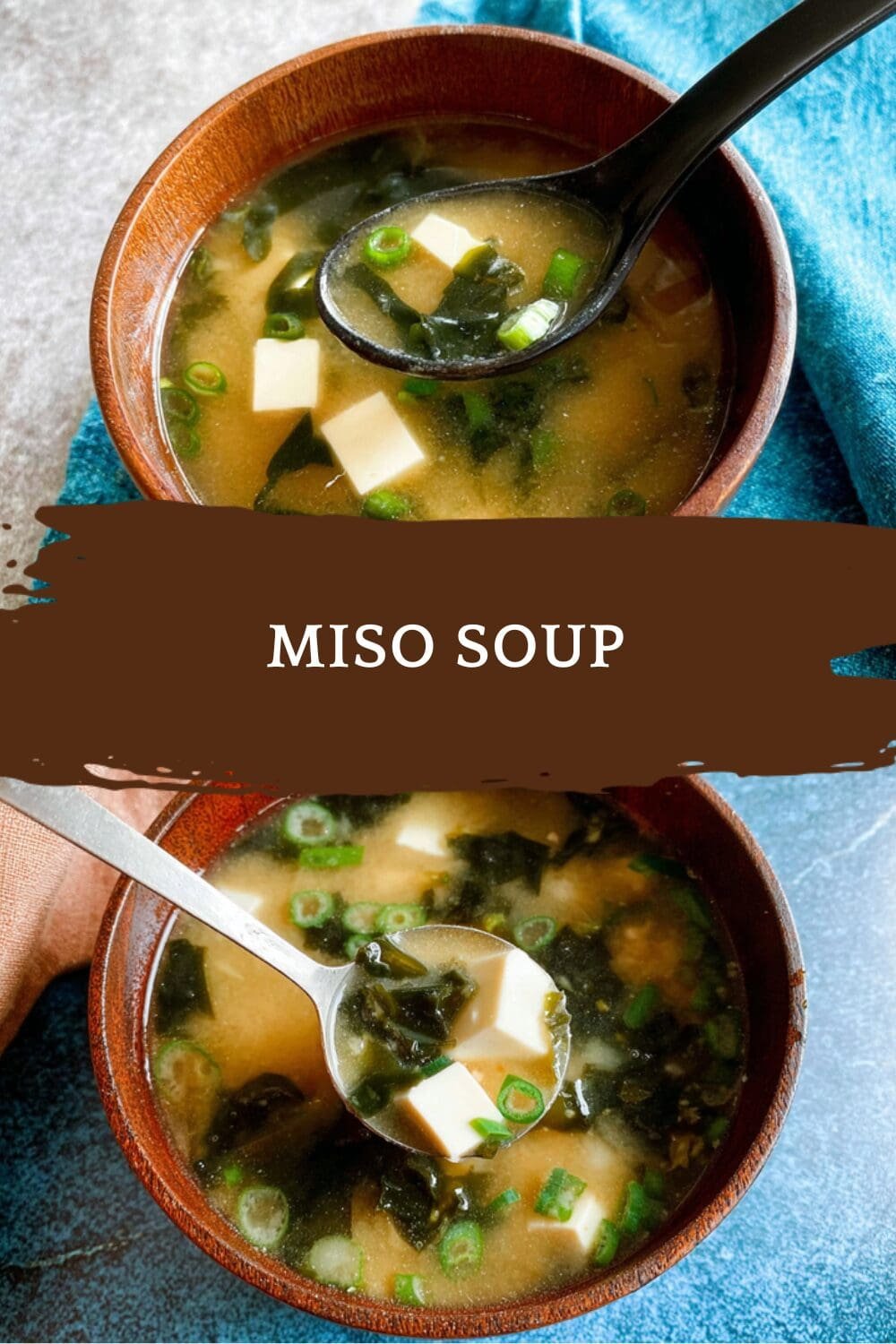
FAQs: Frequently Asked Questions About Miso Soup
What is miso soup made of?
Miso soup is a traditional Japanese soup made primarily from dashi broth and miso paste. Dashi is a savory stock often prepared with kombu seaweed and sometimes dried bonito flakes. Miso paste, made from fermented soybeans, adds a salty and umami flavor. Common ingredients added to the soup include silken tofu, wakame seaweed, and green onions, creating a light and nutritious dish often served as an appetizer or side.
How do I prepare dashi broth for miso soup at home?
To make dashi broth, gently rinse a piece of kombu seaweed and soak it in cold water for about 30 minutes. Then, heat the water with kombu over low heat without boiling, removing the kombu just before the water starts to simmer. For added depth, dried bonito flakes can be briefly steeped in the hot water and strained out. This results in a clear, umami-rich broth that forms the base for miso soup.
Can I make miso soup without animal products?
Yes, miso soup can easily be made vegetarian or vegan by skipping dried bonito flakes in the dashi broth and using kombu seaweed alone. This creates a flavorful plant-based broth perfect for those avoiding animal products. Be sure to check that the miso paste you use does not contain any fish-derived ingredients.
Why shouldn’t I boil miso soup after adding the miso paste?
Miso paste contains live probiotics from fermentation that contribute to its health benefits and flavor. Boiling the soup after adding miso can kill these beneficial bacteria and alter the taste. It’s best to dissolve miso in a small amount of hot broth first, then gently stir it into the soup off the heat or at very low temperature before serving.
What are some good vegetables or proteins to add to miso soup to make it more filling?
To make miso soup heartier, add vegetables like shiitake mushrooms, bok choy, spinach, carrots, or daikon radish. You can also include proteins such as cubed silken tofu, cooked chicken, or shrimp depending on dietary preferences. These ingredients should be simmered in the dashi broth before incorporating the miso paste to ensure balanced flavors and tender textures.

Miso Soup
🍲 Miso Soup is a quick, nutritious meal rich in probiotics, protein, and minerals that support gut health and overall well-being.
🌿 Its gentle flavors and simple ingredients make it a comforting and easy dish to prepare anytime you need a wholesome boost.
- Total Time: 20 minutes
- Yield: 3 servings
Ingredients
– 1 piece (3 inches) kombu used to make the dashi stock by gently simmering it in water
– 4 cups water for simmering the kombu to create the dashi stock base
– 3 tablespoons dried wakame seaweed soaked in warm water for at least 5 minutes to rehydrate
– ¼ cup white miso paste whisked into hot dashi broth to form a smooth slurry for flavoring
– ⅓ cup chopped green onion added to complete the soup and provide a fresh touch
– 6 ounces cubed silken tofu gently simmered in the soup for protein and smooth texture
– Tamari to taste used for seasoning the soup before serving
Instructions
1-First, prepare the dashi broth by gently simmering 1 piece (3 inches) of kombu in 4 cups of water for 10 minutes without letting it boil. This creates a flavorful base that’s mild and slightly sweet. Once done, remove the kombu to avoid any bitterness.
2-Next, soak 3 tablespoons of dried wakame seaweed in warm water for at least 5 minutes to rehydrate it fully. Meanwhile, heat the dashi broth gently over low heat. In a small bowl, whisk ¼ cup of white miso paste into a ladle of the hot dashi to make a smooth slurry before adding it back to the pot.
3-Then, add 6 ounces of cubed silken tofu and the rehydrated wakame to the pot. Let them simmer gently for 1-2 minutes over low heat, stirring occasionally. Finally, mix in ⅓ cup of chopped green onion and season with tamari to taste, then serve immediately to lock in the flavors.
Last Step:
Please leave a rating and comment letting us know how you liked this recipe! This helps our business to thrive and continue providing free, high-quality recipes for you.Notes
🍜 Avoid boiling after adding miso and tofu to preserve probiotics and delicate flavors.
🌊 Use fresh kombu and wakame seaweed for best mineral content and authentic taste.
⏰ Prepare dashi stock gently and patiently to enhance soup depth without bitterness.
- Prep Time: 8 minutes
- Cook Time: 12 minutes
- Category: Soup
- Method: Simmering
- Cuisine: Japanese
- Diet: Gluten-Free, Vegetarian, Probiotic-rich
Nutrition
- Serving Size: 1 cup
- Calories: 70
- Sugar: 1g
- Sodium: 800mg
- Fat: 2g
- Saturated Fat: 0.3g
- Unsaturated Fat: 1.5g
- Trans Fat: 0g
- Carbohydrates: 8g
- Fiber: 1g
- Protein: 5g
- Cholesterol: 0mg