Why You’ll Love This Pasta
Pasta serves as a fundamental element in Italian cuisine, offering endless possibilities for meals that combine simplicity with satisfying flavors. This pasta recipe highlights ease of preparation due to its quick cooking time, making it ideal for busy schedules while requiring only basic ingredients. Packed with nutrients from fresh vegetables and quality staples, it supports health by delivering essential vitamins, minerals, and fiber.
In addition, pasta adapts effortlessly to various dietary preferences, ensuring inclusivity for everyone from vegans to those seeking gluten-free options. Its rich taste profile, enhanced by fresh herbs and complementary seasonings, turns everyday ingredients into a delightful experience. Pasta stands out as a versatile staple that fits into meals as a light lunch, hearty dinner, or even a small first course, aligning with the needs of home cooks and food enthusiasts alike.
Jump to:
- Why You’ll Love This Pasta
- Essential Ingredients for Pasta
- How to Prepare the Perfect Pasta: Step-by-Step Guide
- Dietary Substitutions to Customize Your Pasta
- Mastering Pasta: Advanced Tips and Variations
- Exploring Pasta Shapes
- How to Store Pasta: Best Practices
- FAQs: Frequently Asked Questions About Pasta
- What ingredients are needed to make traditional pasta dough?
- How do fresh pasta and dried pasta differ in preparation and taste?
- What does cooking pasta “al dente” mean, and why is it recommended?
- Are there gluten-free pasta options, and how do they compare nutritionally?
- How long can cooked pasta be safely stored, and what is the best way to preserve it?
- Pasta
- Ingredients
- Instructions
- Last Step:
- Notes
- Nutrition
- Did you make this recipe?
Essential Ingredients for Pasta
Pasta forms from dough made with flour and water, or eggs for fresh varieties, and comes in diverse shapes like long strands or stuffed forms. The core ingredients typically involve durum wheat semolina flour and water, while eggs add richness to fresh pasta. Alternative flours such as rice, corn, chickpea, or legumes cater to dietary needs like gluten intolerance, ensuring accessibility for all.
For this Italian-style dish, here is a comprehensive list of ingredients extracted from the recipe:
- 250g spaghetti – Forms the base of the dish, providing a perfect texture to hold sauce.
- 2 tbsp olive oil – Adds richness and helps cook aromatics.
- 3 cloves garlic, minced – Supplies a robust flavor and aroma.
- 1 cup cherry tomatoes, halved – Brings freshness and natural sweetness.
- 100g spinach leaves – Adds nutrients and color.
- Salt and pepper to taste – Enhances overall flavor.
Special dietary options include substituting for vegan needs by using nutritional yeast or vegan cheese, opting for gluten-free pasta from rice or corn flours, and choosing whole wheat versions for low-calorie adjustments. These variations maintain the dish’s integrity while accommodating diverse preferences, much like how alternative flours adapt pasta for gluten-free diets.
How to Prepare the Perfect Pasta: Step-by-Step Guide
Preparing pasta starts with understanding its production, where dough is mixed from flour and water or eggs, then shaped and cooked. For fresh pasta, ingredients like eggs and flour are kneaded into dough, rolled into sheets, and cut into shapes, taking about 30 to 60 minutes depending on skill. Dried pasta, made by mechanically kneading semolina dough and drying it, cooks in 8 to 12 minutes and offers a longer shelf life.
First, bring a large pot of salted water to a rolling boil to ensure even cooking and add flavor. Add the spaghetti and cook according to package instructions for an al dente texture, which means firm to the bite and preserves the pasta’s shape. While the pasta boils, heat olive oil in a skillet, sauté minced garlic until fragrant, then add cherry tomatoes to soften and release juices.
After draining the pasta and reserving some cooking water, combine it with the tomatoes in the skillet and toss gently. Stir in spinach leaves until they wilt, using reserved water to create a light sauce that binds everything. For the final step, season with salt and pepper, adjust as needed, and serve immediately, adapting for dietary choices like using gluten-free pasta made gluten-free alternatives on our site for those with sensitivities.

Dietary Substitutions to Customize Your Pasta
Pasta’s versatility allows for easy modifications to suit various diets, building on its basic ingredients of flour and water or eggs. For protein alternatives, replace meat with plant-based options like tofu or legumes, while seafood choices such as shrimp add a different twist. Gluten-free pasta from quinoa or chickpeas ensures the dish remains enjoyable for those with gluten intolerance.
Vegetable swaps include using kale or arugula instead of spinach, and sauce variations can involve pesto or marinara for new flavors. Seasonings like red pepper flakes or fresh herbs enhance the profile without altering the core, much like how alternative flours adapt pasta nutrition for dietary needs. These changes keep pasta as a balanced part of meals, combining with vegetables and healthy fats for optimal health.
| Substitution Type | Option | Benefit |
|---|---|---|
| Protein | Tofu or tempeh | Provides plant-based protein for vegans |
| Base Pasta | Quinoa pasta | Gluten-free and higher in nutrients |
| Vegetables | Kale | Increases fiber and vitamin content |
Mastering Pasta: Advanced Tips and Variations
To master pasta, incorporate pro cooking techniques like using pasta water to adjust sauce consistency and enhance flavors, as this liquid carries starches from the noodles. Experiment with flavor variations by adding sun-dried tomatoes or roasted garlic, drawing from pasta’s availability in shapes like penne or ravioli for diverse presentations. Nutritionally, pasta offers 31 percent carbohydrates and moderate iron, making it a smart choice when paired with vegetables and lean proteins for a balanced diet.
Presentation tips involve twirling pasta with a fork for an elegant look and garnishing with microgreens, while make-ahead options include preparing sauce separately and cooking pasta al dente. Tips for cooking emphasize stirring to prevent sticking and avoiding overcooking, with dried pasta taking 8 to 12 minutes and fresh pasta much less. For storage, uncooked pasta lasts up to a year in a cool, dry place, and these methods ensure pasta remains a versatile, adaptable staple for any meal.
- Use high-quality olive oil for finishing to elevate the dish’s texture.
- Add fresh herbs like oregano to vary the taste profile.
- Store cooked pasta with oil to avoid clumping, extending its usability.
Exploring Pasta Shapes
Pasta shapes range from long strands like spaghetti to short forms for robust sauces, each influencing how it pairs with ingredients. This variation supports dietary adaptations, such as using legume flours for gluten-free options, and keeps meals exciting for food enthusiasts and busy parents.
How to Store Pasta: Best Practices
Proper storage maintains pasta’s quality, with uncooked varieties kept in a cool, dry, airtight container for up to a year to preserve texture. Cooked pasta should be refrigerated in an airtight container and consumed within five days, or frozen for two to three months to extend shelf life. Adding a small amount of oil helps prevent sticking during storage, ensuring it remains fresh for later use.
Refrigeration keeps cooked pasta safe for 3-4 days, while freezing in portioned containers allows thawing overnight before reheating. Reheat gently on the stovetop or microwave with a splash of water, and consider meal prep by cooking al dente to avoid mushiness. These practices align with pasta’s nutritional profile, which includes 62 percent water and low fat, supporting its role in a healthy diet.
FAQs: Frequently Asked Questions About Pasta
What ingredients are needed to make traditional pasta dough?
Traditional pasta dough is made from wheat flour, usually semolina or all-purpose flour, combined with water. Some recipes add eggs to create a richer and more elastic dough, which is common in fresh pasta varieties. Alternative ingredients like vegetable purees or gluten-free flours such as rice or corn can be used to accommodate dietary needs. The flour-to-liquid ratio is key for the dough’s texture, and it is kneaded until smooth before resting to develop gluten and improve workability.
How do fresh pasta and dried pasta differ in preparation and taste?
Fresh pasta is made with eggs and flour, giving it a soft texture and faster cooking time, typically a few minutes. It holds sauces well and offers a tender bite. Dried pasta, made from semolina flour and water, is harder and takes longer to cook, usually 8 to 12 minutes. It has a firmer texture after cooking and a longer shelf life. Fresh pasta is best for delicate sauces, while dried pasta pairs well with hearty sauces and baked dishes.
What does cooking pasta “al dente” mean, and why is it recommended?
Cooking pasta “al dente” means boiling it until it is tender but still firm to the bite, not mushy. This texture enhances the eating experience, keeps the pasta shape intact, and allows it to absorb sauce better. Cooking pasta al dente also slows the digestion of starch, which can help maintain steady blood sugar levels. Most pasta packages provide timing guidelines to achieve the perfect al dente texture.
Are there gluten-free pasta options, and how do they compare nutritionally?
Yes, gluten-free pasta options are widely available, made from flours such as rice, corn, quinoa, buckwheat, and amaranth. These pastas cater to those with celiac disease or gluten sensitivity. Nutritionally, gluten-free pastas vary but often have comparable carbohydrate content to wheat pasta, with some offering higher protein or fiber depending on the base ingredient. Cooking times and textures might differ, so following package instructions is important for the best results.
How long can cooked pasta be safely stored, and what is the best way to preserve it?
Cooked pasta can be stored in the refrigerator for up to five days when kept in an airtight container. To prevent clumping, toss it lightly with olive oil before storing. For longer storage, cooked pasta can be frozen for two to three months; use a freezer-safe bag or container and separate portions for convenience. When reheating, add a splash of water and warm gently to maintain texture without drying out.
Pasta
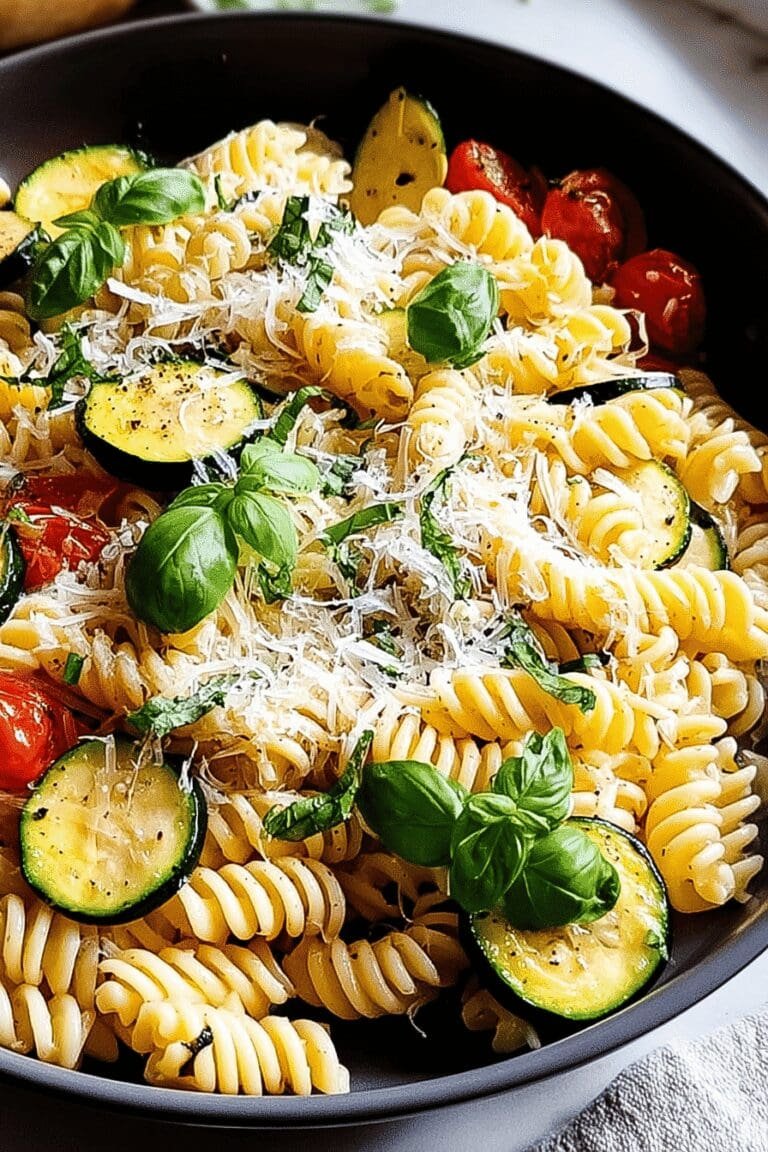
🍝 Dive into the world of Italian-style pasta with recipes that bring authentic flavors and textures to your table.
🍳 Learn essential tips to master pasta cooking techniques for perfect, delicious dishes every time.
- Total Time: 30 minutes to 1 hour (plus cooking)
Ingredients
– 250g spaghetti Forms the base of the dish, providing a perfect texture to hold sauce
– 2 tbsp olive oil Adds richness and helps cook aromatics
– 3 cloves garlic, minced Supplies a robust flavor and aroma
– 1 cup cherry tomatoes, halved Brings freshness and natural sweetness
– 100g spinach leaves Adds nutrients and color
– Salt and pepper to taste Enhances overall flavor
Instructions
1-First: bring a large pot of salted water to a rolling boil to ensure even cooking and add flavor.
2-Add the spaghetti and cook according to package instructions for an al dente texture, which means firm to the bite and preserves the pasta’s shape.
3-While the pasta boils, heat olive oil in a skillet, sauté minced garlic until fragrant, then add cherry tomatoes to soften and release juices.
4-After draining the pasta and reserving some cooking water, combine it with the tomatoes in the skillet and toss gently.
5-Stir in spinach leaves until they wilt, using reserved water to create a light sauce that binds everything.
6-For the final step, season with salt and pepper, adjust as needed, and serve immediately, adapting for dietary choices like using gluten-free pasta made gluten-free alternatives on our site for those with sensitivities.
Last Step:
Please leave a rating and comment letting us know how you liked this recipe! This helps our business to thrive and continue providing free, high-quality recipes for you.Notes
🧂 Add salt to boiling water to enhance pasta flavor.
🍝 Stir pasta occasionally during cooking to prevent sticking.
⏲️ Avoid overcooking pasta to maintain the ideal al dente texture.
- Prep Time: 30 to 60 minutes (fresh pasta preparation) 8 to 12 minutes (dried pasta cooking)
- Cook Time: 8 to 12 minutes
- Category: Main Dish
- Method: Boiling, Baking (optional for stuffed pasta)
- Cuisine: Italian
Nutrition
- Calories: 160 per 100 grams cooked pasta
- Fat: Low
- Carbohydrates: 31% (mostly starch)
- Protein: 6%